




CNC Turning
CNC Turning Services
Precision Manufacturing Solutions
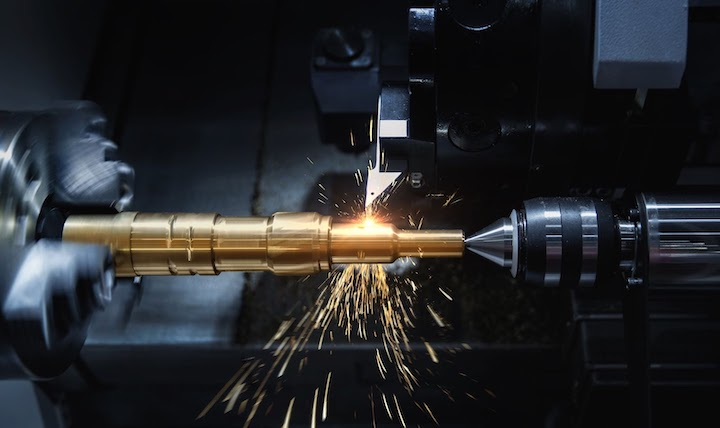

CNC Turning Services use computer-controlled machines to rotate materials while cutting tools shape them into precise cylindrical parts. Like a sculptor shaping metal with computer-guided tools, our precision machining creates parts exactly as designed.
Key Benefits of Our CNC Turning:
Speed: Automated operations run 24/7 for faster delivery
Accuracy: Achieve ±0.01mm tolerances consistently
Cost: Lower per-part costs through efficient automation
Versatility: Handle simple shafts to complex multi-feature components
Founded in 2019, JUNSION has delivered precision CNC Turning Services to 1,200+ global clients across critical industries.
Materials for Every Application
Metals We Machine:
Aluminum: 6061-T6, 7075-T6 (ASTM B221)
Stainless Steel: 316L, 17-4 PH (ASTM A276)
Titanium: Grade 2, Grade 5 (ASTM B348)
Brass: C360, C260 for electrical components
Steel: 4140, 8620 for structural applications
Engineering Plastics:
PEEK: High-temperature aerospace applications
Delrin: Precision gears and mechanical parts
Medical-Grade Nylon: Biocompatible surgical tools
We stock aerospace alloys and medical-grade plastics for immediate production starts.
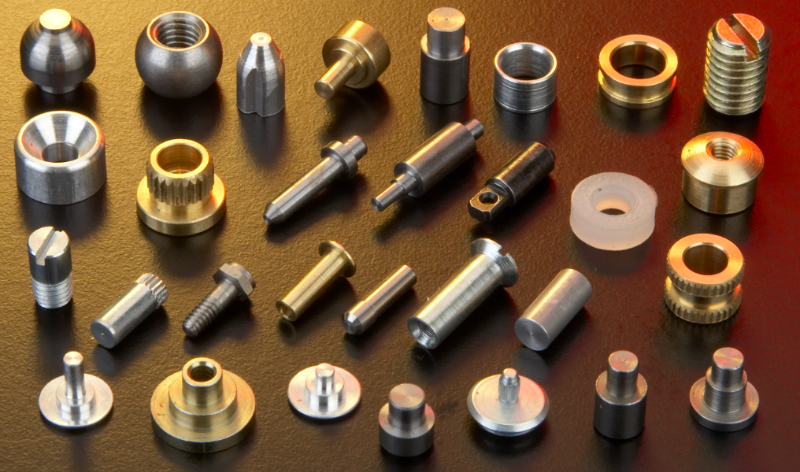
Tolerances for CNC Turning
| Description | |
|---|---|
| Maximum Part Size | Typically up to 500 mm in diameter and 1500 mm in length, though larger sizes can be accommodated with specific equipment. |
| Minimum Part Size | As small as 1 mm in diameter, depending on the material and machining setup. |
| General Tolerances | Standard tolerances of ±0.01 mm; tighter tolerances down to ±0.005 mm can be achieved based on the material and complexity of the part. |
| Lead Time | Standard lead times range from 3-7 days for small batches. Expedited services are available, reducing lead time to 24-48 hours depending on part complexity and material availability. |
Your Trusted Manufacturing Partner
⚡ Instant Online Quoting
Upload files and receive detailed quotes within 24 hours. Our intelligent system provides accurate pricing for low-volume production runs.
🔧 50+ Material Options
From common aluminum grades to exotic aerospace alloys, we stock materials for every application. View our materials selection guide.
📅 99% On-Time Delivery
Industry-leading delivery performance backed by real-time production tracking and proactive communication.
📋 DFM Feedback Included
Our engineers provide free Design for Manufacturing analysis to optimize your parts for cost and quality.
CNC Turning Design Guidelines
| Recommended Size | |
|---|---|
| Radii | Minimum internal radius of 0.5 mm recommended. Larger radii (up to 3 mm or more) can improve tool access and reduce stress concentrations in the part. |
| Threads and Tapped Holes | External and internal threads can be precisely cut. Standard thread sizes from M1.6 and larger are feasible. Ensure a minimum thread length of 1.5 times the diameter for stability. |
| Minumum Wall Thickness | Maintain a minimum wall thickness of 0.8 mm for metals and 1.5 mm for plastics to ensure structural integrity without compromising the machining process. |
| Text | Engraving should have a minimum character height of 2 mm and a depth of at least 0.5 mm to ensure legibility after machining. |
| Holes | Minimum hole diameter of 0.5 mm. For deep holes, maintain a diameter to depth ratio of 1:10 to avoid tool deflection and ensure hole quality. |

Start Your Project in 3 StepsSimple Ordering Process
1. Send CAD Files
2. Review Your Quote Receive detailed quotes within 24 hours including material recommendations, lead times, and DFM suggestions.
3. Approve & Begin Production Approve your order online and production begins immediately. Average lead time is 5 days with rush options available.
CNC Turning FAQs
Q: How can I reduce CNC turning costs?
A: Choose aluminum over titanium when possible and increase batch sizes to 25+ pieces. This combination can save up to 30% on total project costs while maintaining quality.
Q: What file formats do you accept for quotes?
A: We accept STEP, IGES, X_T, SolidWorks, and AutoCAD files. Include tolerance notes directly in your drawings for the most accurate pricing.
Q: What's the difference between turning and milling?
A: Turning rotates the workpiece while the cutting tool stays stationary, perfect for cylindrical parts. Milling rotates the cutting tool to remove material from stationary workpieces.
Q: How do you ensure consistent quality across batches?
A: We use Statistical Process Control (SPC) with real-time monitoring. Every 10th part receives full CMM inspection to maintain process stability.
Q: Can you handle both prototyping and production volumes?
A: Yes, we excel at both single prototypes and production runs up to 10,000+ pieces. Our flexible capacity scales with your needs.
Q: What industries benefit most from precision turning?
A: Automotive, aerospace, medical devices, and electronics rely on our precision turning for critical rotating components and cylindrical parts.