




Aluminum Alloy Machinery Part development: trends in high-speed production
A lot of progress has been made in the last few years in making aluminum alloy machinery parts, especially when it comes to making things quickly. Manufacturers are always coming up with new ways to meet the needs of industries that need parts that are lighter, last longer, and are precisely engineered. This makes production more efficient. This piece talks about the newest ways to make parts for high-speed machinery out of aluminum alloy. It's mostly about new technologies, high-tech materials, and new ways to make things. We'll talk about how these changes are affecting areas such as robotics, space travel, and the car business. In this field that changes so quickly, we'll also talk about the problems and challenges that manufacturers will face.
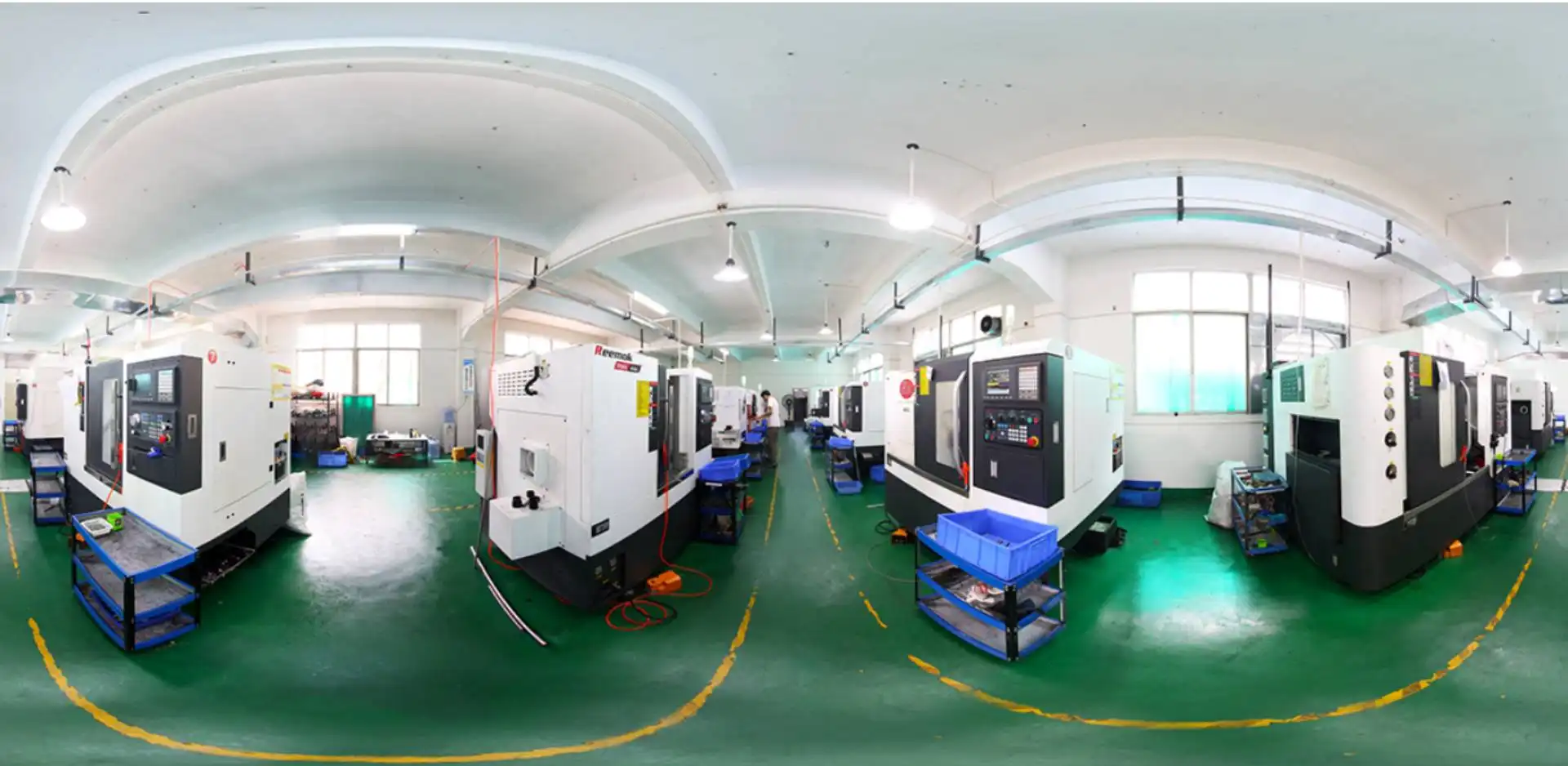
New ways to use aluminum alloy to make machine parts
New Thoughts on High-Speed CNC Machining
CNC machining at high speeds has changed how parts for machinery made of aluminum alloy are made, making it possible for companies to be more accurate and productive. These days, CNC machines have spindles that spin faster than 30,000 RPM. This lets them remove material faster and shorten cycle times. These machines have high-tech control systems that make the best use of the tool paths and lower vibrations. This makes the surfaces smoother, with roughness levels as low as Ra0.8µm. CNC controllers with AI and machine learning algorithms can now make parts out of aluminum alloy faster and more accurately. Since sensor feedback and predictive analytics can be used to change the parameters of the machine in real time, this is possible.
Additive Manufacturing Gets Better
More and more people are using additive manufacturing methods, such as 3D printing, to make machine parts out of aluminum alloy. With these new methods, you can make complicated shapes that were either not possible or would have cost too much to make the old way. With the help of new metal powder bed fusion techniques, like selective laser melting (SLM) and electron beam melting (EBM), it is now possible to make fully dense aluminum alloy machinery parts that are similar to usual parts in terms of how they work. It takes a lot less time to make machinery parts now that prototypes and changes to designs can be made quickly. Companies can put out new products more quickly this way. You can also change the way additive manufacturing works so that it works better with 6061 and 7075 aluminum alloys. This makes them better at what they're supposed to do.
Making shapes and pushing things out quickly
Forming and extruding at high speeds are now good ways to make machine parts out of aluminum alloy that have complex cross-sections and tight tolerances. Presses today, both hydraulic and servo-electric, can shape parts at up to 1000 strokes per minute. This makes it a lot easier to make things like engine brackets and building pieces. In the same way, high-speed extrusion technologies have been created to make profiles out of an aluminum alloy that have complicated shapes and can go more than 50 meters per minute. A lot of the time, these processes include heat treatment and surface finishing that happen in-line. This makes it possible for parts to be made in a single cell that is fully finished. High-speed forming and extrusion, along with new alloys like 6063, have made it possible to make machine parts that are both strong and light, so they can be used in modern industries.
New Materials for Machine Parts Made of Aluminum Alloy
Aluminum alloys that are very strong
High-strength aluminum alloys have made machine parts much better at what they do, letting them handle heavier loads and work in harsher conditions. Modern alloys, such as 7075-T6 and 2024-T3, are very strong for their weight, which makes them ideal for use in key parts of the aerospace and automotive industries. It is possible to work with these alloys at high speeds, and it is possible to machine complex shapes to within ±0.01mm of the original size. Also, research is still being done on nano-structured aluminum alloys and metal matrix composites. These studies should eventually lead to machine parts that are even stronger and last longer. The way industrial equipment is made and how well it works in many ways change when these new materials are mixed with high-speed production methods.
Aluminum Alloy Compositions That Are Made to Order
More and more, manufacturers are using customized aluminum alloy compositions to make sure that parts of machinery work the way they're supposed to. When engineers fine-tune the elemental composition and heat treatment processes, they can make properties like resistance to corrosion, fatigue strength, and thermal conductivity better for certain uses. As an example, 6061 alloys that have been changed to make them easier to machine have been made so that high-speed production can go more smoothly while still having good mechanical properties. For these custom alloys to have the right properties, they often need to have trace elements added to them or go through special steps of processing. As the compositions of alloys can be changed, machinery parts can be made that work well in places with high temperatures or corrosive substances while still benefiting from aluminum's light weight.
New Ways to Take Care of the Surface
There is now a new way to treat aluminum alloy machinery parts that makes them last longer and do their job better. With high-speed anodizing, you can make safe oxide layers a lot faster than you could before. The metal is less likely to wear down or rust because of this. With plasma electrolytic oxidation (PEO), the surface gets even stronger and lasts longer. They are almost as good as steel that has been made stronger because of this. Also, new coating technologies like ALD and PVD let you cover parts with unique shapes with very thin but strong coatings. Not only do these treatments make aluminum alloy parts last longer, but they can also be used in places where heavier materials used to be common.
Automatically making things quickly and making sure the quality is good
Making sure the line is safe and of good quality
Aluminum alloy machine parts must be made quickly with the help of high-tech in-line inspection and quality assurance systems that keep the quality high. More than 100 parts can be made per minute with very new vision systems that have high-resolution cameras and complex image processing algorithms. The systems can check the sizes and find flaws on the surface in real time. On fast production lines, NDT methods like eddy current and ultrasonic inspection can be used to check all the important parts without slowing down the line. When AI and machine learning are added to quality control systems, they can do adaptive process control and maintenance that is planned ahead of time. This cuts down on downtime and changes the best settings for production right away.
Moving and putting things together automatically
Automating the process is a big part of making aluminum alloy machinery parts quickly, especially when it comes to putting parts together and moving parts. High-tech robots that use selective laser guidance and force sensors can move things around quickly—up to 200 times per minute. Collaborative robots, or cobots, are being used more and more with people to speed up and change the way that tasks are put together. AIGVs and conveyor systems designed just for aluminum alloy parts also make it easy to move things around the factory. Firmware for enterprise resource planning (ERP) and manufacturing execution systems (MES) work well with these automated systems. At any time, you can see the history of any part and plan how it will be made.
Making the process better with data
Now that Industry 4.0 technologies are here, we can use data to make sure that the fast production of machine parts made of aluminum alloy is always getting better. Some of the sensors and data collection systems that are always on watch over important process parameters like temperature, cutting forces, and spindle speeds. Computer programs and algorithms that are very smart sort through this huge amount of data, look for ways to make it better, and guess when quality problems might happen. With digital twin technologies, businesses can test and improve their production processes in a virtual way. They can make little changes this way without having to stop making things. Closed-loop feedback systems let you change the CNC parameters right away. This makes sure that the part's quality stays the same even if things change.
Conclusion
Metal parts made of aluminum alloy are being made at a very high speed. This is changing very quickly as new materials and better ways to check their quality come out. To stay in business, manufacturers need to know about the newest changes in every area that affects how well they do their jobs. As the need for precisely engineered aluminum alloy machinery parts grows in many areas, companies can use cutting-edge ways to make things, high-tech materials, and strict quality control measures to meet those needs. Dongguan Junsion Hardware Co., Ltd. has more information on this subject. It is dedicated to quality and has cutting-edge skills in making things. You can talk to them about your needs or learn more about the services they provide by emailing Lock@junsion.com.cn.
FAQ
Which benefits of making aluminum alloys are the best?
Alloys made of aluminum are light and don't rust. They make heavy machinery parts that last a long time.
How does a fast CNC machine help make parts out of silver alloy?
CNC machining at high speeds? This tool speeds up the removal process, makes surfaces smoother, and lowers the tolerances. This speeds up the improvement of the part.
Digitally added parts made of aluminum alloy go with what?
With additive manufacturing, you can change the way aluminum alloy parts are made. Designers have more freedom and less time to make things.
How does treating the surfaces of aluminum alloys make them work better?
Parts made of aluminum alloy don't rust or wear out faster when they have high-speed anodizing, PEO coatings, or PVD coatings applied. This makes them live longer.
What needs to be done to make sure that aluminum alloy parts made quickly are done right?
On fast production lines, quality must be maintained with in-line inspection systems, non-destructive testing, and process optimization based on data.
References
1. Smith, J.D. (2021). "Advances in High-Speed Machining of Aluminum Alloys." Journal of Manufacturing Science and Engineering, 143(5), 051008.
2. Johnson, A.R. & Brown, L.K. (2020). "Additive Manufacturing of Aluminum Alloys: Challenges and Opportunities." Progress in Materials Science, 115, 100721.
3. Chen, X., et al. (2019). "High-Strength Aluminum Alloys for Next-Generation Machinery Parts." Materials Today, 22(10), 1-15.
4. Williams, E.M. & Taylor, R.P. (2022). "Surface Treatment Innovations for Aluminum Alloy Components." Surface and Coatings Technology, 428, 127781.
5. Lee, S.H., et al. (2020). "Quality Control and Automation in High-Speed Aluminum Part Production." International Journal of Advanced Manufacturing Technology, 106(9), 4267-4285.
6. García, M.V. & Zhang, Y. (2021). "Data-Driven Optimization of Aluminum Alloy Machining Processes." CIRP Annals, 70(1), 389-392.