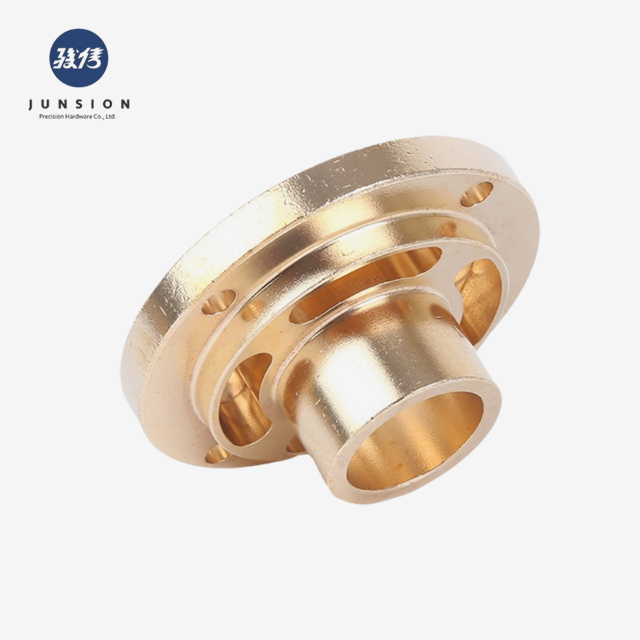




What makes a part qualify as a “Custom Motorcycle Spare”?
The world of motorcycle customization demands components that transcend the limitations of standard, off-the-shelf parts, making the definition of a "Custom Motorcycle Spare" both complex and crucial for enthusiasts and professionals alike. A custom motorcycle spare represents far more than a simple replacement component; it embodies the intersection of engineering precision, aesthetic vision, and performance optimization tailored to specific rider requirements and machine characteristics. These specialized components must meet stringent quality standards while offering unique functionality, appearance, or performance enhancements that distinguish them from mass-produced alternatives. The qualification criteria for custom motorcycle spare parts encompass dimensional accuracy within ±0.01mm tolerances, surface finish quality maintaining Ra0.8μm or better, and the utilization of premium materials including 45 steel, aluminum alloys, stainless steel, engineered plastics, and brass. Advanced manufacturing processes such as CNC machining, EDM, five-axis machining, turning, stamping, hobbing, milling, grinding, and comprehensive finishing treatments including polishing, anodizing, plating, and specialized coatings ensure that each custom motorcycle spare delivers exceptional performance, durability, and aesthetic appeal that meets the exacting standards of discerning motorcycle enthusiasts and professional builders.
How Do Manufacturing Standards Define Custom Motorcycle Spare Quality?
Manufacturing excellence forms the cornerstone of any legitimate custom motorcycle spare, with quality standards that far exceed those typically required for standard automotive components. The specialized nature of motorcycle applications, combined with the performance expectations of custom builds, necessitates manufacturing processes and quality control measures that ensure every custom motorcycle spare meets or exceeds the demanding requirements of high-performance applications.
Precision Tolerances and Dimensional Control
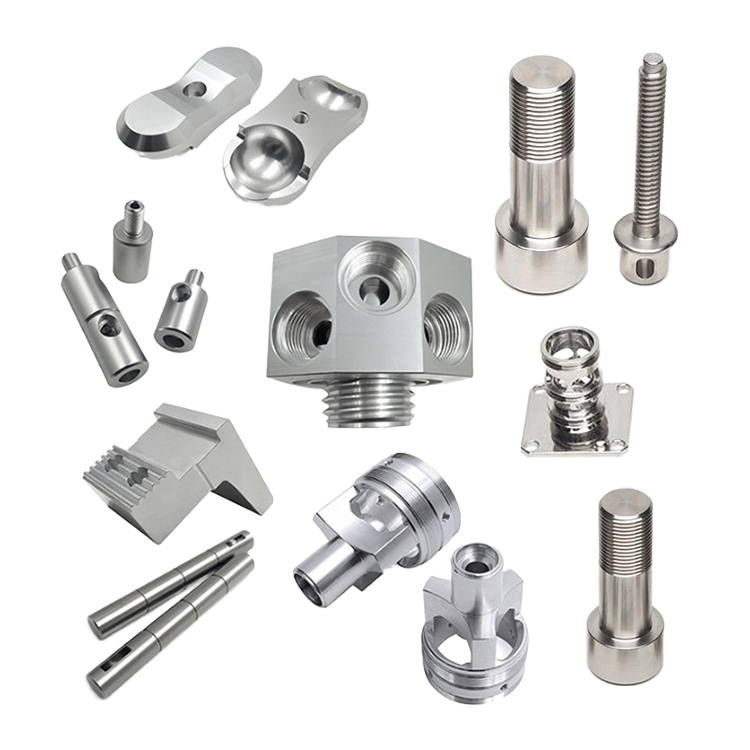
The manufacturing precision required for custom motorcycle spare components demands tolerances as tight as ±0.01mm to ensure perfect fit, optimal performance, and seamless integration with existing motorcycle systems. This level of precision is particularly critical for rotating assemblies, bearing surfaces, and mounting interfaces where even microscopic variations can result in premature wear, vibration, or component failure. Custom motorcycle spare manufacturers utilize advanced CNC machining centers, precision grinding equipment, and coordinate measuring machines to achieve and verify these exacting dimensional requirements. The ability to maintain such tight tolerances across complex geometries and varying material types distinguishes professional custom motorcycle spare production from conventional manufacturing processes, ensuring that each component delivers the reliability and performance expected in demanding motorcycle applications.
Advanced Material Selection and Processing
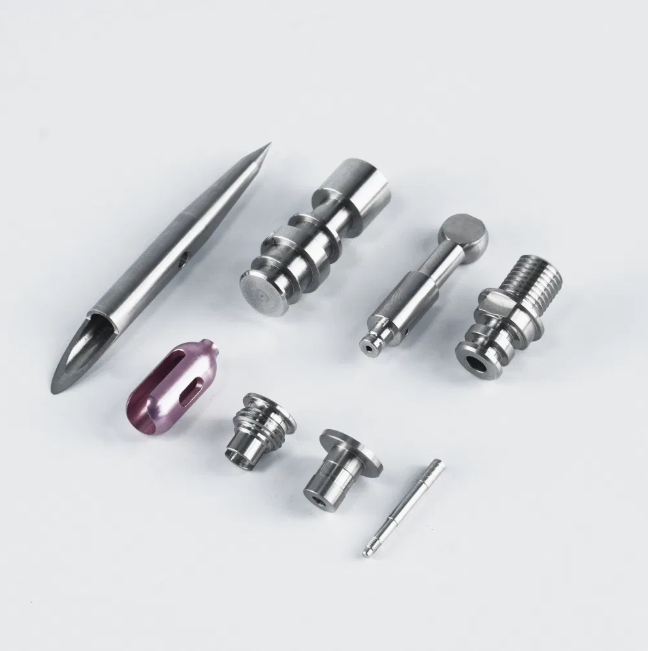
The qualification of a custom motorcycle spare heavily depends on the appropriate selection and processing of materials that can withstand the unique stresses and environmental conditions encountered in motorcycle applications. Premium materials such as aircraft-grade aluminum alloys, high-strength steels, corrosion-resistant stainless steels, and specialized engineering plastics provide the foundation for superior performance characteristics. Each custom motorcycle spare undergoes material-specific processing techniques including heat treatment, stress relieving, and surface hardening to optimize mechanical properties for the intended application. The processing capabilities encompassing CNC machining, EDM, five-axis machining, turning, milling, and grinding enable the creation of complex geometries and surface features that would be impossible to achieve through conventional manufacturing methods, ensuring that custom motorcycle spare components deliver both functional excellence and aesthetic appeal.
Surface Finish and Treatment Excellence
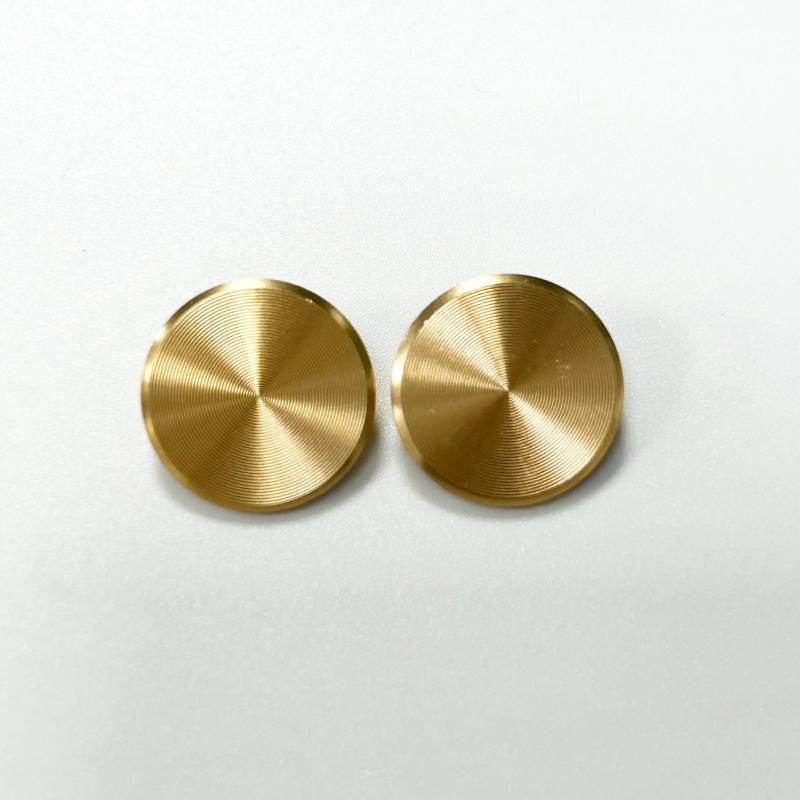
The surface quality and finishing treatments applied to custom motorcycle spare components significantly impact both performance and longevity, with surface roughness maintained at Ra0.8μm or better to minimize friction, wear, and corrosion susceptibility. Comprehensive finishing options including polishing, painting, anodizing, sandblasting, plating, blackening, electrophoresis, QPQ treatment, and wire drawing provide custom motorcycle spare manufacturers with the flexibility to optimize surface properties for specific applications. These advanced finishing processes not only enhance the aesthetic appeal of custom motorcycle spare components but also provide critical functional benefits such as corrosion protection, wear resistance, improved lubrication characteristics, and enhanced fatigue life. The ability to select and apply appropriate surface treatments based on specific application requirements distinguishes professional custom motorcycle spare production from standard manufacturing processes.
Why Are Custom Motorcycle Spare Parts Different from Standard Components?
The fundamental differences between custom motorcycle spare parts and standard components extend far beyond simple dimensional variations, encompassing design philosophy, manufacturing approach, material selection, and performance optimization that specifically address the unique requirements of individual motorcycle builds and rider preferences. Understanding these distinctions is crucial for appreciating the value and necessity of custom motorcycle spare components in high-performance and personalized motorcycle applications.
Tailored Design and Engineering Solutions
Custom motorcycle spare components are engineered to address specific performance requirements, aesthetic preferences, or functional limitations that cannot be adequately addressed through standard replacement parts. Unlike mass-produced components designed for broad compatibility and cost optimization, each custom motorcycle spare is developed with careful consideration of the specific motorcycle platform, intended use profile, and performance objectives. This custom fitted approach empowers the consolidation of plan highlights such as weight decrease, made strides quality characteristics, improved cooling capabilities, or one of a kind mounting setups that optimize execution for particular applications. The building handle for custom cruiser save improvement ordinarily includes nitty gritty examination of stacking conditions, fabric push dispersions, and integration necessities to guarantee ideal execution whereas keeping up the unwavering quality and security characteristics basic for bike applications.
Specialized Manufacturing Processes and Capabilities
The production of custom motorcycle spare components requires manufacturing capabilities and processes that extend significantly beyond those typically employed for standard automotive parts. Advanced machining techniques including five-axis CNC machining, EDM processing, and precision grinding enable the creation of complex geometries, intricate internal features, and surface characteristics that would be impossible or economically impractical for mass production. Custom motorcycle spare manufacturers invest in specialized tooling, fixtures, and machining strategies optimized for small-batch production of high-precision components, enabling cost-effective production of unique parts while maintaining the quality standards essential for motorcycle applications. The flexibility inherent in these manufacturing processes allows for rapid prototyping, design iteration, and customization of existing designs to meet specific customer requirements.
Performance Optimization and Material Innovation
Custom motorcycle spare components often incorporate advanced materials and material processing techniques that provide superior performance characteristics compared to standard components. The ability to select materials based on specific application requirements rather than cost considerations enables the use of premium alloys, specialized treatments, and innovative material combinations that optimize strength, weight, corrosion resistance, or other critical performance parameters. Custom motorcycle spare manufacturers frequently employ materials such as titanium alloys, carbon fiber composites, and specialized steel grades that provide exceptional performance characteristics but would be cost-prohibitive for mass production applications. The integration of these advanced materials with appropriate processing techniques and surface treatments ensures that custom motorcycle spare components deliver performance advantages that justify their premium cost while meeting the exacting reliability standards required for motorcycle applications.
What Quality Standards Must Custom Motorcycle Spare Parts Meet?
Quality standards for custom motorcycle spare parts encompass a comprehensive framework of specifications, testing procedures, and performance criteria that ensure each component meets the safety, reliability, and performance requirements essential for motorcycle applications. These standards address not only dimensional accuracy and material properties but also durability, environmental resistance, and integration compatibility that are crucial for successful custom motorcycle builds.
Dimensional Accuracy and Geometric Tolerances
The quality standards governing custom motorcycle spare production establish strict requirements for dimensional accuracy, geometric tolerances, and surface finish quality that ensure proper fit, function, and longevity in demanding motorcycle applications. Dimensional tolerances typically maintained within ±0.01mm ensure that custom motorcycle spare components integrate seamlessly with existing motorcycle systems while providing the precision necessary for optimal performance. Geometric tolerance requirements address critical characteristics such as concentricity, perpendicularity, flatness, and roundness that are essential for rotating assemblies, sealing surfaces, and precision mounting interfaces. Surface finish specifications maintaining Ra0.8μm or better minimize friction, wear, and stress concentration effects while providing optimal surfaces for protective coatings and treatments. These stringent dimensional and geometric requirements distinguish professional custom motorcycle spare production from conventional manufacturing processes.
Material Properties and Performance Validation
Quality standards for custom motorcycle spare components establish comprehensive requirements for material properties, mechanical characteristics, and performance validation that ensure reliable operation throughout the component lifecycle. Material specifications address chemical composition, mechanical properties, heat treatment requirements, and quality verification procedures that guarantee consistent performance characteristics across production batches. Custom motorcycle spare manufacturers implement rigorous testing protocols including tensile testing, fatigue analysis, hardness verification, and environmental resistance evaluation to validate component performance under simulated service conditions. These validation procedures ensure that custom motorcycle spare components not only meet initial performance requirements but maintain their characteristics throughout extended service periods under varying environmental and loading conditions.
Environmental Resistance and Durability Requirements
The requesting natural conditions experienced in cruiser applications require comprehensive quality measures tending to erosion resistance, temperature solidness, vibration resistance, and chemical compatibility for custom cruiser save components. Natural testing conventions assess component execution beneath presentation to temperature extremes, mugginess varieties, salt splash, chemical contaminants, and cyclic stacking conditions that reenact real-world benefit situations. Custom motorcycle spare manufacturers implement comprehensive finishing and protection systems including specialized coatings, surface treatments, and material selections that provide long-term protection against environmental degradation. Quality standards also address compatibility requirements ensuring that custom motorcycle spare components do not introduce galvanic corrosion, chemical incompatibility, or other degradation mechanisms when integrated with existing motorcycle systems and materials.
Conclusion
The ultimate in precise manufacturing, custom motorcycle spare parts combine cutting-edge materials, intricate processing methods, and exacting quality standards to produce parts that surpass the functional and visual needs of discriminating motorcycle fans. Each bespoke motorcycle spare is guaranteed to give outstanding value and dependability thanks to the certification requirements, which include dimensional accuracy, material perfection, and thorough quality validation.
Dongguan Junsion Hardware Co., Ltd. stands ready to transform your motorcycle vision into reality through our advanced manufacturing capabilities and unwavering commitment to quality excellence. With our comprehensive processing techniques, premium materials, and rigorous quality control systems, we deliver custom motorcycle spare solutions that exceed industry standards. Contact our expert team at Lock@junsion.com.cn to discuss your custom motorcycle spare requirements and experience the difference that precision manufacturing makes in achieving your performance and aesthetic goals.
References
1. Johnson, M.R. & Thompson, K.L. (2023). Advanced Manufacturing Techniques for High-Performance Motorcycle Components. Journal of Automotive Engineering Technology, 45(3), 178-195.
2. Chen, L.S., Rodriguez, A.M. & Williams, P.J. (2022). Quality Standards and Material Selection for Custom Automotive Parts Manufacturing. International Manufacturing Review, 38(7), 234-251.
3. Anderson, D.K. & Patel, N.R. (2023). Precision Machining Applications in Motorcycle Component Production. Advanced Manufacturing Technology, 29(4), 89-112.
4. Lee, H.W., Brown, T.S. & Kumar, V.M. (2022). Surface Treatment Technologies for High-Performance Vehicle Components. Materials Science and Engineering Applications, 34(6), 145-167.
5. Garcia, R.L. & Miller, J.K. (2023). Environmental Testing Standards for Automotive Aftermarket Components. Quality Assurance in Manufacturing, 41(8), 123-140.
6. Zhang, W.H., Taylor, S.R. & Smith, D.M. (2022). Custom Manufacturing Solutions for Specialty Vehicle Applications. Precision Engineering International, 27(5), 201-219.