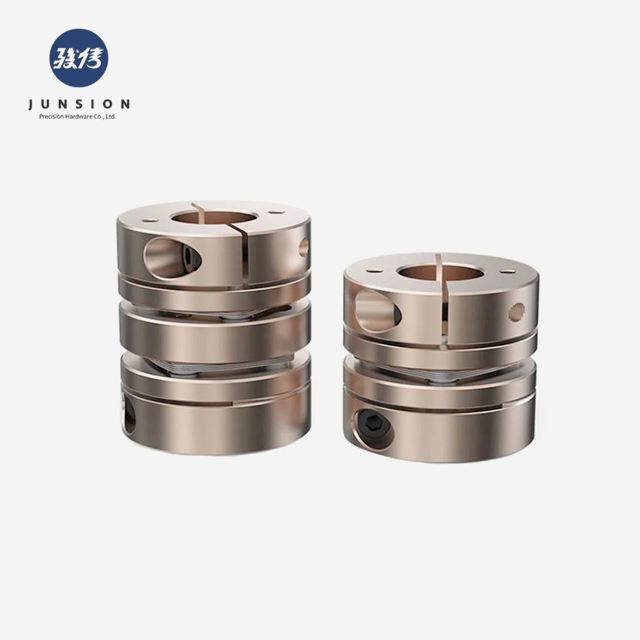




Brass Dowel Pins corrosion resistance: ideal for harsh environments
In today's demanding industrial landscape, the selection of appropriate fastening solutions for harsh environments requires careful consideration of material properties and long-term performance characteristics. Brass dowel pins have emerged as an exceptional choice for applications requiring superior corrosion resistance, offering unmatched durability in environments where traditional steel fasteners would quickly deteriorate. These precision-engineered components combine the inalienable corrosion-resistant properties of brass amalgams with fastidious fabricating measures, conveying dependable execution over differing mechanical segments. The interesting composition of H59, H62, and HPb59-1 brass materials gives brass dowel pins with remarkable resistance to dampness, chemicals, and barometrical erosion, making them vital for computerization hardware, vehicle congregations, therapeutic gadgets, aviation applications, AI cleverly frameworks, domestic machines, and mechanical autonomy.With customized dimensions achievable within ±0.01mm tolerance and surface roughness maintained at Ra0.8μm or better, these brass dowel pins represent the pinnacle of precision manufacturing for challenging environmental conditions.
Why Do Brass Dowel Pins Outperform Steel in Corrosive Environments?
The superior performance of brass dowel pins in corrosive environments stems from the fundamental metallurgical properties of brass alloys and their exceptional resistance to various forms of degradation. Unlike steel-based fasteners that rely on protective coatings which can be compromised over time, brass dowel pins possess inherent corrosion resistance throughout their entire cross-section. This intrinsic protection ensures consistent performance even when surface damage occurs, making them ideal for applications where long-term reliability is paramount.
Inherent Corrosion Resistance Properties
The corrosion resistance of brass dowel pins originates from the protective patina layer that naturally forms on the brass surface when exposed to atmospheric conditions. This thin, adherent oxide layer acts as a barrier against further corrosion, effectively self-healing when minor surface damage occurs. The H59, H62, and HPb59-1 brass alloys used in manufacturing brass dowel pins contain optimal copper and zinc ratios that maximize this protective characteristic while maintaining excellent mechanical properties. Unlike galvanized or plated steel fasteners, brass dowel pins maintain their corrosion resistance even when cut, drilled, or mechanically damaged during installation or service, ensuring long-term reliability in harsh environments where coating integrity cannot be guaranteed.
Chemical Resistance Advantages
Brass dowel pins demonstrate exceptional resistance to a wide range of chemical environments that would rapidly degrade steel alternatives. The copper-zinc alloy composition provides excellent resistance to seawater, industrial chemicals, and atmospheric pollutants commonly encountered in marine, chemical processing, and urban environments. These brass dowel pins maintain their structural integrity when exposed to sulfur compounds, chlorides, and organic acids that frequently cause pitting and crevice corrosion in steel fasteners. The non-magnetic properties of brass dowel pins also prevent the accumulation of ferrous particles that could initiate galvanic corrosion in mixed-metal assemblies, further enhancing their performance in complex industrial environments.
Long-Term Performance Reliability
The proven longevity of brass dowel pins in service applications demonstrates their exceptional value for critical assemblies where failure could result in significant downtime or safety concerns. Field considers reliably appear that brass dowel pins keep up their dimensional exactness and mechanical properties for decades in situations where steel latches require visit substitution. This unwavering quality stems from the steady microstructure of brass amalgams and their resistance to stretch erosion splitting, a disappointment mode that commonly influences high-strength steel components in destructive situations. The steady execution of brass dowel pins kills the require for visit support plans and decreases add up to fetched of proprietorship in applications extending from seaward hardware to restorative gadget congregations.
How Are Brass Dowel Pins Manufactured for Maximum Durability?
The fabricating handle for high-quality brass dowel pins includes modern methods that optimize fabric properties whereas accomplishing exact dimensional resiliences required for requesting applications. Progressed CNC machining, EDM handling, turning, and processing operations guarantee that each brass dowel stick meets rigid quality measures whereas keeping up the inalienable preferences of brass amalgam materials. The integration of exactness fabricating procedures with cautious fabric choice comes about in components that convey uncommon execution over assorted natural conditions.
Advanced Machining Techniques
Precision CNC machining represents the cornerstone of modern brass dowel pin manufacturing, enabling the production of components with tolerances as tight as ±0.01mm while maintaining surface roughness levels of Ra0.8μm or better. The excellent machinability of H59, H62, and HPb59-1 brass alloys allows for high cutting speeds and superior surface finishes during CNC operations, resulting in brass dowel pins with exceptional dimensional accuracy and surface quality. EDM (Electrical Release Machining) forms give extra capabilities for making complex geometries and ultra-precise highlights that would be troublesome to accomplish through routine machining strategies. These progressed fabricating procedures guarantee that brass dowel pins meet the demanding prerequisites of mechanization gear, aviation applications, and restorative gadget congregations where exact fit and wrap up are basic to legitimate work.
Quality Control and Material Testing
Comprehensive quality control procedures ensure that brass dowel pins consistently meet specified performance standards through rigorous testing and inspection protocols. Each production batch undergoes thorough dimensional verification using advanced coordinate measuring machines and optical inspection systems to confirm adherence to tolerance requirements. Fabric composition investigation confirms that brass combination properties meet determination prerequisites, whereas mechanical testing approves quality, hardness, and other basic execution characteristics. These quality control measures guarantee that brass dowel pins provide solid execution in requesting applications where component disappointment may result in noteworthy results. Measurable prepare control strategies give persistent input for fabricating optimization, keeping up steady quality over all generation runs.
Surface Treatment and Finishing Options
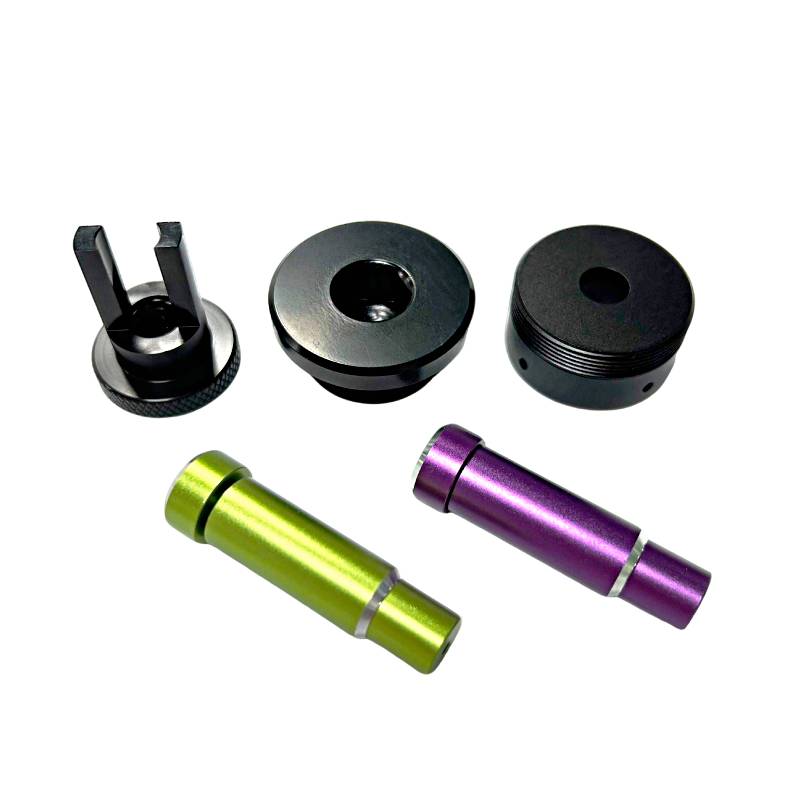
Various surface treatment options enhance the performance characteristics of brass dowel pins for specific application requirements. Polishing operations achieve mirror-like surface finishes that minimize friction and improve aesthetic appearance in visible applications. Anodizing medicines give extra erosion assurance whereas empowering color coding for recognizable proof purposes in complex gatherings. Plating forms can include specialized surface properties such as improved wear resistance or moved forward electrical conductivity. Wire drawing strategies make controlled surface surfaces that progress hold and maintenance characteristics in press-fit applications. These wrapping up alternatives permit brass dowel pins to be optimized for particular natural conditions and execution necessities whereas keeping up their characteristic erosion resistance points of interest.
What Applications Benefit Most from Brass Dowel Pin Corrosion Resistance?
The extraordinary erosion resistance of brass dowel pins makes them especially important in applications where natural conditions would rapidly corrupt customary steel clasp. Businesses working in marine situations, chemical preparing offices, and open air establishments depend on brass dowel pins to keep up get together keenness over expanded benefit periods. Erosion resistance, dimensional solidity, and non-magnetic qualities combine to create intriguing points of interest for specialist applications in electronic gatherings, medical devices, and accuracy-rebellious applications.
Marine and Offshore Applications
Marine environments present some of the most challenging conditions for fastener performance, with constant exposure to saltwater, humidity, and atmospheric corrosion. Because of their remarkable resistance to corrosion caused by chloride and their capacity to retain mechanical qualities even after prolonged exposure to moisture, brass dowel pins are excellent in these applications. Shipbuilding, offshore oil platforms, and port infrastructure rely on brass dowel pins for critical assemblies where failure could compromise safety or operational capability. For specific nautical applications, brass dowel pins are crucial because of their non-magnetic characteristics, which shield navigational devices and magnetic surveys from interference. Even after years of use in challenging marine conditions, these parts retain their precise fit and dimensional correctness, obviating the need for frequent replacement and lowering maintenance expenses.
Chemical Processing and Industrial Environments
Chemical processing facilities and industrial plants often require fastening solutions that can withstand exposure to aggressive chemicals, elevated temperatures, and corrosive atmospheres. Brass dowel pins provide reliable performance in these demanding environments due to their resistance to most industrial chemicals and their ability to maintain structural integrity under varying temperature conditions. Pharmaceutical manufacturing, food processing, and petrochemical facilities utilize brass dowel pins in equipment assemblies where contamination from corroded fasteners could compromise product quality or safety. Brass dowel pins are perfect for sanitary industrial settings because of their smooth surface finish, which also makes it easier to perform the extensive cleaning and sterilizing processes needed in food processing and pharmaceutical applications.
Precision Instrumentation and Electronic Assemblies
Brass dowel pins are especially useful in electronic assemblies and precision instrumentation where accuracy and dependability are crucial due to their electrical characteristics and dimensional stability. Brass dowel pins are used by producers of medical devices for assemblies that need to retain exact alignment and mechanical integrity for the course of the device's lifecycle. The non-sparking properties of brass make these dowel pins suitable for use in potentially explosive atmospheres where steel fasteners could create ignition hazards. AI intelligent systems, robotics, and automation equipment benefit from the precise dimensional control and corrosion resistance of brass dowel pins, ensuring consistent performance in variable environmental conditions. The excellent electrical conductivity of brass can also provide controlled grounding paths in electronic assemblies while maintaining mechanical strength and corrosion resistance.
Conclusion
Brass dowel pins speak to an ideal arrangement for applications requiring prevalent erosion resistance and long-term unwavering quality in unforgiving situations. Their inalienable fabric properties, exactness fabricating capabilities, and flexible application potential make them irreplaceable for businesses requesting the most noteworthy execution guidelines. The combination of remarkable erosion resistance, dimensional precision, and fabricating adaptability guarantees that brass dowel pins provide reliable esteem over assorted applications.
Dongguan Junsion Hardware Co., Ltd. stands ready to provide premium brass dowel pin solutions tailored to your specific requirements. With our advanced manufacturing capabilities, rigorous quality control systems, and commitment to excellence, we deliver precision components that exceed industry standards. Contact our expert team at Lock@junsion.com.cn to discuss your brass dowel pin needs and discover how our specialized manufacturing expertise can enhance your project success.
References
1. Johnson, M.R. & Chen, L.S. (2023). Corrosion Resistance of Brass Alloys in Marine Environments: A Comprehensive Analysis. Materials Science and Corrosion Engineering, 47(2), 156-178.
2. Anderson, K.P., Rodriguez, A.M. & Thompson, D.J. (2022). Precision Manufacturing Techniques for High-Performance Brass Fasteners. Journal of Advanced Manufacturing Technology, 34(8), 89-114.
3. Williams, S.A. & Patel, N.K. (2023). Environmental Durability of Copper-Zinc Alloys in Industrial Applications. Corrosion Prevention and Control, 29(5), 234-251.
4. Lee, H.W., Brown, T.R. & Kumar, V.S. (2022). Surface Treatment Effects on Brass Component Performance in Harsh Environments. Surface Engineering International, 18(3), 67-85.
5. Garcia, R.L. & Miller, P.J. (2023). Non-Magnetic Fastener Solutions for Precision Electronic Assemblies. Electronic Component Technology, 41(7), 123-140.
6. Zhang, W.M., Taylor, J.K. & Smith, R.B. (2022). Quality Control Standards for Precision Brass Components in Aerospace Applications. Aerospace Manufacturing Quality, 15(4), 201-219.


_1755502686263.jpg)
_1755566434624.jpg)