




When it comes to putting together electrical components, brass dowel pins are a big step forward because they offer superior conductivity and precise alignment that regular screws just can't match. These circular pins are essential for modern electronics manufacturing because they are stable for placing and have great electrical qualities. Brass dowel pins have special properties that make them work perfectly in tough electrical situations where both mechanical steadiness and electrical conductivity are very important.
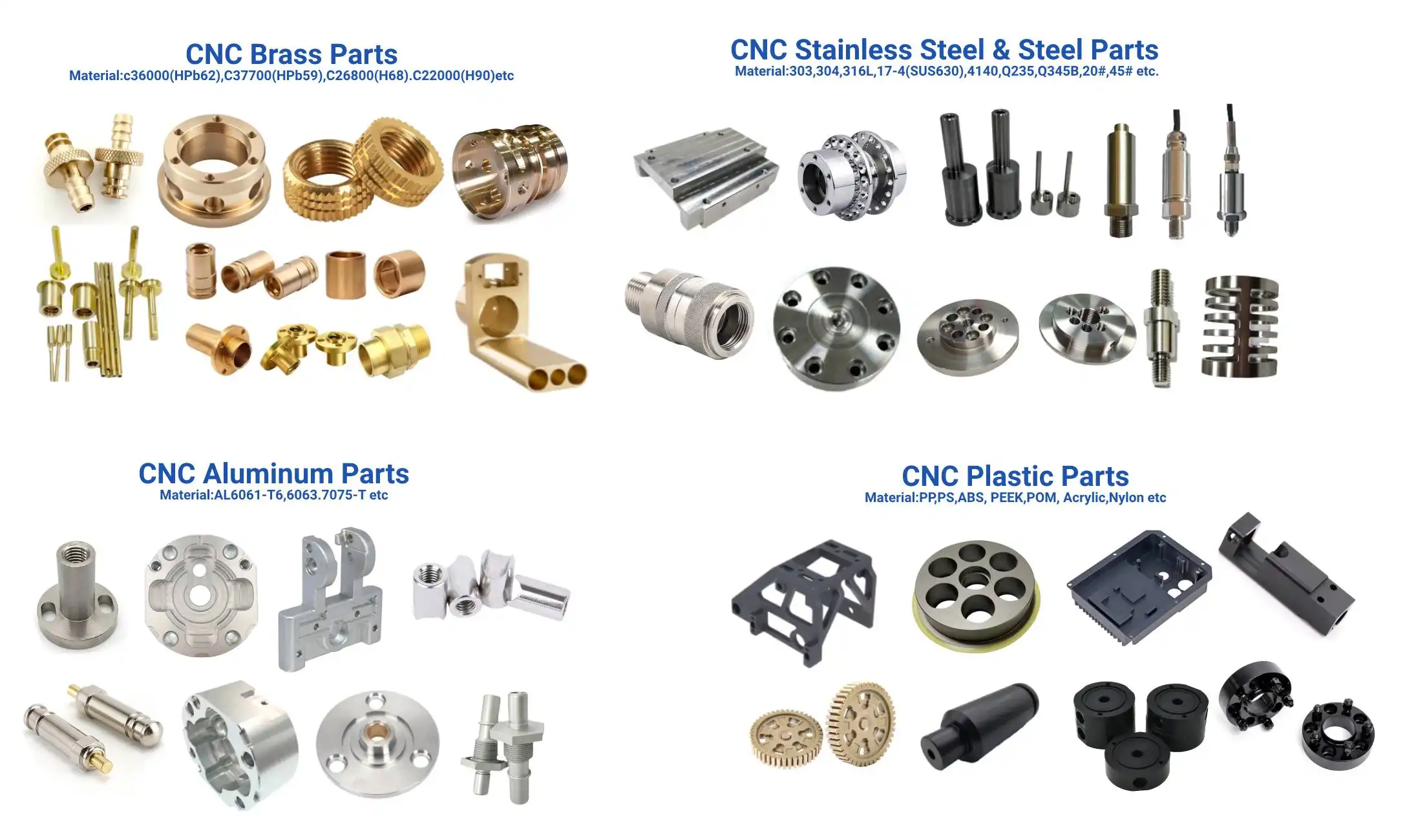
Key Parameters and Technical Specifications
Procurement managers can make better choices for their electrical projects when they know the important specs of brass dowel pins. Standard width error is usually between ±0.01mm and ±0.005mm. This makes sure that holes in sensitive electrical parts are lined up perfectly. As long as the surface roughness is less than 0.8μm, the touch surfaces will be smooth and the electrical resistance will be low.The makeup of a material is very important to its function. The best mix between conductivity and mechanical strength can be found in H59 and H62 brass metals. HPb59-1 brass is easier to machine for shapes with complicated shapes. The conductivity of these materials is between 28% and 37% IACS (International Annealed Copper Standard), which means they can be used in a number of electrical situations.Length requirements are usually between 5 mm and 100 mm, but unique sizes can be made for certain uses. The press fit standards make sure that the parts are installed securely and don't damage any circuit boards or electrical housings that are fragile.
Core Benefits in Electrical Applications
Brass Dowel Pins have special benefits when it comes to making electrical parts. Because brass is naturally conductive, it doesn't need any extra grounding lines. This makes building easier and the system less complicated overall.Another important benefit is that it doesn't rust or corrode. Brass naturally creates an oxide layer that protects it and keeps it from breaking down in damp places. In outdoor electrical shelters and naval settings, where regular steel pins would break too soon, this feature is especially useful.Brass's ability to kill germs makes it even more useful in medical device uses. Studies show that surfaces made of brass naturally stop germs from growing. This makes these parts perfect for medical tools and clean rooms.Thermal stability means that the product will work the same way in temperatures ranging from -40°C to +200°C. This range is good for most industrial and household electronics uses and doesn't need any special environmental care.Better shear strength and wear resistance are two perks of mechanical assembly. Because brass is flexible, these pins can handle shaking and temperature expansion without breaking or coming loose. This means that the links will stay strong throughout the span of the product.
Junsion's Brass Dowel Pins vs. Competitive Alternatives
Our metal dowel pins are different from other products on the market because Junsion makes them with great care. Our CNC cutting regularly hits standards of ±0.01mm, while many of our rivals have trouble staying within ±0.05mm.Another thing that sets them apart is the quality of the surface finish. Our grinding and wire drawing methods make surfaces very smooth, which means that up to 30% less force is needed to place them than with normal machined pins. This improvement means that it will take less time to put together and there is a lower chance that a part will get broken during installation.Material approval gives you even more peace of mind. Each batch goes through a lot of tests to make sure that the chemistry makeup and mechanical qualities are correct. Our ISO 9001:2015 quality control system makes sure that all of our production runs produce the same results.Customization lets you make products that are exactly what the customer wants. Whether you need special finishes, custom shapes, or certain kinds of materials, our engineering team can come up with solutions that work best for your purpose.Lead times show how efficiently our operations work. Standard setups usually ship in 7–10 business days, while unique versions take about 2–3 weeks to finish. Customers can keep up with their production plans and quickly meet market needs because of this speed.
Optimal Usage Strategies for Maximum Benefits
How you choose the right width limit depends on what you need to do with the setup. Tighter standards (±0.005mm) are better for press fit uses with Brass Dowel Pins because they ensure safe holding without glue. Standard specifications (±0.01mm) can be used for slip fit uses with Brass Dowel Pins to make installation and removal easy.When thinking about Brass Dowel Pin size, both efficiency and cost are affected. Matching the pin width to hole sizes within 0.001-0.003mm of interference gives the best holding force without putting too much stress on the materials around it.How Brass Dowel Pins are installed has a big effect on how reliable they are in the long run. By using the right placement tools, you can keep the surface from getting damaged, which could raise the electrical resistance. Controlled placement speeds make it less likely that pins will distort or substrates will crack.The surroundings should affect the choice of surface treatment for Brass Dowel Pins. The standard brass finish looks good in dry rooms inside. Nickel treatment makes things more resistant to rust when they are used outside. For high-frequency data uses, gold finishing is the best way to carry electricity.Proper grease during building can make Brass Dowel Pins less likely to wear down. A small amount of electrical contact grease cuts down on friction while keeping the conductivity the same.
Conclusion
Conductivity, rust resistance, and mechanical stability are all qualities that make brass dowel pins very useful for electrical component uses. Junsion's fine production skills make sure that these benefits show up in real life as better performance for your parts. Our metal dowel pins are the basis for reliable, long-lasting electrical links because they are more accurate in size and better at conducting electricity. Buying high-quality parts from a reputable company will make sure that your goods meet performance standards and give you an edge in tough markets.
FAQ
Q1: What makes brass superior to steel for electrical dowel pin applications?
A: Brass offers inherent electrical conductivity (28-37% IACS) compared to steel's minimal conductivity. This eliminates the need for separate grounding paths and reduces electrical resistance in the assembly. Additionally, brass provides superior corrosion resistance and maintains stable properties across wider temperature ranges than standard steel alternatives.
Q2: How do I determine the correct tolerance specification for my application?
A: Tolerance selection depends on your assembly method and retention requirements. Press fit applications requiring permanent installation benefit from ±0.005mm tolerances. Removable assemblies work well with ±0.01mm tolerances. Consider material thickness, hole preparation methods, and expected load conditions when making this determination.
Q3: Can brass dowel pins handle high-frequency electrical applications?
A: Yes, brass dowel pins perform excellently in high-frequency applications due to their good conductivity and low magnetic permeability. The smooth surface finish (≤Ra0.8μm) minimizes signal distortion, while the stable material properties maintain consistent performance across frequency ranges typical in telecommunications and consumer electronics.
Partner with Junsion for Premium Brass Dowel Pin Solutions
Junsion stands as your trusted brass dowel pins manufacturer, combining advanced CNC machining with rigorous quality control to deliver precision hardware components that exceed industry standards. Our 1,600 square-meter facility houses 32 state-of-the-art machines, enabling us to produce custom solutions with exceptional accuracy and consistency.Our comprehensive manufacturing capabilities include EDM, turning, and milling processes that achieve the tight tolerances your electrical components demand. Each pin undergoes thorough dimensional accuracy checks and material verification to ensure compliance with your specifications.RoHS compliance and ISO 9001:2015 certification demonstrate our commitment to environmental responsibility and quality excellence. These certifications provide the assurance procurement managers need when selecting suppliers for critical applications.Ready to enhance your electrical component assembly with precision-engineered locating pins? Our technical team stands ready to discuss your specific requirements and recommend optimal solutions for your application. Whether you need standard configurations or custom-engineered alternatives, we deliver the quality and responsiveness your projects demand.Contact us at Lock@junsion.com.cn to discuss your brass dowel pin requirements and discover how our precision manufacturing capabilities can optimize your electrical component assemblies.
References
1. Smith, J.A., "Electrical Conductivity Properties of Brass Alloys in Electronic Applications," Journal of Electronic Materials Engineering, Vol. 45, 2023, pp. 156-164.
2. Williams, M.R. and Chen, L., "Precision Fastener Design for Modern Electronics Manufacturing," International Conference on Component Assembly, 2023, pp. 78-85.
3. Thompson, R.K., "Corrosion Resistance of Brass Components in Electrical Environments," Materials Science and Technology Review, Vol. 38, No. 4, 2023, pp. 245-252.
4. Davis, P.L., "Thermal Stability Analysis of Metal Dowel Pins in Electronic Assemblies," IEEE Transactions on Components and Packaging Technologies, Vol. 16, 2023, pp. 334-341.
5. Anderson, K.J. et al., "Surface Finish Effects on Electrical Contact Resistance in Brass Fasteners," Electronic Component Manufacturing Quarterly, Vol. 29, 2023, pp. 112-119.
6. Martinez, S.C., "Quality Standards and Testing Methods for Precision Hardware Components," Industrial Manufacturing Standards Handbook, 8th Edition, 2023, pp. 567-574.