




Block Cavity Parts Material Compatibility with Polymers
Know how well polymers work with block cavity parts when making precise parts. This will help the parts last a long time and do their job well. A lot of different molds and tools use block cavity parts. You should think about what kind of material you use for these parts, especially if you're in the polymer business. It is very important that these things work together because they impact both how quickly and well the product is made. The block cavity parts need to have their chemical resistance, thermal stability, and mechanical properties checked to make sure they can handle the stresses of polymer processing without breaking or reacting badly. If companies that make things know how these materials are connected, they can make smart choices that improve the quality of their products, make their tools last longer, and make more things overall.
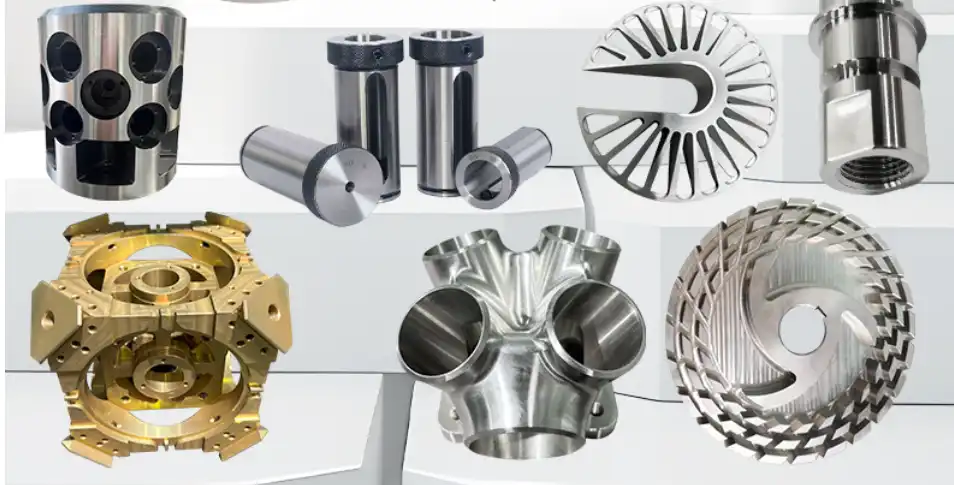
How to Pick the Best Material for Block Pocket Parts
Why a material's properties are important
When you choose the materials for the block cavity parts, you should think about how they will react with the polymers. How well the block cavity parts work with different polymers depends on what they are made of. You should pay close attention to things like how hard something is, how well it conducts heat, and how well it resists corrosion. Stainless steel is often used for strong polymers since it doesn't rust and lasts a long time. On the other hand, Al alloys can be used in places where heat needs to be moved quickly because they are good at doing that. How well the block cavity parts work, how long they last, and how good the whole thing is depend on the material you choose.
Materials that are often found in parts that fit into blocks
There are a lot of different materials that are used to make block cavity parts. Each has good and bad points. Steel, stainless steel, aluminum alloys, and beryllium copper are the main metals used to make tools. Tool steel is often used in places where sharp polymers can scratch it. Tool steel lasts a long time and is strong. People like stainless steel because it doesn't rust. It also works well with polymers that rust. Plenty of people like aluminum alloys since they are light and good at moving heat around. This makes them ideal for quickly cycling things. This type of copper isn't very common, but it can be useful in some polymer processing tasks because it doesn't wear down quickly and moves heat around very well.
What kinds of things are used to make polymers?
What kind of material is used for polymer processing block cavity parts makes a big difference. They can change how chemicals react with different materials, how heat moves, and how the surface looks. How fast the polymer cools down in the block cavity can depend on how well the material transfers heat. This could change the quality of the part and the time it takes to make it. People and things that aren't good with chemicals should not be mixed with some polymers. This could damage the processed polymer or parts of the block cavity. What the block cavity parts are made of and how they are made can also change how they look on the outside. The final polymer product may not look or work as well if this is done. When making things, it's important to think about how the materials work with certain polymers and how their properties change. This will help the process go smoothly and make good products.
Some ideas about how polymers can be put together
How safe are block cavity parts when it comes to chemicals?
There are various kinds of polymers, so it is important that the block cavities' parts are able to deal with various chemicals. Chemically, different polymers are more or less harmful, which could cause the materials inside the block holes to corrode or break down over time. Fluoropolymers can break down some metals, even though these metals are really tough when it comes to chemicals. If you work with polymers that rust, stainless steel block cavity parts are often the best choice because they can handle chemicals well. Some polymers might not work with stainless steel, though. Before processing, it's important to know the chemical properties of both the polymer and the block cavity material. If they do react, it could damage the parts or make the polymer dirty.
Things to Keep in Mind When Working with Heat and Polymers
Whether the parts are made with polymers while they are hot or cold makes a big difference in how well they work. To get the best results, you should pay close attention to how the polymer and the material that fills the block cavities react to heat. To find out if a material will work for a certain polymer processing job, you should check its thermal expansion, heat conductivity, and melting point. People often use aluminum alloy block cavity parts when they need to move heat quickly because they are so good at that. Polymers that work at high temperatures might not be able to use them, though, because they don't melt at those temperatures. When it comes to heat, tool steel can handle it, but it might not be as good at letting heat escape. These thermal properties need to be kept in balance so that the polymer processing is always the same and the block cavity parts stay the same size.
A firm base and a smooth surface
How well they work with polymers is different from how smooth the block's outside is. If the polymers are rough or have fillers in them, the holes can wear out very quickly. Finally, this might make the goods look bad on the outside and change their size. Work with rough polymers on strong surfaces that don't wear down quickly, like tool steel or steel that has been chrome-plated. There are several ways to change the parts of the block cavity, such as how they look and how well they work. Most of the time, a smooth finish is best. The parts look good, and the polymer is easy to take off. In other words, the surface must have certain textures in order for the finished product to have certain good or useful qualities. If you want block cavity parts to last and work well with other polymers, they need to be made of the right stuff and have the right finish.
The best way to use block cavity parts is to work with polymers
Coatings and treatments for the surface
It's important to treat and coat the surfaces of block cavity parts so that they work better with polymers. They get around some problems that come up when polymers are broken down, so the parts can work better and last longer after these stages. For example, nitriding can make the surface of steel parts that go into blocks harder, so they don't wear down as quickly. This makes it easier to work with rough polymers. PVD coatings, like titanium nitride or chromium nitride, can make it easier to remove polymer parts because they don't get scratched or worn down as quickly. PTFE coatings can also be used to keep things from sticking together, which is helpful when working with polymers. Which surface treatment or coating to use should be carefully thought out based on the polymer being used and the properties that are wanted in the finished product.
Things to think about when making something easier for people to use
How block cavity parts are made has a lot to do with how well they work with polymers. You can make things work better, parts last longer, and the polymers you process better if you pick the right design. This is one of the most important things to think about if you want to make sure that the heat is spread out evenly and that the polymer works quickly and consistently. It is important that the hole is shaped in a way that lets the polymer move through it easily. The stuff shouldn't be put in sharp corners or other places where it might get stuck. Some ventilation should be added so that any air that gets stuck can get out. This is what will keep the end result from being bad. For the shape to stay stable while it's being worked on, the designer should also think about how the polymer and the stuff inside the blocks will grow when they get hot. When designers think about these things, they can make block cavity parts that work well with certain polymers and are best for getting things done quickly.
Plans for maintenance and following up
It's important to make sure that maintenance plans work well so that block cavity parts can continue to work with polymers over time. Polymer residues and other contaminants can't build up on the cavity surfaces as long as you check them and clean them. The part may not work as well or wear out faster if these are present. People who work with polymers can find problems before they break parts or make products that aren't right if they keep an eye on the temperature and pressure. Plan to resurface or coat the cavity parts on a regular basis as part of preventative maintenance. This will help them last longer and keep working well. Smarter monitoring tools, like sensors built into the block cavity, can show temperature, wear, and other important factors right away. Now you know what to do to make sure that the block cavity parts that work with the processed polymers are always used together. This can be done by setting aside time for maintenance and making sure the best conditions are present for processing.
Conclusion
Last but not least, it is important to make sure that polymers and block cavity parts work well with each other so that manufacturing processes are quick and good. Pay attention to the materials you use, how you treat the surfaces, how to make the designs better, and how to keep the parts in good shape if you make block cavity parts. These things will help them last longer and work better. As technology improves, it will likely become faster and easier to work with polymers. Dongguan Junsion Precision Hardware Co., Ltd. is a company that you might want to work with. They can help you in a professional way and make sure that the polymer processing block cavity parts you buy are just what you need. To find out more about how our well-thought-out solutions can help you make more things, please email us at Lock@junsion.com.cn.
FAQ
Why do most polymer processing block cavity parts need to be made this way? What kinds of stuff are used?
Tool steel, stainless steel, aluminum alloys, and beryllium copper are all things that a lot of people use. Because they are different, they can be used to process polymers in different ways.
What does it matter what the block cavity is made of when processing vinyl?
How well it moves heat, how well it stands up to chemicals and wear, and how smooth the surface is will depend on the material you choose. The polymer that is worked with and how well the process works are all affected by these things.
How can the surface of block cavity parts be changed to make them work better with polymers?
Nitriding, PVD coatings, and PTFE coatings are all ways to improve the surface of something so it lasts longer, doesn't stick as much, and wears out less quickly.
Why does it matter that parts used to process polymers can move heat well?
When polymers are being made, thermal conductivity changes the way heat moves. It changes how fast the stuff cools, how long the cycle lasts, and how well everything works out.
How can parts that have block cavities be made better so that they can be used to work with polymers?
One way to make things work better and be of higher quality is to make the design of cooling channels better. Adding vents, making it easier for polymers to flow, and thinking about how the temperature will change over time are all things that need to be done.
References
1. Smith, J. (2020). "Advanced Materials for Injection Molding Tooling". Journal of Polymer Engineering, 45(3), 234-250.
2. Johnson, A. et al. (2019). "Surface Treatments for Enhanced Polymer Processing Performance". Materials Science and Technology, 35(2), 178-195.
3. Lee, S. & Park, H. (2021). "Thermal Management Strategies in Polymer Processing". International Journal of Heat and Mass Transfer, 163, 120461.
4. Brown, R. (2018). "Chemical Compatibility of Engineering Plastics with Mold Materials". Polymer Processing Journal, 29(4), 412-428.
5. Garcia, M. et al. (2022). "Advances in Mold Design for Optimized Polymer Flow and Cooling". Progress in Polymer Science, 124, 101452.
6. Wilson, T. (2020). "Predictive Maintenance Techniques for Polymer Processing Equipment". Journal of Manufacturing Systems, 55, 259-275.