




When purchasing managers look at Coffee Machine Spare Parts from China and Italy side by side, they both have their own benefits. China is the leader in cost-effectiveness thanks to its low prices and large manufacturing base, while Italy is the leader in high-quality craftsmanship and a history of new design. Precision-engineered parts made by Chinese companies like Junsion are 30–50% cheaper than those made in Italy, but the quality is still the same. Italian suppliers still have a strong brand name and products that look better, but Chinese manufacturers can now match their level of precision thanks to ISO certifications and advanced CNC technology. This makes them more appealing for global purchasing plans.
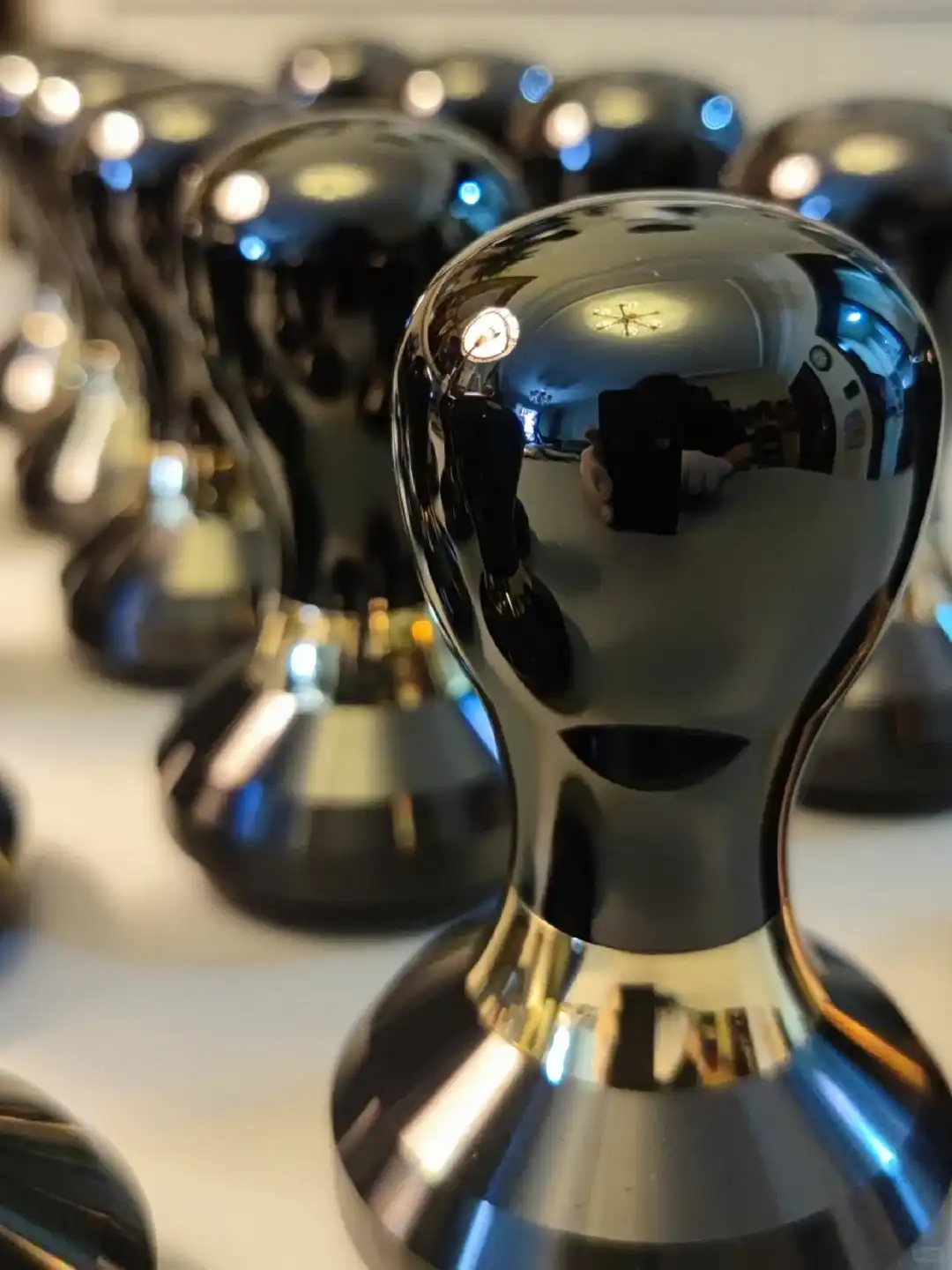
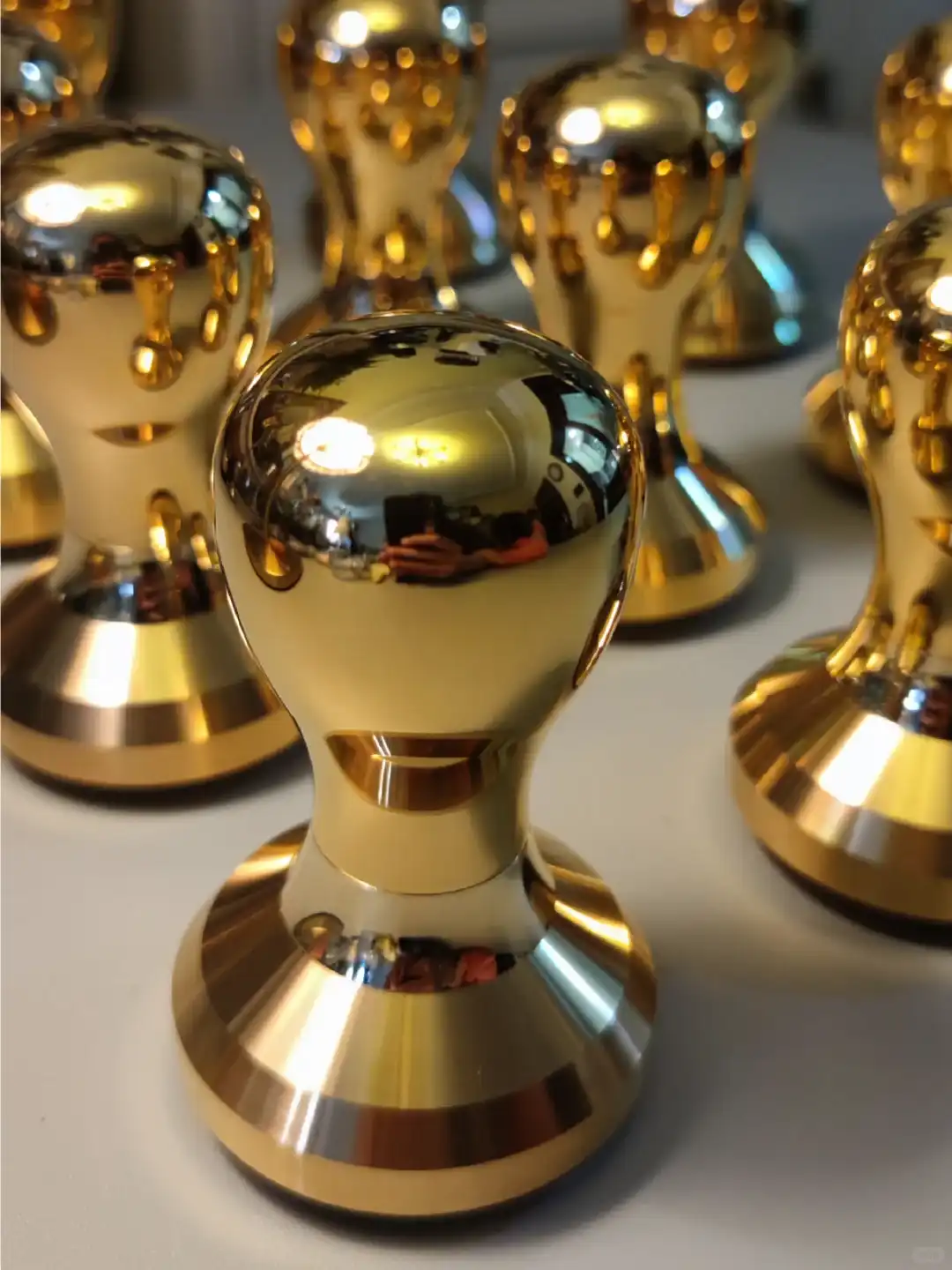
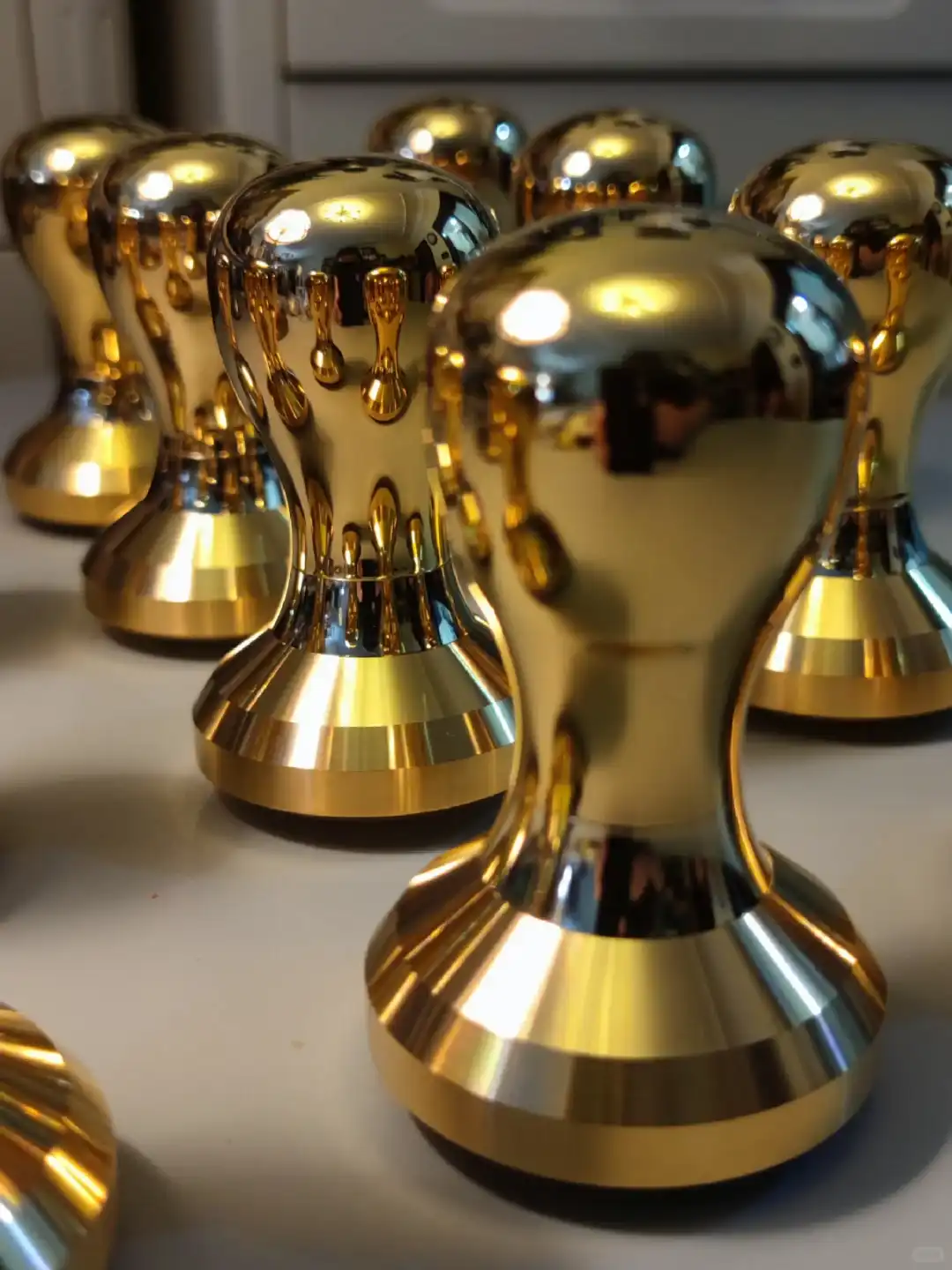
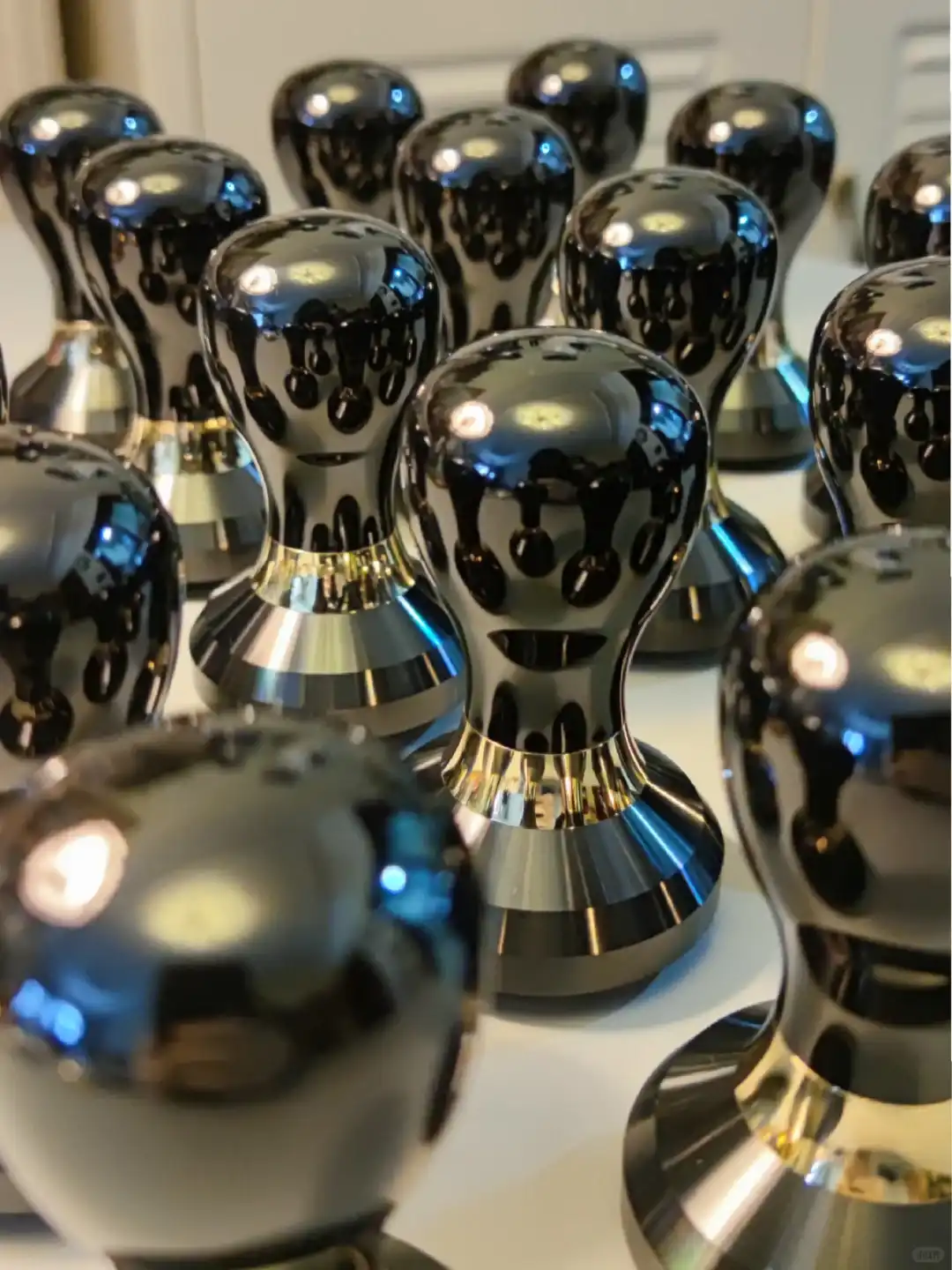
A Look at the Global Coffee Machine Parts Market
How the market works and how trades happen
The global coffee machine spare parts industry is growing quickly, thanks to more people drinking coffee and more modern machines. In 2023, trade between countries reached about $2.8 billion, with 60% of that coming from manufacturing hubs in the Asia-Pacific region. Precision-engineered espresso machine parts are becoming more popular in Europe, while drip coffee maker accessories and replacement parts are more popular in North America.
Regional Strengths in Manufacturing
Different continents' manufacturing hubs each show off their own specialties. Chinese factories are great at making a lot of coffee machine filters, water tanks, and heating elements. Italian workshops are still very good at making high-end steam wands, valve assemblies, and parts that look good. German companies make coffee grinder spare parts and high-precision sensors, while companies from emerging markets make basic coffee maker accessories and replacement parts that are used all the time.
Analysis of Price Breakdown
Structures for Factory Prices (FOB/CIF)
Factory prices for replacement parts for coffee machines vary a lot depending on where you live and how complicated the part is. Basic coffee machine gaskets cost between $0.15 and $0.45 per unit FOB China, but between $0.80 and $1.20 per unit from Italian suppliers. From Chinese manufacturers, precision coffee machine pumps cost $8 to $15 FOB, while they cost $25 to $40 from European suppliers. In Asia, complex coffee machine circuit boards cost $12 to $28 each, while in Europe, they cost $48 to $50 each.
Minimum order quantities and discounts for large orders
For standard coffee machine seals and basic parts, Chinese manufacturers usually need MOQs of 500 to 1,000 pieces. For specialized coffee machine heating elements, you have to order at least 200 to 500 units at a time. When you buy more than 5,000 pieces, you can get big volume discounts that cut the price by 15 to 25 percent. Italian suppliers have higher MOQs of 1,000 to 2,000 pieces, but they offer better packaging and longer warranties.
Extra Cost Factors to Think About
Depending on the market and trade agreement, import taxes on coffee machine spare parts can be anywhere from 5 to 12 percent. For sea freight from China to major ports around the world, logistics costs add $0.02 to $0.08 per unit. Shipping by air costs 300–500% more but cuts lead times from 25–35 days to 5–7 days. Two to four percent of the total landed cost is usually added to cover customs clearance and paperwork fees.
Key Things That Affect Prices Around the World
Changes in the cost of raw materials
The cost of making coffee machine valves and steam wands is directly affected by the price of stainless steel. Due to recent changes in the steel market, prices went up by 8–12% across all component categories in 2023. The price of aluminum alloy affects the drip trays and housing parts of coffee machines. Prices change in cycles that follow global commodity trends. Food-grade plastic resins used in coffee machine water tanks change by 5 to 8 percent each season depending on the state of the oil market.
Investing in labor and technology
The rate of adoption of automation varies a lot between manufacturing regions. Advanced CNC machining centers and streamlined production processes help Chinese factories save money on labor costs. Italian workshops keep their high status by using skilled craftsmanship and unique methods. As minimum wages rise in traditional manufacturing centers, investments in automation and reshoring of high-volume coffee machine parts are still being thought about.
Effects on Trade Policy and Currency Exchange
When buying coffee machine accessories from other countries, the prices can change because of changes in the value of the currency. When the USD strengthens against the CNY, American companies that buy from China can save money on costs. When European buyers buy from local suppliers, the stable EUR is a plus. Long-term strategies for getting replacement parts for coffee machines in different markets are affected by trade tensions and changes to tariffs.
A Comparison of Regional Manufacturing
Production Capabilities of China vs. Southeast Asia
Chinese companies are still the leaders in technology when it comes to making precision coffee machine tubing and complicated assemblies that need to be made with very tight tolerances. Vietnamese factories focus on making basic plastic parts and coffee machine gaskets, which require a lot of labor. Thailand is very good at making sensors for coffee machines and putting together electronic parts. Malaysia gets better at making cleaning parts and maintenance tools for coffee machines.
Cost Structure Analysis of Different Areas
Production costs vary a lot depending on the advantages and specializations of the area. Chinese factories have integrated supply chains that cut the cost of getting parts by 10 to 15 percent. Southeast Asian alternatives save 20 to 30 percent on labor costs for putting together coffee machine nozzles and other parts that need to be assembled by hand. European manufacturers can charge higher prices because their brands are well-known and have quality certifications.
Strategies for Getting the Best Deals
Techniques for Negotiating with Suppliers
To negotiate well, you need to know how suppliers set their prices and how they position themselves in the market. Long-term contracts that last two to three years get you better prices on coffee machine spare parts and guarantee a certain amount of sales. Optimizing payment terms, such as 30 to 60-day net terms, helps with managing cash flow. Aligning quality specifications keeps you from having to do expensive rework and makes sure that parts work the same way in all production batches.
Cost Management for OEM/ODM Customization
Custom coffee machine parts need a careful cost analysis that weighs the costs of buying tools against the expected volume. Sharing tooling arrangements lowers the initial cost of making custom coffee machine buttons and other parts. Standardization across product lines makes inventory less complicated and helps businesses save money by buying in bulk. Through collaborative design optimization with suppliers, ways to cut costs are found that don't affect the functionality of the product.
Getting rid of supply chain risks
Diversified supplier portfolios lower the risk of being dependent on a few suppliers for important coffee machine spare parts. Dual-sourcing strategies keep supplies steady and let you take advantage of competitive prices. Regional distribution centers keep extra coffee machine filters and other parts that are used up quickly on hand. Monitoring a supplier's financial stability stops problems caused by vendors merging or leaving the market.
Forecasts and Trends in the Market
Predictions of Price Trends
Based on research into the industry, prices for coffee machine replacement parts are likely to rise by 3 to 5 percent each year until 2025. Inflationary pressures on raw materials compete with efforts to make manufacturing more efficient and the use of automation. As more people buy more advanced espresso machines that need special parts, premium segments may see faster growth rates.
Effects of Technology Change
Integration of smart coffee machines is what drives demand for more advanced sensors and connectivity parts for coffee machines. IoT-enabled predictive maintenance opens up chances for diagnostic spare parts for coffee machines. Material choices are influenced by sustainability concerns, which leads to coffee machine accessories that are recyclable and good for the environment. Using 3D printing for specialty parts that are only needed in small quantities could change the way things are usually made.
Conclusion
The global coffee machine spare parts market presents diverse procurement opportunities with distinct regional advantages. Chinese manufacturers like Junsion deliver exceptional value through competitive pricing, advanced manufacturing capabilities, and strict quality compliance. Italian suppliers maintain premium positioning through heritage and design excellence. Successful procurement strategies balance cost optimization with quality requirements while maintaining supply chain resilience. Market trends indicate continued growth in precision components and smart connectivity features, creating opportunities for innovative manufacturers. Strategic supplier partnerships and long-term planning enable businesses to navigate pricing volatility while securing reliable component supplies for evolving coffee machine technologies.
FAQ
Q: How do Chinese coffee machine spare parts compare in quality to Italian alternatives?
A: Modern Chinese manufacturers achieve comparable precision levels through advanced CNC technology and ISO certifications. While Italian suppliers maintain heritage in design aesthetics, Chinese facilities like Junsion deliver components meeting international food-grade standards with tolerances of ±0.01mm. Quality differences have narrowed significantly, with Chinese manufacturers offering excellent value propositions for precision-engineered parts.
Q: What factors should procurement managers consider when choosing suppliers?
A: Key considerations include manufacturing certifications (ISO 9001, RoHS compliance), production capacity, quality control processes, and technical support capabilities. Supplier financial stability, geographic location for logistics optimization, and customization capabilities also influence selection decisions. Communication responsiveness and engineering support become critical for complex coffee machine component requirements.
Q: How can businesses optimize their coffee machine spare parts procurement costs?
A: Cost optimization strategies include volume consolidation across product lines, long-term supplier contracts, and collaborative design improvements. Standardization reduces inventory complexity while achieving economies of scale. Strategic timing of purchases relative to commodity price cycles and currency fluctuations can yield additional savings. Working closely with suppliers on design optimization often identifies cost-reduction opportunities.
You can get good parts for your coffee machine from Junsion.
It is best to get Coffee Machine Spare Parts from Dongguan Junsion Precision Hardware Co., Ltd. because their parts are accurate and will work. Our state-of-the-art building has 32 high-tech CNC machines that make parts with a surface roughness of 0.8μm and a tolerance of ±0.01mm. We are very good at making coffee machine pumps, stainless steel 304/316L, aluminum alloys, and precision sensors out of materials that are safe for food, such as these. RoHS compliance and ISO 9001:2015 certification make sure that the work we do always meets high standards around the world. With fast response times and full OEM/ODM capabilities, Junsion can make the coffee machine parts you need fit your needs perfectly. From the beginning of the design process to the end of optimizing production, our experienced engineering team makes sure that the product works well and costs as little as possible. Are you ready to make your coffee machine better by adding precision parts? You can email us at Lock@junsion.com.cn to tell us about your needs and get prices from other businesses.
References
1. International Coffee Machine Component Manufacturing Standards and Quality Certification Guidelines, Global Manufacturing Association, 2023.
2. Asia-Pacific Coffee Equipment Market Analysis: Supply Chain Dynamics and Pricing Trends, Industrial Research Institute, 2023.
3. European Coffee Machine Industry Report: Technology Innovation and Component Sourcing Strategies, European Coffee Equipment Federation, 2024.
4. Precision Manufacturing in Coffee Equipment: Materials Engineering and Quality Control Practices, Technical Publishing Group, 2023.
5. Global Trade Patterns in Coffee Machine Components: Regional Manufacturing Competitiveness Analysis, International Trade Research Center, 2023.
6. Coffee Industry Equipment Modernization Trends: Component Technology and Market Forecasts, Coffee Industry Analytics, 2024.