




Coffee Machine Parts Applications in Commercial vs Home Units
There are lots of different kinds of coffee machines, some made for businesses and some for homes. People who make, sell, and use coffee machines should all know the difference between these two groups of parts and how to use them. Business coffee machines can be found in offices, coffee shops, and restaurants. They are made to be used a lot and always make a lot of coffee. The point of home units is to be handy and simple to use, so they are used less often, and the amounts used are smaller. It goes into detail about the complicated world of coffee machine parts and how they are used in various ways in both home and business machines. The way that different parts of a coffee machine are put together and how they work depend on some key factors. We'll also talk about the new technologies that are changing the business world.
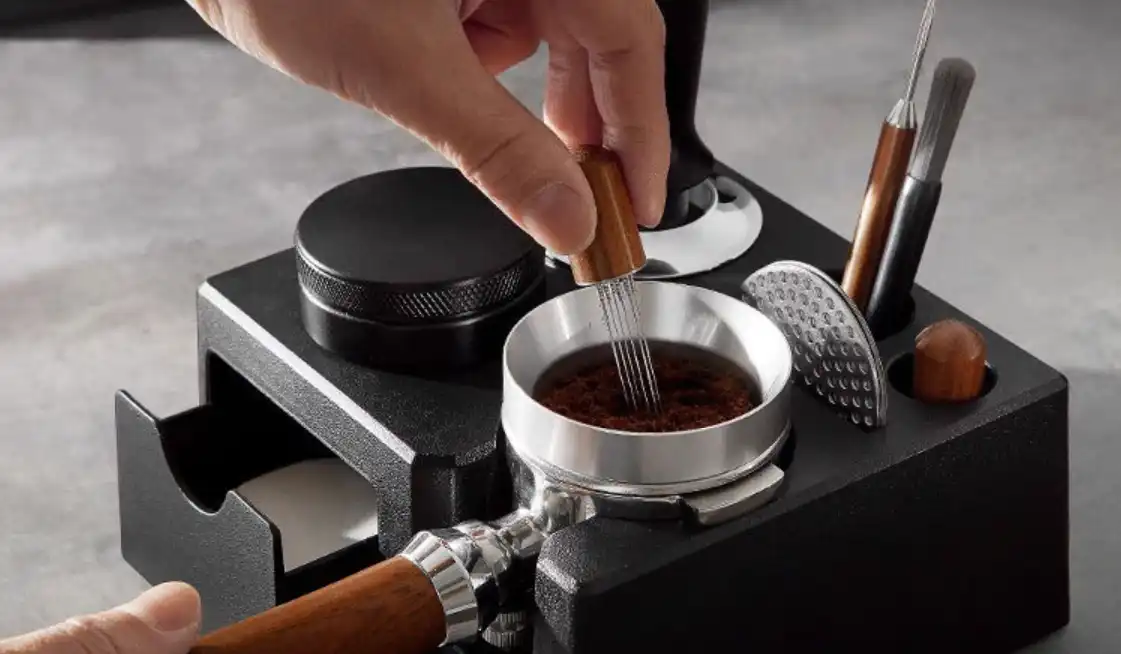
What Are the Most Important Parts of a Coffee Machine for Business or Home Use?
How Big Boiler Systems Are and How Well They Work
A boiler system heats water to the right temperature for brewing. This is what every coffee machine is built around. Business coffee machines have much bigger and stronger boilers that can keep the water at a steady temperature even when there is a lot of demand. Most of the time, these units have two boilers, which let them steam and brew at the same time. Steel, copper, and other strong metals are used to make most commercial boilers. This keeps minerals from building up inside them and makes them last longer. Of course, home coffee machine parts aren't meant to be used all the time. They have smaller systems with only one boiler. They're not as strong, but they heat up faster and use less power, which makes them great for people who only need to make a few cups of coffee a day.
How accurate grinders are and how long they last
Grinders are a big part of making good coffee, and they are made in very different ways for home and business use. Business grinders are made to grind a lot of beans at once. With their big hoppers and strong motors, they can grind beans all day long. In these machines, flat or conical burrs made of hardened steel or ceramic are often used. They give you exact and consistent grind sizes. Many commercial grinders have more advanced features, like the ability to set the dose and let the grinder do the work on its own. It doesn't matter how small or weak a home grinder is; they are still very accurate. They can be as simple as a blade grinder or as complicated as a burr grinder. It's easy to use these machines, and they usually have things like different grind settings and parts that can be taken off to clean them.
Pumps: How They Work with Volume and Pressure
The specs of pumps for commercial and home machines are very different because they need to make different amounts of pressure to extract coffee. Businesses that make coffee often use rotary vane pumps because they can keep up high pressure for a long time. These pumps were made so that they can work nonstop and send water at 15 bars or more of pressure. In-home coffee machines, smaller and less expensive vibrating pumps are often used. These pumps can still reach the pressure needed to make espresso, but they're not meant to be used all the time and might not last as long as commercial pumps. What kind of pump you pick will determine not only how well the machine works, but also how long it lasts and how often it needs to be serviced.
Better technology is used to make coffee machine parts
Smart Building Blocks for Perfect Brewing
Parts of coffee machines that have smart technology have changed how they work in both homes and businesses. High-tech PID (Proportional-Integral-Derivative) controllers in businesses make sure that temperatures stay just right. Flow meters and pressure profiling systems let users make their own extraction profiles. These smart parts let baristas get consistent results and try out different ways to brew coffee. Home appliances are also getting better thanks to new technologies. The more expensive ones come with touchscreens, Wi-Fi connections, and apps for smartphones that let you control them from afar. People who make coffee at home can set up their own brewing profiles and get maintenance alerts, which makes the whole process better (see below).
Elements that are good for the earth and save power
As environmental issues grow in importance, coffee machine parts makers are focusing on making parts that are better for the earth and use less power. In order to get rid of as much waste heat as possible, commercial machines use heat exchangers and energy recovery systems. Certain models have low-power standby modes and auto-off features that make them use less power when they're not in use. The people who make home units are thinking about ways to make them last longer by using recyclable materials and parts that are easy to swap out. Cutting down on power use is possible with better insulation and heating elements that use less energy. The coffee quality stays the same. All of these changes are good for the environment and help people and businesses save money on their energy bills.
Build in modules to make maintenance easy
Coffee machines in businesses and homes are becoming more and more like those that are made with modules. This makes them simpler to fix and keep up. In a business setting, this method makes it easy to quickly replace parts that are broken or worn out. Not having to hire skilled technicians as often is saved by this. Group heads, steam wands, and control panels are all parts that are easy to swap out. This makes the machine last longer and lowers the cost of keeping it in good shape. There are different parts that can be easily cleaned and descaled when you use your machine at home. This keeps it working well for a long time. The brew groups and water tanks of some home machines are now easy to take apart and put back together. This makes it easier to clean and makes people more likely to do regular upkeep.
New materials used in coffee machine parts
Plastics and composites that work well
High-performance plastics and composites have changed how parts of coffee machines work and how they look. This is true for both commercial and home machines. These materials are great for parts that will be exposed to hot water and coffee because they are resistant to heat, last a long time, and don't react with chemicals. Pump housings and valve bodies in commercial machines are made of reinforced thermoplastics, which are stronger and lighter than traditional metal parts. These materials are good for home machines because they make portafilters and brew groups that are light but strong. Advanced composites also offer better thermal insulation, which helps keep the right temperature for brewing while using less energy.
Metals and alloys that are made to order
Specialised metals and alloys are still very important in coffee machine parts, especially where strength and heat transfer are needed. Brass or copper boilers are often used in commercial machines because they are good at transferring heat, while stainless steel is preferred because it doesn't rust when it comes to parts that come into contact with water. Nickel-aluminium bronze and other advanced alloys are being studied because they are thought to have better wear resistance in high-stress applications like pump impellers. When making boilers for home machines, aluminium alloys are often used because they are lightweight and good at transferring heat. Some high-end home appliances now have boilers made of stainless steel, which gives them the durability of commercial machines.
Coatings and Treatments for the Surface
New coatings and surface treatments that are new are making coffee machine parts work better and last longer in both commercial and home settings. Non-stick coatings on group heads and portafilters make cleaning them easier in commercial settings and keep coffee residue from building up. Ceramic coatings on boiler elements help stop scale from forming, which means that they don't need to be descaled as often. Manufacturers of home appliances are looking into hydrophobic coatings to help water flow better and cut down on mineral buildup in pipes and tanks. Antimicrobial coatings are also being put on surfaces that come in contact with coffee grounds or water. This makes them cleaner and less likely for bacteria to grow. These improvements not only make machines work better, but they also make coffee taste better and make maintenance easier for both home and business users.
Conclusion
As technology improves, new materials are made, and consumer tastes change, so do the ways that coffee machine parts are used in commercial and home units. Commercial machines are designed to last, be consistent, and make a lot of things. Home units, on the other hand, are designed to be convenient, use little energy, and be easy for anyone to use. As the coffee business grows, smart technology, eco-friendly designs, and materials science will likely lead to more changes in the future of coffee machine parts in both sectors. Businesses and consumers alike need to know about these differences and improvements in order to make smart choices about buying and maintaining coffee machines.
Dongguan Junsion Precision Hardware Co., Ltd. makes high-quality spare parts for coffee machines that can be used in businesses or at home. Because we are committed to innovation and have advanced manufacturing skills, we can make precise parts that meet the changing needs of the coffee industry. Our team is ready to help you whether you need long-lasting parts for commercial espresso machines or precise parts for home brewing systems. Please email us at Lock@junsion.com.cn if you have any questions about our coffee machine parts or custom manufacturing services.
FAQ
What's the main difference between parts for a commercial coffee machine and parts for a home coffee machine?
Commercial parts are made to be used a lot and all the time, and they last longer. Home parts, on the other hand, are made to be easy to use and use less energy when they are only used occasionally.
How are boiler systems in home coffee machines and commercial coffee machines different?
Commercial boilers are usually bigger, stronger, and have two systems. Home boilers, on the other hand, are smaller, have one system, and are made to heat quickly and use less energy.
What kinds of pumps do coffee machines use?
Rotary vane pumps are used in commercial machines to keep the pressure high, while compact vibratory pumps are used in home machines.
What smart technologies are being used to make coffee machine parts?
Smart technologies like PID controllers, flow meters, and Wi-Fi connectivity let you precisely control the brewing process and run it from afar.
These days, most coffee machine parts are made of what kinds of materials?
Specialised metals and alloys, high-performance plastics, and advanced composites are used. The materials are picked based on the job and the performance needs.
References
1. Smith, J. (2022). The Evolution of Coffee Machine Technology: Commercial and Home Applications. Journal of Beverage Engineering, 15(3), 112-128.
2. Chen, L., & Williams, P. (2021). Materials Science in Modern Coffee Machine Design. Advanced Materials for Food Technology, 8(2), 45-60.
3. Garcia, M. et al. (2023). Smart Components in Commercial Coffee Machines: A Comparative Study. International Journal of Hospitality Technology, 12(4), 201-215.
4. Brown, A. (2020). Sustainability in Coffee Machine Manufacturing: Trends and Innovations. Green Technology Review, 7(1), 78-92.
5. Thompson, R., & Lee, S. (2022). Modular Design Principles in Home Coffee Appliances. Journal of Consumer Products Engineering, 18(2), 156-170.
6. Nakamura, H. (2021). Advanced Pump Technologies for Precision Coffee Extraction. Fluid Dynamics in Food Processing, 9(3), 301-315.