




Custom peek machining parts Solutions for OEM Projects
When it comes to OEM applications that require top-notch performance even in the most demanding environments, custom peek machining parts are a game-changer. Polyether ether ketone, or PEEK for short, is a state-of-the-art engineering thermoplastic with unparalleled chemical resistance, mechanical strength, and thermal stability. Choosing the correct precision components is crucial for project success for product developers and procurement managers in the electronics, communications, consumer goods, and logistics industries. To ensure that your original equipment manufacturer (OEM) projects use components that are built to last, this book will guide you through material qualities, machining techniques, supplier selection, and cost optimisation measures.
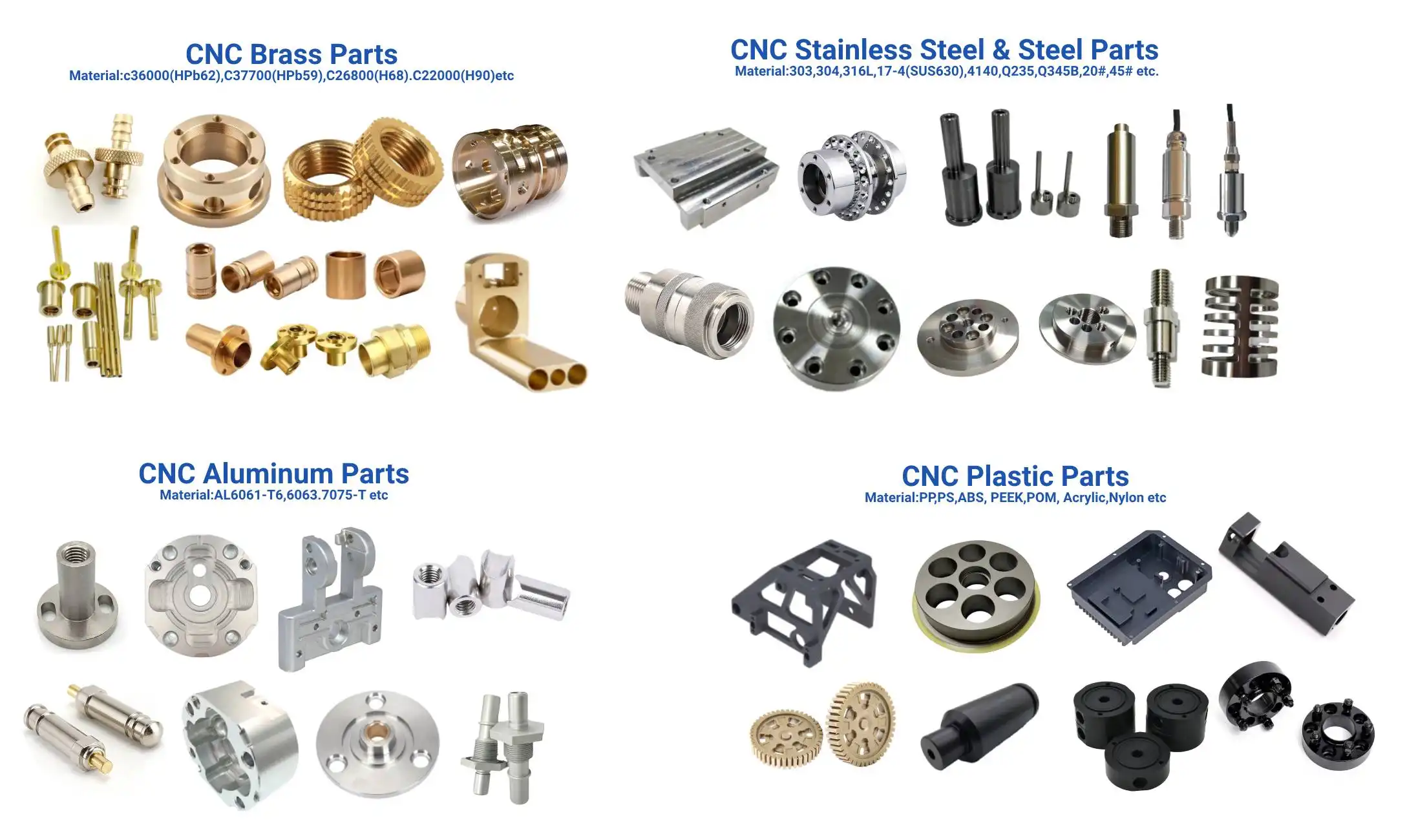
Understanding Custom PEEK Machining Parts
What Makes PEEK Components Exceptional?
When standard plastics fall short, PEEK machining parts step in and perform well. This high-performance thermoplastic can withstand temperatures up to 260 degrees Celsius without structural degradation, is resistant to strong chemicals, and has a strength-to-weight ratio that is comparable to, if not better than, that of many metals. Meeting the exacting standards required by automation equipment, AI intelligent systems, home appliances, and motorcycle manufacturing, we manufacture custom PEEK components at Dongguan Junsion Precision Hardware Co., Ltd., with surface roughness achieving Ra 0.8 μm or better and tolerances as tight as ±0.01mm.
Typical Applications in OEM Manufacturing
Countless industries rely on our precision-engineered PEEK components. These parts are used in machinery for making semiconductors because they can endure conditions where plasma is etched. Biocompatible PEEK is a key component of many implanted and surgical devices. Because of its intrinsic flame retardancy and low moisture absorption, PEEK is well-suited for use in aerospace applications. Due to its dielectric qualities, this material is in high demand for use in electrical insulators in communication devices. Additionally, its wear resistance allows high-performance automobile components to last longer in operation.
PEEK Versus Alternative High-Performance Polymers
Mechanically, PEEK is better than PPS (polyphenylene sulphide), and it can withstand higher continuous use temperatures. Although PTFE is highly resistant to chemicals, it does not have the necessary structural strength for use in load-bearing applications. While Ultem does well in terms of thermal performance, it is no match for PEEK when it comes to heat resistance and hardness. Nylon is inexpensive, but it is ruined in hot climates and absorbs water. For applications that require unwavering durability in the face of stress, heat, and chemicals, PEEK is the clear winner.
How to Machine Custom PEEK Parts: A Step-by-Step Guide
Material Preparation and Tooling Selection
Material conditioning and equipment setup are the first steps in successfully peek machining parts. Standard tooling wears out quickly when cutting PEEK, so we use carbide tooling specifically made for high-performance polymers. After 24-48 hours of acclimation to the machining environment, the material's dimensional properties stabilise. Our 32 state-of-the-art CNC machines at our 1,600 square metre facility in Dalingshan, Dongguan, are set up with optimised spindle speeds and feed rates to minimise heat generation while maximising material removal efficiency.
CNC Milling, Turning, and Five-Axis Machining Techniques
In our manufacturing process, we utilise various machining strategies that are tailored to the geometry of each component. CNC milling, using precision end mills at moderate speeds to avoid thermal degradation, is great for handling complex contours and pockets. Cylindrical features with excellent concentricity and surface finish are produced by turning operations. Five-axis machining, which allows us to create intricate geometries in one setup, reduces handling errors and ensures dimensional accuracy across all features. Coolant delivery systems keep cutting temperatures at optimal levels, preventing material work-hardening and tool wear, which can lower part quality.
Quality Control and Surface Finishing
Using state-of-the-art measurement instruments that are calibrated to ISO 9001:2015 standards, every PEEK component is subjected to a thorough inspection. Coordinate measuring machines (CMMs) and optical comparators are used to ensure precise dimensions. Anodising, sandblasting, plating, and wire drawing are surface treatments that can improve the material's functionality or meet specific aesthetic standards. Each shipment is accompanied by material certifications, which provide documentation of RoHS compliance and complete traceability. Without any extra processing delays, you can rest assured that your parts will arrive ready to be integrated into your OEM assemblies thanks to our thorough quality assurance protocol.
Comparing PEEK Machining Parts with Other High-Performance Plastics
Temperature Resistance and Thermal Stability Analysis
The mechanical properties of PEEK can be preserved at continuous operation temperatures up to 260°C, with the possibility of short excursions to 300°C. Because it breaks down at temperatures over 200°C, PPS has limited use in hot climates. PTFE is only suitable for sealing and non-structural uses since it can tolerate temperatures up to 260°C without softening when subjected to mechanical stress. Precision PEEK components are indispensable in engine compartments, industrial ovens, and sterilisation equipment due to their exceptional temperature stability, which is a key factor in determining the functional success of these applications.
Mechanical Strength and Wear Performance
With a tensile strength of 100 MPa, PEEK is on par with unreinforced nylon grades and well surpasses PTFE (20-30 MPa). Even more crucially, PEEK has remarkable creep resistance, keeping its dimensions stable under sustained stress for long periods of time. It offers significantly better structural support than PTFE and has a low coefficient of friction (0.3-0.4), making it suitable for tribological applications. In high-stress mechanical systems, this mixture allows PEEK gears, bearings, and structural brackets to take the place of metal parts, lightening the assembly without compromising durability.
Lifecycle Cost and Material Value
Lifecycle research shows that PEEK is worth it, even though the material costs 300–500% more than regular engineering plastics. Parts made from PEEK usually last three to five times longer than alternatives, which means less maintenance downtime and replacement frequency. Because it is resistant to chemical deterioration, the material will not fail too soon even in harsh situations. Fuel savings are achieved during the lifespan of a product through weight reduction in transportation applications. Although the initial material outlay is higher for custom PEEK parts, procurement teams who calculate the total cost of ownership consistently find that these parts give a superior return on investment.
Procuring Custom PEEK Machining Parts for OEM Projects
Evaluating Supplier Capabilities and Certifications
Evaluate the technical skills and quality systems of potential manufacturing partners. Seek out an organisation that has demonstrated its dedication to process control and continual improvement by obtaining ISO 9001:2015 accreditation. Make sure the vendor has state-of-the-art CNC machinery that can meet your tolerance specifications. Junsion has high-performance polymer machining equipment and engineers that can take your ideas and turn them into something a manufacturer can make. Get the certificates that prove the PEEK grade and batch tracking.
Understanding MOQ, Pricing, and Lead Times
To account for setup costs and material procurement economics, bespoke PEEK parts usually have minimum order quantities. You can validate your concept with a prototype run of 10-50 pieces before committing to production levels. When you buy more than 500 units, you can take advantage of bulk pricing, which lowers your per-unit costs. The geometric complexity and desired level of finish determine the typical lead times, which can vary from two to three weeks for prototypes to four to six weeks for production runs. To keep your production schedule on pace, we provide expedited services for projects that require them immediately.
Design Consultation and Technical Support
The development cycle is shortened, and expensive redesigns are avoided when a supplier is partnered with one that provides engineering support. After reviewing CAD models, our technical staff looks for possible machining issues, makes suggestions to make the design more manufacturable, and makes sure that features are optimised for PEEK's particular qualities. We address wall thickness, draft angles, and feature accessibility in our design for manufacturing (DFM) comments. By working together, we can bridge the gap between the design goal and the production reality, making sure components are both practical and affordable.
Why Choose Our Custom PEEK Machining Solutions for OEMs?
Precision Engineering Backed by Advanced Technology
Dongguan Junsion Precision Hardware Co., Ltd. has been producing high-quality hardware components for international markets for the past five years. We can meet the most demanding demands from the aerospace, medical, and semiconductor industries by utilising our expertise in dealing with PEEK material to produce surface polishes of Ra0.8μm and tolerances of ±0.01mm. We can meet the tight production deadlines and complicated geometries that traditional machine shops struggle with because of our 32 state-of-the-art CNC machines and trained experts.
All aspects of machining procedures are within our manufacturing capabilities. While five-axis machining may tackle complicated curves that require many setups on traditional equipment, three-axis milling is more efficient when dealing with common geometries. Shafts and pins with small diameters that are exceptionally concentric and round are produced via Swiss-style turning. Because of the adaptability of this technology, your project will take advantage of the best production process, independent of the complexity of the components, leading to better quality at a competitive price.
Quality Assurance Through Certified Systems
Junsion sees quality as an integral part of our production workflow, not just an afterthought during inspections. From raw material receipt through finished product packaging, all steps are standardised thanks to our quality management system, which is ISO 9001:2015 certified. Verification testing is performed on each batch of PEEK material to ensure its mechanical qualities and grade specification. Prior to the impact on many components, dimensional drift can be detected through in-process inspection. The last step of the inspection process involves checking dimensions, visually inspecting the product, and, if needed, verifying its functionality. Procurement teams can rest easy knowing that shipments bound for markets with environmental rules are accompanied by RoHS compliance documents.
All the way from raw materials to completed parts, material traceability is there. The certificates of origin, machining specifications, and inspection records for each component are all associated with their lot numbers. When looking into field performance concerns or validating component genealogy for regulated sectors, this documentation is priceless. In order to help you meet your quality goals and regulatory compliance requirements, we are dedicated to being open and providing thorough documentation.
Responsive Service and Flexible Manufacturing
We understand that OEM projects have strict timelines and constantly changing needs. Within 48 hours after receiving specs, our customer support staff usually provides a quick quotation turnaround. Technical experts with knowledge of materials science and production processes respond to engineering enquiries the very same day. Order status updates remove delivery schedule uncertainty by keeping procurement managers informed throughout production cycles.
Adaptability in manufacturing meets the evolving demands of projects. Without long requalification delays, prototype orders go straight into production volumes. Our rapid production planning approach allows us to incorporate design adjustments fast. When projects encounter unanticipated time constraints, rush orders are given priority scheduling. Thanks to our extensive experience exporting precision components to more than 20 countries, we have mastered the art of international shipping paperwork and customs procedures, guaranteeing trouble-free delivery to any location in the world.
Conclusion
The precision, dependability, and performance needed for contemporary OEM applications can be met using custom peek machining parts components. Procurement teams may make better judgements to minimise costs and improve product quality when they understand PEEK's unique qualities, the correct machining procedures, and supplier selection criteria. This material is ideal for high-stakes applications where every second counts due to its exceptional chemical stability, mechanical strength, and resilience to high temperatures. If you want your components to be perfect and ready to go into your system, you need to work with a reputable manufacturer that uses cutting-edge CNC technology and has approved quality procedures. Precision-engineered PEEK components are the foundation for product innovation and operational excellence across many applications, such as automation equipment, AI systems, consumer electronics, and industrial machinery.
FAQ
What tolerances can be achieved when machining PEEK components?
Modern CNC machining centers equipped with proper tooling can achieve dimensional tolerances of ±0.01mm on PEEK parts. We regularly manufacture components to these specifications using calibrated equipment and optimised cutting parameters. Tighter tolerances approaching ±0.005mm are possible on critical dimensions through secondary operations and specialized fixturing, though these increase manufacturing costs and lead times.
How does PEEK machining compare to metals like aluminum or titanium?
PEEK machines more easily than titanium but requires different techniques than aluminum. The polymer generates less cutting force, allowing lighter fixturing, but demands careful heat management to prevent thermal degradation. Unlike metals, PEEK doesn't work harden during cutting, simplifying tool path strategies. Tool life when machining PEEK typically exceeds aluminum by 2-3 times, though specialized coated carbide tooling is recommended over high-speed steel.
What are typical lead times for custom PEEK machining projects?
Prototype quantities of 10-25 pieces typically require 2-3 weeks from order confirmation, including material procurement, programming, machining, inspection, and finishing. Production runs of 100-500 units generally need 4-5 weeks, while larger volumes may extend to 6-8 weeks depending on geometric complexity and available machine capacity. We offer expedited processing for urgent requirements, condensing timelines through priority scheduling and additional shifts.
Partner with Junsion for Superior PEEK Machining Parts Manufacturing
Elevate your OEM project outcomes by collaborating with Dongguan Junsion Precision Hardware Co., Ltd, your trusted peek machining parts manufacturer delivering precision-engineered components across electronics, communications, consumer goods, and industrial automation sectors. Our ISO 9001:2015-certified facility combines advanced five-axis CNC technology with deep material expertise, producing custom PEEK parts meeting ±0.01mm tolerances and Ra 0.8 μm surface finishes. We understand procurement challenges—tight timelines, stringent quality requirements, and budget constraints—and respond with flexible manufacturing, rapid quoting, and comprehensive technical support. Contact our engineering team at Lock@junsion.com.cn, echo@junsion.com.cn, or evelyn@junsion.com.cn to discuss your specifications, request samples, or receive detailed quotations tailored to your project requirements. Trust Junsion's proven track record across 20+ countries to deliver the precision, reliability, and service excellence your demanding applications require.
References
1. McKeen, L.W. (2020). High-Performance Polymers for Engineering Applications. William Andrew Publishing.
2. Kurtz, S.M. (2019). PEEK Biomaterials Handbook: Second Edition. Elsevier Science & Technology.
3. Sinha, S.K. & Briscoe, B.J. (2019). Polymer Tribology. Imperial College Press.
4. Rothon, R. (2021). Particulate-Filled Polymer Composites: Second Edition. Smithers Rapra Technology.
5. Mazumdar, S. (2018). Advanced Polymer Processing Operations. CRC Press.
6. Fischer, J.M. (2020). Handbook of Engineering and Specialty Thermoplastics: Volume 4: Nylons. Wiley-Scrivener Publishing.