




Electronic Watch Clasp Manufacturer for OEM Watch Brands
OEM brands wanting precision, durability, and unique design must choose the proper electronic watch clasp maker in today's competitive smartwatch and electronic wristwatch industry. Advanced materials like stainless steel and aluminum, with electronic components like charging contacts, make modern electronic watch clasps a major improvement over mechanical ones. These elegant clasps are corrosion-resistant, durable, and compatible with many strap styles while matching modern watch designs with subtle, low-profile styling. Leading manufacturers now offer OEM services like customizable surface treatments, precision CNC machining, and ISO 9001:2015 and RoHS-compliant quality control, allowing watch brands to meet high consumer expectations in the fitness tracker and luxury smartwatch segments.


Understanding Electronic Watch Clasps: Mechanism, Types, and Advantages
Electronic watch clasps are a major improvement in how watches are fastened, setting themselves apart from regular mechanical clasps by using electronic parts and offering better features. The fundamental mechanism incorporates precision-engineered metal components that house electronic elements while maintaining the core fastening capabilities that secure watch straps to users' wrists.
Basic Mechanisms and Key Components
Modern electronic watch clasps use numerous interconnected technologies to work together. Precision-machined housings made of stainless steel or aluminum provide robustness while accommodating delicate electrical components. Springs guarantee seamless fastening and release, and specialized sealing systems safeguard inside electronics against moisture and environmental pollutants.
Electronic components in these clasps serve different tasks depending on the application. Sensor attachment points provide health monitoring, and charging contact integration powers smartwatch batteries. Advanced watches have wireless connection modules that allow data exchange between the watch and external devices, beyond timekeeping.
Common Types Used in OEM Manufacturing
Electronic watch clasps vary by market sector due to differing needs. Deployment clasps are popular for corporate and luxury watches due to their secure fit and professional appearance. These clasps bend to equally transfer force throughout the strap, decreasing wear and prolonging product life.
Strong neodymium magnets make magnetic clasps easy to fasten and secure during exercise. The magnetic system reduces buckle procedures, appealing to consumers who value convenience and quick adjustment. Magnetic fields are contained by careful engineering to avoid interfering with sensitive electronics.
Multiple sensors and communication capabilities are built into smart clasps, the most advanced type. These advanced designs allow continuous health monitoring, activity tracking, and smartphone integration. Smart clasps require complex production and rigorous quality control to operate reliably in varied environments.
Advantages Across Different Market Segments
Mechanical watch clasps lack the advantages of electronic ones. Advanced materials and careful production generate durable components that can sustain repeated use. Sports and outdoor watches require corrosion resistance since sweat, water, and environmental conditions can damage metal components.
Ergonomic design and smooth-functioning mechanisms reduce sharp edges and rough surfaces, improving comfort. The low-profile design fits current watches and allows electronic component integration. Battery efficiency improvement reduces integrated electronics power usage, saving watch battery life for core functionality.
Mechanical and electronic components are waterproof thanks to advanced sealing systems. This is vital for fitness trackers and sports watches that are frequently submerged in water while swimming or doing hard workouts. OEMs can tailor clasp design and functionality to brand and market needs.
Choosing the Right Electronic Watch Clasp for Your OEM Brand: A Decision Support Framework
Selecting appropriate electronic watch clasp solutions requires systematic evaluation of multiple factors that influence both manufacturing efficiency and end-user satisfaction. The decision-making process starts with a detailed look at where the brand stands in the market and who the target customers are, then it moves on to evaluating how well the clasps perform.
Defining Watch Buyer Profiles and Brand-Specific Demands
Understanding customer segmentation helps choose clasps that fit user expectations and brand values. Users of sports watches value water resistance, durability, and fast-release straps for sporting modifications. Customers who exercise vigorously and expose watch components to the environment.
For value, luxury watch purchasers desire beauty, premium materials, and enhanced functions. Luxury watch buyers expect superior performance, design, and functionality over mass-market models. The process for selecting electronic watch clasps must feature durability and a timeless style that stays fashionable.
Casual watch wearers desire reliable performance, comfortable wear, and simple operation at low pricing. This category values practicality above complexity; therefore, clasps must be affordable and high-quality. Understanding these preferences aids material, feature, and manufacturing selection.
Core Performance Metrics Evaluation
Technical specifications are thoroughly reviewed to ensure clasp designs meet operational requirements throughout the product lifespan. To estimate component longevity, durability testing includes stress analysis under repeated fastening cycles, impact resistance, and long-term wear. Clasps must survive 10,000 to 50,000 operations without performance degradation, depending on target market positioning, per industry requirements.
When clasp mechanisms use electronic components, battery life becomes important. Power consumption optimization involves low-power electronic components and effective circuit design to conserve primary watch batteries. Operating duration between charging cycles is extended by advanced power management technologies that activate components based on usage patterns.
Product lifecycle, production, and service efficiency depend on installation ease. Modular clasps allow field replacement and speedy assembly during production. Maintenance accessibility lets technicians perform routine services without specific equipment or expertise.
Comparative Analysis and Recommendations
A systematic evaluation of clasp technology shows performance trade-offs that affect selection. Magnetic clasps are convenient but may need shielding to prevent electronic interference. Smart clasps offer enhanced functionality, yet traditional deployment techniques are reliable.
For a cost-efficiency study, total ownership expenses must include original purchase, installation labor, maintenance, and warranty coverage. Premium clasp technology may justify costly upfront expenditures by reducing servicing needs and improving customer satisfaction. Affordable brands may prioritize simple functionality while meeting quality criteria for reliable operation.
The best clasp selection mixes technical performance and market positioning to create high-value items within specified price ranges. Design teams, manufacturing partners, and quality assurance staff must work together to provide consistent outcomes across production quantities.

Manufacturing Excellence: Collaborating with an Electronic Watch Clasp Manufacturer for OEM Clients
Strategic partnerships with specialized electronic watch clasp manufacturers provide OEM brands with competitive advantages that extend beyond simple component procurement. These partnerships allow OEM brands to use advanced manufacturing technologies, expert knowledge, and flexible production options that would be hard to create on their own.
Advanced Clasp Technology and Quality Control
Modern manufacturing facilities use CNC machining to achieve exact dimensional tolerances for electronic component integration. Traditional manufacturing cannot efficiently manufacture complicated geometries and elaborate details. Five-axis machining centers can. These skills are necessary to make tiny housings for mechanical fastening systems and delicate electronic components.
Advanced measurement technologies like 2.5D projectors assess dimensional correctness across all important criteria during quality control. Automated inspections decrease human mistakes and maintain quality throughout manufacturing. Performance trends are tracked by statistical process control to discover concerns before they affect product quality or delivery schedules.
Premium-grade stainless steel and aluminum alloys with excellent mechanical qualities and RoHS compliance are selected. To ensure specification compliance, rigorous inbound inspections validate material certifications and analyze chemical composition. Heat treatment balances strength, durability, and workability for specific applications.
Customization Options and Scalable Production
Comprehensive customization capabilities enable OEM brands to create distinctive products, such as the Electronic Watch Clasp, that align with brand identity and market positioning. Surface treatment options include anodizing for aluminum components, electroplating with various finishes, and PVD coating for enhanced durability and appearance. These treatments improve aesthetic appeal and provide functional benefits such as increased corrosion resistance and wear protection.
Laser engraving services enable precise brand marking and decorative elements that enhance perceived value while providing anti-counterfeiting features. Advanced laser systems achieve microscopic detail resolution suitable for logos, serial numbers, and intricate design patterns. The permanent marking withstands normal wear and environmental exposure throughout the product lifecycle.
Scalable production systems accommodate varying order quantities from prototype development through high-volume manufacturing. Flexible manufacturing cells enable efficient changeover between different product configurations, minimizing setup time and reducing per-unit costs. Advanced planning systems optimize production scheduling to meet delivery commitments while maintaining quality standards.
Selection Criteria and Partnership Benefits
Potential manufacturing partners must be evaluated for technical competencies, quality systems, and service support infrastructure. Successful collaborations require solid delivery commitments since lead time performance affects product launch dates and inventory management methods. Minimum order quantities must match demand predictions and cash flow to be economically viable.
Warranty coverage shows manufacturer confidence in product quality and protects against defects. Complete warranty packages include replacement parts and technical support to minimize disruptions. Products targeting quality-conscious consumers may justify higher prices with extended warranties.
Research and development enable clasp technology innovation and improvement. Manufacturing partners with dedicated R&D resources can help develop products and optimize design. Collaborations often lead to proprietary inventions that provide companies with a competitive edge.
Maintenance, Repair, and Warranty: Ensuring Longevity of Electronic Watch Clasps
Proper maintenance procedures significantly extend the electronic watch clasp's operational lifespan while preserving performance characteristics throughout the service life. Comprehensive maintenance programs address both mechanical and electronic components through systematic cleaning, inspection, and preventive care protocols.
Proper Maintenance and Cleaning Routines
Regular cleaning removes dirt, oils, and environmental pollutants that impede operation. Soft-bristled brushes and liquids clean intricate recesses without hurting delicate surfaces or electronics. Ultrasonic cleaning techniques remove contaminants without mechanically stressing precision-fitted components.
Battery management methods optimize integrated electronic system performance and prevent power breakdowns. To avoid battery degeneration and heat damage, charge according to the manufacturer's voltage, current, and temperature requirements. Regular battery performance monitoring allows proactive replacement before capacity loss impairs functioning.
Waterproof integrity assessments detect leaks and seal effectiveness before moisture infiltration. Pressure testing simulates real-world conditions and identifies leaking sealing systems. Active users need seal replacements more often than occasional wearers due to usage patterns and environmental exposure.
Common Troubleshooting and Repair Options
Methodical diagnostics uncover operational difficulties and direct corrective actions. Mechanical issues, including worn springs, pivot points, and contaminants, can disrupt functioning. Electronic difficulties, including component failures, connection troubles, and software malfunctions, require specialist diagnostic equipment.
Repair services with authentic parts and clasp-specific technicians are available from manufacturers. Authorized service centers have diagnostic equipment and technical documentation for accurate diagnosis and effective repairs. Labor and replacement parts are usually covered for qualifying failures under warranty.
Field-replaceable components allow rapid fixes without returning products to factories. Technically proficient technicians can swap components using conventional tools and techniques in modular systems. This reduces downtime and servicing costs for manufacturers and end users.
Comprehensive Warranty Policies and Spare Parts
Strong warranty programs show manufacturers' commitment to product quality and reassure customers. Usually, manufacturers cover mechanical and electronic component failures, including issues with the Electronic Watch Clasp, due to production faults or material concerns. Extended warranties may cover wear and user-related damage for a fee.
Available spare parts provide product serviceability across realistic operational lifespans. Wear parts, electronic modules, and specialist fasteners are in stock for complete restoration. To support product installations, parts availability agreements usually last several years after production ends.
Service paperwork details maintenance, troubleshooting, and repair processes. Technical manuals provide exploded diagrams, torque standards, and step-by-step instructions for qualified service technicians. Regular updates improve service efficiency and reliability using field experience and engineering.
Top Trends and Innovations in Electronic Watch Clasp Technology for OEM Watch Brands
The electronic watch clasp industry continues evolving rapidly as technological advancement drives innovation in materials, manufacturing processes, and functionality integration. These developments create opportunities for OEM brands to differentiate products while addressing emerging consumer demands and market trends.
Limitations Driving Innovation
Advancements in engineering allow electronic clasps to overcome mechanical clasp constraints. Multiple opening and closing cycles wear down mechanical integrity, causing loose fits and failure. Spring mechanisms lose closure force and security due to metal fatigue. Environment-induced corrosion impairs lower-grade materials' look and functionality.
Small mechanisms are difficult to use, especially for people with limited dexterity, in cold weather, or while wearing gloves. Multiple steps in adjustment complexity often lead to poor fit. Traditional clasps cannot integrate smartwatch charging contacts or sensor mounting points.
Traditional clasp production limits customization and raises costs for small runs. Complex geometries demand several machining and assembly procedures, affecting cost and quality. Material constraints prevent application or aesthetic optimization.
Smart Integration and Novel Materials
Modern Electronic Watch Clasps have sensors and communication capabilities beyond fastening. Built-in heart rate monitoring uses optical sensors for optimal skin contact and comfort. With comprehensive motion analysis, activity tracking accelerometers and gyroscopes enhance fitness monitoring.
By adding inductive charging coils to clasp mechanisms, wireless charging eliminates charging ports. This invention allows power transfer while being water-resistant and attractive. Advanced magnetic positioning technologies align devices for efficient charging regardless of user preferences or usage habits.
Novel material uses include titanium alloys with high strength-to-weight ratios and biocompatibility for sensitive skin. Carbon fiber reinforcing allows lightweight construction without compromising strength. Advanced polymer composites are metal-like but lighter and more comfortable.
Impact on OEM Value Chains
New clasp designs can be developed faster and get to market faster with manufacturing process advances. Additive manufacturing allows rapid prototyping and low-volume production of complex geometries that machining cannot afford. Before building a prototype, digital design tools allow virtual testing and optimization, decreasing development costs and iteration time.
OEM businesses can differentiate their products with exclusive clasp designs and functionality thanks to enhanced customization. Mass customization allows customer-specific changes without tooling or minimum order requirements. This flexibility allows premium pricing and individual product pleasure.
Supply chain integration improves component sourcing and production scheduling visibility and control. Digital manufacturing systems reduce downtime and increase delivery dependability with real-time monitoring and predictive maintenance. These talents grow more crucial as product complexity and consumer demands rise.
Integrated technology that goes beyond timekeeping boosts consumer engagement. Integrated clasp sensors allow social sharing of fitness and health parameters. Users can personalize functionality and look through software settings rather than hardware adjustments.
Conclusion
The landscape of electronic watch clasp manufacturing presents significant opportunities for OEM watch brands seeking competitive differentiation through advanced fastening technology. Modern manufacturing capabilities enable sophisticated integration of electronic components with precision-engineered mechanical systems, delivering enhanced functionality while maintaining aesthetic appeal. Strategic partnerships with experienced manufacturers provide access to cutting-edge production technologies, comprehensive quality assurance, and scalable customization options that support diverse market requirements. Choosing the right clasp involves carefully looking at technical details, what users need, and the brand's goals to get the best value while keeping customers happy. As technological innovation continues advancing clasp capabilities, forward-thinking OEM brands can leverage these developments to create distinctive products that capture market opportunities and build lasting customer relationships.
FAQ
What makes electronic watch clasps more durable than traditional clasps?
Electronic watch clasp designs utilize advanced materials like premium stainless steel and aluminum alloys that offer superior corrosion resistance and mechanical strength compared to conventional materials. Precision CNC machining creates exact tolerances that reduce wear patterns, while integrated electronic components eliminate mechanical complexity that traditionally caused failure points. Additionally, comprehensive sealing systems protect both mechanical and electronic elements from environmental damage.
How much customization is available for OEM watch brand requirements?
Modern manufacturers offer extensive customization options, including multiple surface treatments such as anodizing, electroplating, and PVD coating. Laser engraving capabilities enable precise brand marking and decorative elements. Dimensional modifications accommodate various strap widths and design requirements, while electronic component integration can be tailored to specific functionality needs, including charging contacts, sensors, and communication modules.
What are typical lead times when ordering from specialized manufacturers?
Lead times vary depending on order complexity and quantity, typically ranging from 2-4 weeks for standard configurations to 6-8 weeks for fully customized designs. Prototype development usually requires 1-2 weeks, while high-volume production scheduling depends on manufacturing capacity and seasonal demand patterns. Established manufacturers maintain an inventory of common components to expedite delivery for urgent requirements while ensuring quality standards.
Partner with Junsion for Superior Electronic Watch Clasp Manufacturing
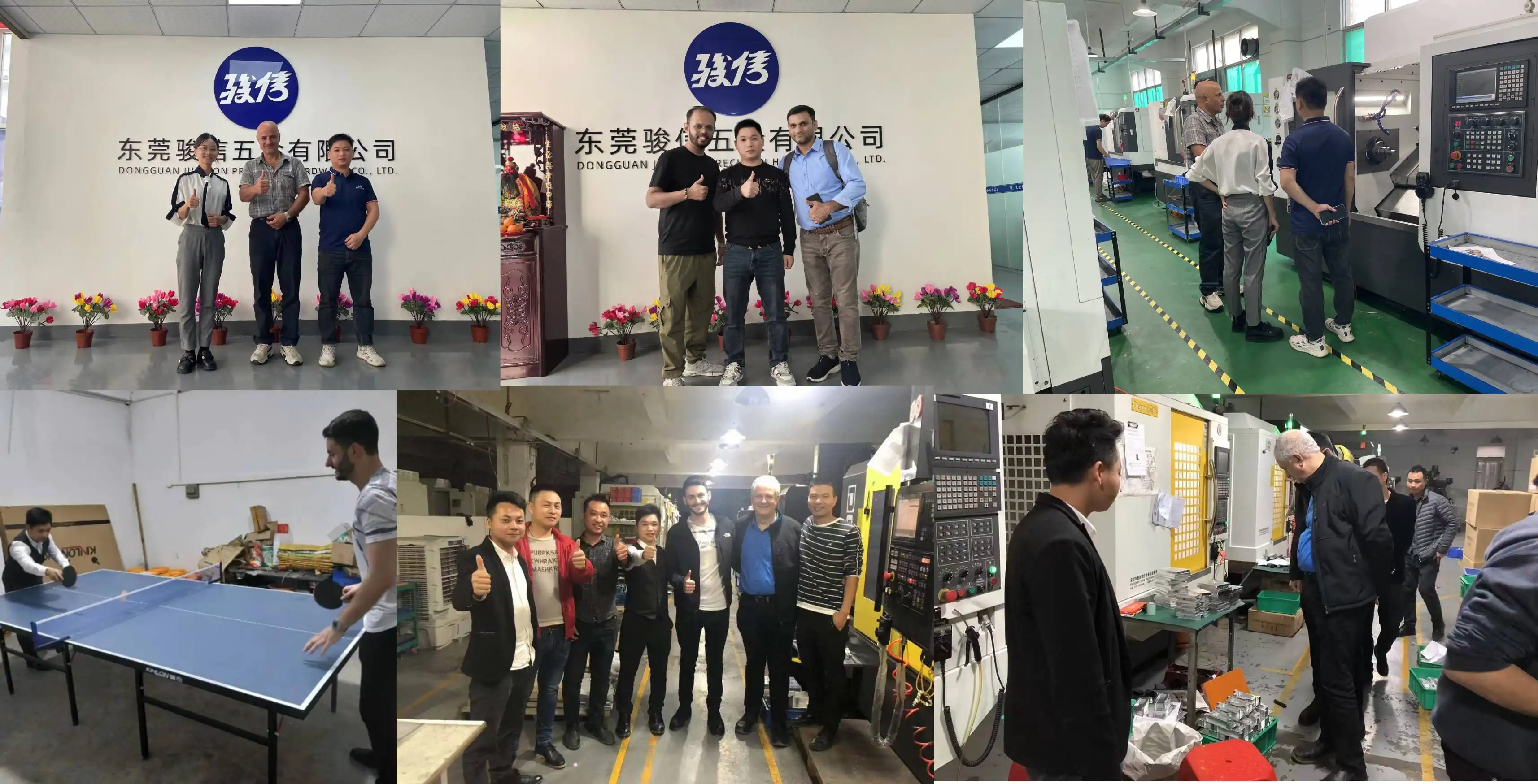
Junsion's advanced manufacturing capabilities and commitment to precision engineering make us the ideal electronic watch clasp supplier for discerning OEM watch brands. Our state-of-the-art facility houses 32 advanced CNC machines within a 1,600-square-meter production space, enabling efficient processing of complex clasp designs while maintaining exceptional quality standards. With ISO 9001:2015 certification and RoHS compliance, we guarantee consistent delivery of premium clasp solutions that meet international quality requirements. Our experienced engineering team provides comprehensive design optimization support and technical guidance throughout the development process, ensuring your products achieve optimal performance and manufacturability. Contact our specialists at Lock@junsion.com.cn to discuss your specific clasp requirements and discover how our precision manufacturing expertise can enhance your watch brand's competitive position.
References
1. International Watch and Clock Manufacturing Association. "Standards for Electronic Component Integration in Watch Hardware Systems." Journal of Precision Timekeeping Components, 2024.
2. Advanced Materials Research Institute. "Corrosion Resistance Analysis of Premium Metal Alloys in Wearable Device Applications." "Materials Science Quarterly, Vol. 15, 2024.
3. Manufacturing Technology Council. "Quality Assurance Protocols for Electronic Watch Component Production." Industrial Engineering Standards Review, 2024.
4. Consumer Electronics Association. "Market Analysis of Smart Wearable Device Hardware Trends." Technology Market Research Annual, 2024.
5. Precision Manufacturing Society. "CNC Machining Techniques for Miniaturized Electronic Device Components." "Production Engineering Journal, Issue 3, 2024.
6. Wearable Technology Research Foundation." User Experience Studies in Electronic Watch Clasp Design and Functionality. "Human Factors in Technology Design," 2024.