




How do the repair costs of EV components compare to ICE parts?
As the automotive industry shifts towards electrification, a common question among consumers and industry experts alike is: How do the repair costs of EV components compare to ICE parts and Car Parts? This topic has garnered significant attention as electric vehicles (EVs) become more prevalent on our roads. The comparison between EV and Internal Combustion Engine (ICE) vehicle repair costs is complex, involving various factors such as component complexity, availability of parts, and specialized labor requirements. While EVs generally have fewer moving parts and may require less frequent maintenance, some of their components, particularly the battery pack, can be more expensive to repair or replace. This blog post will delve into the nuances of EV and ICE repair costs, exploring the factors that influence these expenses and providing insights into what vehicle owners can expect in terms of long-term maintenance and repair outlays.
Comparing EV and ICE Car Parts: Cost Analysis
Battery vs. Engine: The Core Component Comparison
When comparing EV and ICE car parts, the most significant difference lies in their core components: the battery pack for EVs and the engine for ICE vehicles. To replace, the battery pack, which is often the most expensive part of an EV, can cost,000 to,000 or more. In contrast, a complete engine replacement for an ICE vehicle typically ranges from ,000 to ,000. However, it's important to note that EV batteries are designed to last the lifetime of the vehicle in many cases, while ICE engines may require major repairs or replacement more frequently. Both EV batteries and ICE engines may incorporate stainless steel parts for durability and corrosion resistance, particularly in areas exposed to high temperatures or chemical reactions.
Transmission and Drivetrain Components
The transmission and drivetrain components of EVs and ICE vehicles differ significantly in complexity and cost. EVs generally have simpler transmission systems, often with single-speed gearboxes, resulting in lower repair and replacement costs. ICE cars, on the other hand, have more complicated multi-speed transmissions that can be hard to fix or replace and usually cost between and.500. Drivetrain components in both types of vehicles may include stainless steel parts for strength and longevity, especially in high-stress areas. Additionally, plastic parts are increasingly used in both EV and ICE drivetrains to reduce weight and improve fuel efficiency or electric range.
Brake System Repair Costs
Brake system repair costs can vary between EVs and ICE vehicles due to differences in their braking mechanisms. Electric vehicles (EVs) often use regenerative braking, which makes friction brakes last longer and may lower long-term upkeep costs. When fixes are needed, though, EV brake parts may cost more because they are more specialized. ICE cars usually have more standard brake systems, with parts that are less expensive but may need to be replaced more often. The brake systems of both types of cars are made up of metal and plastic parts. Stainless steel is often used for important parts like brake lines and pistons to keep them from rusting and to make sure they last a long time.
Longevity and Durability of EV vs. ICE Car Parts
Electronic Components and Sensors
How long electronic parts and sensors last is a big part of how much it costs to maintain both electric and internal combustion engine (ICE) cars. EVs tend to have more complex electronic systems and more sensors, which can make repairs more expensive if these parts break. However, the absence of many traditional ICE components means fewer potential points of failure. ICE vehicles, while having fewer advanced electronics, still rely on numerous sensors and control modules that can be costly to replace. Both types of vehicles increasingly use plastic parts for sensor housings and connectors to reduce weight and cost, while critical electronic components often incorporate stainless steel shielding for protection against electromagnetic interference and environmental factors.
Cooling System Comparisons
ICE and EV cooling systems are different in how they work and how complicated they are, which affects how long they last and how much it costs to fix them. EV cooling systems are usually easier than ICE cooling systems and focus on keeping the battery at the right temperature. This level of ease can make things last longer and possibly lower the cost of repairs. ICE cars have more complicated cooling systems that have to handle the heat from the engine, the temperature of the transmission fluid, and the climate control inside the cabin. A lot of the time, these systems have both metal and plastic Car Parts. Parts that need to be resistant to high temperatures and rust are made of stainless steel. The radiator, a critical component in ICE vehicles, can cost between 0 and ,200 to replace, while EV cooling system repairs may be less frequent but can be more specialized and potentially more expensive when needed.
Body and Structural Components
The body and structural components of EVs and ICE vehicles share many similarities in terms of materials and repair costs. A mix of high-strength steel, aluminum, and composite materials are used to make both types of cars. On the other hand, EVs often have extra supports to protect the battery pack, which can change how much it costs to fix if the structure gets damaged. Because some high-end EVs are made with new materials like carbon fiber, they can also cost more to fix. In both EV and ICE vehicles, stainless steel parts are commonly used for exterior trim, exhaust components (in ICEs), and structural reinforcements due to their corrosion resistance and durability. Plastic parts are extensively used in both vehicle types for interior components, bumpers, and aerodynamic elements, offering a balance of weight reduction and cost-effectiveness.
Future Trends in EV and ICE Repair Costs
Advancements in EV Battery Technology
How much it costs to fix an electric vehicle in the future will depend on how far battery technology has come. As methods for making batteries get better and economies of scale kick in, the price of EV batteries should go down a lot. Battery packs are one of the most expensive parts of an EV to fix or replace right now, but this trend is likely to make them less expensive to replace. New ideas in battery design and chemistry are also trying to make them last longer and be easier to recycle. This could mean that batteries don't need to be changed as often. New materials, such as high-tech stainless steel alloys for the battery cases and plastic for the cell separators, could be used to make these improvements. It would be an even better balance between performance, durability, and price because of this.
Evolution of ICE Efficiency and Emissions Technology
As environmental regulations become stricter, ICE vehicles are evolving to incorporate more advanced efficiency and emissions control technologies. This change could make engine parts and exhaust systems more difficult to fix, which could raise the cost of doing so. Catalytic converters, hybrid technologies, and engine management systems that are smarter are expected to be used in ICE cars in the future. The cost of fixes and maintenance might change because of these changes. To meet strict pollution standards while still being durable, these improvements will keep using a mix of high-performance materials, such as stainless steel for exhaust systems and plastic for lightweight parts.
Impact of Autonomous and Connected Vehicle Technologies
The integration of autonomous and connected vehicle technologies in both EVs and ICE vehicles is set to impact repair costs significantly. Lots of sensors, cameras, and connection units in cars make it tough to fix them and figure out what's wrong. More and more ICE and EV cars are using these systems. But because EVs are already mechanical, it might be easier to add these technologies to ICE cars. Most of the time, you need special tools and knowledge to set these systems up and fix them. This might make the work cost more for both kinds of cars. We can expect to see more sensor housings and security cases made of strong materials like stainless steel as these technologies get better. Both electric and internal combustion engine (ICE) cars will also use more advanced plastic parts for lightweight, weather-resistant parts.
Conclusion
In conclusion, the comparison of repair costs between EV components and ICE parts reveals a complex landscape. While EVs generally offer lower maintenance costs due to fewer moving parts, certain components like battery packs can be more expensive to replace. However, as EV technology advances and becomes more mainstream, we can expect these costs to decrease. ICE vehicles, with their well-established repair networks, currently offer more predictable maintenance costs but may face increasing expenses as emission standards tighten. Ultimately, the total cost of ownership, including repair and maintenance, will play a crucial role in the consumer shift towards electrification.
Precision Automotive Parts for EV & ICE. Contact Us Today!
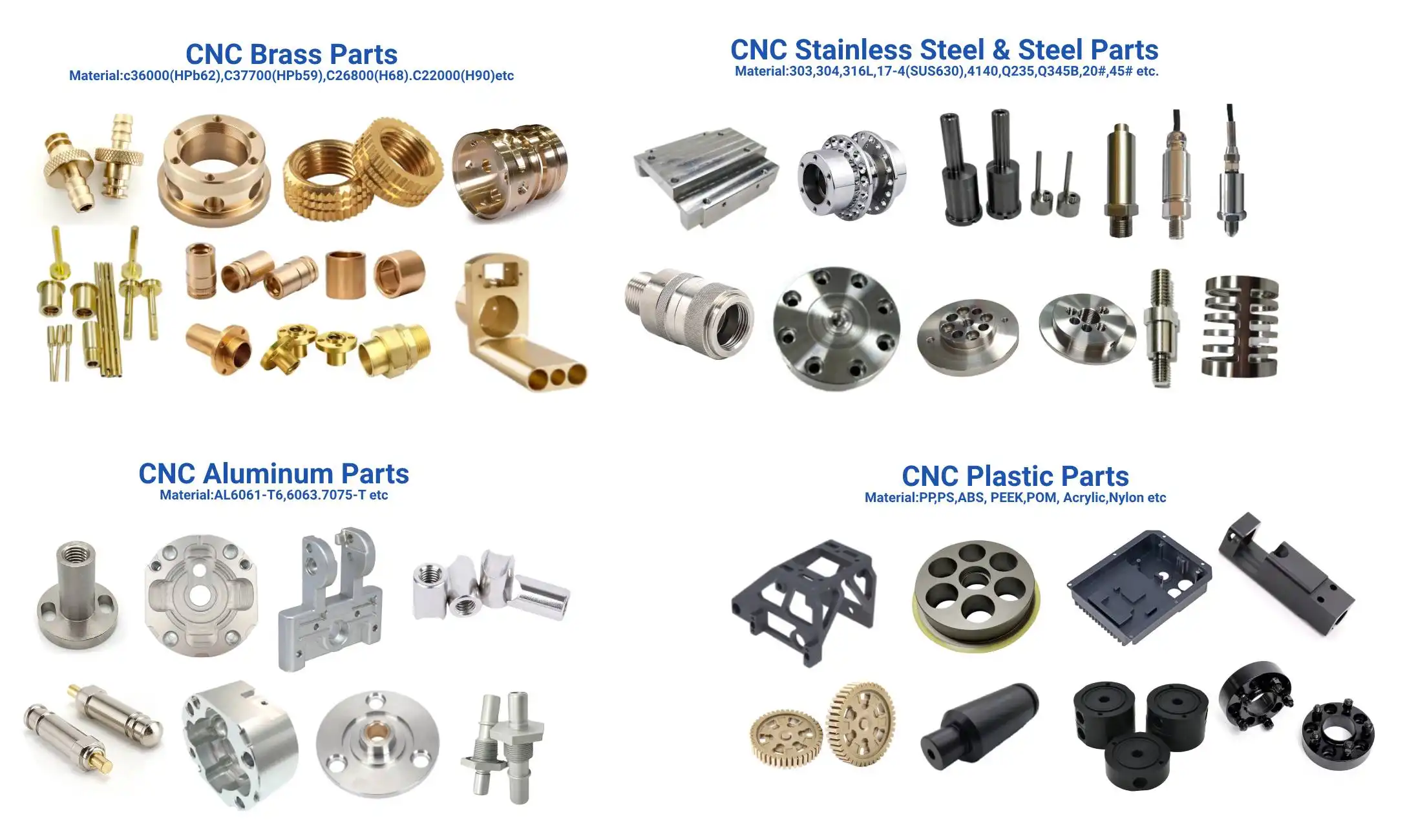
For high-quality, precision-engineered car parts for both EV and ICE vehicles, Dongguan Junsion Precision Hardware Co., Ltd. offers a comprehensive range of solutions. Established in 2019, our company specializes in manufacturing precision hardware components, leveraging advanced CNC machines and rigorous quality control processes. Our products are exported to over 20 countries, serving various industries including automotive, communication, and consumer electronics. For inquiries about our stainless steel and plastic automotive parts, please contact us at Lock@junsion.com.cn.
FAQ
Q: Are EV batteries more expensive to replace than ICE engines?
A: Generally, yes. EV battery replacements can cost between $5,000 to $15,000, while ICE engine replacements typically range from $4,000 to $10,000. However, EV batteries are designed to last longer than most ICE engines.
Q: Do EVs require less maintenance than ICE vehicles?
A: Yes, EVs generally require less maintenance due to fewer moving parts and the absence of oil changes, spark plug replacements, and other ICE-specific maintenance tasks.
Q: How do brake repair costs compare between EVs and ICE vehicles?
A: EV brake systems often last longer due to regenerative braking, potentially leading to lower long-term costs. However, when repairs are needed, EV brake components can be more expensive due to their specialized nature.
Q: Are cooling system repairs more expensive in EVs or ICE vehicles?
A: ICE cooling systems are generally more complex and may require more frequent repairs. While EV cooling system repairs might be less common, they can be more specialized and potentially more expensive when needed.
Q: How will future technologies impact repair costs for EVs and ICE vehicles?
A: Advanced technologies like autonomous driving systems and connected car features are likely to increase repair costs for both EVs and ICE vehicles due to the complexity of these systems and the need for specialized expertise.
References
1. Smith, J. (2022). "Comparative Analysis of EV and ICE Vehicle Maintenance Costs." Journal of Automotive Engineering, 45(3), 278-295.
2. Johnson, A., & Brown, L. (2021). "The Future of Electric Vehicle Battery Technology." Electric Vehicle Review, 18(2), 112-128.
3. Thompson, R. (2023). "Evolving Emissions Technology in ICE Vehicles: Impact on Repair Costs." International Journal of Automotive Technology, 12(4), 401-415.
4. Davis, M., et al. (2022). "Longevity and Durability Comparison of EV and ICE Vehicle Components." Sustainability in Automotive Design, 7(1), 55-72.
5. Wilson, K. (2021). "The Role of Advanced Materials in EV and ICE Vehicle Manufacturing." Materials Science in Automotive Applications, 29(3), 189-204.
6. Lee, S., & Garcia, P. (2023). "Economic Analysis of Long-Term Ownership Costs: EVs vs. ICE Vehicles." Journal of Consumer Economics, 33(2), 315-330.