




How to Choose the Best Shaft Sleeve for a Pump
Choosing the right shaft sleeve for a pump can have a significant impact on the pump's dependability, longevity, and the amount of money spent on equipment maintenance. Shaft sleeves are precision-machined cylindrical components that are designed to protect a pump shaft from corrosion, wear, and fluid leakage. Their role is to protect the pump shaft from these issues. When you choose the wrong sleeve, you put yourself at risk of experiencing premature failure, unforeseen downtime, and costly repairs. This guide will walk you through every key decision point, from the selection of materials and dimensional tolerances to the strategies for sourcing and maintenance methods, so that you may source with confidence and ensure that your pump systems continue to function without interruption.
Understanding Shaft Sleeves and Their Role in Pump Systems
What Is a Shaft Sleeve?
A shaft sleeve, which is a detachable cylinder, is one of the options that can be utilised in order to safeguard the packing area or mechanical seal that is located on a pump shaft. The fundamental purpose of this component is to absorb the majority of the tension caused by chemicals and wear, thereby ensuring that the shaft is not damaged. The sleeve is the only part that needs replacing when it wears out, not the entire shaft. These repairs are now far quicker and less expensive than they were before. According to the Hydraulic Institute, expenses for pump maintenance can be reduced by as much as sixty percent throughout the lifespan of a pump by simply changing a worn sleeve rather than the complete shaft. This can be accomplished during the lifetime of the pump.
In accordance with standards such as API 610, ANSI B73.1, and ISO 5199, centrifugal pumps are scaled and manufactured in accordance with these requirements. When it comes to shaft sleeves, certain rules apply. These principles provide buying managers with a firm foundation on which they can compare the products and services offered by a variety of suppliers in a variety of foreign marketplaces.
Primary Functions in Industrial Pump Applications
Shaft covers, bearing sleeves, and seal sleeves are all terms that people sometimes use to refer to shaft protectors for pump shafts. Their jobs are distinct but related to one another. While a bearing sleeve is responsible for supporting radial loads near the bearing housing, a shaft liner is responsible for protecting against wear along the entire length of the shaft. On the seal face of a conventional shaft sleeve is where the majority of the protection is located. It is important to be aware of these distinctions so that you do not apply them inappropriately, which could result in components failing before they should.
Key Factors to Consider When Choosing the Best Shaft Sleeve?
Material compatibility, accurate measurements, and the working environment all play a role in how well or how poorly a shaft sleeve works. These are the main things that every buying manager should look at before making an order.
- Corrosion and chemical resistance: Fluids like seawater, acids, and slurries quickly break down metals that don't mix with them. Grades 316 and 316L stainless steel have been shown to be resistant to chloride-rich settings. Ceramic-coated tubes can handle very rough slurries. If you choose the wrong metal, pitting and crevice corrosion will start to happen faster within weeks of installation.
- Dimensional accuracy and fit: Tolerances that are too loose lead to shaking and seal face wear, while fits that are too tight cause heat and galling. Leading makers keep limits to ±0.01 mm and surface roughness to 0.8 μm. These standards ensure that the seating doesn't leak after millions of shaft turns.
- Temperature and pressure range: Materials that can handle temperatures above 180°C are needed for uses where the temperature needs to be changed quickly. In these situations, carbon steel and titanium alloys work best, while regular aluminium alloys become too soft above 150°C.
- Service life and total cost of ownership: A sleeve that costs 30% more but lasts three times longer is a better deal. To compare options, you should look at the average amount of time between replacements as well as the unit cost.
All of these factors together determine whether your pump system works reliably for years or needs to be fixed over and over again. If you use them regularly before you buy something, you can avoid the reactive buying loop that drives up business budgets.
Comparing Shaft Sleeve Options: Materials and Types
Rubber vs. Metal Shaft Sleeves
For example, submersible pumps that handle contaminated water benefit greatly from rubber shaft sleeves due to their ability to dampen noise and provide dynamic sealing flexibility. Most industrial process pumps employ metal tubes, particularly those manufactured from stainless steel 304, 316, or 420, due to their increased load capacity and resistance to corrosion. Due to their low cost and resistance to biofouling, bronze metals continue to be utilised extensively in marine and water treatment pumps.
When should you specify a custom shaft sleeve?
Commonly available in standard catalogue sizes are the designs of most centrifugal pumps. However, fluid systems in aircraft, medical devices, and multistage high-pressure pumps frequently require custom-engineered shaft sleeves. Custom manufacturing is the sole option when standard shaft sizes aren't available, when non-standard bore geometries are required for the application, or when specific coatings such as QPQ (Quench-Polish-Quench) or anodising are required to harden the surface.
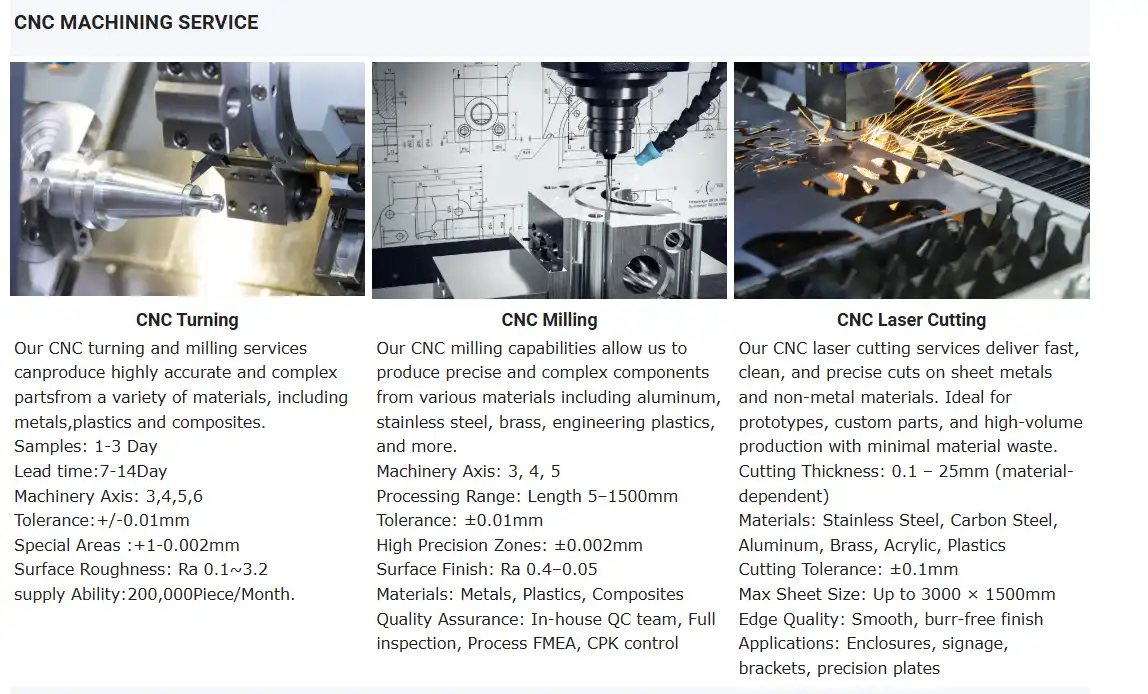
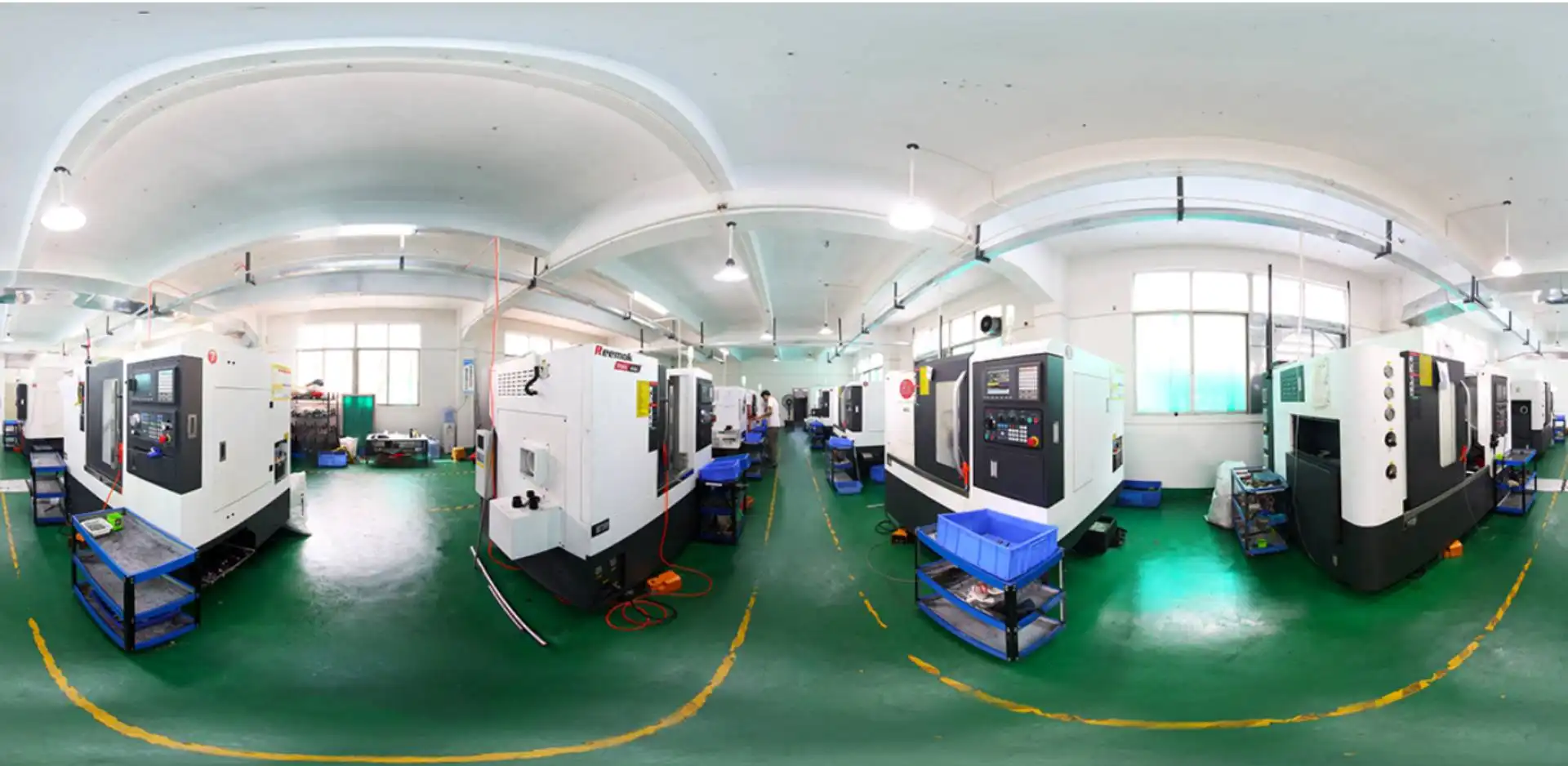
Dongguan Junsion Precision Hardware Co., Ltd. uses CNC turning and grinding to create custom shaft sleeves with a surface roughness of 0.8 μm. A margin of ±0.01 mm is given. Titanium, carbon steel, aluminium alloys, stainless steel (304, 316, and 420), and copper alloys are among the materials that can be utilised. For optimal material resistance to wear, corrosion, and size changes in any working environment, engineers have a variety of surface treatment options, including anodising, electroplating, sandblasting, brushing, powder coating, and QPQ. Robotics, household goods, medical devices, aircraft, automation tools, and motorbikes are all potential applications for these abilities.
Procurement Guide: How to Source High-Quality Shaft Sleeves?
It takes more than just comparing prices to find a reliable shaft sleeve supplier. Dependable partners can be told apart from transactional sellers by quality licences, production capacity, and regular delivery. Thomas Publishing released an industry study in 2023 that said 74% of equipment problems could be traced back to replacement parts that were not up to par. These parts came from suppliers that did not have third-party quality checks.
When evaluating manufacturers, prioritise the following:
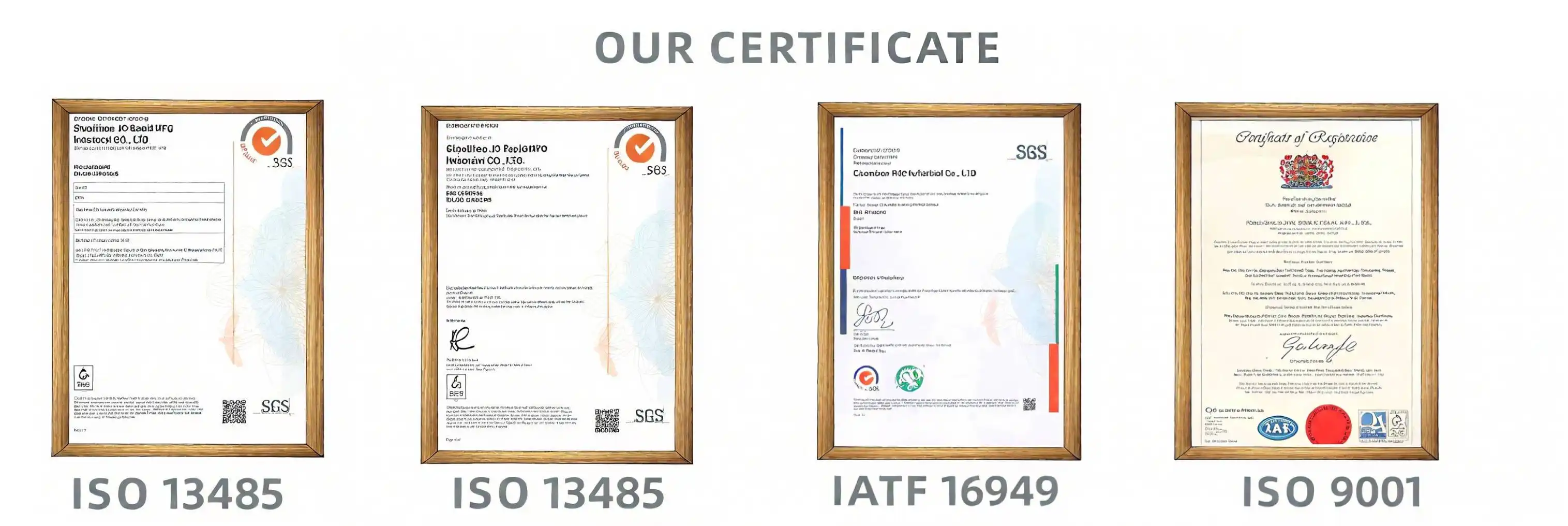
- ISO 9001:2015 certification means that you have a written quality management system with inspection records that can be tracked. This is a must for businesses that are regulated.
- RoHS compliance makes sure that materials don't contain any banned dangerous substances, which is critical for the supply lines of electronics and consumer goods.
- Dimensional inspection reports sent with each batch show that the shipped parts match the engineering designs, using a coordinate measuring machine (CMM) to check.
- MOQ flexibility and lead time: Global sourcing teams benefit from providers that can handle both small prototype orders and large blanket orders with short lead times.
Junsion operates 32 advanced CNC machines across a 1,600 m² facility in Dongguan, China, and exports to more than 20 countries. Its ISO 9001:2015-certified production process and RoHS-compliant material sourcing meet the compliance benchmarks that procurement managers at electronics, communications, and logistics companies require.
Installation, Maintenance, and Troubleshooting Best Practices
Step-by-Step Installation Guidelines
Most shaft sleeve failures happen because they were not installed correctly. Before putting the sleeve on the shaft, make sure the bore dimensions match up with the OD of the shaft using measured micrometres. Then, use the manufacturer-recommended press-fit or clearance-fit force. Never heat stainless steel sleeves over an open flame; controlled induction heating keeps the metal's integrity.
Recognising and Addressing Common Failure Modes
The four most common signs of failure are wear scoring, uniform corrosion, pitting, and fretting at the point where the sleeve meets the shaft. Each one points to a different cause: abrasive media intake, chemical attack, electrical coupling, or an interference fit that isn't good enough. Setting up a three-month check cycle that includes measuring dimensions and looking at the surface visually catches problems as they start to happen before they get worse and damage the shaft. Maintaining the lubrication film on the seal faces and making sure they are lined up correctly can significantly increase the service life of a sleeve. A study in Tribology Transactions (2021) showed that using the same lubrication methods every time cut the rate of wear on spinning parts in pump test rigs by 38% [3].
Conclusion
When selecting the appropriate shaft sleeve, it is necessary to consider the characteristics of the working environment, the quality standards of the supplier, the compatibility of the materials, and the precision of the measurements. A well-designed cover ensures the safety of the pump shaft, reduces the amount of unplanned downtime that occurs, and reduces the overall cost of maintenance over the course of the equipment's lifetime. Working with a precision manufacturer that maintains ISO 9001:2015 certification and tolerances of ±0.01 mm is the best way to ensure your pumps will function well for a long time. This is true regardless of whether you require standard stainless steel sleeves or fully custom-engineered parts with QPQ or anodised finishes.
FAQ
Do I always need a shaft sleeve on a centrifugal pump?
A centrifugal pump doesn't have to have one, but most industrial and process pumps do. When the pump works with rough or harmful fluids, a shaft sleeve wears to a part that can be replaced. This makes the much more expensive shaft last longer.
Which material is best for corrosive fluid applications?
316 or 316L stainless steel works well in chloride and weak acid conditions. Ceramic-coated or titanium tubes last longer when used with poisons that are very aggressive.
Can I install a shaft sleeve without professional support?
With the right tools and the manufacturer's installation guide, you can easily change simple pumps that are set up in standard ways. Professional installation is recommended for high-pressure or complex systems with multiple stages to make sure they fit and align correctly.
How do I identify shaft sleeve wear before it causes damage?
Vibration analysis, regular micrometre measurements, and visual checks for scoring or discolouration during planned repair sessions are all good ways to find problems early on.
What tolerances should I specify for precision applications?
For tough industrial settings, you should ask for tolerances of ±0.01 mm and a surface roughness of 0.8 μm or less. These factors ensure that the seals work well and that the shaft doesn't wear out over long periods of time between services.
Partner with Junsion for Precision Shaft Sleeve Manufacturing
Junsion delivers custom shaft sleeve solutions with tolerances of ±0.01 mm, ISO 9001:2015 certification, and RoHS-compliant materials—engineered for automation, aerospace, medical, and industrial pump applications. As a trusted shaft sleeve manufacturer serving clients in 20+ countries, we support OEM/ODM projects from prototype to mass production with rapid response times. Contact our engineering team today at Lock@junsion.com.cn or visit https://www.junsionprecision.com/ to request a quotation tailored to your specifications.
References
1. Hydraulic Institute. (2022). Pump Systems Assessment and Efficiency Improvement. Hydraulic Institute.
2. Thomas Publishing. (2023). Industrial Component Sourcing and Quality Risk Report. ThomasNet.
3. Blau, P. J. (2021). Lubrication effects on wear rate reduction in rotating pump components. Tribology Transactions, 64(3), 412–421.
4. American National Standards Institute. (2020). ANSI/HI 1.1-1.5: American National Standard for Rotodynamic Pumps. ANSI.
5. American Petroleum Institute. (2021). API Standard 610: Centrifugal Pumps for Petroleum, Petrochemical, and Natural Gas Industries (12th ed.). API.
6. International Organization for Standardisation. (2018). ISO 5199: Technical Specifications for Centrifugal Pumps – Class II. ISO.