




Import Lathe POM Parts: A Practical Sourcing Guide
If you're sourcing lathe POM parts for precision manufacturing, this guide gives you a direct, practical roadmap. POM (polyoxymethylene) components machined on CNC lathes deliver dimensional stability, low friction, and long service life across equipment, automotive, medical, and home appliance applications. Whether you're a procurement manager evaluating overseas suppliers or a product developer specifying tolerances for custom runs, understanding how to identify, evaluate, and import quality POM lathe components can meaningfully reduce your total cost of ownership while protecting production continuity.
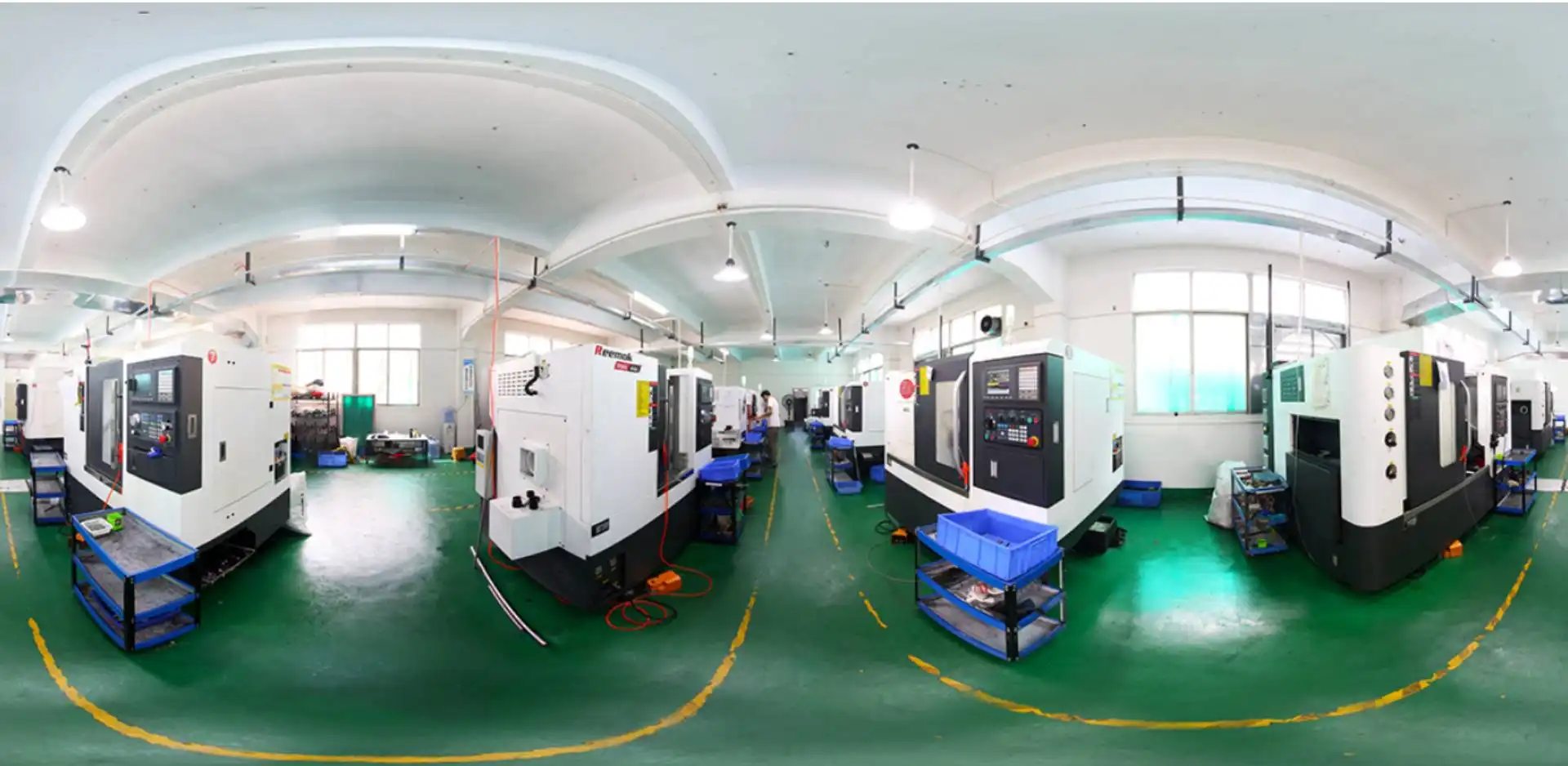
Understanding Lathe POM Parts: Types, Functions, and Materials
A CNC lathe turns a piece of work and moves cutting tools along the X and Z axes to remove material and make precise shapes. When POM is used as the working material, the part works better than metals in many light-to-medium load situations.
Common POM Components Produced on CNC Lathes
Bushings, sliding gears, bearing housings, guide rollers, and threaded spindle nuts are some of the most common lathe POM parts that are made. Each one is used for a motion-critical task that requires a smooth surface and repeatable dimensions. These parts are made at Junsion with a tolerance of ±0.01 mm and a surface roughness of ≤Ra0.8 μm, which is the standard for high-precision polymer machining.
Why POM Outperforms Competing Polymers?
POM has a tensile strength of about 65–70 MPa, a coefficient of friction as low as 0.20 against steel, and almost no moisture absorption. Nylon and PTFE cannot match all of these properties at the same time. [2] Its solid structure also lets tight standards be maintained during CNC turning, milling, and cutting without any post-process warping. This makes it the material of choice for engineers who need to make many copies of the same thing.
Key Considerations When Choosing Lathe POM Parts?
There is more to choosing the right POM component than just giving it a width. When purchasing things, teams have to compare unit cost and lead time to mechanical needs, finish requirements, and compliance obligations.
Here are the core decision criteria worth evaluating before placing any order:
- Dimensional specification: Make sure the buyer can keep a ±0.01 mm margin for the whole batch of goods, not just the samples. To make sure that every shipment is correct, Junsion uses coordinate measuring machines (CMM) and batch inspection protocols.
- Surface finish: For slide or bearing uses, say that the roughness is ≤Ra0.8μm. Depending on whether the assembly needs a uniform look or a harder surface, finishes like sandblasting, anodizing, or plating can be used.
- Material grade: Virgin POM-C (copolymer) is better than POM-H (homopolymer) at resisting hydrolysis and acidic exposure, which makes it better for medical and chemical-adjacent uses.
- Processing method: CNC turning makes cylinder shapes, milling makes holes and pockets, and cutting splits and adjusts lengths. A good maker puts all three together on a single setting to cut down on mistakes.
These factors together tell us if a POM part will work reliably under stress, changing temperatures, and repeated assembly, or if it will become a problem that needs to be fixed over and over again. By aligning specs up front, you can avoid expensive revision rounds later on.
Sourcing Imported Lathe POM Parts: Best Practices and Market Insights
The world market for precision polymer parts keeps growing because electronics are getting smaller, cars are getting lighter, and more medical devices are being made. [3] Buying lathe POM parts from a qualified OEM manufacturer overseas can cut the cost per unit by 20–40% compared to machining them in the United States, as long as the supplier has clear quality records and certifications that can be checked.
Supplier Vetting Checklist
When choosing a POM parts maker, it's best to go with ones that are certified by ISO 9001:2015 and show that they follow RoHS rules. In the US, these rules are required for both technology and consumer goods supply chains. Ask for written CMM inspection records, material certificates from POM resin sources, and references from customers who have bought similar products. The 2019-founded Dongguan Junsion Hardware Co., Ltd. has 32 CNC tools running in a 1,600-square-meter building in Dalingshan, Dongguan. Their products are used in more than 20 countries in communication, consumer electronics, and industrial equipment. They reply to RFQs within 24 hours, which is very helpful when production plans are tight.
Logistics and Lead Time Planning
Custom CNC-turned POM parts usually take between 7 and 15 business days to make, but this depends on how complicated they are and how many are needed. [4] It usually takes 18–22 days for sea freight from Guangdong province to ports on the West Coast of the United States for large orders. Customs clearance takes about three to five work days, so add that to the total number of replenishment rounds. Asking for DDP (Delivered Duty Paid) incoterms makes customs duties easier and protects against unexpected import duty exposure.
Maintenance and Troubleshooting of Lathe POM Parts
POM is naturally low-maintenance, but missing early signs of wear speeds up replacement cycles and causes unnecessary downtime. The times between routine inspections should match the hours that the machine is running, not the dates on the calendar.
The most common ways that lathe POM parts break are surface scoring from dry-running, structural creep under continued compressive load, and micro-cracking from strong acids or aromatic solvents. When scoring shows up on a bushing hole, it means that the lubrication clearance isn't good enough, not that the material is broken. Knowing this difference helps keep source relationships strong and makes sure that the right steps are taken to fix the problem.
If the bore diameter deviates more than 0.05 mm from the original specification or if the surface becomes rougher than Ra1.6 μm when inspected by touch or profilometer, the part will be replaced. Having a small store of important POM parts on hand—usually enough for 60 days for high-rotation parts—keeps production going even if one package is late.
Advantages of Using POM Parts in Lathes: Performance and Cost Benefits
Because of how it behaves mechanically, POM is one of the most cost-effective industrial plastics used in precision manufacturing. Its density of 1.41–1.43 g/cm³ is about half that of aluminum. This makes it easier for spindle-adjacent assemblies to move and uses less energy over long run cycles. [5] Here are the main reasons why POM is the best material for precision lathe POM parts in terms of performance:
- Dimensional stability: POM keeps its shape even when temperatures change from -40°C to +100°C. This keeps the fit and function safe in places like the engine bay of an automotive and on industrial equipment.
- Self-lubricating surface: The low coefficient of friction keeps metal surfaces from wearing down, which makes the POM part and nearby parts last longer.
- Chemical resistance: POM can handle fuels, oils, and weak acids, which is important for parts of medical devices and consumer electronics that are often cleaned.
- Machinability: When CNC turning or milling, POM chips cleanly, which means less tool wear and cycle time than with glass-filled nylon or PEEK.
The total cost of ownership goes down because of these benefits. Maintenance teams say they have to do fewer unplanned repairs, and procurement teams say they get more time between reorders. When accurate CNC making is combined with the properties of POM, as is done at Junsion, parts are made that regularly last longer than expected for the cost.
Conclusion
When done with the right supplier, clear specs, and reasonable logistics planning, importing precise lathe POM parts is a good way to buy things. Because it is dimensionally stable, self-lubricating, and easy to machine, POM is perfect for use in equipment, cars, medical devices, and home appliances. To keep tolerances to ±0.01 mm and surface roughness to ≤Ra0.8 μm, qualified manufacturers like Junsion consistently meet the standards for CNC capability and thorough batch inspection. The three most reliable ways to keep your production schedule on track are to make a clear specification sheet, check the certifications of your suppliers, and keep a small safety stock.
FAQ
Are POM lathe parts compatible with all lathe machine types?
Any CNC lathe that can hold polymer workpieces can be used to machine POM parts. Not the brand of the machine, but the spindle speed and the shape of the tool are what matter. When used with positive-rake carbide inserts and running at 1,000 to 3,000 RPM, most precision CNC lathes can smooth out the surface of POM without leaving any burrs.
How does importing affect delivery timelines and landed cost?
Sea freight from Dongguan to U.S. ports adds 18–22 transit days to production lead time. Landed cost includes freight, customs duties (typically 0–3.9% for polymer machined parts under HTS 3926.90), and broking fees. Ordering in scheduled batches rather than spot quantities significantly reduces per-unit logistics cost.
What certifications should I require from a POM parts supplier?
At the very least, you should demand ISO 9001:2015 for quality management and proof that lathe POM parts entering the electronics supply chain follow RoHS rules. For medical uses, find out if the supplier follows ISO 13485 rules for tracking materials and handling them in clean rooms.
Can surface finishes like plating or sandblasting be applied to POM?
Yes. Sandblasting provides a matte, uniform texture. Plating requires a specialised adhesion primer layer since POM's low surface energy limits direct metal adhesion. Anodising applies to aluminum inserts within POM assemblies rather than to POM itself. Junsion offers all three finish options on composite assemblies.
Partner With Junsion for Precision POM Lathe Components
Junsion delivers lathe POM parts with ±0.01 mm tolerance, ISO 9001:2015 certification, and RoHS compliance—backed by 32 CNC machines and a 24-hour RFQ response. As a trusted lathe POM parts manufacturer serving 20+ countries, we support custom OEM/ODM orders of any volume. Contact our team directly at Lock@junsion.com.cn to request a quote and product catalogue today.
References
1. CNC Masters. (2023). What CNC Lathes Are and How They Work. https://www.cncmasters.com/what-cnc-lathes-are-and-how-they-work/
2. Ensinger Plastics. (2022). POM (Polyoxymethylene) Technical Data and Properties. https://www.ensingerplastics.com/en/shapes/pom-acetal-properties
3. Grand View Research. (2023). Engineering Plastics Market Size, Share & Trends Analysis Report. https://www.grandviewresearch.com/industry-analysis/engineering-plastics-market
4. Xometry. (2023). CNC Turning Services: Lead Times and Capabilities. https://www.xometry.com/capabilities/cnc-machining/cnc-turning/
5. Curbell Plastics. (2022). Acetal (POM) Material Overview. https://www.curbellplastics.com/materials/plastics/acetal/
6. Kremin Inc. (2023). What Is a CNC Lathe? https://www.kremininc.com/blog/what-is-a-cnc-lathe/
