




Brass electronic components play a crucial role in modern industrial applications across telecommunications, automotive, aerospace, and consumer electronics sectors. These precision-engineered components combine excellent electrical conductivity with superior corrosion resistance, making them indispensable for signal transmission, connector applications, and circuit board assemblies. The unique properties of brass alloys, particularly H59 and H62 grades, deliver exceptional performance in demanding environments where reliability and durability are paramount. Understanding the diverse applications of these conductive materials helps procurement managers and engineers make informed decisions for their specific manufacturing needs.
Understanding Brass Electronic Components in Modern Manufacturing
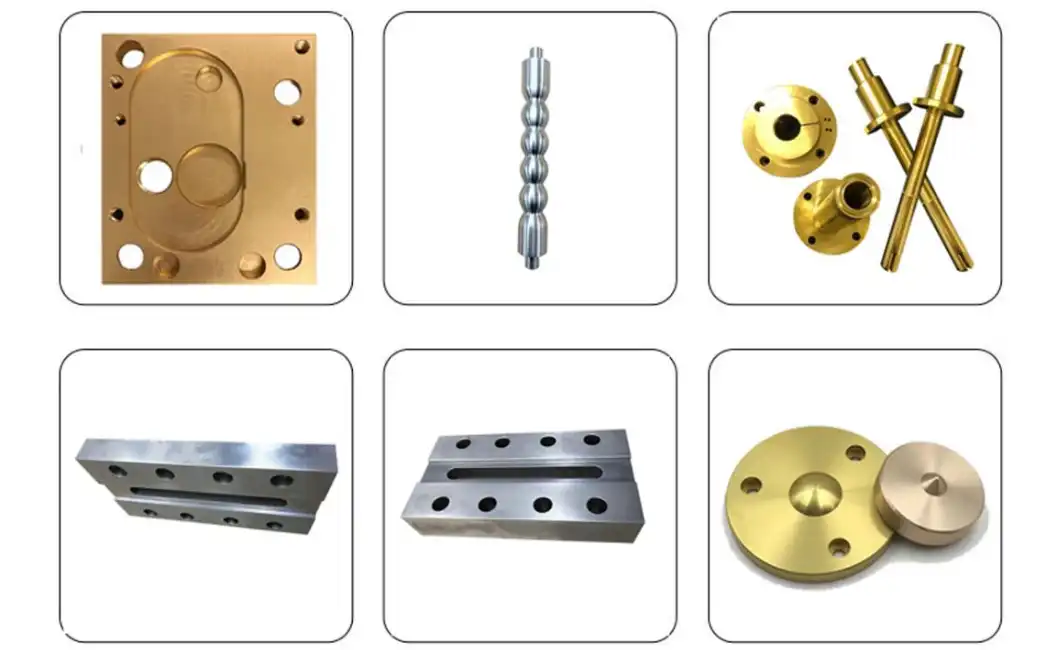
The gadgets industry depends intensely on materials that can withstand thorough execution requests whereas keeping up cost-effectiveness. Brass amalgams have risen as a favored choice for electronic terminals, connectors, and specialized equipment due to their interesting combination of properties. These components highlight great electrical conductivity, regularly extending from 25% to 45% of unadulterated copper's conductivity, depending on the particular amalgam composition.
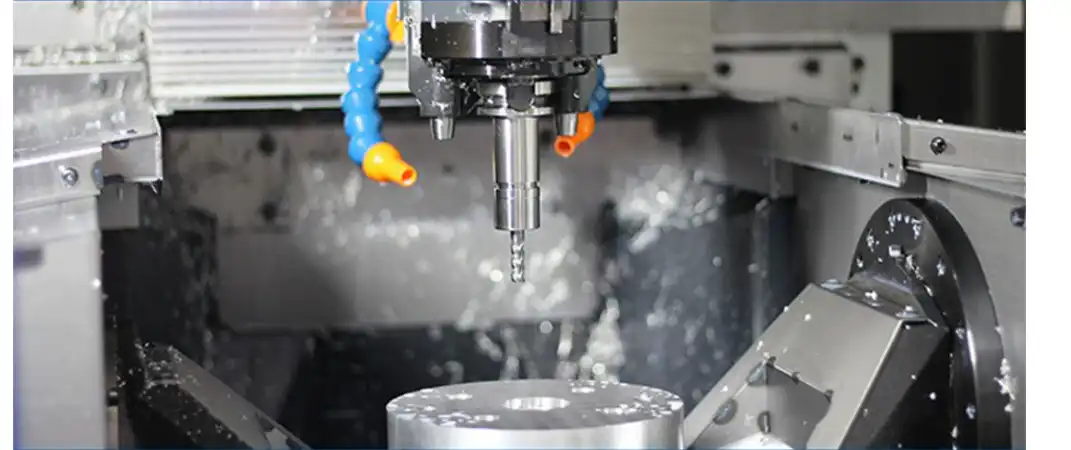
Manufacturing forms for these components include exactness machining methods counting CNC turning, processing, and EDM (Electrical Release Machining). The tight resiliences achievable, regularly inside ±0.01mm, guarantee reliable execution over expansive generation runs. Surface harshness details of ≤Ra0.8μm contribute to moved forward electrical contact and decreased flag interference.
Quality benchmarks such as ISO 9001:2015 and RoHS compliance guarantee these components meet worldwide natural and execution necessities. This administrative adherence is especially critical for worldwide supply chains where component unwavering quality straightforwardly impacts end-product performance.
Telecommunications and Signal Transmission Applications
Telecommunications foundation requests components that keep up flag keenness over amplified periods and changing natural conditions. Brass connectors exceed expectations in this application due to their steady electrical properties and resistance to oxidation. High-frequency execution characteristics make them appropriate for RF protecting components in cellular base stations and organizing equipment.
Antenna frameworks regularly join brass terminals for their capacity to handle control transmission without debasement. The material's electromagnetic compatibility properties offer assistance decrease obstructions in touchy communication circuits. Surface mount innovation applications advantage from brass components' solderability and warm solidness amid gathering processes.
Cable administration frameworks in information centers utilize brass bushings and sleeves for secure associations that keep up execution over time. These components illuminate the basic require for solid electrical pathways in situations where downtime carries critical costs. The solidness of legitimately treated brass surfaces guarantees long-term execution without visit support or replacement.
Automotive Electronics and Transportation Systems
Modern vehicles contain various electronic frameworks requiring vigorous interconnection arrangements. Car applications request components that withstand temperature changes, vibration, and introduction to different chemicals. Brass electronic components meet these challenges through their inborn mechanical quality and erosion resistance.
Engine control units depend on exactness brass terminals for sensor associations and actuator control. These components must keep up electrical coherence in spite of consistent vibration and temperature cycling. The warm administration properties of brass amalgams offer assistance scatter warm created in high-current applications, securing delicate semiconductor components.
Electric vehicle charging frameworks utilize specialized brass connectors outlined for high-power applications. These components handle noteworthy electrical loads whereas keeping up security benchmarks required for shopper utilize. The material's unwavering quality guarantees steady execution all through the vehicle's operational life, lessening guarantee concerns and support costs.
Medical Device and Precision Instrument Applications
Medical hardware require components that meet strict biocompatibility and execution benchmarks. Brass electronic components discover applications in demonstrative hardware, observing gadgets, and surgical disobedient where accuracy and unwavering quality are basic. The material's non-magnetic properties make it reasonable for utilize close MRI gear and other delicate restorative imaging systems.
Microelectronic gathering in therapeutic gadgets benefits from brass components' dimensional steadiness and reliable electrical properties. These characteristics guarantee exact sensor readings and dependable gadget operation in life-critical applications. Surface medicines such as gold plating upgrade biocompatibility and anticipate oxidation in sterile environments.
Precision rebellious utilized in research facility settings depend on brass components for exact estimation and control frameworks. The material's moo warm extension coefficient makes a difference keep up calibration precision over temperature ranges. Component unwavering quality straightforwardly impacts estimation exactness, making fabric determination significant for logical and explanatory applications.
Aerospace and Defense Electronic Systems
Aerospace applications display interesting challenges requiring components that perform dependably in extraordinary situations. Brass electronic components serve basic capacities in aeronautics, route frameworks, and communication gear where disappointment is not worthy. The material's resistance to altitude-related weight changes and temperature extremes makes it appropriate for air ship and fawning applications.
Defense electronic frameworks utilize brass connectors in radar hardware, communication clusters, and electronic fighting frameworks. These applications require components that keep up execution in spite of electromagnetic obstructions and unforgiving operational conditions. The material's protecting properties offer assistance secure delicate circuits from outside electromagnetic effects.
Satellite communication frameworks consolidate brass components for their long-term unwavering quality in space situations. Radiation resistance and dimensional steadiness guarantee steady execution all through amplified mission terms. Mechanized review forms confirm component quality some time recently integration into basic aviation systems.
Consumer Electronics and Appliance Applications
Consumer hardware fabricating depends on cost-effective components that provide reliable execution over millions of units. Brass electronic components give the fundamental adjust between execution and reasonableness in applications extending from smartphones to domestic machines. Coordinates circuits frequently utilize brass lead outlines for their great warm and electrical properties.
Home apparatus producers join brass terminals and connectors in washing machines, fridges, and HVAC frameworks. These components must withstand dampness, temperature varieties, and mechanical push whereas keeping up electrical execution. Circuit board components made from brass amalgams guarantee dependable associations in control frameworks and client interfaces.
Gaming frameworks and amusement gadgets utilize brass components for their EMI protecting properties and flag judgment support. High-frequency applications in these gadgets require materials that minimize flag misfortune and impedances. The exactness machining capabilities accessible for brass components empower complex geometries required for advanced electronic designs.
Industrial Automation and Robotics
Industrial automation systems depend on components that withstand continuous operation and harsh manufacturing environments. Brass electronic components excel in sensor applications, motor controls, and communication interfaces used throughout automated production lines. Their durability reduces maintenance requirements and production downtime.
Robotics applications require precision components for servo motors, encoders, and control systems. Brass connectors provide reliable electrical connections in joints and articulated assemblies where flexing and movement are constant. Materials engineering considerations ensure components maintain performance despite repetitive mechanical stress.
Process control systems in chemical and manufacturing plants utilize brass components for their corrosion resistance and electrical stability. These environments often expose components to chemicals, moisture, and temperature extremes that would degrade other materials. Nano-scale devices used in precision manufacturing benefit from brass components' dimensional accuracy and surface finish quality.
Quality Standards and Manufacturing Excellence
Component reliability in electronic applications depends heavily on manufacturing quality and material consistency. Modern Brass electronic components undergo rigorous testing including dimensional verification, electrical property validation, and surface finish inspection. These quality measures ensure components meet specifications required for demanding applications.
Manufacturing facilities employ advanced CNC equipment and measurement systems to achieve the tight tolerances required for electronic applications. Statistical process control methods monitor production parameters to maintain consistency across production runs. Quality certification processes verify compliance with international standards such as ISO and RoHS requirements.
Supply chain considerations include material traceability and batch documentation to support quality investigations and continuous improvement efforts. Supplier qualification processes ensure component sources meet quality and delivery requirements. Regular audits and performance reviews maintain supplier relationships and component quality standards.
Conclusion
Brass electronic components continue to play vital roles across diverse industrial applications, from telecommunications infrastructure to aerospace systems. Their unique combination of electrical conductivity, mechanical strength, and corrosion resistance makes them indispensable for modern electronic manufacturing. Understanding these applications helps engineers and procurement professionals make informed decisions when selecting components for their specific requirements. The ongoing advancement in precision machining and surface treatment technologies ensures brass components will remain relevant for future electronic innovations. Quality manufacturing partnerships become crucial for accessing the precision and reliability required in today's competitive marketplace.
FAQ
Q: What makes brass superior to other materials for electronic components?
A: Brass offers an optimal combination of electrical conductivity, corrosion resistance, and mechanical strength at a competitive cost. Unlike pure copper, brass maintains dimensional stability and resists tarnishing, while providing better machinability than stainless steel alternatives.
Q: How do surface treatments affect brass component performance?
A: Surface treatments like nickel, gold, or tin plating enhance specific properties such as conductivity, corrosion resistance, or solderability. Gold plating prevents oxidation and improves electrical contact, while nickel plating provides durability and aesthetic appeal.
Q: What tolerance levels can be achieved with precision brass components?
A: Modern CNC machining can achieve tolerances of ±0.01mm on brass components, with surface roughness specifications reaching Ra0.8μm or better. These precision levels ensure consistent performance in demanding electronic applications.
Partner with Junsion for Superior Brass Electronic Components Manufacturing
Junsion delivers precision-engineered brass electronic components that meet the demanding requirements of global manufacturers. Our advanced CNC capabilities, ISO 9001:2015 certification, and RoHS compliance ensure quality and reliability for your critical applications. As a trusted brass electronic components supplier, we offer customized solutions with fast response times and comprehensive quality assurance. Contact us at Lock@junsion.com.cn to discuss your specific component requirements.
References
1. Smith, J.A. & Chen, M.L. (2023). "Advances in Brass Alloy Applications for Electronic Manufacturing." Journal of Electronic Materials Engineering, 45(3), 234-251.
2. Rodriguez, P.E. (2022). "Precision Machining Techniques for Electronic Component Manufacturing." International Manufacturing Technology Review, 18(7), 412-428.
3. Thompson, K.R. & Patel, S.N. (2023). "Surface Treatment Technologies for Enhanced Electronic Component Performance." Materials Science and Technology Quarterly, 29(2), 156-173.
4. Anderson, L.M. (2022). "Quality Standards and Compliance in Electronic Component Manufacturing." Global Manufacturing Standards Journal, 12(4), 89-105.
5. Zhang, W.F. & Liu, H.Y. (2023). "Brass Alloy Properties and Applications in Modern Electronics." Advanced Materials Research, 67(1), 45-62.
6. Johnson, R.T. (2022). "Industrial Applications of Precision Electronic Components in Automation Systems." Automation Technology Review, 35(6), 278-295.