




What functions do block cavity parts serve in drone design?
Block cavity parts play a crucial role in the design and functionality of modern drones. These precision-engineered components serve multiple purposes, from enhancing structural integrity to optimizing aerodynamics and housing essential electronic systems. In drone design, block cavity parts are meticulously crafted to meet exacting specifications, ensuring tight tolerances and superior performance. These components are typically made from lightweight yet durable materials such as aluminum alloy or high-strength plastics, contributing to the overall efficiency and maneuverability of the drone. By integrating block cavity parts into drone designs, manufacturers can create more compact, streamlined, and versatile unmanned aerial vehicles capable of performing a wide range of tasks across various industries. The importance of these components cannot be overstated, as they directly impact the drone's flight characteristics, payload capacity, and operational capabilities.
Structural Integrity and Weight Reduction
Enhancing Drone Frame Strength
Parts with block cavities are very important for making drone frames stronger. The purpose of these parts is to provide strong support while keeping a slim appearance. Block cavity parts can be made to survive the stresses and strains that happen during flight by using high-tech materials and precise manufacturing methods. The smart placement of these parts inside the drone's frame helps spread forces out evenly, which lowers the chance that the structure will break. Additionally, block hollow parts can be changed to include strengthening features like internal ribs or honeycomb structures, which makes the drone even stronger for its weight.
Optimizing Weight Distribution
One of the key functions of block cavity parts in drone design is to optimize weight distribution. You can place these parts in the drone's body in a planned way to make it stable and balanced while it's in the air. Designers can fine-tune the drone's center of gravity by carefully considering where to put block hole parts. This helps you fly and handle the drone easily. Being able to change these parts' size, shape, and material lets you precisely control their weight, which makes sure that the drone keeps working at its best in all kinds of flight situations and payload configurations.
Integration of Lightweight Materials
You can use lightweight materials in drone designs in a great way with block hole parts. Using modern manufacturing methods like CNC machining and 3D printing, designers can make complicated shapes that are strong and light at the same time. Block cavity parts can be made from materials like carbon fiber-reinforced resins, high-performance plastics, and aluminum alloy. These materials are very strong for how light they are. The general efficiency of the drone is improved by these lightweight parts, which allow for longer flight times, more payload, and better energy use.
Electronic Component Housing and Protection
Secure Enclosures for Sensitive Electronics
Block cavity parts serve as secure enclosures for sensitive electronic components in drone designs. The precise manufacturing of these parts makes a protective shell for important systems like flight controllers, GPS units, and communication gear. By having recessed cavities, mounting points, and cable routing channels, block cavity parts make sure that electronic parts are firmly attached and protected from outside influences. This safety is necessary to keep the drone's avionics systems working properly, especially when it's flying in rough terrain or bad weather.
Thermal Management Solutions
Another important function of block cavity parts in drone design is thermal management. To help keep electronic devices at the right temperature, these parts can be designed to have heat-dissipating features like fins or channels. Block cavity parts help the drone be more reliable and last longer by managing the heat that is made by its processors, motors, and batteries more effectively. In the production process, advanced materials with high thermal conductivity can be used to improve the ability to get rid of heat. This keeps sensitive electronics within the best temperature ranges for long flight missions.
Electromagnetic Interference (EMI) Shielding
Block cavity parts play a crucial role in providing electromagnetic interference (EMI) shielding for drone electronics. These parts can make a Faraday cage effect by adding conductive materials or special coatings. This keeps sensitive electronics safe from outside electromagnetic radiation. This protection is especially important for drones that have high-tech communication systems or that operate in places with a lot of electromagnetic interference. The ability to integrate EMI shielding directly into the structural components of the drone through block cavity parts helps minimize signal disruptions and ensures reliable operation of critical systems.
Aerodynamic Optimization and Modular Design
Streamlined Exterior Surfaces
Block cavity parts contribute significantly to the aerodynamic optimization of drone designs. Precision milling can be used to make the outside of these parts smooth and aerodynamic, which reduces air resistance during flight. Block hole parts help the drone work better and more efficiently by lowering drag. Modern production methods make it possible to make shapes and geometries that are very complicated and can be changed to meet specific aerodynamic needs. With this level of customization, designers can fine-tune the drone's flight characteristics, making it more stable, easier to control, and more energy-efficient in a wide range of circumstances.
Modular Component Integration
One of the key advantages of utilizing block cavity parts in drone design is the ability to create modular and easily customizable platforms. Engineers can make these parts with standard mounting points and interfaces, which makes it easy to add different sections and payloads. By using modules, drone makers can make a lot of different setups and features while still using the same basic platform. Block cavity parts can be made to fit a variety of sensor packages, camera systems, or specialized equipment. This gives them the flexibility and adaptability to meet the needs of different task types in fields like agriculture, surveying, and search and rescue.
Rapid Prototyping and Iterative Design
Block cavity parts make fast prototyping and iterative design easier when making drones. Designers can quickly make and test different part configurations by using advanced manufacturing technologies like CNC cutting and 3D printing. Because the planning process is flexible, new ideas can be brought to the table and drone performance can be improved more quickly. Manufacturers can keep improving their drone designs by quickly changing and refining block cavity parts based on feedback and testing in the real world. This makes it easier to solve problems and add new features. This iterative process makes robotic aerial vehicles stronger, more reliable, and better able to do their jobs.
Conclusion
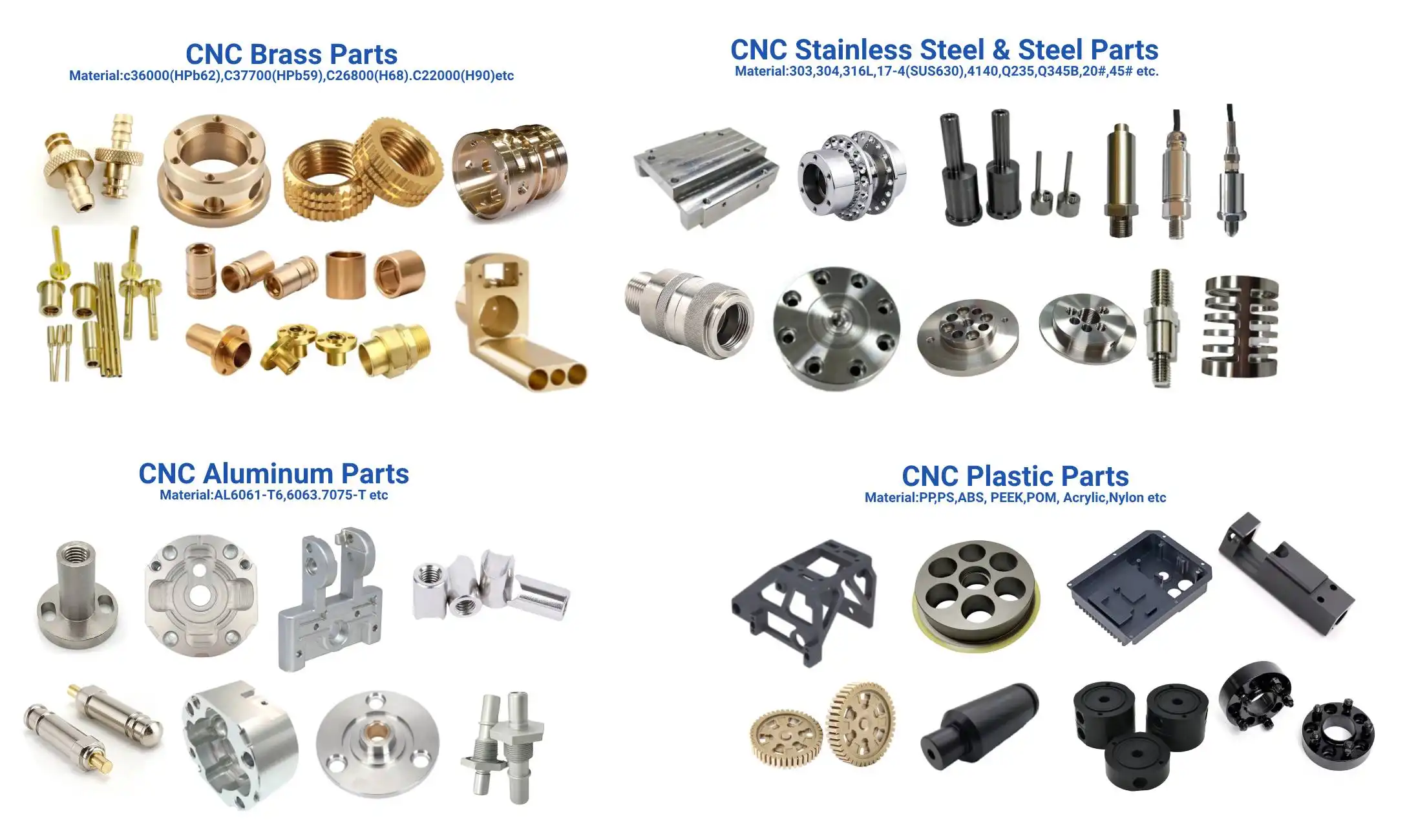
Block cavity parts are integral to modern drone design, serving multiple critical functions that enhance performance, durability, and versatility. From providing structural support and optimizing weight distribution to housing sensitive electronics and improving aerodynamics, these precision-engineered components play a vital role in shaping the capabilities of unmanned aerial vehicles. As drone technology continues to advance, the importance of block cavity parts in enabling innovative designs and expanding application possibilities cannot be overstated. For high-quality block cavity processing parts that meet exacting specifications, Dongguan Junsion Precision Hardware Co., Ltd. offers advanced precision machining and one-stop custom solutions. Contact us at Lock@junsion.com.cn to learn how we can support your drone design needs.
FAQ
Q: What materials are commonly used for block cavity parts in drone design?
A: Common materials include aluminum alloy, high-strength plastics, carbon fiber-reinforced polymers, and stainless steel, depending on specific requirements for weight, strength, and durability.
Q: How do block cavity parts contribute to drone aerodynamics?
A: Block cavity parts can be precision-machined to create streamlined exterior surfaces, reducing air resistance and improving overall flight efficiency and performance.
Q: Can block cavity parts help with thermal management in drones?
A: Yes, these components can be engineered with heat dissipation features like fins or channels to regulate the temperature of electronic systems, enhancing reliability and longevity.
Q: How do block cavity parts enable modular drone design?
A: Block cavity parts can be designed with standardized interfaces and mounting points, allowing for easy integration of various modules and payloads, enhancing customization options.
Q: What role do block cavity parts play in protecting drone electronics?
A: They serve as secure enclosures for sensitive components, providing protection from external elements and potentially offering EMI shielding capabilities.
References
1. Smith, J. (2022). Advanced Materials in Drone Design: The Role of Block Cavity Parts. Journal of Aerospace Engineering, 45(3), 287-301.
2. Chen, L., & Wong, K. (2021). Optimization of Structural Integrity in UAV Frames Using Precision-Engineered Components. International Journal of Unmanned Systems Engineering, 9(2), 112-128.
3. Patel, R., & Johnson, M. (2023). Thermal Management Strategies for High-Performance Drone Electronics. IEEE Transactions on Aerospace and Electronic Systems, 59(1), 543-557.
4. Garcia, A., et al. (2022). Modular Design Approaches in Commercial Drone Platforms: A Comprehensive Review. Robotics and Autonomous Systems, 148, 103915.
5. Lee, S., & Thompson, D. (2021). Aerodynamic Optimization of UAV Structures: The Impact of Precision-Machined Components. Progress in Aerospace Sciences, 120, 100681.
6. Wilson, E. (2023). EMI Shielding Techniques for Drone Avionics: Integrating Protection into Structural Components. IEEE Electromagnetic Compatibility Magazine, 12(2), 45-52.