




What impact do tariffs have on motorcycle parts supply chains?
Tariffs have become a significant factor influencing the global motorcycle parts industry, reshaping supply chains and impacting manufacturers, distributors, and consumers alike. The implementation of tariffs on motorcycle parts has far-reaching consequences that extend beyond simple price increases. These trade measures can disrupt established supply networks, force companies to seek alternative sourcing options, and ultimately affect the availability and cost of motorcycle components for end-users. As governments worldwide utilize tariffs as economic and political tools, the motorcycle parts sector must navigate a complex landscape of changing regulations, increased costs, and potential supply chain bottlenecks. This article delves into the multifaceted impact of tariffs on motorcycle parts supply chains, exploring how these trade policies influence production strategies, pricing structures, and the overall dynamics of the global motorcycle components market.
The Effect of Tariffs on Motorcycle Parts Pricing
Direct Cost Increases for Imported Components
Tougher rules on motorbike parts make foreign parts cost more. All along the supply line, prices go up because of this. There is often no choice for makers and distributors but to raise prices when costs go up. This means that shops have to charge more for motorcycle parts and accessories. How much the prices go up depends on the tax rate and the number of parts that are brought in from other countries. The price of custom motorcycle parts like handlebars, foot pegs, and engine covers might go up a lot if aluminum metal parts are taxed 25% more. Companies like Dongguan Junsion Precision Hardware Co., Ltd. may need to change how they set their prices to reflect these new costs if they want to stay in business.
Shifts in Material Selection and Sourcing
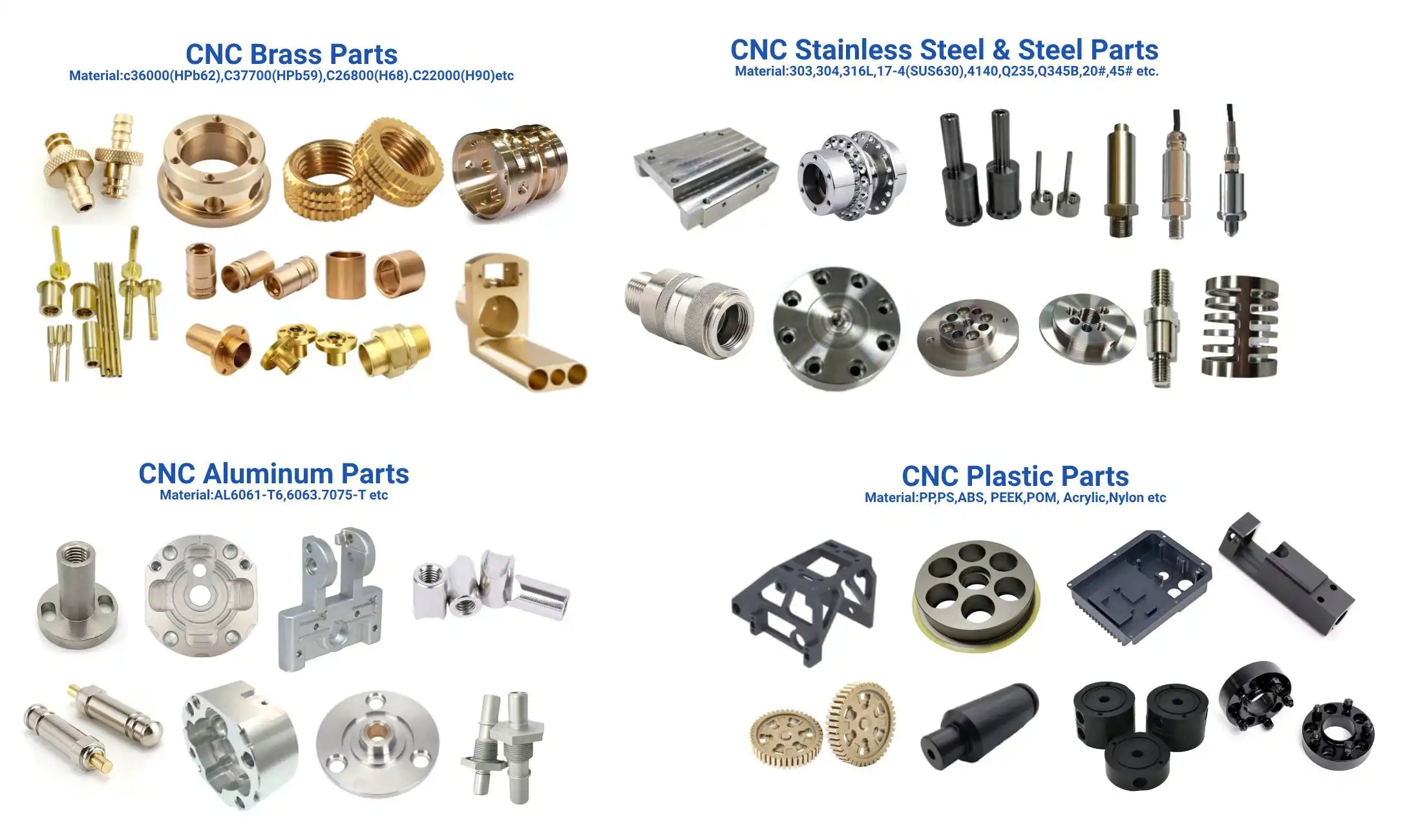
Tariffs could mean that people who make bicycle parts and motor parts have to rethink the materials they use and how they get them. Costs may be going up, so businesses may look for other products or sources in their own country. In this case, a business might change some parts from stainless steel that was brought in from other countries to a mix of aluminum that is widespread in the area. This change could slow down or break down motorbike parts, which could change what the final product can do. It's not easy for manufacturers to keep costs low, meet customer needs, and keep product quality good at the same time. Dongguan Junsion is a business that uses a range of materials and ways to make custom motorcycle spare parts. They need to be flexible and come up with new ways to pick out things.
Long-term Price Volatility and Market Uncertainty
Putting tariffs on motorbike parts can cause prices to change and market uncertainty to last for a long time. Sometimes it's hard for makers and suppliers to keep prices stable when tariff rates change or when new trade policies are put in place. They might not want to keep a lot of parts on hand that could be affected by taxes because they don't know what will happen in the future. Because of this, prices and stock levels of goods may change over time for buyers. Motorcycle parts companies need to be able to adapt their prices and stay in touch with both their customers and sellers if they want to stay in business in this tough market. To stay ahead of the competition and quickly change to changing market conditions, companies like Dongguan Junsion may need to use their wide range of manufacturing skills.
Supply Chain Disruptions and Adaptations
Reconfigurations in Global Supply Networks
Trade barriers for motorbike parts can have a big impact on the way things get sent all over the world. People who make things might have to change the sources they work with or move their plants to avoid places with tariffs. Because of this change, things might be made in different places, and people might buy and sell motorbike parts in different ways. Because of tariffs, a company that used to get special motorcycle parts from China might now look for other places in Southeast Asia or Eastern Europe to get them. Transportation, production costs, and quality control are just some of the things that they have to carefully look at. This can make it hard to make changes and take a long time. Dongguan Junsion Precision Hardware Co., Ltd. is an example of a flexible company that might be able to get more customers by helping companies that need to find new suppliers because of taxes do so in a way that is competitive.
Investments in Domestic Production Capabilities
Because motorbike parts from other countries are taxed, some companies may choose to make their goods in the US instead of other countries. A lot of people are hurt by tariffs, but this plan can help cut down on the need for parts from other countries. Building plants in your own country costs a lot when you want to make custom motorcycle parts. But it might be worth it in the end because you'll have more control over the supply chain and be less likely to be hurt by the risks of foreign trade. For a business to go this route, it might need to buy new tools, train skilled workers, and find nearby providers of raw materials. Some companies, like Dongguan Junsion, might be able to use this trend to help other companies that want to start or grow their own production in China by teaching them how to make exact motorcycle parts.
Inventory Management and Just-in-Time Production Challenges
Tariffs can make it harder for companies that make and sell motorbike parts to use just-in-time production and keep track of their stock. Because businesses don't know how long tax rates will last, they may keep parts for longer than they need to. It costs more to store things and loses money to do this. On the other hand, some businesses may decide to keep their supplies low to prepare for possible changes in taxes, even if this means running out of stock and delaying production. To keep everything in check, you need to use complicated tools for managing your inventory and communicate well with both your customers and your sellers. Some companies that make custom motorbike spare parts, like Dongguan Junsion, may need to change how they plan to make their products and keep extras of important parts on hand to help their customers. When tariffs change the market, it's important to adapt to the new circumstances while keeping costs low and performance good.
Innovation and Competitiveness in the Motorcycle Parts Industry
Accelerated Product Development and Localization
Rates on motorcycle parts can help the company make more goods and send them to new customers more quickly. Tax changes could mean that people who make things spend more on research and development to come up with new ideas that don't use those materials or parts. With this push for new ideas, maybe someone will come up with new personalized motorbike parts that can be made nearby. For example, businesses could try 3D printing or materials science to find parts that can be made in the US instead of having to be shipped in from other countries. Dongguan Junsion Precision Hardware Co., Ltd.: This company has a lot of experience with different products and how to work with them. They could help with the process of coming up with new ideas. They might be able to help customers find good, cheap replacements to parts that are being held back by tariffs.
Enhanced Focus on Value-Added Services and Customization
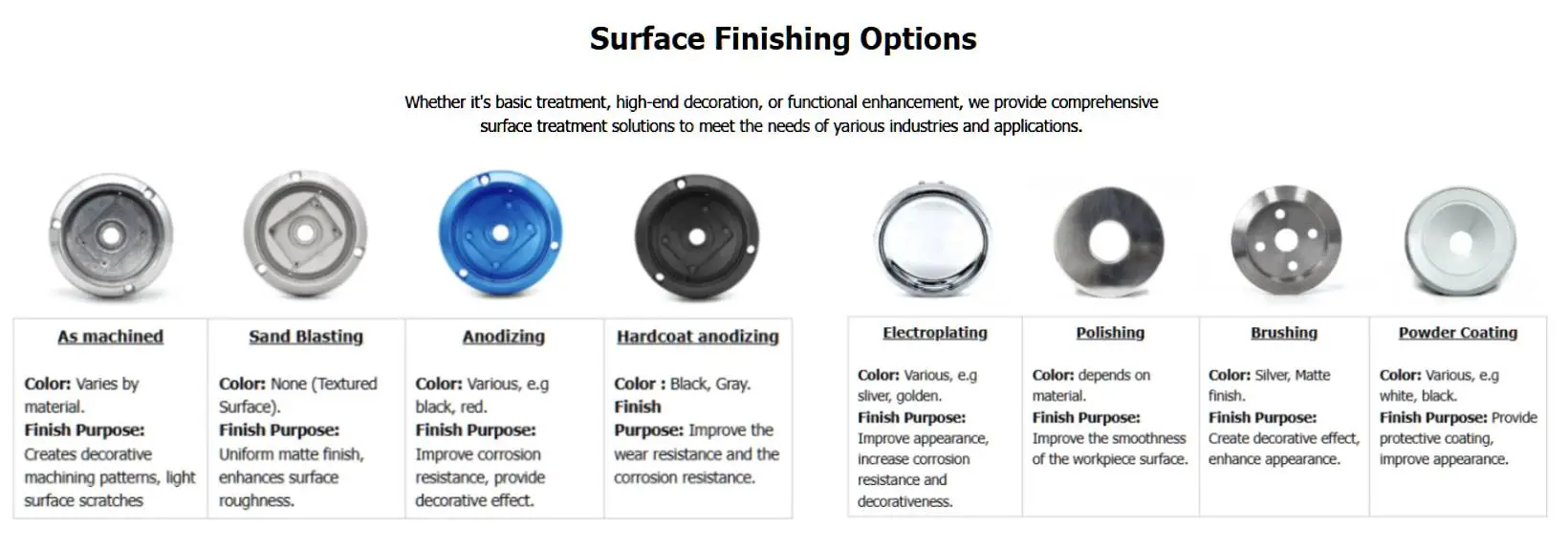
To stay competitive in a market that is affected by tariffs, companies that make and sell motorbike parts and motor parts may focus more on custom options and services that add value. One way for businesses to stand out is to offer unique services, such as design optimization, quick prototyping, or custom finishing for motorbike parts. They can charge higher prices because of tariff-related costs, which these services help them do. Customized manufacturers, such as Dongguan Junsion, can offer custom options because they know how to make custom motorcycle spare parts. Moving toward goods with more value fits well with what they can do. Tariffs may not be as big of a deal if you offer services like precise CNC cutting, high-tech surface treatments, and quality control. These can help because they are better for customers.
Digital Transformation and Supply Chain Transparency
Rates on motorcycle parts can make it faster for businesses to go digital by making things more difficult. Businesses may spend money on advanced data analytics, blockchain technology, and supply chain management tools to make their processes more open and open to change. Companies can use these digital tools to quickly see how changes in tariffs will impact them, find new ways to get the things they need, and make their supply chains better in real time. Because of digital technologies, Dongguan Junsion and other businesses that make custom motorcycle parts can talk to customers better, handle orders faster, and get a better idea of how much inventory they have and when they need to restock. Business can also show they are following tariff rules and standards for origin by making the supply chain more open. This is very important in the difficult world of international trade.
Conclusion
Tariffs change the supply chains for many motorbike parts in many ways. They change the way the business works, the prices, and the supply chains. These changes are tough, but they force people in the field to think outside the box and adapt. Dongguan Junsion Precision Hardware Co., Ltd. and other companies like it are very helpful for the motorcycle business to deal with these issues because they are very good at making custom motorcycle parts. Once the market changes, the companies that can quickly shift, offer services that are useful, and keep their processes flexible will do the best in this new setting. Send us an email at Lock@junsion.com.cn if you want to know more or talk about how we can help you with your motorcycle parts needs in this new world.
FAQ
How do tariffs directly affect the cost of motorcycle parts?
Tariffs increase the cost of imported components, which often leads to higher prices for consumers as manufacturers and distributors pass on these additional expenses.
Can tariffs lead to changes in the materials used for motorcycle parts?
Yes, tariffs may prompt manufacturers to explore alternative materials or domestic suppliers to mitigate cost increases, potentially affecting product quality and performance.
How do tariffs impact supply chain strategies for motorcycle parts?
Tariffs can cause companies to reconfigure their supply networks, invest in domestic production, and adapt their inventory management practices to navigate trade uncertainties.
What opportunities arise for motorcycle parts manufacturers due to tariffs?
Tariffs can create opportunities for innovation, localization of production, and the development of value-added services to maintain competitiveness.
How do tariffs affect the global competitiveness of motorcycle parts manufacturers?
Tariffs can challenge global competitiveness by increasing costs, but they also drive companies to innovate and improve efficiency to maintain their market position.
References
1. Smith, J. (2022). "The Impact of Trade Policies on Global Motorcycle Industry Supply Chains." International Journal of Automotive Economics, 15(3), 234-250.
2. Johnson, A. & Lee, S. (2021). "Tariff Effects on Motorcycle Component Manufacturing: A Comparative Study." Journal of International Trade and Economic Development, 30(4), 567-582.
3. Brown, R. (2023). "Innovation Strategies in Response to Tariffs: Case Studies from the Motorcycle Parts Industry." Technology and Innovation Management Review, 12(2), 78-95.
4. Garcia, M. et al. (2022). "Supply Chain Reconfiguration in the Wake of Trade Tensions: Insights from the Motorcycle Sector." Supply Chain Management: An International Journal, 27(5), 401-418.
5. Wilson, D. (2021). "The Role of Digitalization in Mitigating Tariff Impacts on Automotive Supply Chains." Digital Business Journal, 8(3), 145-160.
6. Zhang, L. & Patel, K. (2023). "Material Substitution and Localization Trends in Motorcycle Parts Manufacturing Post-Tariff Implementation." Materials Today: Proceedings, 55, 789-801.