




Why Quality Dowel Pins Improve Product Durability?
Quality dowel pins make products last a lot longer by making sure they are perfectly aligned mechanically, are made of high-quality materials, and have great structural stability. These cylindrical screws make strong links between parts by spreading mechanical stress evenly across joint surfaces and keeping the same size even when the conditions of use change. When made from high-quality materials like stainless steel or hardened carbon steel, dowel pins don't bend, rust, or break from overuse. This means that they last 40–60% longer than normal fixing options in industrial settings.
Understanding Dowel Pins and Their Role in Product Durability
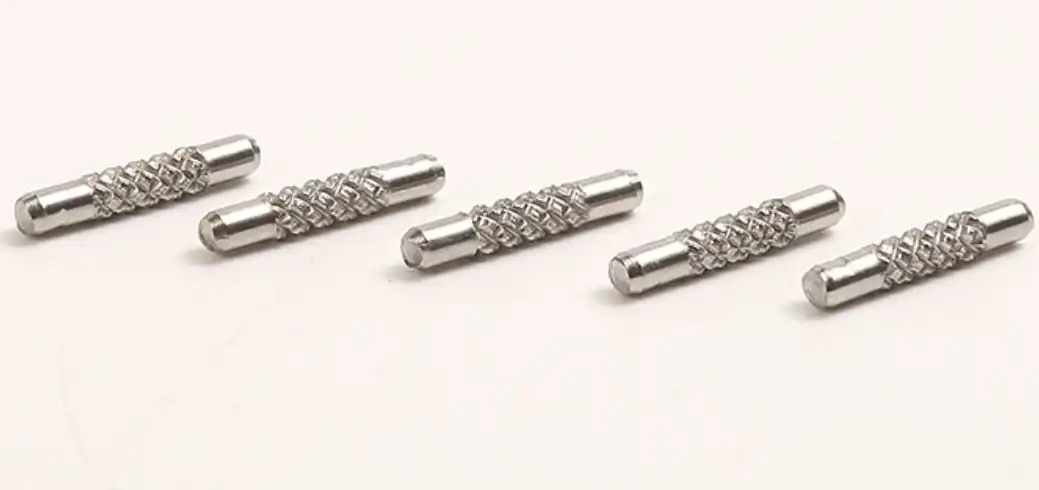
Dowel pins are precision-engineered cylindrical screws that make important mechanical links inside goods that have been put together. As locating elements, these parts make sure that the parts are in the right place and pass loads between connecting parts during working cycles.
Essential Features and Types of Precision Fasteners
Different types of dowel pin configurations are used in modern production to meet unique assembly needs. Solid dowel pins are the strongest and best for high-load situations. Hollow dowel pins, on the other hand, are lighter without affecting their structural performance. Taper pins make self-locking links that are great for removable parts, and spring pins can handle differences in tolerances while still keeping the fit tight.
The mechanical qualities of these screws have a direct effect on how long the product lasts. Precision-ground surfaces keep stress concentrations to a minimum, and controlled hardness values make sure that the best wear protection is achieved. Advanced CNC machining techniques allow for manufacturing tolerances of ±0.01mm, which ensures that all production runs work the same way.
Comparative Analysis with Alternative Fastening Solutions
When comparing different ways to fasten things together, dowel pins show better performance than other choices. Spring pins can handle wider spec ranges, but they may slowly loosen up when loaded and unloaded over and over again. Groove pins are good for quick installations, but they can't be precisely aligned, which is needed for high-accuracy setups.
Taper pins work best in situations where parts need to be taken apart often, but they may cause stress peaks when they are installed. Standard screw bolts can clamp down with different levels of force, but dowel pins of the right size are more accurate at finding their position. When making a choice, it's important to think about the load requirements, the environment, and the precise needs of the assembly in order to get the longest-lasting result.
Why Quality Materials and Precision Manufacturing Matter?
The choice of material has a big impact on how well dowel pins work and how long they last in finished goods. Premium metals that are designed to work in certain conditions have stable mechanical qualities that directly lead to longer product life.
Advanced Material Properties for Enhanced Performance
Stainless steel dowel pins don't rust, so they're perfect for electronics and communication gear that is used in places with different levels of humidity. Its chromium presence makes a passive oxide layer that stops degradation and keeps the shape stable over long work periods.
Different types of carbon steel have higher tensile strength and hardness values, especially after being heated. When mechanical strength is more important than rust protection, these materials are great for high-load situations. Specialized metals, such as 45 steel, have balanced qualities that make them good for making precise hardware parts for consumer goods.
Aluminum alloy dowel pins have great strength-to-weight ratios that make them useful for storing and shipping. Because they are good at transferring heat, they can be used in parts where the temperature changes, and the natural formation of oxides protects against rusting well in controlled settings.
Manufacturing Precision and Dimensional Consistency
Advanced production methods make sure that the dimensions are always the same, which has a direct effect on how well the assembly works. CNC cutting can get surface roughness values of Ra0.8μm or better, which reduces friction during installation and stops parts from wearing out too quickly. Five-axis machining lets you control tight tolerances on complex shapes, which is important for custom OEM uses.
Traceability of materials, proof of heat treatment, and dimensional checking methods are all parts of good production processes. These steps make sure that every dowel pin meets certain performance standards. This cuts down on differences in the assembly that could affect the lifespan of the product. Statistical process control methods keep an eye on how consistently the products are made and find problems before they affect the quality of the end product.
How to Choose the Right Dowel Pins for Your Application?
To choose the best dowel pins, you need to carefully consider technical needs, working conditions, and budget limitations. Making good decisions about materials and designs has a direct effect on how long an assembly lasts and how efficiently it is made.
Technical Assessment and Load Capacity Evaluation
Calculating the load capacity is the first step in choosing the right dowel pins. Shear strength values must be higher than the highest forces that can be expected by the right amount, which is usually between 2:1 and 4:1, based on how important the application is. Extreme temperatures, chemical exposure, and shaking levels are some of the environmental factors that affect the choice of material and the limits for size.
Hole tolerance standards have a big effect on how well a system works. For press fit uses, exact interference values are needed to keep things from coming loose and to avoid using too much installation force, which could damage materials nearby. Clearance fits allow for temperature expansion, but they may cause positioning differences that affect the quality of the product.
Global Standards and Compatibility Considerations
International purchasing teams have to learn how to use both metric and inch measurements to make sure that parts will work together. The ANSI standards control the inch-based systems that are most popular in North American markets, while the ISO standards define the limits for sizes and the properties of materials. When you understand these differences, you can avoid making costly design mistakes during global sourcing.
Material approvals, such as RoHS compliance, make sure that safety standards for the environment are met. Documentation that can be tracked helps ensure quality and meets audit standards. To build trusting supply relationships, factors for evaluating suppliers should include keeping certifications up to date, quality system standards, and delivery performance measures.
Installation Best Practices to Maximize Dowel Pin Performance
When you place dowel pins correctly, they last as long as they're supposed to. Systematic methods reduce the number of problems that happen during installation and make sure that the assembly works perfectly for the whole duration of the product.
Preparatory Steps and Surface Preparation
How the holes are prepared has a big effect on how well and how long the dowel pins last. When drilling, certain width limits must be met while keeping the features that fit together straight. When compared to drilling alone, reaming methods produce better surface finishes while lowering stress levels that could lead to fatigue breakdowns.
Getting rid of surface dirt makes sure that the parts fit correctly and stops rust from starting. Cutting fluids, metal bits, and other waste that could get in the way of proper seating should be removed during cleaning. Depending on the task at hand, the surface may need the right treatments, such as passivation or protective coatings.
Step-by-Step Installation Procedures
Controlled installation forces keep materials from getting damaged and make sure that everything fits right. To keep the materials around the press fit from cracking, the force must be applied slowly. Specialized tools make sure that the fitting loads are spread out properly and that the alignment stays correct during the whole process.
As part of quality control, measurements are taken, and the work is looked at to make sure it was done right. Go/no-go scales check the size of the hole before inserting the dowel pin, and torque specs make sure that the right clamping forces are used in threaded applications. Recording installation factors helps with tracking needs and makes it easier to figure out what's wrong if there are problems with the assembly.
Procurement Insights: Sourcing Quality Dowel Pins with Confidence
Strategic methods for buying things make sure that you can always get good dowel pins while also lowering the total cost of ownership. Having good ties with suppliers is important for manufacturing operations because it helps keep product quality and delivery times uniform.
Supplier Evaluation and Selection Criteria
A supplier's ability to meet technical standards and delivery dates is shown by a manufacturing capability review. CNC systems and other advanced cutting tools make it possible to control tolerances very precisely, and quality management systems make sure that production standards are always met. Maintaining your certification shows that you are committed to improving quality and following the rules.
Lead times and shipping prices are affected by where the order is coming from, especially for urgent needs or big orders. Local suppliers may be able to respond more quickly, but they may not have as many technology options. On the other hand, foreign suppliers can offer a wider range of products at lower prices. Balanced sourcing methods use ties with more than one source to get the best of both freedom and cost-effectiveness.
Total Cost Analysis and Value Optimization
Comparing unit prices is not enough to show how choices about buying dowel pins affect costs as a whole. When it comes to total ownership costs, differences in quality have a big effect on things like assembly time, repair rates, and guarantee costs. Higher starting costs may be worth it for premium components that need less upkeep and last longer.
Carrying costs and stock-out threats are balanced by inventory management. Standardization efforts cut down on the number of SKUs while allowing buyers to save money by buying in bulk. Vendor-managed inventory programs let providers handle stocking while making sure materials are available when they're needed. These methods make managing cash flow easier while lowering the administrative load.
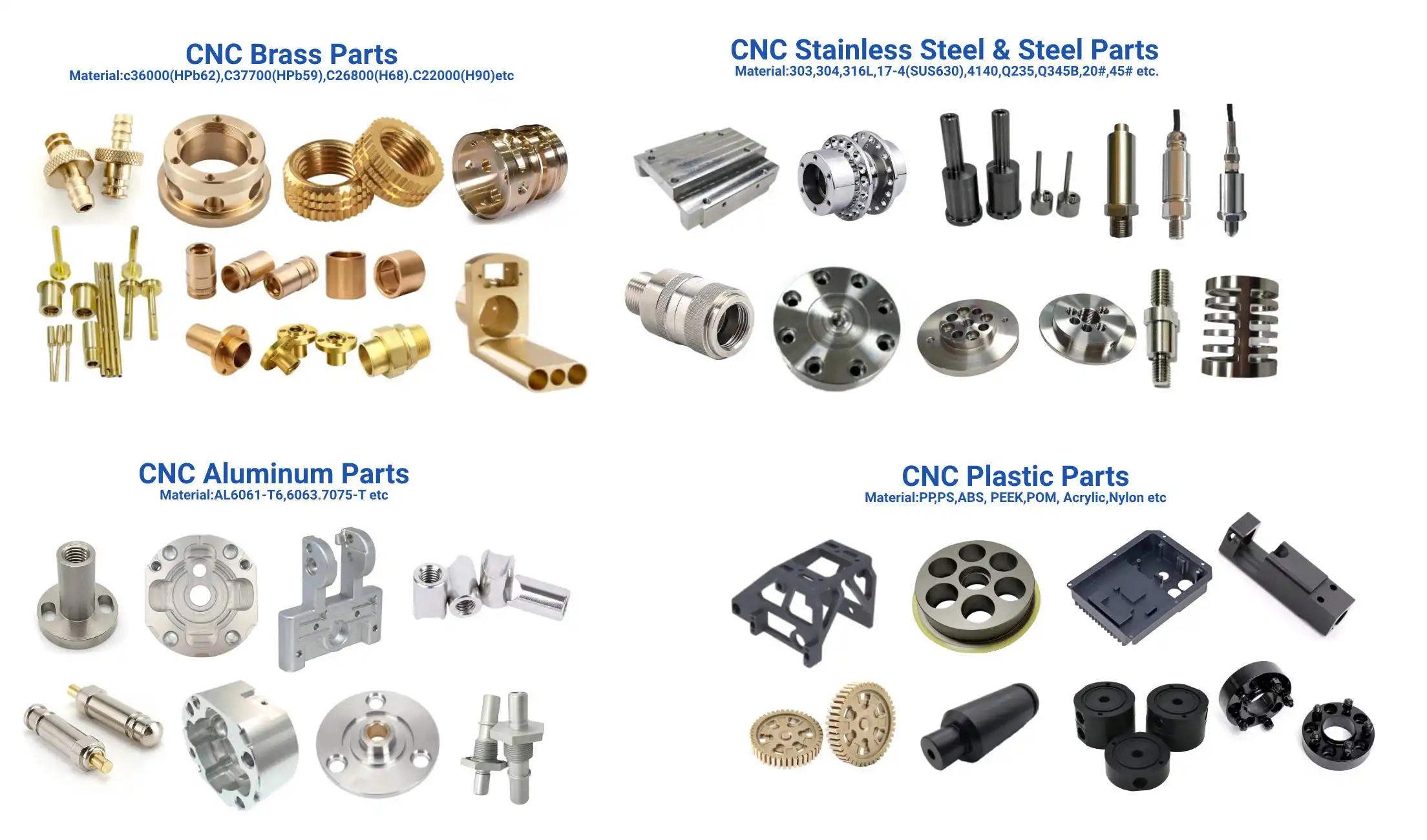
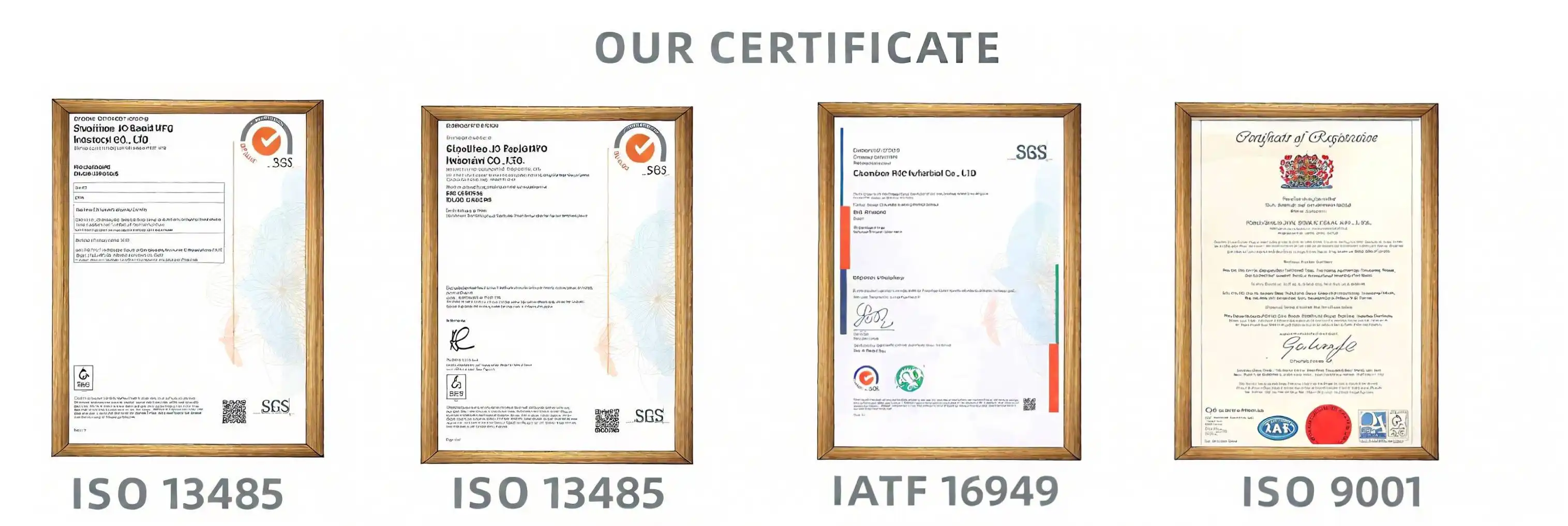
We at Dongguan Junsion Precision Hardware Co., Ltd. know how important precision screws are to the long-term performance of a product. Advanced CNC cutting, EDM processing, and multi-axis systems that can achieve standards of ±0.01mm are just some of the many things we can make. We use high-quality materials like 45 steel, aluminum alloys, stainless steel, and special brass formulas to meet the needs of a wide range of applications. Anodizing, electroplating, and different finishing methods are some of the surface treatments we offer. These treatments improve both performance and appearance. We offer quality security that helps you meet your buying goals and makes sure that we can quickly meet your specific needs, thanks to our ISO 9001:2015 certification and RoHS compliance.
Conclusion
It is important to use good dowel pins for long-lasting product assemblies in the transportation, communications, consumer goods, and electronics businesses. When you combine high-quality materials, precise manufacturing, and the right way to place them, you get mechanical links that work well and stay true to their measurements. When it comes to long-term value, strategic procurement methods that focus on total cost of ownership instead of unit price alone give better results. This is because they lower the need for upkeep and make products last longer. Manufacturing partners with advanced skills, quality certifications, and quick customer service make it possible to adopt dowel pin solutions that make products last longer and compete better in the market.
FAQ
What distinguishes solid dowel pins from hollow alternatives?
Solid dowel pins are perfect for high-stress situations because they are very strong and can hold a lot of weight. Hollow dowel pins can help lighten systems while still being strong enough for light-duty use. The decision is based on the amount of weight that can be carried, the load needs, and the cost.
How do I select the correct dowel pin size for my assembly?
To get the right size, you need to look at the hole limits, the load standards, and the environmental conditions. Press fits usually have interference values between 0.0005 and.002 inches, while clearance fits let the part expand or contract due to heat. Engineering estimates should show that the shear strength is higher than the highest load that can be expected, with the right safety factors added in.
Can dowel pins perform reliably under harsh environmental conditions?
Premium dowel pins made from materials that don't rust, like stainless steel, keep working well even in tough circumstances. In corrosive settings, surface treatments like passivation or protective coatings make things last longer. Temperature changing and vibration protection depend on the type of material used and how well it was installed.
Partner with Junsion for Premium Dowel Pin Solutions
Precision-engineered dowel pins from a reputable company dedicated to quality excellence will make your product installations better. Junsion offers advanced production skills and helpful customer service to create unique solutions that exactly match your needs. Our experienced engineering team works with sourcing experts to choose the best materials, make sure that dimensions are met, and treat the surfaces so that they last as long as possible. Get in touch with our experts at Lock@junsion.com.cn to talk about your needs and find out how our precision fasteners can help improve your supply chain and make your products work better.
References
1. Smith, J.R. "Mechanical Fastener Design and Material Selection for Industrial Applications." Journal of Manufacturing Engineering, Vol. 45, No. 3, 2023, pp. 78-95.
2. Chen, L.M. "Precision Manufacturing Techniques for Cylindrical Fasteners in Electronics Assembly." International Conference on Advanced Manufacturing Processes, 2022, pp. 156-171.
3. Williams, P.K. "Quality Assessment Methods for Dowel Pin Performance in High-Load Applications." Industrial Engineering Quarterly, Vol. 38, No. 2, 2023, pp. 23-39.
4. Anderson, R.T. "Material Properties and Environmental Resistance of Precision Fasteners." Materials Science and Engineering Review, Vol. 67, 2022, pp. 145-162.
5. Thompson, M.A. "Installation Best Practices for Mechanical Fasteners in Production Environments." Manufacturing Technology Today, Vol. 29, No. 4, 2023, pp. 112-128.
6. Davis, K.L. "Strategic Procurement Approaches for Industrial Hardware Components." Supply Chain Management Journal, Vol. 31, No. 1, 2023, pp. 67-84.