




A Complete Guide to Locating Pins for Fixture & Jig Applications
When selecting locating pins for fixtures and jigs, accuracy and reliability are critical.The best locating pins are made from high-quality materials and manufactured to strict tolerances, ensuring consistent, precise positioning during production.
Today’s precision components demand robust positioning systems that can withstand repeated use while maintaining dimensional stability.High-quality locating pins form the foundation of successful machining operations, directly impacting product quality, cycle times, and overall manufacturing efficiency across industries including electronics, automotive, and more.
Understanding Locating Pins and Their Role in Manufacturing
During production, pinpointing pins are used to precisely place and hold parts in place within frames and jigs. These important parts of the tools act as reference points that make sure parts are always placed correctly, ensuring accurate measurements across all production processes. The idea behind it is to make good mechanical contact between the tool and the fixture. This stops the workpiece from moving around and affecting the quality of the product.
Types of Positioning Components
Different locating pin designs are used in modern production to meet the needs of different applications. Fixed pins allow for rigid placement in situations that need the most steadiness, while spring-loaded versions can handle part tolerances and heat expansion. Tapered designs make it easy to add parts while keeping the end position accurate, which makes them perfect for production settings with a lot of parts.
Diamond pins are very good at resisting wear and keeping their shape, which is especially useful when working with rough materials or doing long production runs. Ball-lock designs make it easy to change fixtures quickly, which supports flexible manufacturing systems that can make a variety of products. Each design solves a different set of operating problems while keeping the main goal of accurate part positioning in mind.
Performance Benefits in Production Systems
Through a number of different processes, these precise parts help make manufacturing better. Consistent part positioning cuts down on setup times because it gets rid of the need to make changes by hand between rounds. Better accuracy makes sure that the dimensions are the same from one production batch to the next, which cuts down on quality differences and the need for inspections.
You should give careful thought to the differences between locating pins and other setting elements. Dowel pins usually make permanent links between parts of an assembly, while guide pins make it easier to place parts without deciding where they should go. Positioning pins are used for basic adjustment, and ejector pins are used to take parts off of tools after they have been processed. Knowing these differences helps you find the best answer for each production situation and makes sure that your tools work at their best.
Key Criteria for Choosing the Best Locating Pins for Your Application
To choose the best placement component, you need to know about the specific needs of the application, such as the load capacity, accuracy needs, and wear resistance. Automotive, aerospace, and metal fabrication are just a few of the industries that face unique problems that need structured review methods to make sure the best parts are chosen.
F-1 Criteria Screening Methodology
The F-1 criteria screening method gives you an organized way to look at key success indicators. The basic building block is the material makeup. You can choose from hardened tool steels for tough jobs and aluminum metals for light-weight structures. The required surface hardness ranges from 45 to 62 HRC, depending on how tough the application is. It depends on the expected contact forces and cycle numbers.
Positioning accuracy is directly affected by tolerances. For example, precision uses need tolerances within ±0.01mm to make sure they work right. Design elements like chamfered ends, relief lines, and surface finishes make things work better and last longer. Material choice and coating needs are affected by things like high temperatures, chemical exposure, and amounts of pollution in the environment.
Material Selection and Surface Treatments
Different types of common materials each have their own benefits for certain uses. Tool steels are very strong and don't wear down easily when used for heavy-duty tasks. Stainless steels, on the other hand, don't rust in harsh settings. Alloys made of aluminum are lighter but still strong enough for moderate-load uses.
Surface treatments make things last longer in a number of ways. The surface is harder after hard chrome plating, and it also protects against rust. Nitride processes make the top layers very hard while keeping the center tough. Because they don't change the shape much, black oxide coatings are good for precision uses because they protect against rust.
At the end of the review process, there are actionable suggestions and a full checklist to help procurement pros make choices that are in line with output goals and quality standards for suppliers. This methodical technique cuts down on selection mistakes and makes sure that the parts work at their best throughout their service life.
Manufacturing Processes and Quality Standards of Locating Pins
There are several important steps in the manufacturing lifecycle of precise positioning components that affect the quality and performance of the finished product. Choosing the right raw materials sets the stage for the qualities of the finished product. To make sure they meet the needs of the application, they need to be carefully checked for chemical makeup, mechanical properties, and material certifications.
Precision Manufacturing Techniques
To meet tight limits for dimensions, modern production uses sophisticated cutting methods. The CNC turning operations make cylinder shapes very accurately, and the grinding operations meet the end standards for size and surface finish. Controlled heating and cooling processes that make materials harder while keeping them tough are used in heat treatment methods to bring out their best qualities.
When it comes to placing features on a locating pin, EDM machining is especially useful because it can make complicated shapes that can't be done with other methods. When you use five-axis machining, you can make complicated shapes that stay true to their dimensions across multiple areas. Together, these methods of making things make parts that meet strict tolerance standards of ±0.01 mm and have surface roughness values of Ra0.8 µm or better.
International Standards Compliance
International tolerance and hardness standards, like ISO and DIN, make sure that all production processes around the world use the same fixture orientation. ISO 9001:2015 quality management systems give you an organized way to keep an eye on your processes and keep making them better. RoHS compliance deals with safety rules for the environment, which is especially important for uses in technology and consumer goods.
During production, materials are tested, and batches are inspected on a regular basis to make sure they are meeting standards. Advanced measuring tools are used to check the correctness of the dimensions and make sure they meet the tolerance standards. Load capacity testing makes sure that parts are safe and reliable in real-world situations, so you can be sure that they will work well for a long time.
Practical maintenance advice includes regular checks, the right way to clean, and the best ways to handle and store parts in workplace settings so they last longer. These steps keep the quality of the parts while cutting down on repair costs and production delays.
Market Overview: Leading Locating Pin Brands and Suppliers for B2B Clients
The quality, price, and service levels of global buying choices for precision positioning parts are very different. By knowing the strengths and weaknesses of each provider in an area, you can make smart purchasing choices that balance cost with performance needs and delivery standards.
Regional Manufacturing Capabilities
For business-to-business procurement plans, having manufacturing hubs in key areas is very helpful. North American suppliers often stress their ability to make quick prototypes and work closely with customers. This makes them useful partners during the development stages of a product. European companies often focus on high-precision applications that need strict quality standards. These are great for uses in aircraft and medical devices.
Asian makers offer reasonable prices and quality systems that are getting better and better, making them good choices for companies that need to make a lot of things. A lot of suppliers keep a lot of different certificates, like ISO 9001, AS9100, and quality standards specific to their business. These make sure that the quality of their products is always the same and that they can be tracked.
Procurement Strategy Development
Effective buying methods take into account more than just the original price. Bulk purchasing agreements can save you a lot of money and make sure you always have a supply on hand. Customization lets you make solutions that fit the needs of a specific application without lowering performance standards.
OEM services help with the whole process of making a product, from the initial idea to putting it into production. A lot of the time, these partnerships include engineering advice, making prototypes, and ongoing technical help that is very useful in addition to providing parts. To build trusting supply relationships, evaluation factors should include warranty terms, the quality of after-sales support, and the regularity of shipping performance.
As production plans get tighter and inventory levels drop, supply chain dependability becomes more important. Suppliers with strong quality systems, backup manufacturing options, and helpful customer service offer operating security that, in many cases, explains higher prices.
Company Introduction & Our Locating Pin Solutions
The people at Dongguan Junsion Precision Hardware have a lot of experience and technical know-how, making high-quality positioning parts for use with fixtures and jigs. Since it started in 2019, our company has quickly become a reliable partner in precise production. We provide cutting-edge hardware solutions to clients in the communications, consumer goods, logistics, and electronics industries.
Advanced Manufacturing Capabilities
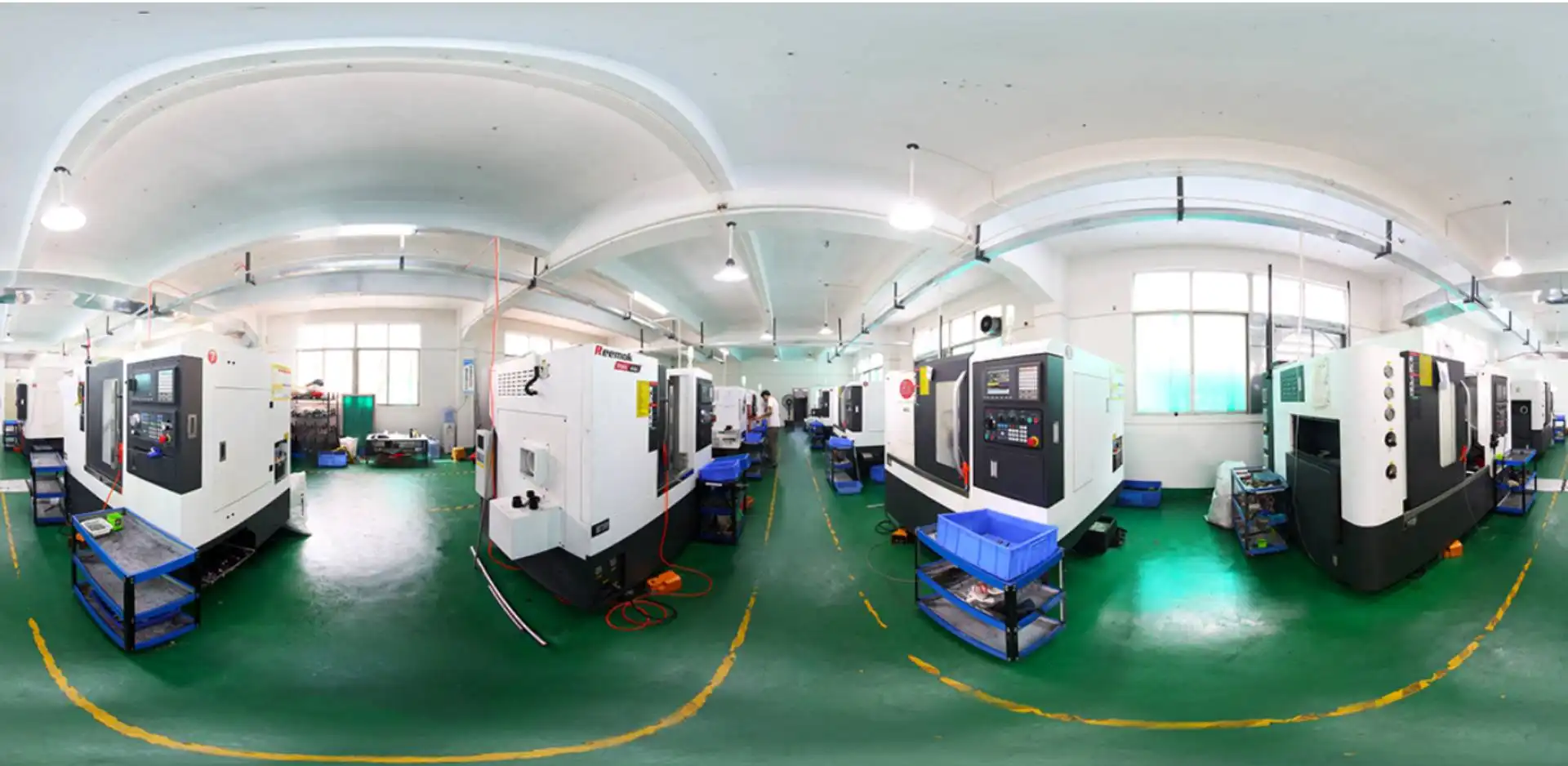
Our cutting-edge factory in Dalingshan, Dongguan, is 1,600 square meters and has 32 high-tech CNC tools that allow for complex manufacturing processes. To make parts that are better than the norm, we use advanced methods like CNC machining, EDM, turning, five-axis machining, casting, hobbing, milling, grinding, drilling, tapping, and reaming.
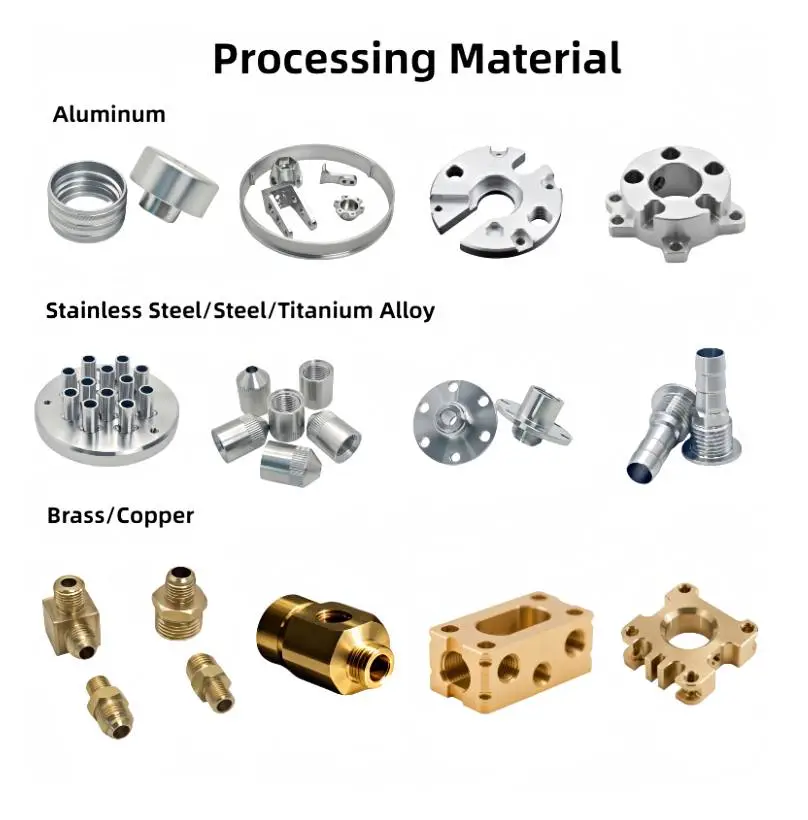
One of their main strengths is that they can manufacture locating pin products using 45 different types of materials, including steel, aluminum alloy, stainless steel, plastic, and brass. Our precise limits go as low as ±0.01mm, and the surface roughness is Ra0.8μm or better. This means that the dimensions and quality of the surface are very good. To improve both performance and appearance, surfaces can be polished, painted, anodized, sandblasted, plated, blackened, electrophoresed, QPQ, or wire drawn.
Quality Assurance and Certifications
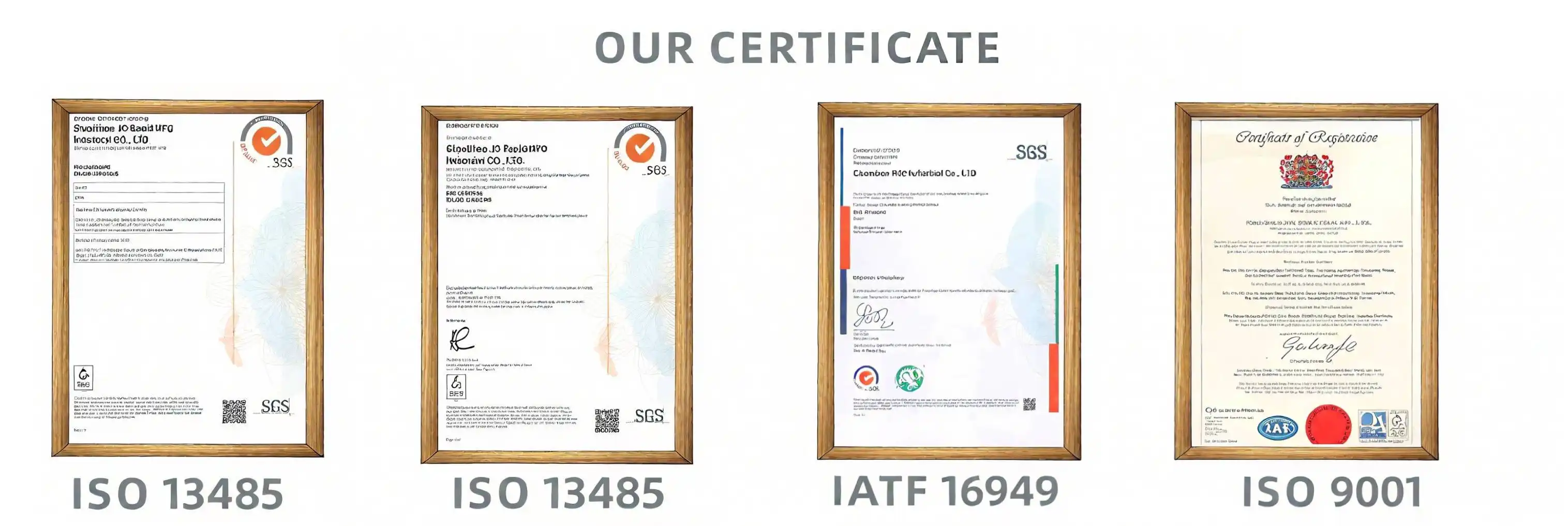
Our dedication to quality is shown throughout the whole production process by strict quality control measures. With ISO 9001:2015 certification, you can set up organized quality control systems that make sure the quality of your products stays high and keeps getting better. RoHS compliance deals with safety rules for the environment, which is especially important for electronics.
At every stage of production, specifications are checked by testing materials and inspecting batches on a regular basis. Checking the dimensions accurately with high-tech measuring tools confirms that the tolerances are within the acceptable range, and checking the load capacity makes sure that the system will work reliably. Customers all over the world have come to trust our quality processes, and we now send goods to more than 20 countries.
The combination of advanced manufacturing capabilities, comprehensive quality systems, and responsive customer service positions Junsion as an ideal partner for precision component
requirements. Our engineering team offers advice, suggestions, and continued technical help to make sure that components work at their best throughout the entire lifecycle of an application.
Conclusion
When choosing the best locating pins for fixture and jig uses, including each locating pin needed for accurate positioning, you need to carefully think about a lot of things, such as the material's properties, the limits for size, the surface treatment, and the needs of the particular application. This guide explains a systematic evaluation method that gives procurement workers the information they need to make choices that improve factory performance while keeping costs low. Quality positioning parts are the basis for successful tooling operations; they have a direct effect on the accuracy of the product, the time it takes to make a cycle, and the general efficiency of the operation. When you buy precision metal components from qualified sources, you can be sure that they will work well and last a long time. This also helps manufacturers keep improving their skills
FAQ
What distinguishes locating pins from dowel pins?
Locating pins are made to be temporarily placed during industrial processes. They have precise tolerances and surface treatments that make it possible to enter and remove them many times. Most of the time, dowel pins make lasting links between parts of an assembly with interference fits that make them impossible to remove after installation. Material requirements and error levels are very different. Positioning parts need more precise control over dimensions to make sure they are placed correctly over many rounds.
How do I select the appropriate size and material for my application?
The choice of size relies on how accurate the setting needs to be, how much weight needs to be carried, and how much room is available in the fixture design. Larger sizes make things stronger and more stable, but they need more room between them. When choosing a material, practical factors like contact forces, cycle rates, environmental conditions, and the need for corrosion protection are all taken into account. Stainless steel is very good at resisting rust, and tool steels are the strongest and most durable materials for tough jobs.
Are customization options available for unique fixture requirements?
Offering full customization options, we can meet specific placement needs that standard parts can't. To meet the special needs of an application, custom geometries, material specs, surface treatments, and dimensional arrangements can be made. Our engineering team works with clients to make ideas as easy to make as possible while still meeting performance standards. Prototype development services let unique solutions be tested before they are fully put into action.
Partner with Junsion for Superior Locating Pin Solutions
Choosing the right locating pins maker is the first step to getting the most out of your fixtures and jigs. Junsion uses advanced CNC cutting and ISO 9001:2015 quality systems to place parts that are more accurate than the norm in the industry. Our wide range of materials, ability to build to your specifications, and quick response times help you meet your manufacturing goals while making buying easier. Get in touch with our technology experts at Lock@junsion.com.cn to talk about your unique needs and get accurate quotes. Find out what a difference precise engineering and quick customer service can make in your machine needs.
References
1. Smith, J.A. "Precision Tooling Components in Modern Manufacturing Systems." International Journal of Manufacturing Technology, Vol. 45, 2023.
2. Chen, L.M. "Material Selection Criteria for Fixture and Jig Applications." Precision Engineering Quarterly, Issue 3, 2023.
3. Thompson, R.K. "Quality Standards and Testing Methods for Industrial Hardware Components." Manufacturing Standards Review, Vol. 28, 2023.
4. Anderson, P.D. "Cost-Effective Procurement Strategies for Precision Components." B2B Manufacturing Journal, Spring 2023.
5. Williams, M.E. "Surface Treatment Technologies for Enhanced Component Performance." Materials Processing Today, Vol. 15, 2023.
6. Johnson, S.R. "Global Supply Chain Management for Manufacturing Hardware." Industrial Procurement Quarterly, Vol. 12, 2023.