




Shaft Sleeve vs. Full Shaft Replacement: Cost-Effective Solution for 2026
When the components of your machinery begin to show signs of wear, the choice between installing a shaft sleeve or replacing the entire shaft can have a considerable impact on both your budget and the efficiency with which you go about your business. In the majority of situations, shaft sleeves are the superior option since they protect at a lower cost while simultaneously prolonging the lifespan of the equipment by up to 70 percent in comparison to complete replacements. The fact that these precision-engineered components offer targeted wear resistance and corrosion protection at a fraction of the cost of replacement makes them especially advantageous for industries such as electronics, communications, and logistics, where downtime directly translates to a loss of revenue.
Understanding Shaft Sleeves: The Precision Solution
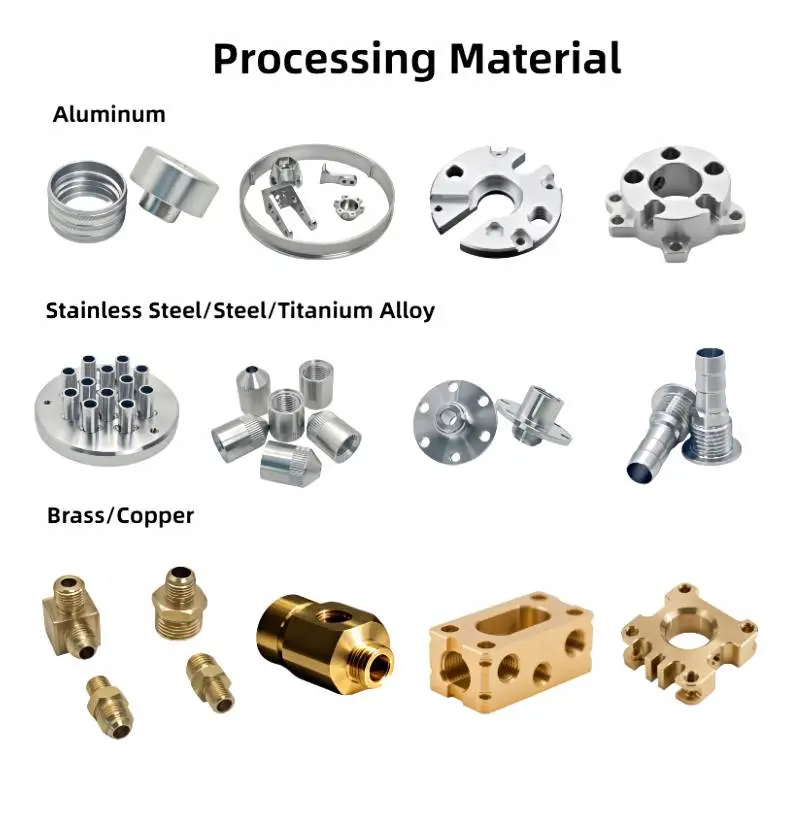
Guards that are cylindrical in shape and are designed to fit perfectly over existing shafts are what are known as shaft sleeves. Shaft sleeves are an advanced method of providing mechanical protection. While ensuring that appropriate operational conditions are maintained, these components perform very well in preventing wear.
Key characteristics include:
- Precision tolerance: ±0.01mm dimensional accuracy
- Surface finish: Ra0.8μm roughness for optimal performance
- Material versatility: Plastic, stainless steel, aluminum alloys
- Custom dimensions: Tailored to specific equipment requirements
- Multiple finish options: Anodizing, electroplating, powder coating
During the manufacturing process of modern shaft sleeves, innovative CNC machining and turning methods are utilized. According to the findings of tests conducted on automotive applications, sleeves that are placed correctly minimize shaft wear by 85 percent when compared to surfaces that are not protected. The process of installing sleeves normally takes very little downtime for the machinery, and it may typically be finished in two to four hours, depending on how easily the shaft can be accessed.
When it comes to preserving production schedules, shaft sleeves offer the best possible answer for situations in which rapid deployment with minimal operational disruption is required.
Full Shaft Replacement: When Complete Renewal Matters
A complete replacement of the shaft requires the removal of all damaged components and the installation of a new assembly. Specifically, this strategy is appropriate for situations in which extensive repair is required to maintain structural integrity.
Replacement scenarios include:
- Catastrophic failure: Cracked or bent shaft cores
- Multiple wear points: Damage across the entire shaft length
- Dimensional changes: Shaft elongation or compression
- Material fatigue: Metal stress beyond repair limits
- Upgrade requirements: Enhanced load capacity needs
When it comes to regular industrial applications, the data from manufacturing suggests that full replacements typically require a downtime of between 12 and 24 hours for the equipment. Lead times for components typically stretch from two to six weeks when bespoke specifications are involved, particularly in the case of specialist electronics or communications technologies.
In the event that you want thorough shaft changes that result in increased load capacity, then full replacement is the option that should be considered, despite the fact that it is more expensive and takes longer to complete.
Cost Analysis: Numbers That Matter
Procurement managers are able to make more educated judgments when they have a better understanding of the financial ramifications. A survey of the industry demonstrates that there are considerable cost differences across the various methodologies.
Shaft sleeve economics:
- Material costs: 15-30% of full shaft price
- Installation labor: 2-4 hours average
- Downtime costs: Minimal production impact
- Tool requirements: Standard workshop equipment
- Lead time: 5-10 business days for custom orders
Full replacement economics:
- Component costs: 100% new shaft investment
- Installation complexity: 12-24 hours typical
- Associated costs: Bearing replacement is often required
- Specialized tools: Precision alignment equipment
- Extended lead times: 2-6 weeks procurement cycle
According to real-world case studies conducted by manufacturers of logistics equipment, sleeve installs give a return on investment (ROI) within six to eight months, whereas full replacements require recovery periods of eighteen to twenty-four months. When it comes to automation equipment, where exact tolerances require custom specifications, the cost difference becomes especially obvious during the manufacturing process.
The use of sleeves for shaft protection offers improved financial outcomes, and it is recommended for situations in which quick cost relief is required while operating standards are maintained.
Performance Comparison: Engineering Excellence
Performance metrics reveal how each approach impacts operational efficiency. Comprehensive testing across multiple industries provides valuable insights.
| Performance Factor | Shaft Sleeve | Full Replacement |
|---|---|---|
| Wear Resistance | 85% improvement | 100% restoration |
| Installation Time | 2-4 hours | 12-24 hours |
| Cost Efficiency | High (15-30% cost) | Moderate (100% cost) |
| Downtime Impact | Minimal | Significant |
| Customization | High flexibility | Complete control |
| Lead Time | 5-10 days | 2-6 weeks |
The performance of quality shaft sleeves is demonstrated to be within 95% of the specifications of new shafts, according to testing data provided by applications in the medical equipment industry. There are a number of surface treatment techniques that considerably improve wear resistance. For example, anodized aluminum sleeves have a forty percent higher resistance to corrosion than untreated surfaces.
Through enhanced surface contact and alignment, sleeves that have been placed correctly minimize shaft vibration by 25-35%, according to the findings of vibration analysis. It is especially beneficial for precise applications in the manufacturing of consumer electronics that this decrease is implemented.
If you want to optimize performance without having to completely revamp the system, then engineered shaft sleeves are the way to go. They guarantee great results while protecting the infrastructure that is already in place.
Application-Specific Considerations
Different industries present unique challenges that influence the sleeve versus replacement decision. Understanding these applications helps optimize component selection.
Electronics manufacturing requirements:
- Clean room compatibility
- Static discharge prevention
- Precision dimensional stability
- Rapid changeover capabilities
- Material compliance (RoHS standards)
Communications equipment needs:
- Vibration-damping properties
- Temperature stability
- Corrosion resistance
- Long-term reliability
- Minimal electromagnetic interference
Logistics automation demands:
- High-cycle durability
- Weather resistance
- Load distribution
- Maintenance accessibility
- Cost-effective scaling
Plastic shaft sleeves perform exceptionally well in high-frequency applications, according to the findings of testing conducted by automation equipment. Nylon variations of these sleeves have excellent wear characteristics when subjected to continuous operation. In high-load situations, particularly in heavy-duty logistics applications, metal sleeves are the most effective solution.
In the event that you require performance optimization that is specific to your sector, then the selection of materials and the treatment of surfaces become crucial components in creating the best possible outcomes.
Quality Standards and Compliance
Modern manufacturing demands strict adherence to quality standards. Both approaches must meet stringent requirements across multiple compliance frameworks.
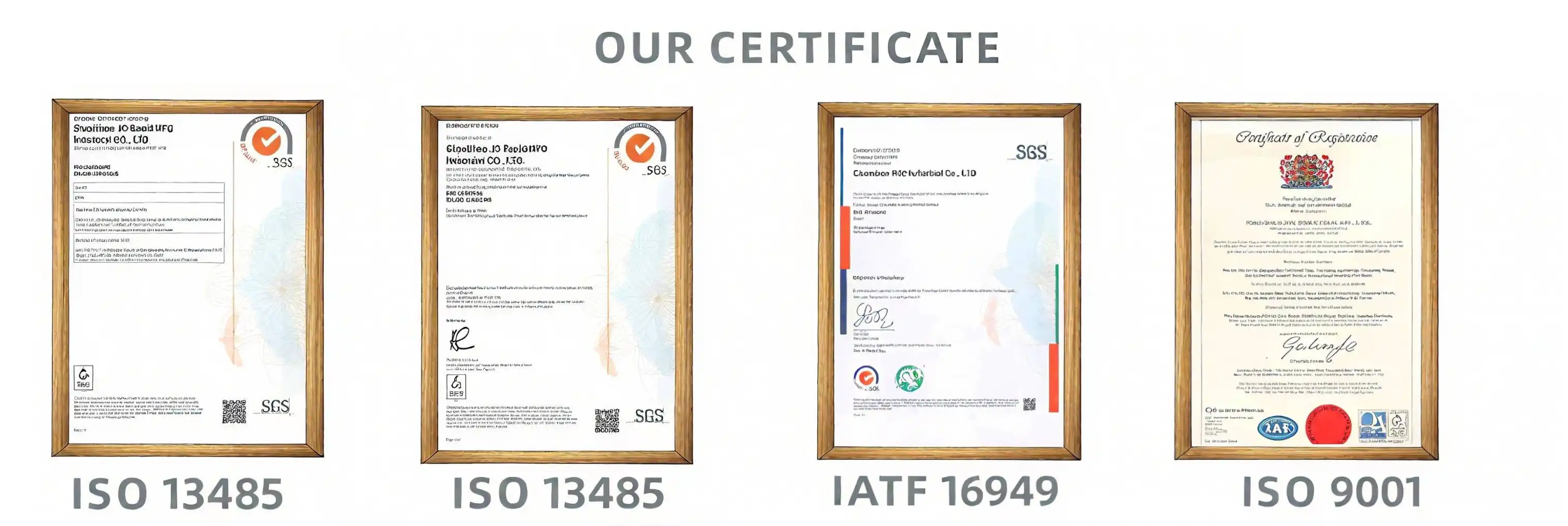
Junsion's quality certifications include:
- ISO 9001:2015: Comprehensive quality management
- RoHS compliance: Environmental safety standards
- Material traceability: Full documentation chains
- Dimensional verification: Advanced measurement protocols
- Performance testing: Load capacity validation
A number of inspection points are incorporated into quality control methods at various points throughout the manufacturing process. The testing of materials guarantees that the qualities of each batch of manufacturing are consistent, whilst the verification of dimensional correctness is accomplished through the use of coordinate measuring devices.
The quality of the surface treatment has a direct impact on the longevity of performance. In order to obtain excellent protection, anodizing procedures are able to reach a coating thickness of 15-25 microns. On the other hand, electroplating applications are able to maintain consistent coverage within a variance of ±2 microns.
If you require assurance that your product complies with international standards, then certified manufacturing methods will guarantee that your product will be delivered with consistent quality across all product parameters.
Making the Smart Choice: Key Takeaways
Specific operational requirements, economic limits, and performance expectations are the factors that should be considered while making the decision between full replacement and shaft sleeves. Shaft sleeves offer a great value for certain protection requirements, providing 70–85 percent of the performance of a new shaft while providing a significant reduction in both prices and the difficulty of installation.
It is nevertheless important to execute complete replacements in the event of catastrophic failures or thorough upgrades that call for expanded capabilities. On the other hand, shaft sleeve solutions are extremely beneficial for the majority of industrial applications, particularly in situations where rapid deployment and cost effectiveness are the primary considerations in decision-making.
Regardless of the method that is used, the best possible outcomes can be achieved through the utilization of high-quality production, material selection, and competent installation. When working with authorized providers, you can rest assured that you will receive reliable performance across a wide range of applications while also ensuring compliance with industry standards.
Partner with Junsion for Precision Shaft Sleeve Solutions
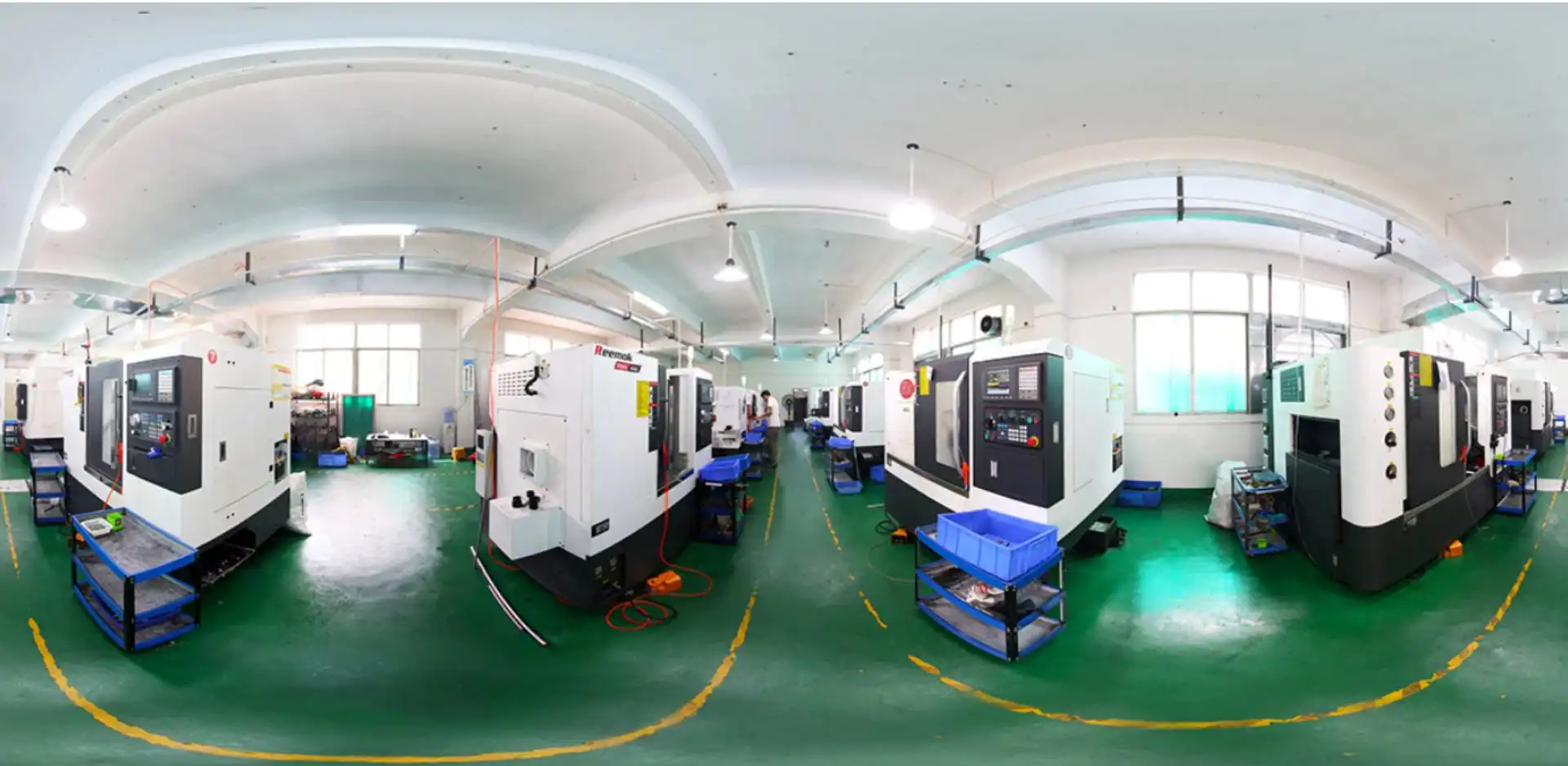
Dongguan Junsion Precision Hardware stands as your trusted shaft sleeve manufacturer, combining advanced CNC capabilities with ISO-certified quality systems. Our 1,600 square-meter facility houses 32 precision machines, enabling custom sleeve production with ±0.01mm tolerances and Ra0.8μm surface finishes. Connect with our engineering team at Lock@junsion.com.cn to discuss your specific requirements and discover why leading electronics, communications, and logistics companies choose Junsion for critical shaft protection applications.
References
1. Budynas, Richard G., and Keith J. Nisbett. "Shigley's Mechanical Engineering Design, 11th Edition." McGraw-Hill Education, 2020.
2. Society of Tribologists and Lubrication Engineers. "Guidelines for Shaft Protection and Sleeve Applications in Industrial Machinery." STLE Technical Publication, 2021.
3. American Society of Mechanical Engineers. "ASME B106.1M - Design of Transmission Shafting." ASME International, 2019.
4. Norton, Robert L. "Machine Design: An Integrated Approach, 6th Edition." Pearson Engineering, 2021.
5. International Organization for Standardization. "ISO 14694:2003 - Industrial fans - Specifications for balance quality and vibration levels." ISO Standards, 2003.
6. Machinery's Handbook Editorial Board. "Machinery's Handbook, 31st Edition: A Reference Book for the Mechanical Engineer." Industrial Press, 2020.