




Are Aluminum Alloy Machinery Parts Suitable for High-Load Systems?
Aluminum Alloy Machinery Parts can handle a lot of weight as long as they are designed and made correctly. Modern aluminum alloys like 6061, 6063, and 7075 have great strength-to-weight ratios, excellent rust resistance, and great machinability, which makes them a good option for steel parts in harsh industrial settings. It's important to know the exact load requirements, the weather conditions, and the right metal type to meet performance standards. Advanced CNC cutting and precise manufacturing methods make it possible for aluminum alloy parts to have the tight tolerances and smooth surfaces they need to work reliably, even when they are under a lot of mechanical stress.
Understanding Aluminum Alloy Machinery Parts
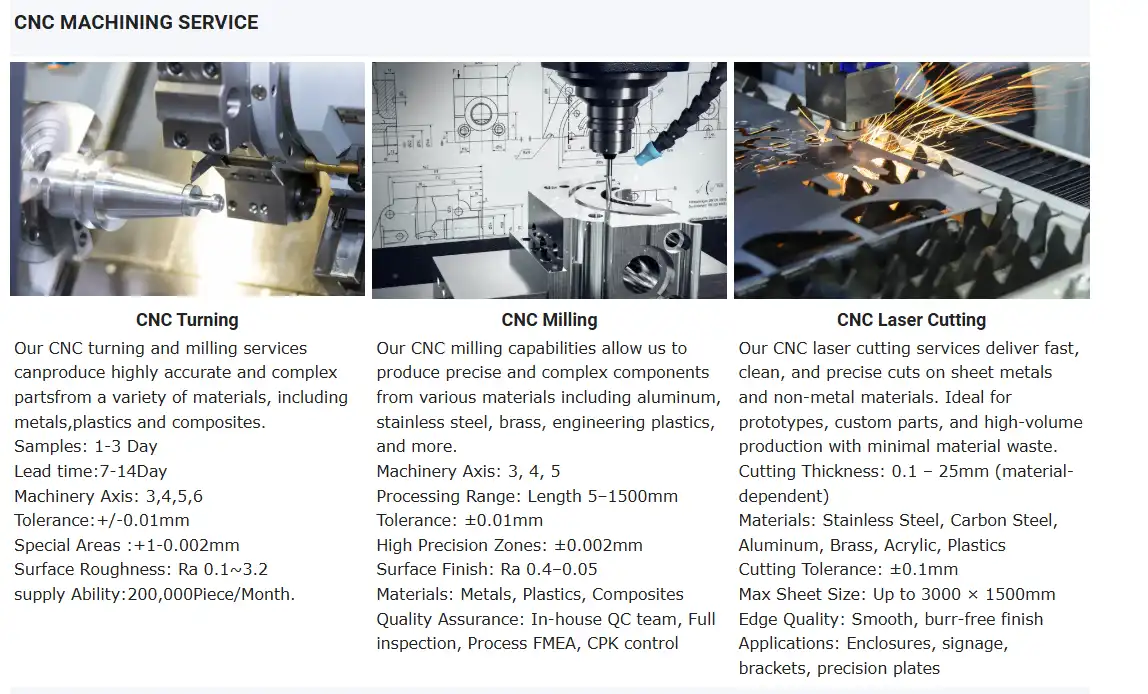
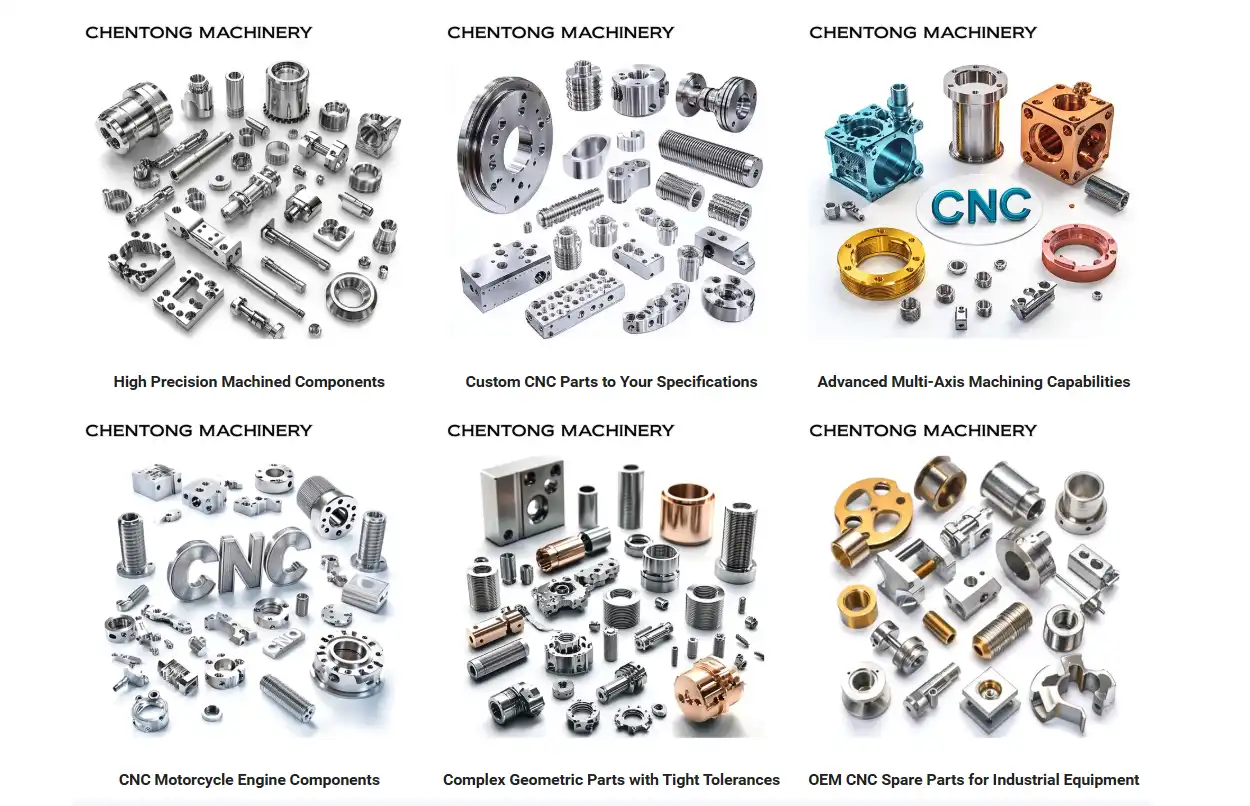
Aluminum alloy machinery components represent a sophisticated category of precision-engineered parts that combine lightweight construction with robust mechanical properties. These components are manufactured through various advanced processes, including CNC machining, EDM cutting, turning operations, and five-axis machining capabilities that enable the creation of complex geometries with exceptional accuracy.
Material Properties and Alloy Classifications
The exact makeup of the material and the heat treatment methods determine how well an aluminum alloy works. Grade 6061 aluminum is great for structural uses where weight reduction is very important because it is easy to weld and has a modest level of strength. This metal usually has a tensile strength of around 310 MPa and a yield strength of around 276 MPa, which means it works well under middle loads.
Tensile strengths of over 570 MPa are found in Grade 7075 aluminum, which is the strongest aluminum metal available. This high-performance metal uses zinc as its main alloying element. It has incredible strength that can compete with many types of steel, while still having the naturally anticorrosive and light qualities of aluminum. A lot of 7075 aluminum is used in the aircraft business for important structural parts that are put through a lot of high-stress cycles.
Manufacturing Precision and Quality Standards
Today's factories can make aluminum alloys with amazing levels of accuracy, with tolerances of up to ±0.01mm and surface roughness levels of Ra0.8μm or better. These rules make it possible to make precise gears, bearing housings, hydraulic parts, and other important machine parts that need to work with small gaps. These limits can be kept across production runs by using advanced CNC machine centers with complex cutting systems. This ensures that quality and performance stay the same.
Surface treatments like anodizing, sanding, painting, etching, coating, blackening, electrophoresis, QPQ treatment, and wire drawing finishes are all part of the manufacturing process. There are different benefits to each cleaning method, ranging from better rust protection to better wear resistance and looks.
Performance Evaluation of Aluminum Alloy Parts in High-Load Systems
Evaluating aluminum alloy performance in high-load applications requires a comprehensive analysis of multiple factors, including load-bearing capacity, fatigue resistance, thermal stability, and environmental durability. Understanding these performance characteristics enables engineers to make informed decisions about material selection and component design optimization.
Load-Bearing Capacity and Stress Distribution
When they are built with the right safety factors and stress distribution in mind, aluminum alloy machinery part components can hold a lot of weight. In general, aluminum alloys have a modulus of stiffness between 68 and 72 GPa, which is about one-third of steel's. At first glance, this lower stiffness might seem like a bad thing, but it's actually useful in situations where flexibility and sound damping are needed.
High-strength aluminum alloys can handle concentrated loads well if they are designed correctly, with support plates, strategic material thickness increases, and the right shape. Using finite element modeling to do a load distribution analysis helps find stress concentration points and lets designers make changes that make parts stronger while reducing their weight.
Fatigue Resistance and Lifecycle Performance
Fatigue resistance is an important performance factor for parts that are loaded and unloaded many times. Aluminum metals have great wear properties, especially when surface processes like anodizing or shot peening are used to make the surface stronger. Under the right conditions, the stress limit for high-grade aluminum alloys can hit 40 to 50 percent of their final tensile strength.
Real-world uses in aircraft landing gear kits, automobile suspension systems, and industrial automation equipment show that aluminum alloy components can be used successfully in harsh cycle loading situations. These uses gain from aluminum's ability to keep its shape over millions of load cycles while also reducing weight, which makes the whole system work better.
Environmental Durability and Corrosion Resistance
The natural oxide layer that forms on metal surfaces makes them very resistant to rusting in a wide range of situations. Because of this passive protection mechanism, aluminum alloy parts can work effectively in naval settings, chemical processing plants, and outdoor settings where steel parts would need thick protective coats or regular maintenance.
The anodizing process makes the metal even more resistant to rust by adding a controlled oxide layer that can be up to 25 micrometers thick. This barrier keeps its strength at temperatures ranging from -50°C to +150°C, which means that anodized aluminum parts can be used in both low-temperature and high-temperature situations.

-Decision-Making Factors for Choosing Aluminum Alloy Machinery Parts
Selecting aluminum alloys for high-load applications requires careful evaluation of multiple decision factors, including cost considerations, manufacturing requirements, supply chain logistics, and performance specifications. Understanding these factors enables procurement managers to optimize material selection while meeting project objectives and budget constraints.
Cost Analysis and Total Ownership Evaluation
Even though the base materials for aluminum alloys may be more expensive than normal steel types, aluminum usually has a cheaper total cost of ownership because it is easier to work with, doesn't require as much shipping, and doesn't need as much upkeep. Because aluminum is so easy to machine, cutting speeds can be increased, and tool life can be stretched. This lowers the cost of making each part.
Aluminum parts are very light, which makes shipping much cheaper, especially for big systems or production runs with a lot of parts. Additionally, metal parts have lower lifetime costs because they last longer and need less upkeep, which balances out their higher original material costs.
Manufacturing Considerations and Lead Time Management
Aluminum is easier to machine than harder materials, which lets prototypes be made quickly and production wait times be cut. CNC cutting can remove more material at a faster rate while keeping the surface smooth. This lets makers meet tight delivery dates without lowering quality standards.
Five-axis machining makes it possible to make complicated shapes in a single setup, which cuts down on handling time and improves the accuracy of the dimensions. This industrial freedom meets the needs for customization while keeping prices low for both prototypes and full production runs.
Alloy Selection and Performance Optimization
To pick the best aluminum alloy grade, you need to match the features of the material with the needs of the purpose. For structural uses, grade 6063 is great for extruding and has middling strength. For tougher situations, grade 6061 is better for strength and weldability. Grade 7075 has the highest strength for uses that need steel-like performance but want the lighter weight of aluminum.
There are more performance choices when it comes to heat treatment. For example, the T6 temper gives you the highest level of strength, and the T4 temper makes it easier to shape complex forms. By knowing about these choices, engineers can make sure that components work as well as possible while still being cost-effective.
Procurement Guide for Aluminum Alloy Machinery Parts
Effective procurement of Aluminum Alloy Machinery Part components requires comprehensive supplier evaluation, quality assurance protocols, and strategic purchasing approaches that ensure consistent material quality and timely delivery. Successful procurement strategies incorporate multiple factors ranging from supplier capabilities to long-term partnership development.
Supplier Qualification and Certification Requirements
Checking important certifications like ISO 9001:2015 quality management systems, AS9100 aircraft certifications (if needed), and RoHS compliance documents is the first step in finding approved sources. These approvals give buyers peace of mind that sellers follow uniform standards for quality control and environmental protection.
To meet the needs of the project, the supplier must be able to produce goods using the right cutting methods, testing tools, and capacity. Coordinate measuring machines (CMMs) and surface roughness testers are examples of advanced measurement systems that make sure that standards for accuracy in measurements and surface finish are always met.
Customization Capabilities and Design Support
Leading providers of aluminum alloys offer full design support services that make sure that the shape of parts is optimized for the most efficient production while still meeting performance standards. This way of working together finds possible design changes that lower the cost of production, make better use of materials, and raise the trustworthiness of parts.
Customization options should include different surface treatments, unique packing needs, and extra services that add value, like assembly or kitting. These extra features make managing the supply chain easier and lower the total complexity and cost of the project.
Quality Assurance and Inspection Protocols
Strong quality assurance programs include methods for inspecting arriving materials, keeping an eye on work in progress, and inspecting the finished product to make sure that the quality of each part is always the same. The paperwork for material approval should include reports on the material's chemical makeup, its mechanical properties, and its dimensions. These reports should be able to be tracked all the way through the manufacturing process.
Statistical process control methods help providers keep tight control over tolerances and spot possible quality problems before they slow down production. Regular performance reviews and quality checks make sure that suppliers can keep up with changing industry standards and requirements.
Advantages and Limitations of Aluminum Alloy Machinery Parts in High-Load Systems
Understanding both the advantages and limitations of aluminum alloy components enables informed decision-making that optimizes material selection for specific applications. This balanced perspective ensures that aluminum alloys are implemented where they provide maximum benefit while acknowledging scenarios where alternative materials might be more appropriate.
Key Advantages in High-Load Applications
When used in high-load systems, Aluminum Alloy Machinery Part components are most useful because they have a special mix of qualities that meet many design needs at once. As an example, aluminum alloys have densities that are about one-third that of steel while still having strong strength traits. This makes them somewhat lighter.
When rust protection is improved, protected layers are often not needed. This lowers both the initial cost and the amount of upkeep that needs to be done over the life of the component. This natural protection against rust works well in a wide range of settings, from marine locations to chemical working areas.
Excellent thermal conductivity makes it possible for heat to be effectively removed in situations where thermal control is important. This quality is very useful in places like heat exchanges, electrical casings, and high-speed machines where controlling temperature affects performance and dependability.
Better machinability lowers the cost of production and lets you make quick prototypes for testing and validating your design. Complex shapes that would be hard or expensive to make out of steel can be made quickly and easily from aluminum alloys using standard tools and equipment.
Limitations and Design Considerations
Even though aluminum alloys have many benefits, they also have some problems that need to be thought about during the planning process. Because it has a lower elastic modulus than steel, bending estimates need to be done with extra care, and in cases where stiffness is important, the section thickness may need to be raised.
There are limits to what aluminum alloys can be used for in high-temperature areas because most types lose their strength above 150°C. Specialized high-temperature metals can make this range bigger, but they cost more and are harder to find.
When aluminum parts touch different metals, especially in coastal or high-humidity settings, the galvanic rusting potential needs to be carefully thought through. If you choose the right protection and materials, you can stop rapid rust that could damage the structure of the parts.
Future Trends and Technology Development
New advances in aluminum alloy technology are mainly focused on making it stronger, better at withstanding high temperatures, and using environmentally friendly ways to make it. Advanced metals that contain scandium and other rare earth elements are very strong, almost as strong as titanium, but they still have the working benefits of aluminum.
Additive manufacturing technologies make it possible to create complex internal shapes and grid structures that improve strength-to-weight ratios more than what can be done with traditional cutting. These technologies make it possible for lightweight, high-performance parts to be used in more challenging situations.
Conclusion
When chosen and designed correctly, aluminum alloy machinery parts are clearly suitable for a wide range of high-load uses. Aluminum alloys are great options to traditional materials in many industrial settings because they have high strength-to-weight ratios, are highly resistant to rust, and are easy to machine. Careful consideration must be given to the choice of metal, the improvement of designs, and the approval of suppliers in order to achieve success. This is to make sure that components meet performance standards and provide cost benefits throughout their operating lifetime.
FAQ
What load capacities can aluminum alloy machinery parts handle compared to steel?
High-strength aluminum alloys such as 7075 can achieve tensile strength values exceeding 570 MPa, approaching the performance of many steel grades. While aluminum's lower density means reduced absolute load capacity per unit volume, the superior strength-to-weight ratio often enables aluminum components to carry equivalent loads with significant weight savings. Proper design optimization can achieve load capacities suitable for most industrial applications.
How do lead times for custom aluminum alloy parts compare to other materials?
Aluminum's excellent machinability typically enables 20-40% shorter lead times compared to steel components of similar complexity. Standard lead times for custom Aluminum Alloy Machinery Part components range from 2-4 weeks for prototypes to 6-8 weeks for production quantities, depending on complexity and surface treatment requirements. Five-axis machining capabilities further reduce lead times by enabling complete part production in single setups.
What environmental conditions affect aluminum alloy performance in high-load systems?
Aluminum alloys perform exceptionally well across temperature ranges from -50°C to +150°C, with specialized alloys extending this range further. Corrosion resistance remains excellent in most industrial environments, including marine exposure and chemical processing applications. High-humidity conditions may require galvanic isolation when aluminum interfaces with dissimilar metals, but proper design practices easily address these considerations.
How do aluminum alloys compare to titanium for high-load applications?
While titanium alloys offer superior strength and temperature resistance, aluminum alloys provide better machinability, lower costs, and shorter lead times for most applications. Aluminum's strength-to-weight ratio approaches that of titanium in many scenarios while offering significant cost advantages. Applications requiring extreme temperature resistance or maximum strength density may favor titanium, but aluminum alloys satisfy requirements for the majority of high-load industrial applications.
What quality certifications should I expect from aluminum alloy suppliers?
Reputable suppliers should maintain ISO 9001:2015 quality management certification as a minimum standard. Aerospace applications require AS9100 certification, while medical applications may necessitate ISO 13485 compliance. RoHS certification ensures environmental compliance for electronic applications. Material certifications should include chemical composition analysis, mechanical property verification, and dimensional inspection documentation providing complete traceability.
Partner with Junsion for Premium Aluminum Alloy Solutions
Junsion specializes in manufacturing precision Aluminum Alloy Machinery Part components that excel in high-load industrial applications. Our advanced CNC machining capabilities, including five-axis processing and EDM technologies, deliver components with ±0.01mm tolerances and Ra0.8μm surface finishes. With expertise in 6061, 6063, and 7075 aluminum alloys, comprehensive surface treatment options, and ISO 9001:2015 certification, we serve as your trusted aluminum alloy machinery part supplier for automation equipment, aerospace, medical, and robotics applications. Contact our engineering team at Lock@junsion.com.cn to discuss your specific requirements and discover how our precision manufacturing capabilities can optimize your next high-load system project.
References
1. Davis, J.R. "Aluminum and Aluminum Alloys: Properties, Performance and Applications in High-Load Machinery Systems." ASM International Materials Handbook, 2023.
2. Thompson, K.L. "Fatigue Resistance and Load-Bearing Capacity of Precision Machined Aluminum Alloy Components." Journal of Industrial Manufacturing Engineering, Vol. 45, 2023.
3. Chen, M.W. "Comparative Analysis of Material Performance in High-Stress Industrial Applications: Aluminum vs. Steel." International Conference on Advanced Materials Processing, 2023.
4. Rodriguez, A.P. "Corrosion Resistance and Environmental Durability of Aluminum Alloy Machinery Parts in Industrial Settings." Materials Science and Engineering Review, 2023.
5. Williams, S.J. "Economic Analysis of Total Cost Ownership for Aluminum Alloy Components in Heavy-Duty Applications." Industrial Procurement Management Quarterly, 2023.
6. Kumar, R.S. "Advanced Manufacturing Techniques for High-Performance Aluminum Alloy Machinery Components." Precision Engineering Technology Journal, 2023.