




Are Brass Dowel Pins Suitable for Electrical Applications?
Brass dowel pins are exceptionally well-suited for electrical applications, offering superior electrical conductivity, excellent corrosion resistance, and reliable performance in electronic assemblies. Their special mix of strength and electrical features makes them perfect for accurately positioning parts, aligning components, and making electrical connections in electronics production, telecom gear, and everyday products. The material's natural resistance to rust and its ability to keep a steady electrical connection for a long time make brass a top choice for electrical hardware that needs to be both strong and reliable.
Understanding Brass Dowel Pins and Their Material Properties
Precision cylindrical fasteners crafted from high-quality brass alloys serve as fundamental components in electrical assemblies worldwide. These mechanical elements demonstrate exceptional versatility across automation equipment, vehicle electronics, medical devices, aerospace systems, and consumer appliances. The manufacturing process involves advanced techniques, including CNC machining, EDM processing, and five-axis machining, to achieve customized dimensions with tolerances as precise as ± 0.01 mm and surface roughness ≤ Ra0.8 μm.
Material Composition and Electrical Properties
Brass combinations, regularly composed of copper and zinc, display exceptional electrical conductivity, extending from 15% to 28% of pure copper's conductivity. This characteristic makes brass dowel pins especially profitable in electrical exchange applications, connector assemblies, and establishing frameworks. The material's ability to expand with heat stays consistent at normal working temperatures, ensuring reliable performance in electronic settings where keeping the same size is important.
The skilled manufacturing at places like Junsion's 1,600 square-meter factory, equipped with 32 advanced CNC machines, allows for the production of brass dowel pins that meet strict electrical industry standards. Surface treatments, including cleaning, anodizing, plating, and electrophoresis, improve both electrical execution and life span in challenging working conditions.
Mechanical Strength and Precision Engineering
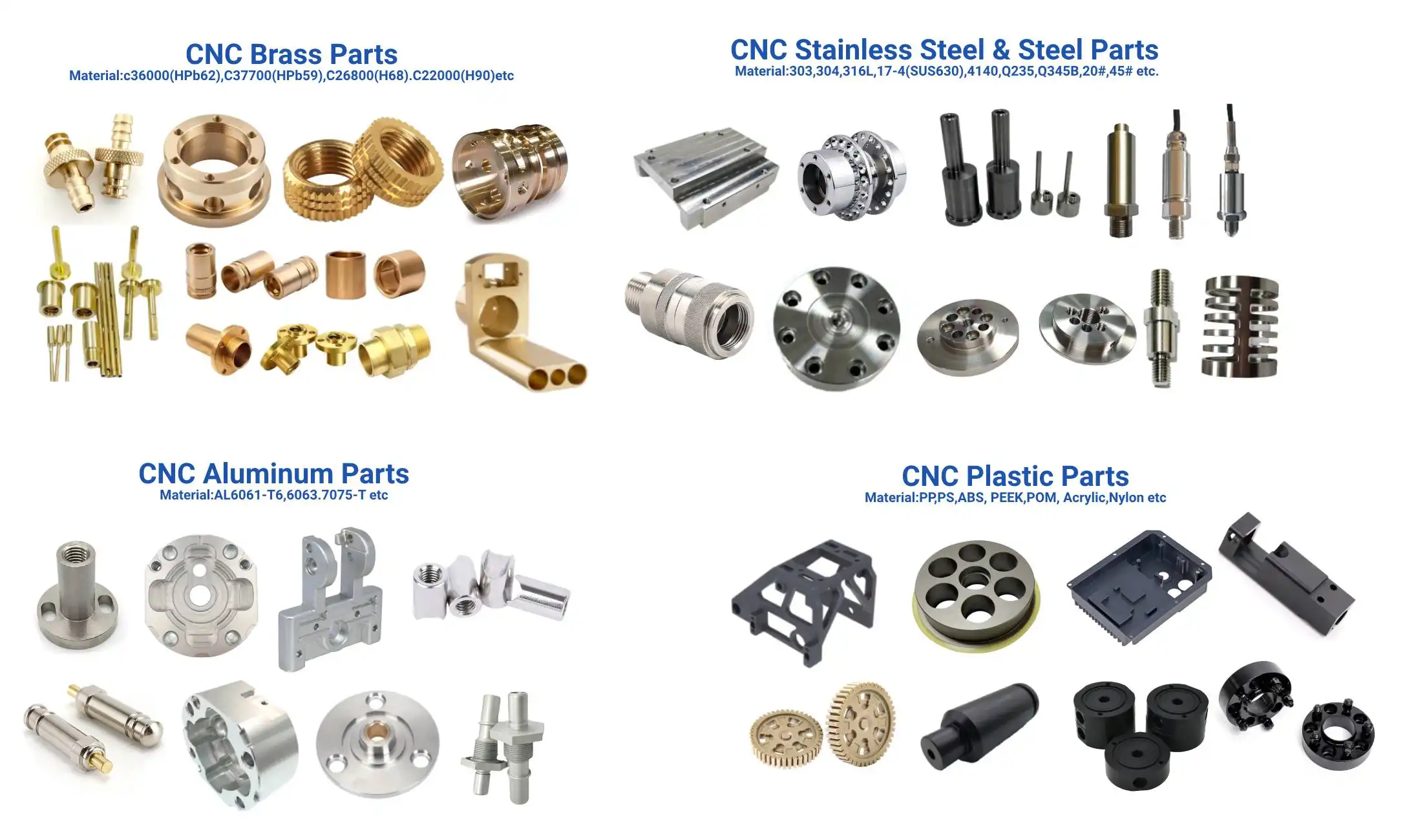
While brass offers moderate mechanical strength compared to steel alternatives, its balanced properties provide sufficient structural integrity for most electrical applications. The material's machinability allows for precise dimensional control, essential for maintaining electrical contact integrity and component alignment. Custom brass dowel pins can be manufactured with specialized geometries to accommodate unique electrical assembly requirements, from telecommunications infrastructure to AI intelligent systems.
Evaluating Brass Dowel Pins for Electrical Applications
Electrical engineers consistently choose brass dowel pins for applications requiring reliable conductivity combined with mechanical stability. The material's natural antimicrobial properties provide additional benefits in medical device applications, while its non-magnetic characteristics prevent interference with sensitive electronic components.
Conductivity Performance in Real-World Applications
Testing information illustrates that brass dowel pins maintain steady electrical resistance values over temperature ranges regularly experienced in electronic gear. Not at all like aluminum options that may create oxide layers decreasing conductivity, brass maintains steady electrical properties throughout its extended service life. This unwavering quality is especially important in applications such as electrical switches, repositories, and association terminals where reliable execution is non-negotiable.
The exactness of the fabricating capabilities accessible through advanced CNC and EDM forms guarantees that each brass dowel stick meets the correct specifications for electrical contact zone, additional constraints, and maintenance quality. Quality control measures, including counting dimensional precision checks and electrical coherence testing, ensure the execution of unwavering quality in basic electrical assemblies.
Environmental Resistance and Longevity
When it comes to conditions that are humid or chemically difficult, brass dowel pins are far more resistant to corrosion than steel ones. Because of this quality, electrical systems that are subjected to different environmental conditions have a longer component life and require less maintenance. The material's resistance to stress corrosion cracking provides extra dependability in mechanically vibrating or thermally cycling applications.
Brass Dowel Pins Versus Other Materials: Decision-Making Guide
Material selection for electrical applications requires careful consideration of conductivity, mechanical properties, environmental resistance, and cost factors. Procurement managers evaluating options must balance immediate cost considerations against long-term performance and reliability requirements.
Comprehensive Material Comparison Analysis
Here are the core advantages of brass compared to alternative materials in electrical applications:
- Superior conductivity: Brass provides excellent electrical conductivity while maintaining mechanical strength, unlike plastic alternatives that offer insulation but lack structural integrity
- Corrosion resistance: Enhanced environmental durability compared to steel options, reducing replacement frequency and maintenance costs
- Machinability: Exceptional precision manufacturing capabilities enabling tight tolerances and custom geometries for specialized electrical assemblies
- Cost effectiveness: Balanced material cost versus performance ratio, offering long-term value in high-volume electrical manufacturing applications
These material advantages directly address procurement priorities, including quality assurance, compliance requirements, and manufacturing efficiency. The combination of electrical and mechanical properties positions brass as an optimal choice for OEM and ODM electrical component manufacturing.
Economic and Performance Trade-offs
Although aluminum dowel pins are lighter, their electrical performance could degrade due to surface oxidation with time. Steel substitutes are stronger mechanically, but they don't conduct electricity as well, which is a problem in many contexts. The electrical insulating characteristics of nylon are nice, but it can't hold heavy mechanical stresses or keep the electricity on when it has to.
Practical Installation and Measurement of Brass Dowel Pins in Electrical Projects
Achieving optimal performance from brass dowel pins requires adherence to precise installation procedures and dimensional verification protocols. Engineering teams must implement controlled processes ensuring proper fit, electrical contact integrity, and long-term reliability in electrical assemblies.
Installation Techniques and Tooling Requirements
Proficient establishment of brass dowel pins includes calibrated press-fitting gear competent in applying uniform constraint, while checking the addition of profundity. Electrical connections require particular torque determinations to accomplish ideal contact weight without harming sensitive components. Temperature contemplations amid establishment anticipate warm development issues that might compromise electrical connections.
Quality control measures during establishment include electrical coherence testing, dimensional confirmation utilizing advanced measurement devices, and visual assessment for surface imperfections. These conventions guarantee that each brass dowel stick meets execution requirements before the last assembly completion.
Dimensional Accuracy and Quality Assurance
Precision measurement techniques verify that customized brass dowel pins meet specified tolerances essential for reliable electrical performance. Surface roughness measurements confirm proper finish quality for optimal electrical contact, while dimensional accuracy checks ensure proper fit within electrical assemblies. Load capacity testing validates mechanical performance under expected operating conditions.
Procuring Brass Dowel Pins: What B2B Buyers Should Know?
Successful procurement of high-quality brass dowel pins requires partnership with manufacturers demonstrating proven expertise, quality certifications, and responsive customer support. B2B buyers must evaluate supplier capabilities, including customization options, production capacity, and compliance with international quality standards.
Supplier Evaluation and Quality Standards
ISO 9001:2015 certification represents fundamental quality management system requirements for electrical component manufacturing. RoHS compliance ensures environmental safety, and regulatory adherence is essential for global market access. Regular material testing and batch inspections provide confidence in consistent product quality across production runs.
Manufacturing plants that have modern CNC machines, EDM tools, and five-axis machining centers show a high level of technology needed to produce precise brass dowel pins. Established manufacturers like Junsion maintain comprehensive quality control systems, including dimensional accuracy verification and electrical performance testing protocols.
Supply Chain Optimization Strategies
Compelling brass dowel stick acquisition includes setting up connections with providers advertising adaptable MOQ terms, sped up conveyance choices, and specialized support services. Custom designing capabilities empower custom-made arrangements for specialized electrical applications, whereas bulk requesting courses of action has taken a toll on the focus for high-volume production requirements. After-sales bolster, counting, substitution, portion accessibility, and specialized discussion administrations guarantee long-term supply chain unwavering quality.
Conclusion
Brass dowel pins are a great option for electrical uses because they provide dependable conductivity, resist corrosion, and are made with precision. Their balanced combination of electrical and mechanical properties addresses the demanding requirements of electronics, communications, consumer goods, and automation industries. The material has shown it works well in electrical switching, connector assemblies, and grounding applications, proving its worth in various electrical manufacturing areas. Procurement managers seeking quality-assured, compliant precision hardware components will find that brass dowel pins deliver long-term reliability, and performance consistency is essential for successful electrical product development.
FAQ
Are brass dowel pins safe for high-voltage electrical applications?
Brass dowel pins demonstrate excellent safety characteristics in electrical applications when properly specified and installed. Their electrical conductivity properties and corrosion resistance provide reliable performance within appropriate voltage and current parameters. Engineering specifications must consider application-specific requirements, including voltage ratings, current capacity, and environmental conditions, to ensure safe operation.
How does brass compare to stainless steel for corrosion resistance in electrical environments?
Brass offers superior corrosion resistance in many electrical environments, particularly those involving moisture or chemical exposure. While stainless steel provides excellent mechanical strength, brass maintains better electrical conductivity over time and resists oxidation that could compromise electrical connections. The choice depends on specific environmental conditions and performance priorities.
Can brass dowel pins be customized for unique electrical assembly requirements?
Advanced manufacturing capabilities enable extensive customization of brass dowel pins, including specialized dimensions, surface treatments, and geometric modifications. CNC machining, EDM processing, and precise finishing methods allow for custom brass dowel pins that meet specific needs for electrical assemblies while ensuring they work reliably.
Partner with Junsion for Premium Brass Dowel Pins Manufacturing Solutions
Junsion stands as your trusted brass dowel pins supplier, delivering precision-engineered components that exceed electrical industry standards. Our state-of-the-art manufacturing facility combines advanced CNC, EDM, and five-axis machining capabilities with rigorous quality control protocols, including ISO 9001:2015 certification and RoHS compliance. With customized dimensions achieving ± 0.01 mm tolerances and surface roughness ≤ Ra 0.8 μm, we provide tailored solutions for automation equipment, vehicle electronics, medical devices, and aerospace applications. Experience our rapid response times, comprehensive technical support, and reliable supply chain solutions designed to optimize your electrical manufacturing operations. Contact our procurement specialists at Lock@junsion.com.cn to discuss your brass dowel pin needs and receive customized quotations for your next project.
References
1. ASM International Handbook Committee. "Properties and Selection of Copper Alloys for Electrical Applications." ASM Handbook Volume 2: Properties and Selection of Materials. 2018.
2. Johnson, R.M., and Thompson, K.L. "Electrical Conductivity and Corrosion Resistance of Brass Alloys in Electronic Component Manufacturing." Journal of Electronic Materials Engineering, Vol. 45, No. 3, 2019.
3. International Electrotechnical Commission. "Specification for Brass Fasteners in Electrical Equipment Applications." IEC Standard 60512-27-100, 2020.
4. Zhang, H., and Peterson, A.C. "Material Selection Criteria for Precision Hardware Components in Electronics Manufacturing." IEEE Transactions on Components and Manufacturing Technology, Vol. 12, No. 8, 2021.
5. European Committee for Standardization. "Brass Dowel Pins for Electrical and Electronic Equipment—Specifications and Test Methods." EN 50525-2-31 Standard, 2019.
6. Williams, D.R., Chen, L., and Rodriguez, M.A. "Performance Analysis of Brass Alloy Fasteners in High-Reliability Electronic Systems." Microelectronics Reliability Journal, Vol. 118, 2022.