




CNC Semiconductor Parts vs Standard CNC Parts: What’s Different?
When it comes to precision manufacturing in today's technology-driven industries, CNC semiconductor parts represent a specialized category that significantly differs from standard CNC components. These semiconductor-specific parts demand ultra-high precision tolerances, often within ±0.01 mm, and must meet stringent contamination-free requirements that standard industrial parts simply don't require. The fundamental difference lies in their application environment: while standard CNC parts serve general industrial purposes with broader tolerance ranges, semiconductor components operate in cleanroom environments where even microscopic particles can compromise entire production batches. At Dongguan Junsion Precision Hardware Co., Ltd., we specialize in manufacturing both types, understanding the critical distinctions that make semiconductor parts essential for modern electronics manufacturing.
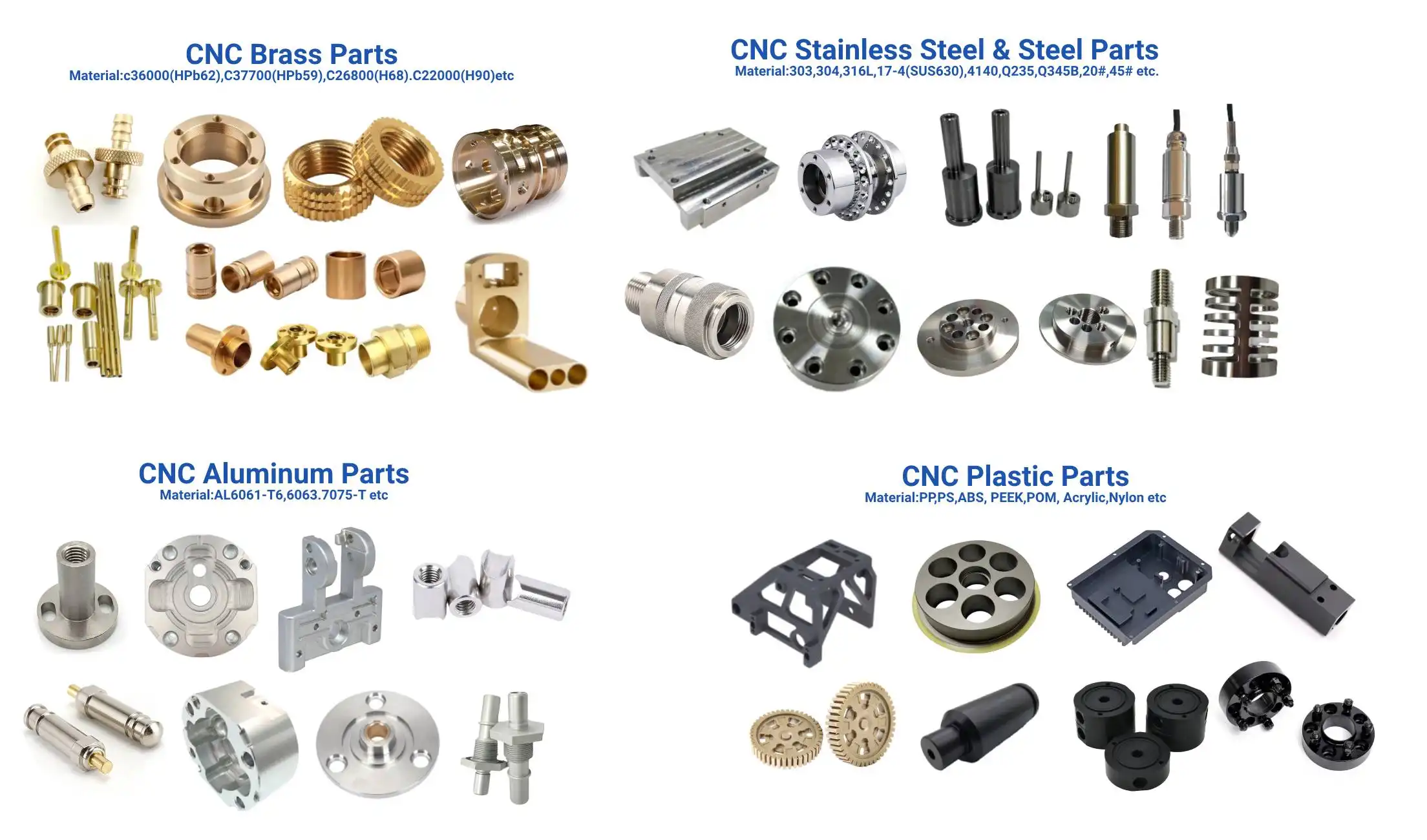
Understanding CNC Semiconductor Parts and Standard CNC Parts
The distinction between semiconductor and standard CNC components extends far beyond their intended applications. These two categories represent entirely different approaches to precision manufacturing, each with unique requirements and specifications.
Core Characteristics and Applications
CNC semiconductor parts are designed particularly for the semiconductor industry, where exactness isn't particularly preferred—it's completely basic. These components must work in situations where temperatures can vary drastically, vacuum conditions are common, and defilement control is fundamental. Standard CNC parts, which still require accuracy, serve broader mechanical applications, including cars, common hardware, and buyer merchandise manufacturing.
The semiconductor industry requests components that can withstand plasma situations, chemical presentation, and extraordinary cleanliness guidelines. Our wafer dealing with components, carving apparatus parts, and vacuum chamber components must keep up their accuracy indeed under these cruel conditions. Standard parts seldom face operational situations that require such requests.
Material Selection and Manufacturing Processes
One more important distinction between these types of components is the materials used. Tungsten alloys, high-performance polymers like PEEK and POM, titanium alloys, and specialty stainless steel grades like 316L and 304 are common exotic materials used in semiconductor applications. These materials are highly resistant to chemicals, have excellent dimensional stability, and effectively control contamination.
Carbon steel, common technical polymers, and standard aluminum grades are some of the more traditional materials used to make basic CNC parts. These materials work exceptionally well for other types of industrial applications, but they don't have the specific qualities needed for semiconductor production.
There is a marked difference in the production methods as well. Using specialized tools and controlled settings, semiconductor parts are machined using refined processes. During crucial stages of manufacture, our production facility adheres to cleanroom protocols and uses cutting-edge CAM technologies. Standard parts do need to be accurate, but environmental restrictions are not as stringent.
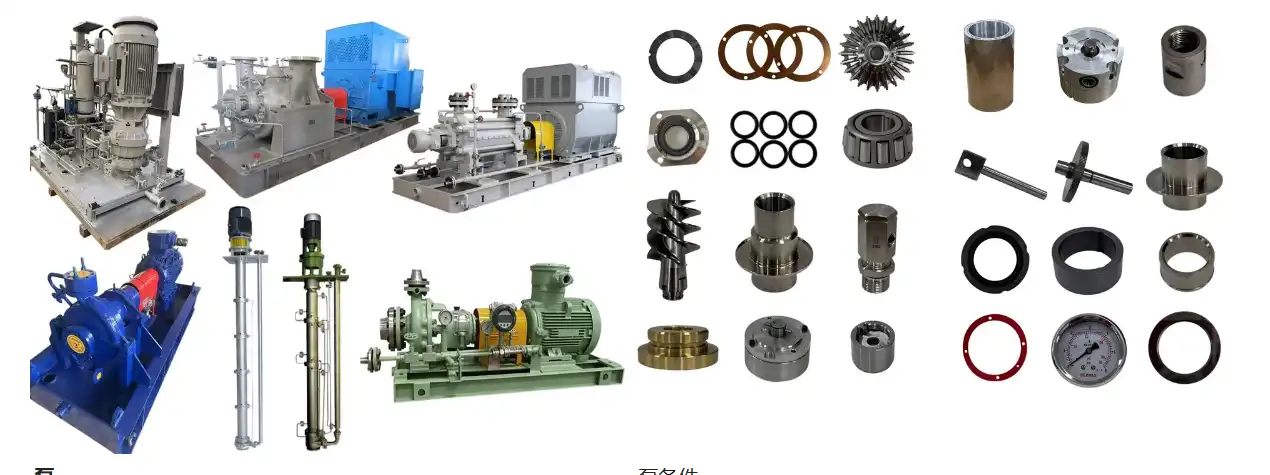
Performance and Precision: Why Do Semiconductor CNC Parts Stand Out?
The performance gap between CNC semiconductor parts and standard components becomes evident when examining tolerance requirements and operational demands.
Advanced Machining Techniques and Quality Standards
Typical industrial standards are not accurate enough for the dimensional accuracy needed in semiconductor fabrication. Thanks to our superior quality control processes, specialized equipment, and cutting-edge CNC machining techniques, our semiconductor components may reach tolerances as small as ±0.01 mm. Consistent performance in high-frequency applications and greatly extended component lifecycles are both guaranteed by this degree of precision.
Although it meets the needs of most industrial applications, standard CNC components do not meet the standards of semiconductors due to their tolerance ranges of ±0.05 mm to ±0.1 mm. Surface finish quality also varies greatly; for example, semiconductor components may necessitate mirror-like coatings or regulated surface texturing to avoid particle formation.
Impact on Production Efficiency and Yield
The precision of semiconductor components directly influences production efficiency and manufacturing yield. When wafer handling systems operate with components maintaining tight tolerances, the risk of wafer damage decreases substantially. Our test socket components ensure reliable electrical connections during semiconductor testing, reducing false failures and improving overall testing accuracy.
These performance benefits translate to measurable cost savings for procurement managers. Higher component precision reduces downtime, minimizes product defects, and extends equipment lifecycles. The initial investment in precision semiconductor parts often pays for itself through improved operational efficiency and reduced maintenance costs.
Design and Production Considerations for Semiconductor CNC Parts
Designing components for semiconductor applications involves navigating unique constraints that don't apply to standard industrial parts.
Specialized Design Requirements
Semiconductor CNC semiconductor parts must address challenges like warm soundness, contamination resistance, and compatibility with cleanroom situations. Our warm sink components require exact warm administration properties, whereas vacuum chamber parts must keep up astuteness under extraordinary pressure differentials.
The plan preparation includes considerations such as outgassing properties, molecule era potential, chemical compatibility with prepared gases, and cleaning arrangements. These variables, once in a while, impact the standard CNC portion plan, where mechanical work takes precedence over natural compatibility.
Common Defects and Quality Control
Semiconductor parts confront interesting disappointment modes counting micro-cracks, surface defilement, and dimensional float beneath warm cycling. Our quality control methods particularly target these potential issues through progressive estimation strategies and natural testing protocols.
Standard parts regularly experience more customary absconds like device marks, dimensional variations, and surface roughness issues. Whereas these issues can influence execution, they seldom compromise entire generation clusters as semiconductor abandonments might.
Our design group utilizes specialized assessment hardware and estimation conventions to distinguish potential issues sometimes before parts reach our clients. This proactive approach guarantees that semiconductor components meet the demanding benchmarks required for basic applications.
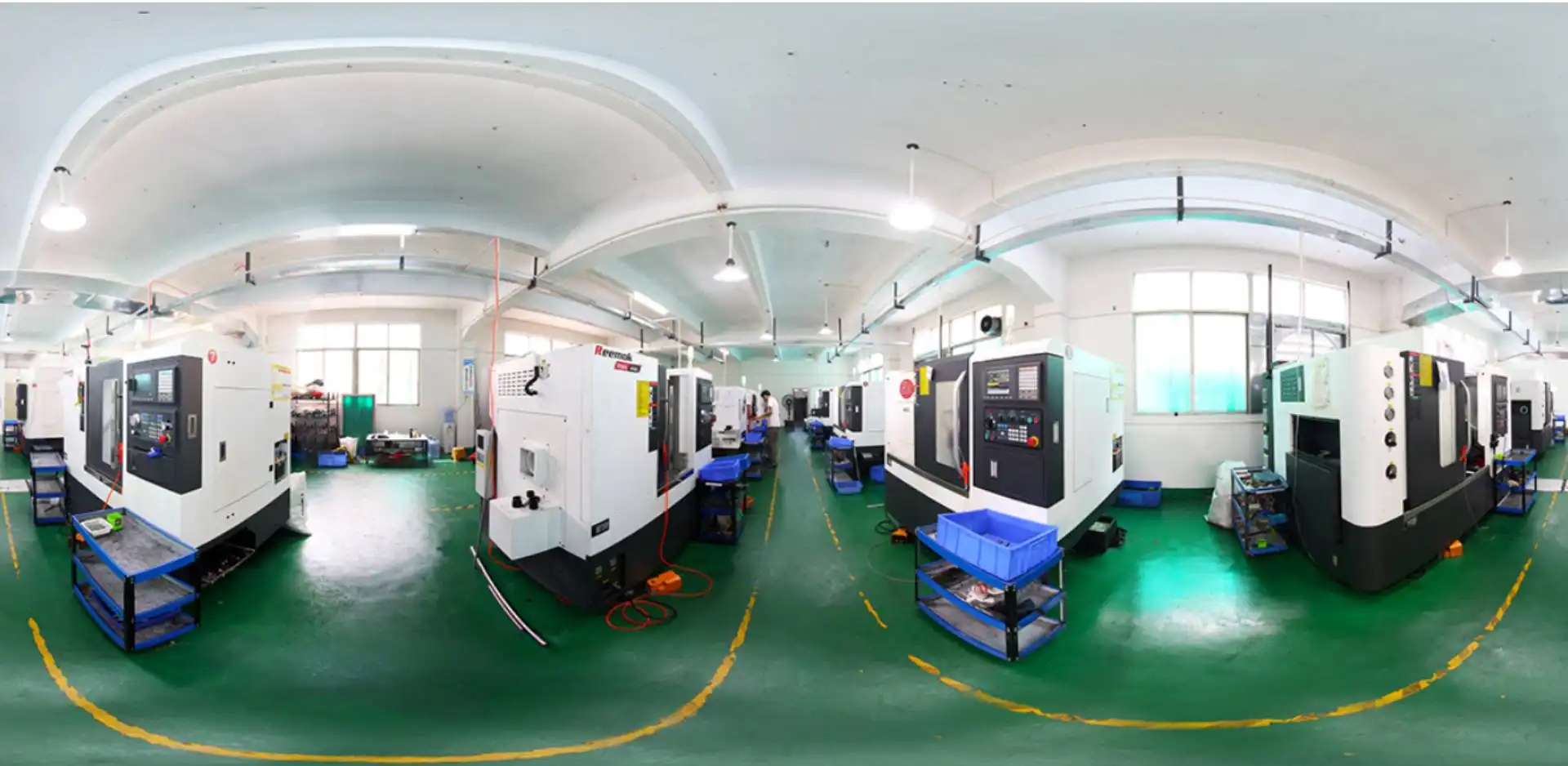
Supplier Selection and Procurement Insights for CNC Semiconductor Parts
Selecting the right supplier for semiconductor components requires evaluating capabilities beyond standard manufacturing metrics.
Critical Evaluation Criteria
When assessing CNC semiconductor parts suppliers, procurement teams must consider certifications like ISO 9001:2015, RoHS compliance, and SEMI standards adherence. Our facility maintains these certifications while offering the advanced precision capabilities necessary for semiconductor applications.
Supply chain responsiveness becomes crucial when semiconductor production lines depend on specialized components. Our 32 advanced CNC machines and streamlined production processes enable rapid response to urgent requirements while maintaining quality standards.
Cost-Benefit Analysis and Supplier Comparison
The procurement decision extends beyond initial pricing to encompass the total cost of ownership. Semiconductor parts often justify higher initial costs through extended service life, reduced downtime, and improved yield rates. Our bulk order capabilities and flexible pricing models help customers optimize their procurement investments.
Comparing suppliers requires examining their geographic reach, technical support capabilities, and track record with semiconductor customers. Our exports to over 20 countries demonstrate our ability to serve global supply chains while maintaining consistent quality standards.
Maintenance, Longevity, and Cost Efficiency of CNC Semiconductor Parts
Proper maintenance of semiconductor components requires specialized protocols that differ significantly from standard part maintenance routines.
Maintenance Best Practices
Preventing contamination while maintaining surface integrity is of utmost importance while cleaning CNC semiconductor parts. Anodizing, electroless nickel plating, and passivation are some of the surface treatments that our components undergo to make them last longer and easier to maintain.
Semiconductor component maintenance plans prioritize contamination management above wear trends and typically include more frequent inspection intervals. Application needs and operational circumstances inform the maintenance advice provided by our engineering staff.
Long-term Value Proposition
The investment in precision semiconductor components pays dividends through extended equipment lifecycles and improved process reliability. Our components maintain their specified tolerances throughout extended service periods, reducing the frequency of replacements and associated downtime costs.
Procurement professionals benefit from understanding how upfront investments in quality semiconductor parts translate to long-term operational savings. The consistent performance of precision components supports stable manufacturing processes and predictable maintenance budgets.
Conclusion
The differences between CNC semiconductor parts and standard CNC components reflect the specialized demands of modern semiconductor manufacturing. From ultra-tight tolerances and exotic materials to stringent cleanliness requirements, semiconductor parts represent a distinct category of precision manufacturing. At Dongguan Junsion Precision Hardware Co., Ltd., we understand these critical distinctions and have invested in the advanced capabilities necessary to serve both markets effectively. Our commitment to quality, precision, and customer service ensures that procurement managers can rely on us for components that meet their exact specifications, whether for semiconductor applications or broader industrial needs.
FAQ
What tolerance levels can CNC semiconductor parts achieve?
Modern CNC semiconductor parts can achieve tolerances as tight as ±0.01 mm, significantly tighter than standard CNC parts, which typically operate within ±0.05 mm to ±0.1 mm tolerances. This precision is essential for semiconductor manufacturing, where dimensional accuracy directly impacts process reliability and product yield.
How do material costs compare between semiconductor and standard CNC parts?
Semiconductor components typically cost 30-50% more than standard parts due to specialized materials like high-purity aluminum alloys, titanium, and high-performance plastics. However, this investment often pays for itself through improved reliability, extended service life, and reduced contamination risks in critical applications.
What certifications should I look for in CNC semiconductor parts suppliers?
Key certifications include ISO 9001:2015 for quality management, RoHS compliance for environmental safety, and SEMI standards for semiconductor industry requirements. These certifications ensure suppliers maintain the rigorous quality control necessary for semiconductor applications.
Partner with Junsion for Premium CNC Semiconductor Parts
Dongguan Junsion Precision Hardware Co., Ltd. stands as your trusted CNC semiconductor parts manufacturer, delivering precision components that meet the exacting demands of semiconductor manufacturing. Our advanced machining capabilities, stringent quality control, and commitment to customer service make us the ideal supplier for your critical applications. Contact our team at Lock@junsion.com.cn to discuss your specific requirements and discover how our expertise can optimize your manufacturing processes with reliable, high-precision components.
References
1. Smith, J.R., "Precision Manufacturing in Semiconductor Applications: Material Selection and Process Optimization," Journal of Manufacturing Science, Vol. 45, 2023.
2. Chen, L.K., "Comparative Analysis of CNC Machining Tolerances in High-Tech Industries," International Manufacturing Review, Issue 12, 2023.
3. Thompson, M.D., "Quality Control Standards for Semiconductor Manufacturing Components," Semiconductor Industry Association Technical Report, 2024.
4. Rodriguez, A.P., "Cost-Benefit Analysis of Precision Components in Electronics Manufacturing," Industrial Engineering Quarterly, Vol. 28, 2023.
5. Williams, R.S., "Surface Treatment Technologies for Semiconductor Manufacturing Equipment," Materials Processing International, Issue 8, 2024.
6. Kumar, V.N., "Supply Chain Management for High-Precision Manufacturing Components," Global Manufacturing Strategies, Vol. 15, 2023.