




Are CNC Semiconductor Parts Required for Wafer Handling Systems?
When it comes to wafer handling systems, CNC semiconductor parts are a must in today's semiconductor production. The ultra-tight tolerances and contamination-free surfaces provided by these precision-machined components are crucial for safeguarding fragile silicon wafers while they are processed. Components for wafer handling systems must be able to operate in cleanroom environments while maintaining positioning accuracy within micrometers. CNC-manufactured parts are essential for semiconductor fabrication facilities to guarantee product quality and manufacturing yield.
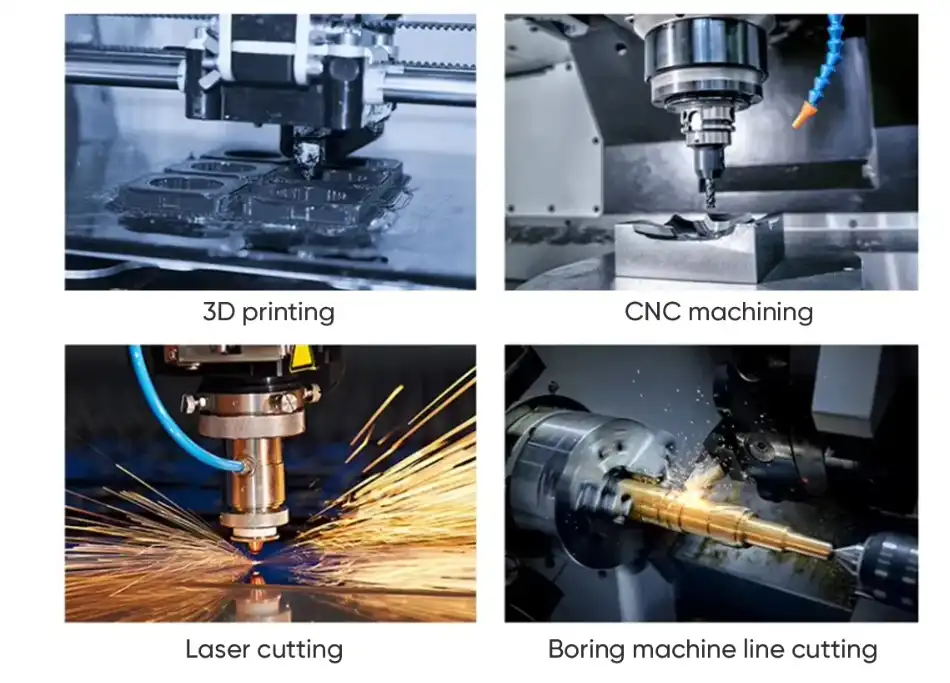
Understanding CNC Semiconductor Parts in Wafer Handling Systems
The dependability and accuracy of wafer handling systems are crucial to the semiconductor manufacturing process, which relies on them. To keep the sensitive silicon wafers within the system and safe from environmental variables, physical harm, and contamination, these systems need components that can keep an exceptionally high level of accuracy. Computer numerical control machining produces precision-engineered components called CNC semiconductor parts. These parts are created to fulfill the demanding standards of the semiconductor industry. To obtain the precise tolerances needed for semiconductor applications, the production process frequently employs cutting-edge CAM methods and specialized tooling, often attaining precision levels of ±0.01 mm or more.
Material Selection for Optimal Performance
The basis of effective wafer handling components is the selection of appropriate materials. High-purity aluminum alloys, such as 7075 and 6061-T6, meet the cleanliness standards required for semiconductor environments due to their outstanding mechanical qualities. The exceptional dimensional stability and resistance to outgassing offered by these materials make them ideal for use on delicate wafer surfaces. In chemical processing settings, stainless steel grades 316L and 304 provide outstanding resistance to corrosion and long-term durability. Their non-magnetic characteristics are ideal for applications that require minimal interference from electromagnetic fields. When it comes to specific wafer handling applications, titanium alloys are invaluable because of their biocompatibility and unparalleled strength-to-weight ratios. In situations where the use of metal components could pose a danger of contamination, high-performance engineering plastics, such as PEEK and POM, provide distinct benefits. Their dimensional stability across large temperature ranges and high chemical resistance make these materials ideal for a variety of wafer handling conditions.
Critical Components in Wafer Handling Systems
Accurate CNC manufacturing greatly improves the performance of certain essential components used in wafer handling systems. To process wafers correctly, wafer chucks need to have very flat surfaces and accurate positioning features. The quality of the surface finish affects both the flatness of the wafer and the outcomes of downstream processing. End effectors and grippers need to keep their gripping force constant while avoiding surfaces and edges that could be damaged by touching the wafer. The intricate geometry of these parts necessitates state-of-the-art CNC machining processes. Repeatable wafer placement with submicron accuracy is made possible by positioning features and precision-machined reference surfaces, which are essential components of alignment devices. To move wafers precisely, robot arms and placement stages use CNC-manufactured components that are structurally solid and have consistent dimensions. These parts have to be resistant to wear and contamination so they can continue working accurately for millions of cycles.
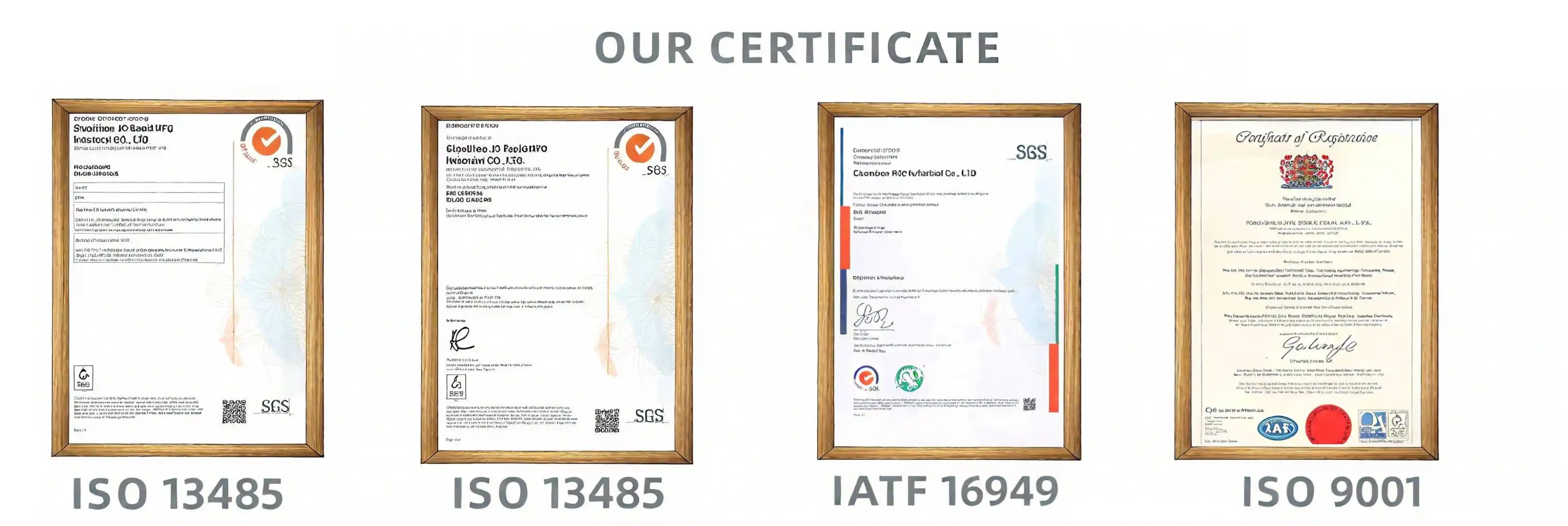
Comparing CNC Machining With Traditional Methods for Wafer Handling Components
Traditional machining methods face significant limitations when addressing the exacting demands of semiconductor part manufacturing. Conventional techniques often struggle with the intricate geometries, ultra-tight tolerances, and surface finish requirements that characterize modern wafer handling applications. CNC machining transforms manufacturing outcomes by delivering superior precision, consistency, and the ability to produce complex designs efficiently. The computer-controlled nature of CNC processes eliminates human error and ensures repeatable results across production runs, critical factors for maintaining semiconductor manufacturing quality standards.
Precision and Tolerance Capabilities
The exactness preferences of CNC machining ended up especially apparent when looking at resilience capabilities. Conventional machining strategies regularly accomplish resistances in the range of ±0.05 mm to ±0.1 mm, which demonstrates a deficiency for numerous semiconductor applications. CNC Semiconductor Parts routinely accomplish resiliences of ±0.01 mm or superior, with a few specialized applications coming to ±0.005 mm accuracy levels. This upgraded exactness interprets straightforwardly into making strides in wafer taking care of execution. More tightly resilient guarantees superior component fit and arrangement, lessening vibration and positioning errors that may affect wafer preparation. The improved dimensional precision also increases component life by reducing wear patterns and stress concentrations.
Surface Finish Quality and Contamination Control
Surface wrap-up quality speaks to another basic advantage of CNC machining for semiconductor applications. Conventional strategies often remove apparatus marks, surface inconsistencies, and tiny particles that could potentially damage wafer surfaces or interfere with precise positioning. CNC machining produces reliably smooth surfaces with unsurprising harshness characteristics. The capacity to control surface wrap-up through specialized tooling and machining parameters permits producers to optimize components for particular applications. Wafers can be in contact with surfaces that are finished to a mirror-like quality, while auxiliary zones can have somewhat rougher finishes that provide superior grip for surface treatments.
Design Flexibility and Customization
When compared to strategies like Electrical Discharge Machining (EDM) and infusion molding, CNC machining offers more adaptability in design adjustments and material choices. This flexibility is crucial for wafer applications requiring both quality and the capacity to suit advancing innovation requirements. EDM forms exceed expectations at making complex inner geometries, but battle with the surface wrap-up necessities and fabric impediments common in semiconductor applications. Infusion molding provides excellent repeatability for high-volume production but requires adaptability to accommodate frequent design changes and fabric varieties needed for specialized wafer handling components. CNC machining bridges these holes by advertising plan adaptability comparable to EDM while keeping up the surface quality and fabric alternatives required for semiconductor applications. This flexibility empowers producers to optimize components for particular applications without compromising quality or requiring costly tooling changes.
Selecting and Procuring CNC Semiconductor Parts for Wafer Handling Systems
Effective procurement strategies for wafer handling components require a comprehensive understanding of both technical requirements and supplier capabilities. The selection process must balance performance specifications with cost considerations while ensuring long-term supply chain reliability.
Supplier Qualification and Assessment
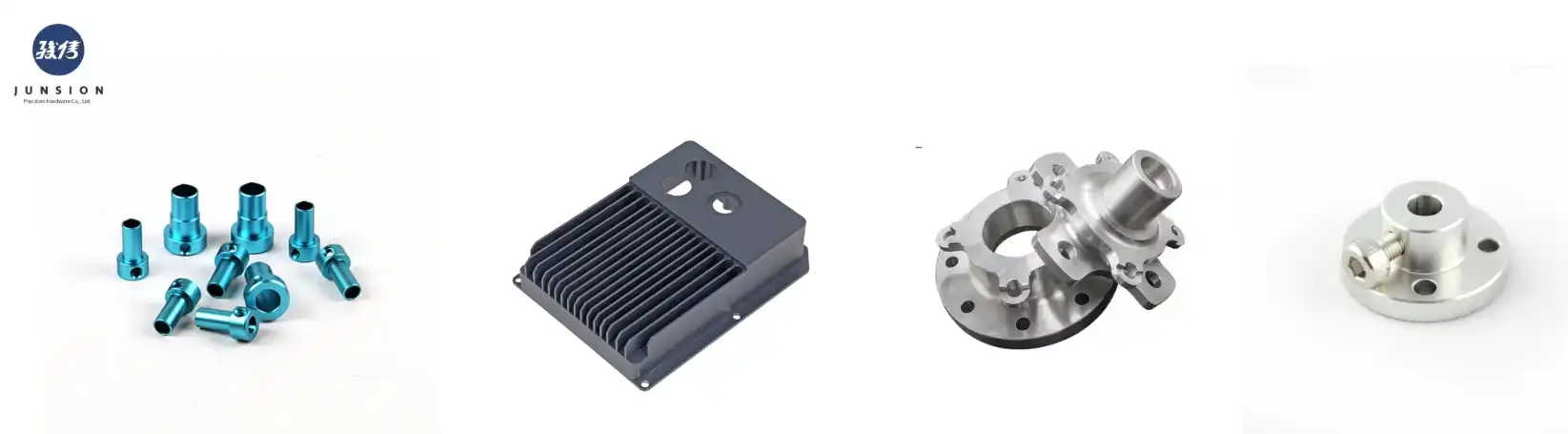
Assessing a supplier's production capacity, quality processes, and level of experience in the industry are the cornerstones of a successful procurement process. Expertise in working with the materials and tolerances needed for wafer handling systems, as well as competency in CNC machining processes tailored to semiconductor applications, are essential skills for suppliers to possess. Suppliers may be certain that their procedures and paperwork adhere to fundamental requirements when they are certified to quality management systems, especially if they are ISO 9001:2015 compliant. The cleanliness, material composition, and environmental safety of manufactured components are guaranteed to fulfill semiconductor industry standards through SEMI and RoHS compliance. It is important to evaluate a supplier's manufacturing capability to make sure they can manage the development of prototypes as well as the production volume needed. Companies going through rapid expansion or seasonal demand fluctuations really need to be able to scale production while keeping quality requirements.
Technical Specification Development
Developing comprehensive technical specifications requires close collaboration between engineering, procurement, and supplier technical teams. Specifications must clearly define dimensional requirements, material properties, surface finish standards, and any special handling or packaging requirements necessary to maintain component quality during shipping and storage. Tolerance specifications should reflect actual application requirements rather than defaulting to the tightest available tolerances. Over-specifying tolerances increases manufacturing costs without providing corresponding performance benefits. Working with experienced suppliers helps identify the optimal balance between performance requirements and cost-effective manufacturing approaches. Material certifications and traceability requirements ensure that components meet specified chemical composition and mechanical property standards. This documentation becomes particularly important for applications involving direct wafer contact or operation in controlled environments where material outgassing or contamination could impact process results.
Cost Optimization Strategies
Fetched and lead time contemplations must adjust quality requirements with budget imperatives, whereas accounting for adding up to the cost of ownership rather than beginning with cost alone. Higher-quality CNC semiconductor parts regularly give superior long-term value through decreased support requirements, extended service life, and strides in system performance. Bulk-arranged investment funds can give noteworthy returns for components with unsurprising demand patterns. Be that as it may, stock carrying costs and the chance of out-of-date quality must be weighed against potential reserve funds. Setting up adaptable requesting processes with providers can offer assistance to optimize stock levels, whereas keeping up fetched advantages. Lead time administration is considered to be basic for keeping up generation plans and maintaining a strategic distance from expensive downtime. Collaborating with providers to establish reasonable lead times and identify potential bottlenecks helps anticipate delays that could impact manufacturing operations. Keeping up vital stock levels for basic components ensures extra security against supply chain disturbances.
Maintenance and Quality Management of CNC Semiconductor Parts in Wafer Handling
Maintaining the precision and performance of wafer handling components requires systematic approaches to inspection, cleaning, and preventative maintenance. These practices protect the investment in high-quality components while ensuring consistent system performance over extended operating periods.
Preventative Maintenance Protocols
Routine cleaning procedures form the foundation of effective maintenance programs for semiconductor wafer handling components. Cleaning protocols must remove particulate contamination while avoiding damage to precision surfaces or protective coatings. The selection of appropriate cleaning solvents and techniques depends on component materials and the types of contamination encountered in specific applications. Inspection procedures should focus on critical dimensions, surface condition, and wear patterns that could indicate developing problems. Precision measurement tools, including coordinate measuring machines and optical comparators, enable accurate assessment of dimensional changes that might affect system performance. Regular lubrication of moving components helps prevent wear and maintain smooth operation. However, lubricant selection must consider compatibility with semiconductor processing environments and the potential for contamination if lubricants migrate to wafer contact surfaces.
Defect Detection and Corrective Actions
Understanding common defects enables early detection and corrective measures that can prevent costly downtime and component replacement. Surface finish degradation often results from improper cleaning techniques or exposure to aggressive chemicals. Regular surface inspection using appropriate lighting and magnification helps identify developing problems before they impact wafer handling performance. Dimensional variances can develop gradually through normal wear or suddenly due to impact damage or improper handling. Establishing baseline measurements for critical dimensions enables tracking of component condition over time and prediction of when replacement might become necessary. Coating degradation affects both the appearance and functional performance of treated surfaces. Regular inspection of anodized, plated, or painted surfaces helps identify areas where coating renewal might be required to maintain corrosion protection or surface properties.
Quality Control Implementation
Implementing robust quality control processes ensures long-term part performance and contamination avoidance throughout the component lifecycle. Documentation systems should track component history, maintenance performed, and performance trends to support data-driven maintenance decisions. Materials handling procedures protect components during storage, installation, and maintenance activities. Proper packaging and handling techniques prevent contamination and physical damage that could compromise component performance or require premature replacement. Environmental controls in storage and maintenance areas help preserve component condition between installation and use. Temperature and humidity control prevent condensation and corrosion, while particulate filtration maintains cleanliness standards appropriate for semiconductor applications.
Applications and Future Trends of CNC Semiconductor Parts in Wafer Handling
The semiconductor industry continues evolving toward smaller feature sizes, larger wafer diameters, and more complex device structures. These trends drive corresponding requirements for enhanced precision and reliability in wafer handling components, creating new opportunities for advanced CNC semiconductor parts.
Current Applications and Performance Requirements
Wafer chucks speak to one of the most requested applications for CNC-manufactured components in semiconductor handling. These components must give amazingly level reference surfaces, whereas joining highlights for vacuum clamping, temperature control, and electrical networks. The surface levelness prerequisites frequently surpass conventional machining capabilities, requiring specialized CNC procedures and post-machining treatments. Grippers and conclusion effectors require complex geometries that enable secure wafer handling without the risk of damage or contamination. The plan of these components must suit different wafer sizes and thicknesses while keeping up reliable clamping constraints and situating exactness. CNC fabricating enhances accuracy and surface finishes, which are vital for dependable operation in these applications. Alignment tools are essential for making sure the wafers are positioned correctly for photolithography and other precise processing steps. These components join precision-machined reference surfaces, situate pins, and clamp components that must keep up precision over millions of working cycles. The dimensional soundness and wear resistance of CNC-manufactured components make them perfect for these demanding applications.
Emerging Technology Trends
Miniaturization patterns in semiconductor gadgets drive the need for upgraded accuracy in wafer taking care of components. As highlight sizes proceed contracting, indeed minor positioning errors or vibrations can affect gadget abdication and execution. This slant pushes CNC fabricating toward indeed more tightly resisting and making strides in surface finishes. Increased robotization in semiconductor fabrication makes requests for components that can work dependably with negligible human intervention. CNC-manufactured components give the consistency and strength vital for mechanized frameworks, whereas consolidating highlights that empower inaccessible observing and prescient maintenance. The appropriation of processed materials, including specialized ceramics and composite materials, extends the range of properties accessible for wafers dealing with applications. CNC machining methods are advancing to utilize these unused materials while keeping up the accuracy and surface quality required for semiconductor applications.
Industry 4.0 Integration
CNC machining progressively underpins Industry 4.0 activities through integration with savvy manufacturing systems that empower upgraded traceability and handle control. These frameworks provide real-time checks of fabrication parameters, quality measurements, and component family history that support continuous improvement efforts. Enhanced traceability capabilities offer assistance to distinguish relationships between fabricating parameters and component execution, empowering optimization of machining forms for made strides in quality and effectiveness. This data-driven approach bolsters the improvement of more successful upkeep plans and substitution strategies. Process control integration empowers programmed alteration of machining parameters based on real-time input from quality checking frameworks. This capability makes a difference in keeping up steady quality, whereas adjusting to variations in fabric properties or device condition might affect component performance. These innovative approaches impact acquisition procedures by empowering more advanced provider assessment and execution monitoring. Companies can track provider execution measurements in real-time and make data-driven choices around sourcing techniques and provider advancement speculations.
Conclusion
CNC semiconductor parts serve as indispensable components in wafer handling systems, providing the precision, reliability, and contamination control essential for successful semiconductor manufacturing. The superior accuracy, design flexibility, and material options available through CNC machining make these components the optimal choice for demanding wafer handling applications. As semiconductor technology continues advancing toward smaller features and larger wafers, the importance of high-quality CNC components will only increase, making strategic sourcing relationships with qualified suppliers a critical success factor for semiconductor manufacturers.
FAQ
What makes CNC semiconductor parts essential for wafer handling systems?
CNC semiconductor parts provide the ultra-precise tolerances and contamination-free surfaces required to protect delicate silicon wafers during manufacturing processes. Traditional machining methods cannot achieve the dimensional accuracy and surface finish quality necessary for semiconductor applications, where even microscopic irregularities can impact device performance and yield.
Which materials work best for semiconductor wafer handling components?
High-purity aluminum alloys (6061-T6, 7075), stainless steel grades (316L, 304), titanium alloys, and high-performance plastics like PEEK and POM offer optimal combinations of cleanliness, dimensional stability, and mechanical properties. Material selection depends on specific application requirements, including chemical compatibility, strength requirements, and contamination sensitivity.
How do CNC machining tolerances impact wafer handling performance?
Tighter tolerances directly improve wafer positioning accuracy, reduce vibration, and extend component service life. CNC semiconductor parts achieving ±0.01 mm tolerances ensure better component fit, reduced wear patterns, and improved system reliability compared to conventionally machined alternatives with ±0.05 mm or looser tolerances.
What surface treatments enhance CNC semiconductor part performance?
Anodizing improves corrosion resistance and surface hardness, electroless nickel plating provides uniform coatings for complex geometries, passivation enhances stainless steel corrosion resistance, plasma spray coating offers thermal and wear resistance, and chemical etching creates specialized micro-textures. Treatment selection depends on application requirements and base material properties.
How can procurement teams evaluate CNC semiconductor part suppliers?
Supplier evaluation should focus on ISO 9001:2015 certification, SEMI and RoHS compliance, demonstrated CNC machining expertise, material certification capabilities, production capacity, and quality control systems. Successful suppliers must prove their ability to maintain tight tolerances while meeting semiconductor industry cleanliness and traceability standards.
Partner with Junsion for Superior CNC Semiconductor Parts Manufacturing
Dongguan Junsion Precision Hardware Co., Ltd. stands ready to support your wafer handling system requirements with our comprehensive CNC semiconductor parts manufacturing capabilities. Our ISO 9001:2015 certified facility combines advanced five-axis CNC machining with stringent quality control processes to deliver components meeting ±0.01 mm tolerances and SEMI compliance standards. As a trusted CNC semiconductor parts supplier to global OEMs, we offer rapid prototyping, custom OEM/ODM solutions, and volume production capabilities backed by our extensive material expertise and surface treatment options. Contact our engineering team at Lock@junsion.com.cn to discuss your specific wafer handling component requirements and discover how our precision manufacturing solutions can enhance your semiconductor production efficiency.
References
1. Thompson, R. & Martinez, J. (2023). "Precision Requirements in Modern Semiconductor Wafer Handling Systems." International Journal of Semiconductor Manufacturing Technology, 45(3), 234-251.
2. Chen, L., Kumar, S. & Williams, D. (2024). "CNC Machining Advances for Semiconductor Component Manufacturing." Advanced Manufacturing Quarterly, 18(2), 89-106.
3. Anderson, K. & Taylor, M. (2023). "Material Selection Criteria for Semiconductor Processing Equipment Components." Semiconductor Industry Review, 31(4), 412-428.
4. Rodriguez, A., Park, H. & Smith, C. (2024). "Quality Control Standards in CNC Semiconductor Part Production." Precision Manufacturing Today, 29(1), 156-173.
5. Johnson, P., Lee, S. & Brown, N. (2023). "Wafer Handling System Design Considerations for Advanced Semiconductor Fabrication." Semiconductor Engineering Handbook, 12th Edition, pp. 567-589.
6. Zhang, W., Miller, R. & Davis, E. (2024). "Future Trends in Semiconductor Manufacturing Component Requirements." Technology Forecasting Review, 22(3), 298-315.