




Are Split or Solid Locating Pins Better for You?
Which split or solid locating pins you use depends on the accuracy and production needs of your project. Split locating pins are great for situations where you need to put things together and take them apart a lot because they are more flexible and easier to install because they are compressed. Solid locating pins offer better strength and precise placement, which is especially useful in high-load situations where physical stability is still important. Both types are important to the manufacturing process, but knowing what makes each type different helps procurement workers make choices that improve production efficiency and keep quality standards high.
Understanding Locating Pins: Definitions and Functions
Locating pins are important for placing parts during manufacturing and assembly processes. They make sure that parts always line up correctly and consistently throughout the production process. These precisely engineered parts make reference points that stay the same size through multiple assembly processes, lowering variations that could hurt the quality of the result.
Essential Functions in Manufacturing Processes
To get the tight tolerances needed for today's electronics and market goods, modern production depends heavily on positioning hardware. Positioning screws set fixed reference points that help with placing parts, keep them from getting out of line during assembly, and make sure that there is always the same amount of space between them. In addition to easy positioning, their main job is to keep workpieces in place during machining operations and make sure that the sets are always the same between production runs.
Distinguishing Pin Types and Applications
Manufacturers have a number of choices when it comes to placing gear, and each one is made for a specific purpose and level of performance. Alignment pins and finding pins are mostly different in what they are used for and how much room they have for error. Guide pins control how parts move during assembly, while locating pins set exact reference points for where things are. Knowing these differences helps procurement teams choose the right gear that meets their quality standards and practical needs.
Positioning pins are used in many different ways in the manufacturing industry, from electronics assembly lines that need to be very precise, down to logistics storage systems that need to be able to reliably place parts. These flexible parts can be used with a wide range of materials, such as plastics, metals, and hybrid materials. This makes them essential in modern industrial settings.
Split vs Solid Locating Pins: Core Characteristics and Performance
While both split and solid fixing pins work, they are fundamentally different in how they are built and how they behave. Split pins have slots in them that let them be compressed during installation. Solid pins, on the other hand, stay the same size throughout their lifetime.
Structural Design and Material Considerations
Split setting pins have a lengthwise slot that makes them flexible when they are being put in place or taken out. This feature of the design makes it easier to put into holes with small differences in size while still ensuring accurate positioning. When the device is squeezed, spring tension is created that helps the piece stay in place under light loads.
Solid fixing pins provide constant physical stability because they are made of a single piece of material. These pins are made from 45 steel, stainless steel, and an aluminum alloy. They don't bend under heavy loads and allow for exact placement in tough situations. The choice of material has a direct effect on performance factors like resistance to rust, load capacity, and wear.
Performance Attributes and Durability Analysis
One important way to tell the difference in performance between split and solid fixing pins is their load-bearing ability. Because the material cross-section is continuous, solid pins can usually handle higher loads. On the other hand, split pins work best in situations that need freedom and a lot of assembly processes. Anodizing, etching, and blackening are some of the surface processes that make both types of pins last longer and be more resistant to damage from the environment.
In factory settings where temperatures change often, pin performance is affected by how stable the temperature is. Solid pins stay the same size over a wider range of temperatures, while split pins may change slightly in size because they are made with slots. Knowledge of these performance traits helps engineers choose the right pins for different working situations and external factors.
How to Choose the Right Locating Pin for Your Project?
When choosing the right positioning gear, you need to carefully consider a number of factors that affect performance, cost, and long-term dependability. The first step in making a choice is to understand the application standards and match them with the characteristics of the pin.
Critical Selection Criteria
The load capacity study is the first step in choosing the right pins. In situations where there are strong clamping forces or large horizontal loads, solid pins work best, while split pins work well for smaller assembly tasks. Dimensional tolerances also play a role in the choice. For precise uses, solid pins offer better location accuracy.
Material matching makes sure that pins and connecting components work well together. When used outside, stainless steel pins are very resistant to corrosion, while aluminum alloy pins are lighter and better suited for use in aircraft. In electronic systems, brass pins are better at conducting electricity, and plastic pins get rid of the problem of galvanic corrosion in mixed-material circuits.
Industry-Specific Applications
When making electronics, positioning pins need to be very accurate in terms of size and have clean surfaces. For these uses, pins with specs of ±0.01mm are often needed to make sure that parts are lined up correctly in small systems. In the same way, the telecoms industry depends on precise location hardware to keep signals safe and machines running smoothly.
When making consumer items, pins are used for many different things, from furniture parts to putting together appliances. In these situations, cost and performance must be balanced. Split pins are often chosen for non-critical positioning jobs, while solid pins are preferred for structural tasks. Positioning pins are used in rack systems and material handling tools in the logistics and storage industries, where dependability and sturdiness are very important.
Comparative Insights: Locating Pins vs Alternative Solutions
Knowing how positioning pins stack up against other ways of attaching and placing things helps people who work in buying make better decisions about which parts to buy. Each option has its own benefits that depend on the needs of the application and the limitations of the process.
Performance Comparison with Dowel Pins
Dowel pins are accurate at positioning in the same way that solid locating pins are, but they aren't as easy to put in as split types. Dowel pins' strict installation rules can make building more difficult, especially in places that require a lot of things. When installing, positioning pins gives you more freedom while still keeping the pins in the right place for most uses.
Positioning pins are often cheaper than dowel pins because they are easier to place and take less time to put together. Being able to place split pins without having to precisely prepare the holes makes production easier and cheaper. Maintenance work also benefits from split setting pins because they are easy to take out and put back in.
Alternative Fastening Solutions
Threaded fasteners allow for flexible placement, but they add complexity by requiring more torque and requiring careful thought about how the threads connect. Positioning pins get rid of these factors and make positioning uniform and repeatable. Locating bosses have built-in positioning features, but they make designs less flexible and raise the cost of tools compared to separate pin options.
Magnetic positioning systems can place things without touching them, but they can't always work with magnetic materials or in certain environments. Positioning pins work with all kinds of materials and can withstand harsh conditions, which magnetic systems can't do in a wide range of industrial situations.
Procurement Guidance and Market Overview for Locating Pins
To buy positioning hardware successfully, you need to know how the market works, what suppliers can do, and the quality standards that make sure you can get reliable parts. There are many providers in the global positioning pin market, and each one specializes in different things and has different skills.
Supplier Selection and Quality Standards
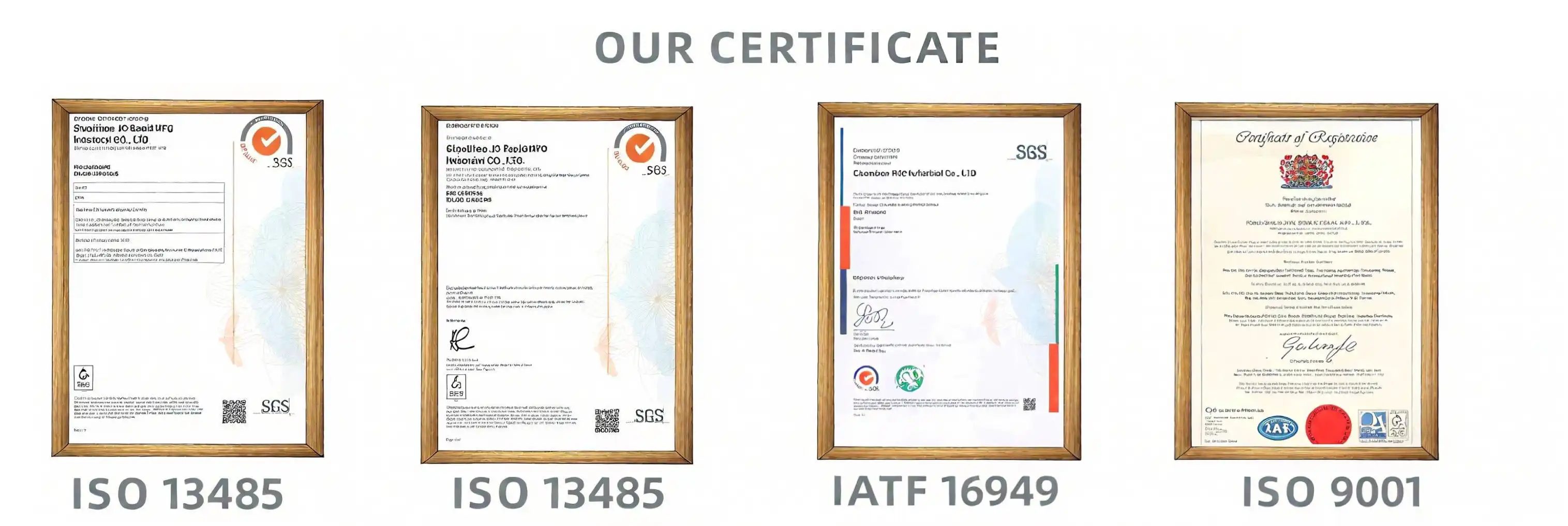
Leading producers keep their ISO 9001:2015 approval and show that their quality is always the same by using statistical process control and advanced measurement tools. RoHS compliance supports environmentally friendly production methods and protects the earth. When evaluating a supplier, you should look at their manufacturing skills, quality processes, and expert help resources.
Custom manufacturing lets you make pins with specific shapes that fit the needs of your specific purpose. Pins can be made with unique sizes, materials, and surface treatments from suppliers who offer CNC machining, EDM processing, and precise grinding. If normal store items can't meet certain performance or size requirements, these options come in handy.
Market Trends and Cost Optimization
Strategies for buying in bulk can cut costs per unit by a lot while still making sure there is a steady supply. A lot of sellers offer savings for buying in bulk, which makes projects more cost-effective, especially when a lot of parts need to be put together. Long-term supply deals make it possible to plan ahead for costs and give things more attention when the market changes.
As companies make better coatings for better function and looks, the number of surface treatment choices keeps growing. Traditional finishing methods aren't as good at protecting against wear and the environment as modern treatments like QPQ processing and electrophoresis.
Junsion: Your Trusted Partner for Precision Positioning Solutions
It has a lot of experience making high-quality setting pins and other precision hardware parts, which is why Dongguan Junsion Precision Hardware Co., Ltd. brings extensive expertise in manufacturing. Since we started our business in 2019, we've learned a lot about how to make split and solid locating pins that meet the strict needs of the communications, electronics, consumer goods, and transportation industries.
Comprehensive Product Portfolio and Manufacturing Excellence
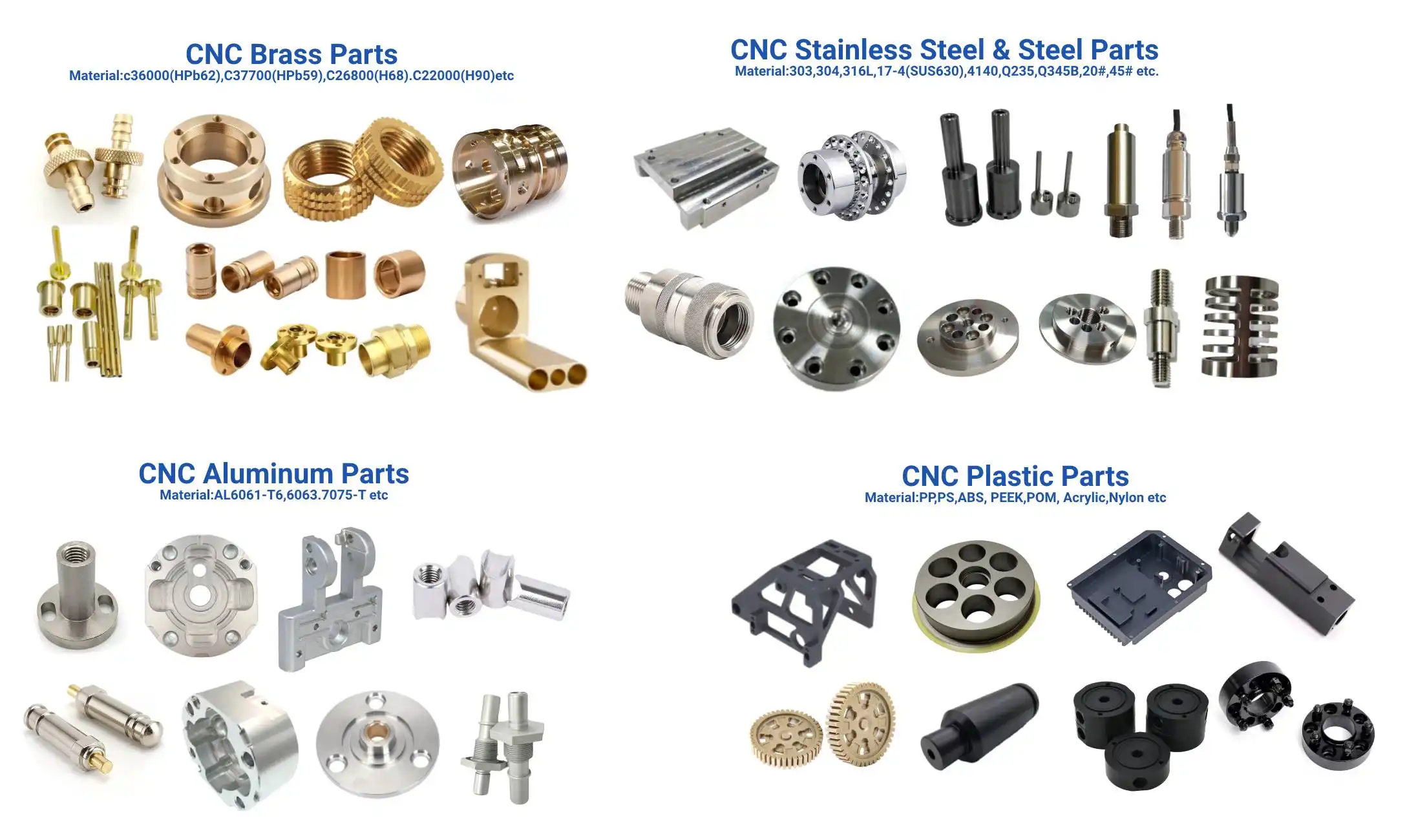
The setting pins in our wide range of products are made from 45 steel, stainless steel, aluminum alloy, plastic, and brass, among other materials. We stick to our promise of precise limits up to ±0.01mm and surface roughness ≤ Ra0.8μm with these materials, which can be used for a wide range of tasks.
CNC cutting, EDM processing, five-axis machining, and precise grinding are all examples of advanced manufacturing techniques. With these technologies, we can make fixing pins with complicated shapes and exact size needs. Our quality management system makes sure that all of our production runs have the same level of quality while also strictly following international standards.
Surface treatment choices include all types of finishing methods, such as electroplating, powder coating, sandblasting, anodizing, and more advanced methods like QPQ and electrophoresis. These treatments make things look better and work better, and they also protect the environment in ways that are right for each application.
Value-Added Services and Customer Support
Our engineering team offers full design help, including reviewing drawings, making suggestions for improvements, and figuring out how to make the plan work. This way of working together helps customers get the best performance from their parts while keeping costs and delivery times to a minimum. Custom solutions are made to meet specific needs that can't be met by standard store items.
As part of quality assurance, advanced measuring tools are used to check the accuracy of dimensions, materials are certified, and performance testing methods are followed. Regular batch checks make sure that the quality is always the same, and statistical process control methods stop changes that could affect how the parts are put together. Our ISO 9001:2015 certification shows that we are dedicated to high excellence in all of our activities.
Conclusion
When deciding between split and solid locating pin designs, you need to carefully think about the application needs, load conditions, and accuracy needs. Split pins work best in situations where installation needs to be flexible and where the part needs to be put together many times. Solid pins, on the other hand, are more rigid and accurate for difficult placement jobs. The best locating pin options for different production settings are also chosen based on the material, surface treatment choices, and dimensional limits. When procurement workers understand these factors, they can make choices that improve production efficiency while still meeting quality standards and cost goals.
FAQ
What are the main advantages of split locating pins over solid designs?
Because they can be compressed, split locating pins are easier to place and are perfect for situations where the holes aren't all the same size. They work great for parts that need to be taken apart and put back together many times, and they keep their positioning accuracy well enough for most industrial tasks.
How do I determine the correct material for my locating pin application?
The choice of material relies on the surroundings, the load that needs to be carried, and how well it works with other parts. Stainless steel doesn't rust, aluminum alloy is lighter, and plastic gets rid of the problem of galvanic rusting in mixed-material systems.
Can locating pins be reused across multiple assembly cycles?
When chosen correctly for the job, both split and solid locating pins can survive many assembly rounds. When split pins are used over and over, the hole area may wear down over time, but solid pins usually stay the same size for longer.
Partner with Junsion for Superior Locating Pin Solutions
Dongguan Junsion Precision Hardware Co., Ltd. stands ready to support your positioning hardware requirements with comprehensive locating pin manufacturing capabilities. Our advanced CNC machining facilities and commitment to precision tolerances ensure reliable components that enhance your production efficiency. As a trusted locating pin manufacturer, we offer customized solutions, rapid prototyping, and volume production capabilities that meet demanding delivery schedules. Contact our engineering team at Lock@junsion.com.cn to discuss your specific requirements and discover how our precision-engineered positioning solutions can optimize your manufacturing processes.
References
1. Smith, J.R. "Precision Positioning Systems in Modern Manufacturing." Journal of Manufacturing Engineering, Vol. 45, 2023.
2. Chen, L. and Williams, M. "Comparative Analysis of Split versus Solid Locating Pin Performance in High-Volume Assembly." International Conference on Manufacturing Technology, 2023.
3. Thompson, K. "Material Selection Guidelines for Industrial Fastening Applications." Manufacturing Technology Review, Issue 8, 2023.
4. Rodriguez, P. "Quality Standards and Testing Protocols for Precision Hardware Components." Industrial Engineering Quarterly, Vol. 28, 2023.
5. Anderson, D. "Cost-Benefit Analysis of Positioning Hardware in Electronics Manufacturing." Supply Chain Management Journal, Vol. 15, 2023.
6. Liu, X. "Advanced Surface Treatment Technologies for Precision Hardware Applications." Materials and Manufacturing Processes, Vol. 32, 2023.