




Top Sensor Technologies Driving Smart Automation in 2026
In 2026, smart automation will depend a lot on new sensor technologies that change how industrial systems watch, study, and react to changing surroundings. These complex gadgets are like the brains of modern automation. They allow for data gathering in real time, precise control, and smart decision-making across all production processes. To get ahead in the global market and improve business efficiency, procurement managers, engineers, wholesalers, and original equipment manufacturers (OEMs) need to understand these sensing technologies. This detailed guide shows how important sensor systems are for creating dependable, expandable, and data-driven automation solutions in modern production and industrial settings.
Understanding Sensor Technologies in Smart Automation
Modern sensor devices are the building blocks of smart automation. They pick up on physical or external changes and turn them into data that can be used. The complex parts in these machines connect the real world to digital control systems, letting machines accurately sense, understand, and react to their surroundings.
The Role of Detection Technologies in Intelligent Systems
Accurate data collection from the surroundings is a must for smart control systems. Detection technologies offer constant tracking that lets automated systems keep working at their best, find problems, and fix them without any help from a person. As manufacturing processes need more accuracy, faster reaction times, and better quality control standards, this skill becomes more and more important.
Key Technological Trends Shaping Modern Sensing Solutions
As of 2026, sensor technologies are mostly changing in three main ways: they are becoming more precise, they are getting better at connecting to other devices, and they are becoming easier to connect to automation networks. Tolerances are now within ± 0.01mm thanks to improvements in precision, and for important uses, surface roughness needs can be as low as Ra0.8µm. Industrial IoT standards now let data be sent in real time, and sensing devices can talk directly to PLCs, SCADA systems, and cloud-based analytics tools thanks to improvements in connectivity.
Essential Technical Specifications for Procurement Decisions
When procurement workers understand key performance indicators, they can make choices that are in line with business needs. Accuracy is how close readings are to the real values, sensitivity is how small changes can be seen, and reaction time is how fast devices respond to changes in their surroundings. These standards have a direct effect on how well the system works and must match the needs of the application to get the best results.
Top 5 Sensor Technologies Powering Smart Automation in 2026
Smart automation technologies are changing quickly, and five key sensing systems are at the forefront of this change in how factories work. These cutting-edge technologies give users precise measurement, environmental tracking, and process control new levels of power.
LiDAR Technology for Spatial Intelligence
Light Detection and Ranging technology changes the way robots and self-driving systems scan their surroundings and keep them safe. Laser pulses are used in this advanced method of measuring to make detailed three-dimensional models of the environment. This allows for accurate tracking and avoiding collisions in complex industrial settings. LiDAR is used in factories for guided vehicles that run on their own, robotic assembly tasks, and quality checking tasks that need to be accurate to the millimeter level.
MEMS Solutions for Miniaturized Sensing
Microelectromechanical Systems technology makes it possible to make sensors smaller and cheaper, which can be used for things like motion recognition and weather monitoring. These small devices have both mechanical and electrical parts built on silicon surfaces. They offer high performance in very small sizes. MEMS accelerometers, gyroscopes, and pressure sensors allow for accurate tracking in limited-space situations while still meeting high standards for reliability and longevity.
Optical Detection for Quality Control Applications
Advanced picture processing and spectral analysis tools in optical sensor technologies make sure that the quality of the products being made is controlled. With amazing accuracy, these systems find flaws on the surface, differences in size, and problems with the consistency of the material. Vision-based inspection systems with high-resolution cameras and special lights make it possible to check the quality of every product at high speeds, which lowers the number of defects and raises customer happiness.
Ultrasonic Measurement for Non-Contact Applications
Ultrasonic sensing technology can accurately measure distance, level, and flow without touching the object being measured. High-frequency sound waves are used by these flexible gadgets to find items, measure distances, and check fluid levels without touching the target materials. Ultrasonic solutions are used in many industries to keep an eye on tank levels, move conveyors, and make automatic systems that move materials that need to work reliably in difficult conditions.
Environmental Monitoring for Process Stability
Temperature and humidity monitoring systems keep important processes stable in production that is affected by the environment. These high-tech gadgets keep an eye on the environment, machine temperatures, and the amount of moisture in the air to make sure that the best conditions for production are always present. Monitoring the environment is important for precision manufacturing processes because it helps keep limits tight and stops quality problems caused by changes in temperature or humidity.
How to Choose the Right Sensor Technology for Your Smart Automation Needs?
To choose the right detecting technologies, you need to carefully think about the tasks you need to do, the limitations of the surroundings, and the performance you want. This methodical technique makes sure that the best technology is chosen while reducing risks and increasing return on investment.
Identifying Critical Automation Parameters
A thorough study of automation needs and practical limitations is the first step in choosing the right technology. Temperature ranges, humidity levels, chemical exposure, and shaking levels all have a direct effect on the choice of gadget and how well it works. For the desired results to happen, process goals such as accuracy standards, reaction time specifications, and integration skills must match up with technology features.
Performance Metrics and Comparative Analysis
By looking at performance measures, you can smartly compare different technologies and providers. Specifications for accuracy decide how accurate measurements are, reaction time affects how quickly a system responds, and cost efficiency affects how much it costs to run in the long term. Integration compatibility with current industrial control systems, such as PLCs, SCADA platforms, and IoT networks, makes sure that the system works well and is easy to set up.
Supplier Evaluation and Quality Assurance
A full review of a supplier looks at things like quality certifications, the ability to customize, and the ability to provide help after the sale. Getting ISO 9001:2015 approval shows that you care about quality management systems, and RoHS compliance makes sure that your products are safe for the environment and follow the rules. Customization tools let you make solutions that fit the needs of a specific application, and strong after-sales support gives you ongoing expert help and repair services.
Integrating Advanced Sensors into Smart Automation Ecosystems
To apply smart automation successfully, you need to carefully plan how to integrate technologies, handle data, and make the system scalable. These things to think about will help your business be successful in the long run and get the most out of your technology purchases.
Real-Time Analytics and Predictive Maintenance
Modern sensing systems create constant amounts of data that are used by real-time analytics and predictive repair systems. These systems use APIs and analytics software to turn raw data into insights that can be used to plan preventative maintenance and improve performance. Machine learning algorithms look at trends in past data to figure out when equipment will break down, when to do upkeep, and how to keep unplanned downtime to a minimum.
Automation Capabilities and Event Management
Modern sensing systems allow for complex automation features, such as messages based on events and maintenance prompts that are set automatically. These features let systems naturally adapt to changing conditions, take corrective actions, and let workers know when things are getting dangerous. Automated response skills cut down on the need for human intervention while making the system more reliable and increasing its working efficiency.
Compliance and Future-Proofing Strategies
To adopt something successfully, you need to pay close attention to compliance standards and tactics that will work in the future. Protocols for data security keep private operational information safe, and scalable design methods can be used to meet the needs of future growth. The ability to update software makes sure that it stays compatible with new technologies and standards, which protects long-term investments in technology.
Precision Hardware Solutions for Advanced Sensing Applications
As its name suggests, Dongguan Junsion Precision Hardware Co., Ltd. makes high-quality parts that make sensing systems in many different industries work better and be more reliable. Businesses that want to buy high-quality gadget parts and tools can trust us because we can do advanced precision machining and are dedicated to excellence.
Comprehensive Product Portfolio
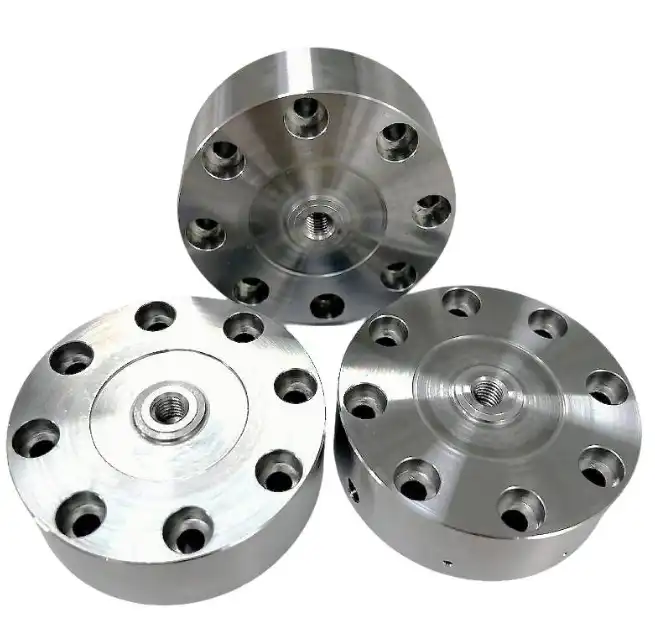
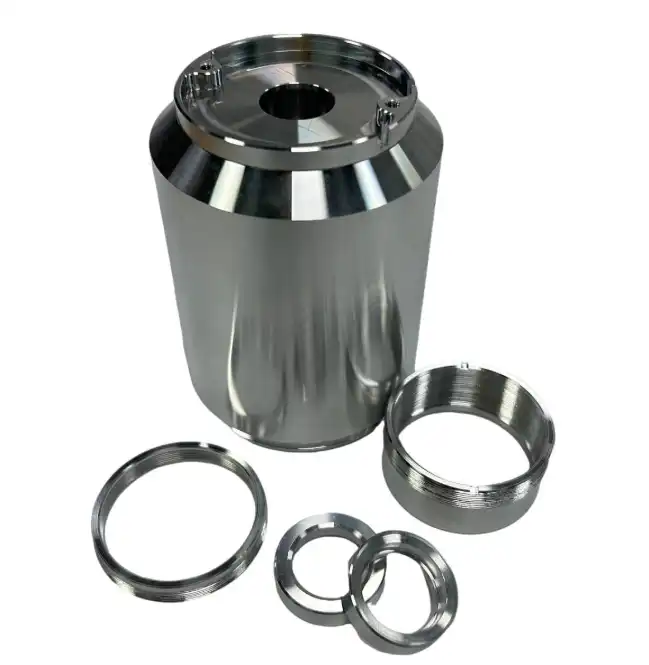
Our wide range of carefully designed goods includes protective housings that keep delicate parts safe from outside influences, mounting brackets that make sure things are placed securely and correctly, and high-quality connector cables that make sure data transfers between devices and control systems work reliably. We also make signal filters and testing tools that improve output for better signal quality and compatibility, and keep measurements accurate.
Advanced Manufacturing and Surface Treatment Capabilities
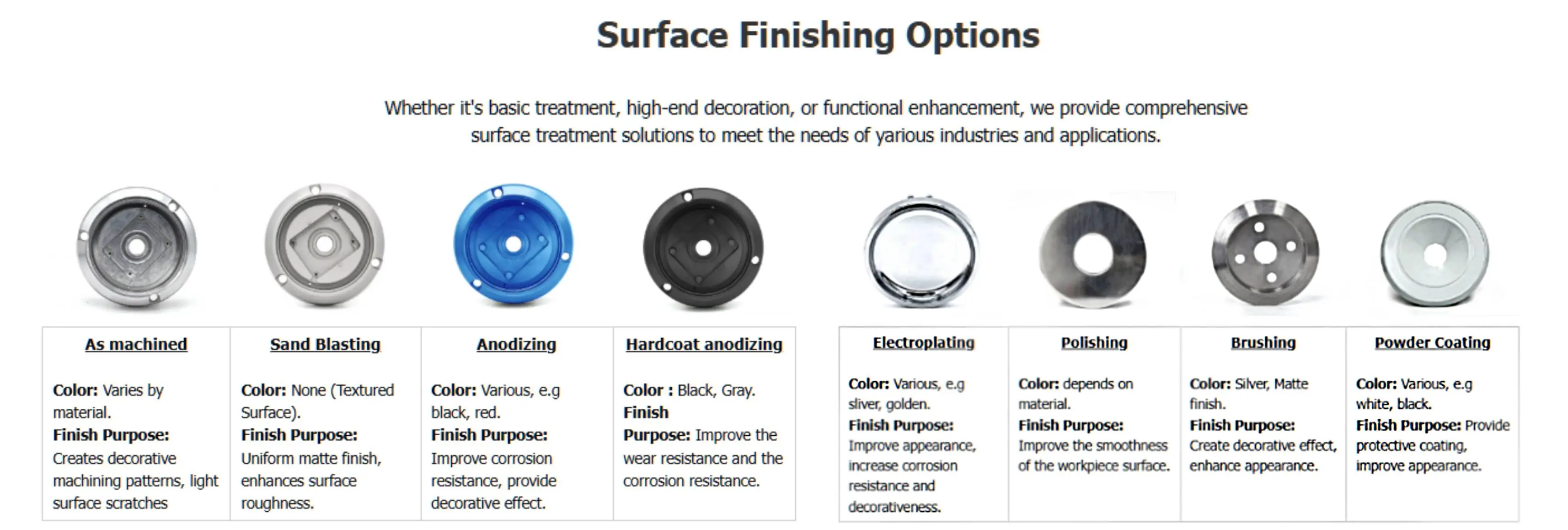
We use CNC cutting, turning, five-axis machining, and pressing in our state-of-the-art production facility to make parts to your exact specifications, with tolerances of ± 0.01mm and surface roughness levels up to Ra0.8μm. We only use high-quality materials, like 316, 304, 303, and 410 stainless steel, to make sure that our work lasts and works well. Options for treating the surface include sanding, painting, anodizing, grinding, plating, and electrophoresis. All of these methods are safe for the environment and follow the rules set by RoHS.
Conclusion
Choosing and using the right advanced sensing technologies will be very important for the progress of smart automation in 2026. These technologies, like LiDAR systems that make it possible to understand space and MEMS devices that make solutions smaller, are what modern industrial automation is built on. To do a good job of procurement, you need to know what the performance requirements are, check out the skills of the suppliers, and plan for easy integration with current systems. When companies buy the right sensing technologies and precise hardware parts, they set themselves up for better working efficiency, better quality control, and long-term competitive benefits in an industrial world that is becoming more and more automated.
FAQ
What factors determine sensor accuracy in automation applications?
In factory automation settings, measurement accuracy is affected by a number of things. Changes in temperature, electromagnetic radiation, mechanical vibration, and the frequency of testing can all affect the accuracy of levels. To get regular accuracy, it's important to use good manufacturing methods, do precise cutting with tight tolerances, and choose the right materials. Protecting the environment through good housing design and regular repair methods also keeps things running at their best for longer periods of time.
How do sensing devices integrate with existing industrial control systems?
Standardized communication methods, such as analog data, digital interfaces, and industrial networking standards, let modern sensing technologies talk to industrial control systems. Usually, integration includes setting up SCADA systems to collect data, connecting output signals to PLC input modules, and connecting IoT platforms for advanced analytics. When you properly condition signals, you make sure that the gadget outputs and control system inputs can work together.
What are typical pricing considerations for industrial sensing solutions?
Industrial sensor solutions have different pricing schemes that depend on how complicated the technology is, how much customization is needed, and how many are bought. Standard devices are usually priced by the unit, while unique solutions may include costs for research and making tools. Orders of a certain amount get discounts, and prices are often better when you sign a long-term supply deal. Maintenance needs, calibration services, and projected operating lifespan should all be taken into account when figuring out the total cost of ownership.
Partner with Junsion for Advanced Sensor Component Solutions
Dongguan Junsion Precision Hardware Co., Ltd. makes high-quality, precise parts that improve the performance of sensing systems in a wide range of industrial settings. Our advanced CNC machining, ISO 9001:2015-certified production methods, and dedication to quality excellence guarantee parts that are reliable and meet the strictest requirements. Get in touch with our knowledgeable staff at Lock@junsion.com.cn to find out how our precision-engineered sensor devices can improve the performance, sturdiness, and dependability of your automation systems.
References
1. Industrial Automation and Smart Manufacturing Technologies: Advances in Sensor Integration and Performance Optimization, Journal of Manufacturing Technology, 2026.
2. Precision Engineering Handbook: Modern Sensor Technologies for Industrial Applications, International Society for Precision Engineering, 2026.
3. Smart Factory Implementation Guide: Sensor Selection and Integration Strategies for Manufacturing Excellence, Automation Research Institute, 2025.
4. Advanced Materials and Manufacturing Processes for High-Performance Sensor Components, Materials Science and Engineering Review, 2026.
5. Quality Management Systems in Sensor Manufacturing: Best Practices for ISO Compliance and RoHS Standards, Quality Assurance International, 2025.
6. Future Trends in Industrial Sensing Technologies: Market Analysis and Technology Roadmap for 2026-2030, Industrial Technology Forecasting Group, 2026.