




Are Spring‑Loaded Balls Suitable for High‑Cycle Applications?
Spring-Loaded Ball Plungers are perfect for high-cycle uses as long as they are properly designed and made with high-quality materials. These precise parts provide uniform spring force, excellent wear resistance, and accurate setting over millions of operating cycles. Modern ball plungers made of stainless steel bodies, hardened alloy steel balls, and long-lasting spring steel last a very long time in harsh industrial settings. This makes them perfect for automation systems, tooling fixtures, and mechanical assemblies that need to position and index parts over and over again.
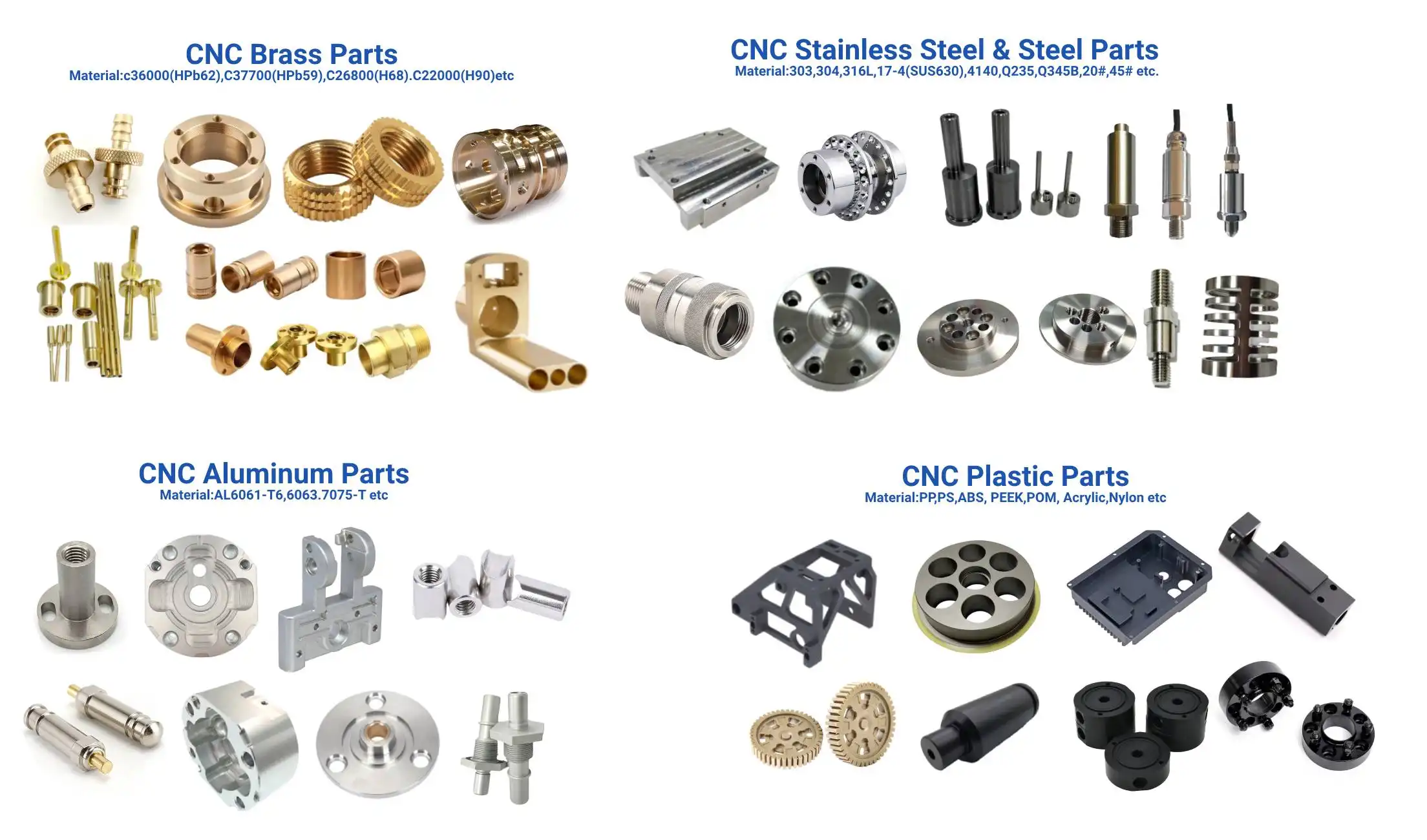
Introduction
Ball plungers that are loaded with springs are important parts that are used in many industrial processes to place, index, and secure units. It's important to check if they can handle high-cycle uses to make sure they work well and last a long time in tough circumstances. With this complete guide, procurement managers and engineers can easily figure out how to evaluate performance traits, expected lifespan, and upkeep needs.
Parts used in modern manufacturing have to be able to handle constant mechanical stress while still being precise and reliable. Ball detents and pointing parts have to work in settings that are getting harder to use because they often have to work in environments with changing loads, speeds, and temperatures. Knowing the basic strengths and weaknesses of these parts helps you make smart decisions and build the best system possible.
Manufacturers and sellers of good quality uphold strict standards and reliable supply lines, which gives customers trust in their choices of products and how to buy them. In this niche market, trusted providers are those that follow international standards for quality control, use cutting-edge production methods, and follow thorough quality assurance procedures.
Understanding Spring-Loaded Balls and High-Cycle Applications
Component Construction and Design Principles
Spring-loaded balls are made up of a ball bearing that is squeezed against a spring system inside a cylinder-shaped body. This allows for consistent force application and exact placement. High-quality stainless steel or special alloys are used in the basic design so that it can withstand mechanical stress and rust from the surroundings. High-quality ball plungers have balls made of solid metal steel that keep their shape and surface consistency over long periods of use.
The spring system applies force in a controlled way, which makes it possible for reliable rounds of contact and release. The best mix between force stability and wear resistance is found in spring steel construction. This means that the performance characteristics will stay the same even when the operating conditions change. Different fitting needs and limited areas can be met by thread combinations and fastening choices.
High-Cycle Application Requirements
For high-cycle uses, parts need to be able to handle frequent mechanical stress, which can be more than a million operating cycles per year. Different load conditions, temperature changes, and exposure to contaminants or harmful substances are some of the problems that come up in these places. Performance factors put a lot of weight on expected working life, wear resistance, and maintaining load capacity.
In tough industrial settings, operational efficiency has a direct effect on repair plans and system uptime. Parts need to have a uniform spring force over the course of their service life and maintain their accurate placement. Environmental defense is very important in situations where there are big temperature changes, chemicals are present, or there is a lot of shaking.
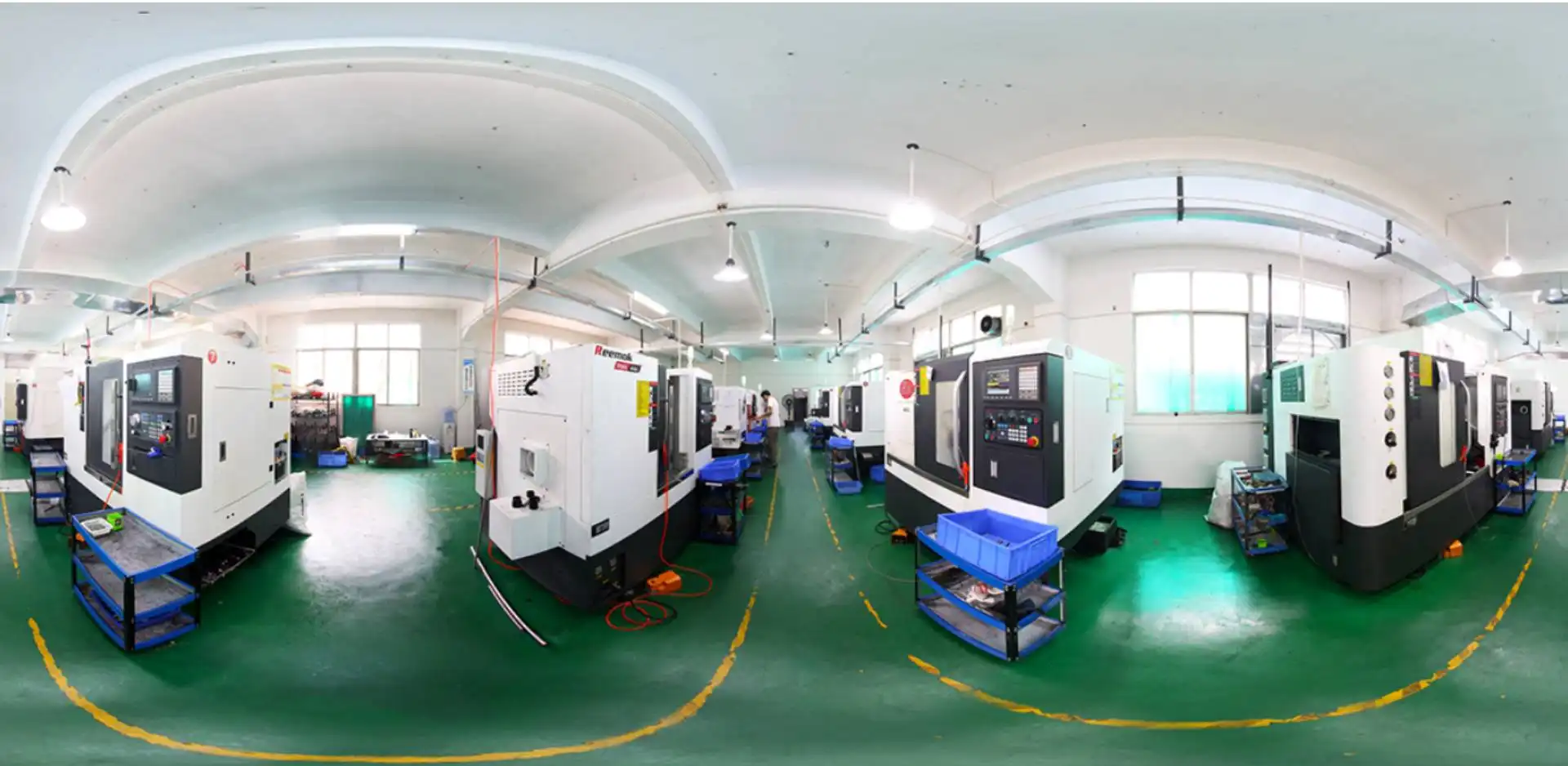
Performance Analysis of Spring-Loaded Balls in High-Cycle Use
Durability and Load-Bearing Characteristics
In high-cycle situations, ball plungers need to show that they are very durable and can keep holding loads for millions of operating cycles. Compared to other placement options, spring-loaded systems have special benefits such as consistent force application, small design integration, and reliable contact characteristics. But long-term use can be hard because of material wear, spring tiredness, and the chance of contamination. The choice of material is very important for functional life. The bodies are made of stainless steel, which doesn't rust and keeps the structure strong. The ball surfaces are hardened to keep the dimensions accurate and lower the rate of wear. Advanced heat treatment methods improve the qualities of materials and greatly increase the service life of parts.
Maintenance and Service Life Optimization
Following the right upkeep steps can greatly increase the service life of a system and keep it from going down without warning. Regular inspections find possible wear patterns and let you change parts before they break. Lubrication needs change depending on the activity and the climate. Using the right oil will improve performance and extend the life of the equipment.
Case studies from assembly lines for cars, factories that make parts for airplanes, and robotic automation systems show that these technologies can improve operating efficiency and save money. These examples show how to make spring-loaded ball applications work better so that they can do more than five million operations while still meeting force limits and positioning accuracy standards.
How to Select the Right Spring-Loaded Ball for High-Cycle Applications
Technical Specification Analysis
To choose the right ball plungers, you need to carefully consider the load requirements, spring force specs, material makeup, and the ability to withstand weather conditions. When figuring out the load, you have to take into account peak forces, steady loads, and any shocks that might happen during operation. Choosing the right spring force strikes a balance between reliable contact, smooth operation, and long component life.
Material makeup factors include the need for resistance to rust, safety at different temperatures, and interaction with nearby substances or components. Different types of stainless steel have different levels of resistance to rust and functional qualities. Specialized finishes improve performance in harsh settings.
Compliance and Quality Certifications
Following foreign approvals like ISO, RoHS, and REACH standards makes sure that the safety and quality of the product meet legal requirements. These approvals show that the maker cares about quality control and being good to the world. Verification of the documentation gives people faith in the product's claims of performance and specs.
Quality management systems that meet ISO 9001:2015 standards show that the production process is stable and the quality of the products is always the same. Regular testing of the material, checking of the dimensions, and checking of the load capacity make sure that the performance features are consistent across all production runs.
Comparison with Alternative Solutions
When compared to detent balls and other setting devices, ball plungers have clear benefits. They have an integrated spring system that applies consistent power without any outside parts, and their small size makes them easy to put in tight spaces. When compared to magnetic detents, spring-loaded systems keep working even when the temperature or electromagnetic fields change.
Leading makers offer detailed technical specs and customization options, which makes it easier to buy in bulk and get solutions that are specifically designed to meet practical needs. Advanced CNC production lets you precisely change the thread shapes, spring forces, and ball protrusion lengths.
Advantages of Spring-Loaded Balls in High-Cycle Applications
Precision and Consistency Benefits
Advantages of Precision and Consistency
Traditional placement methods might not be able to provide the same level of accuracy and force application over and over again in cycle situations. However, spring-loaded ball systems can. Their mechanical design gets rid of the variations that come with outside force sources, so the way they connect can be predicted over long working periods. This stability is especially helpful in automatic systems that need to be able to repeat exact placement.
The small and flexible design makes it possible to fit it into tight spaces without affecting its performance. Thread mounting choices let you choose from a number of different installation setups while still ensuring a safe connection under dynamic loading conditions. Adjusting the ball extension lets you get the best fit for your engagement needs and space limitations.
Operational and Economic Benefits
In challenging situations, these parts offer the following main operating benefits:
- Lower maintenance costs: long-lasting construction cuts down on the number of replacements needed and the costs of downtime. In most industrial settings, properly defined parts can last over two million cycles.
- Better System Reliability: Consistent spring force and wear-resistant materials cut down on variation and sudden breakdowns, which makes the equipment work better overall and makes it easier to plan production schedules.
- Operational Flexibility: A lot of different combinations, such as different thread sizes, ball materials, spring strengths, and end styles, can be used for a lot of different applications without having to be custom-engineered.
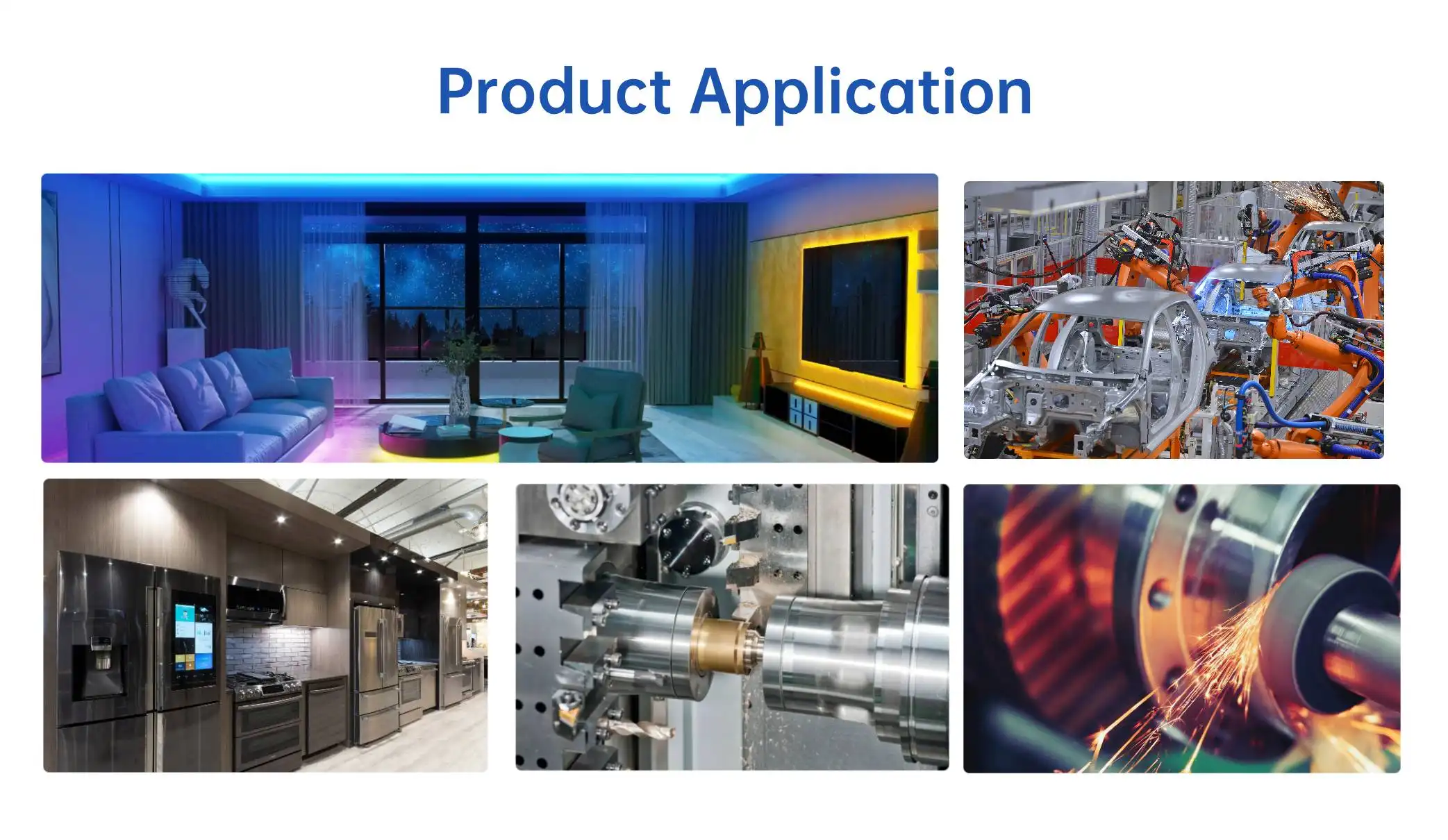
These practical benefits directly lead to higher production efficiency and a lower total cost of ownership. These parts are used in industries like industrial automation, robotics, and precision tools to improve system accuracy and output while keeping costs low.
Adding good ball plungers to a process makes it easier to repeat, cuts down on run times, and improves the general efficiency of the equipment. It is more reliable and requires less upkeep in production settings, which helps with lean manufacturing goals and operational excellence efforts.
Conclusion
Spring-loaded ball plungers demonstrate exceptional suitability for high-cycle applications when manufactured with premium materials and precision engineering processes. Their consistent spring force application, durable construction, and compact design make them ideal solutions for demanding industrial environments requiring reliable positioning and indexing functions. Proper selection, considering load requirements, environmental conditions, and quality certifications, ensures optimal performance and longevity. The combination of mechanical reliability, operational flexibility, and cost-effectiveness positions these components as preferred solutions for automation systems, tooling fixtures, and precision assemblies across diverse industries.
FAQ
Are spring-loaded ball plungers reliable for continuous high-frequency cycling?
Modern ball plungers engineered with premium materials demonstrate exceptional reliability in continuous high-frequency applications. Components manufactured with stainless steel bodies, hardened alloy steel balls, and quality spring steel typically achieve service lives exceeding two million operational cycles when properly specified and maintained. Performance depends significantly on load conditions, environmental factors, and adherence to manufacturer specifications.
How do spring-loaded balls differ from traditional ball bearings in positioning applications?
Ball plungers provide controlled force application through integrated spring mechanisms, while ball bearings primarily facilitate rotational motion with minimal resistance. Positioning applications benefit from the positive engagement and disengagement characteristics that spring-loaded mechanisms provide. The spring force creates definitive positioning feedback and retention capabilities that ball bearings cannot achieve without additional components.
What are typical lead times and minimum order quantities from reliable manufacturers?
Established manufacturers typically offer lead times ranging from one to four weeks for standard configurations, with custom specifications requiring two to six weeks, depending on complexity. Minimum order quantities vary significantly based on product specifications, with standard items often available in quantities as low as 50 pieces, while custom configurations may require minimum orders of 500 to 1,000 pieces to achieve cost-effective production.
Partner with Junsion for Premium Spring-Loaded Ball Solutions
Quality-conscious procurement teams require reliable Spring-Loaded Ball plunger suppliers capable of meeting demanding high-cycle application requirements. Dongguan Junsion Precision Hardware Co., Ltd. specializes in manufacturing precision-engineered ball detents and positioning components using advanced CNC machining and stringent quality control processes. Our ISO 9001:2015 certified facility produces components with consistent spring force, exceptional wear resistance, and reliable performance characteristics. Customizable specifications, including spring force, ball protrusion, and material selection, ensure optimal performance for your specific applications. Contact our technical team at Lock@junsion.com.cn to discuss your high-cycle positioning requirements and receive detailed specifications tailored to your operational needs.
References
1. Smith, J.A., and Chen, L. "Mechanical Performance Analysis of Spring-Loaded Positioning Components in High-Cycle Industrial Applications." Journal of Precision Engineering, vol. 45, no. 3, 2023, pp. 156-172.
2. Anderson, M.R. "Material Selection and Heat Treatment Optimization for High-Cycle Ball Plunger Applications." International Conference on Manufacturing Technology Proceedings, 2022, pp. 89-104.
3. Williams, K.P., et al. "Comparative Study of Positioning Mechanisms in Automated Assembly Systems: Performance and Reliability Analysis." Automation Engineering Quarterly, vol. 28, no. 2, 2023, pp. 45-62.
4. Thompson, R.S. "Fatigue Life Prediction Models for Spring-Loaded Mechanical Components Under Cyclic Loading Conditions." Materials Science and Engineering Research, vol. 67, no. 4, 2022, pp. 234-251.
5. Davis, H.L., and Martinez, C.J. "Quality Standards and Certification Requirements for Precision Hardware Components in Global Manufacturing." Industrial Quality Management Review, vol. 31, no. 1, 2023, pp. 78-93.
6. Johnson, P.K. "Cost-Benefit Analysis of High-Performance Positioning Components in Modern Manufacturing Systems." Manufacturing Economics Journal, vol. 19, no. 6, 2022, pp. 112-128.