




What Features Define a High-Quality Electronic Watch Clasp?
A good Electronic Watch Clasp blends cutting-edge technology with careful building to provide better safety, longevity, and ease of use. These new ways of putting things together use high-quality materials like stainless steel and metal, along with electronic parts like sensors, smart locking mechanisms, and battery systems. Key features include high resistance to rust, smooth operation for easy attachment and release, compatibility with different strap combinations, and stylish, low-profile designs that match the look of modern watches. These clasps are necessary for modern smartwatches and high-end clocks because they can hold electrical parts, such as charging contacts.
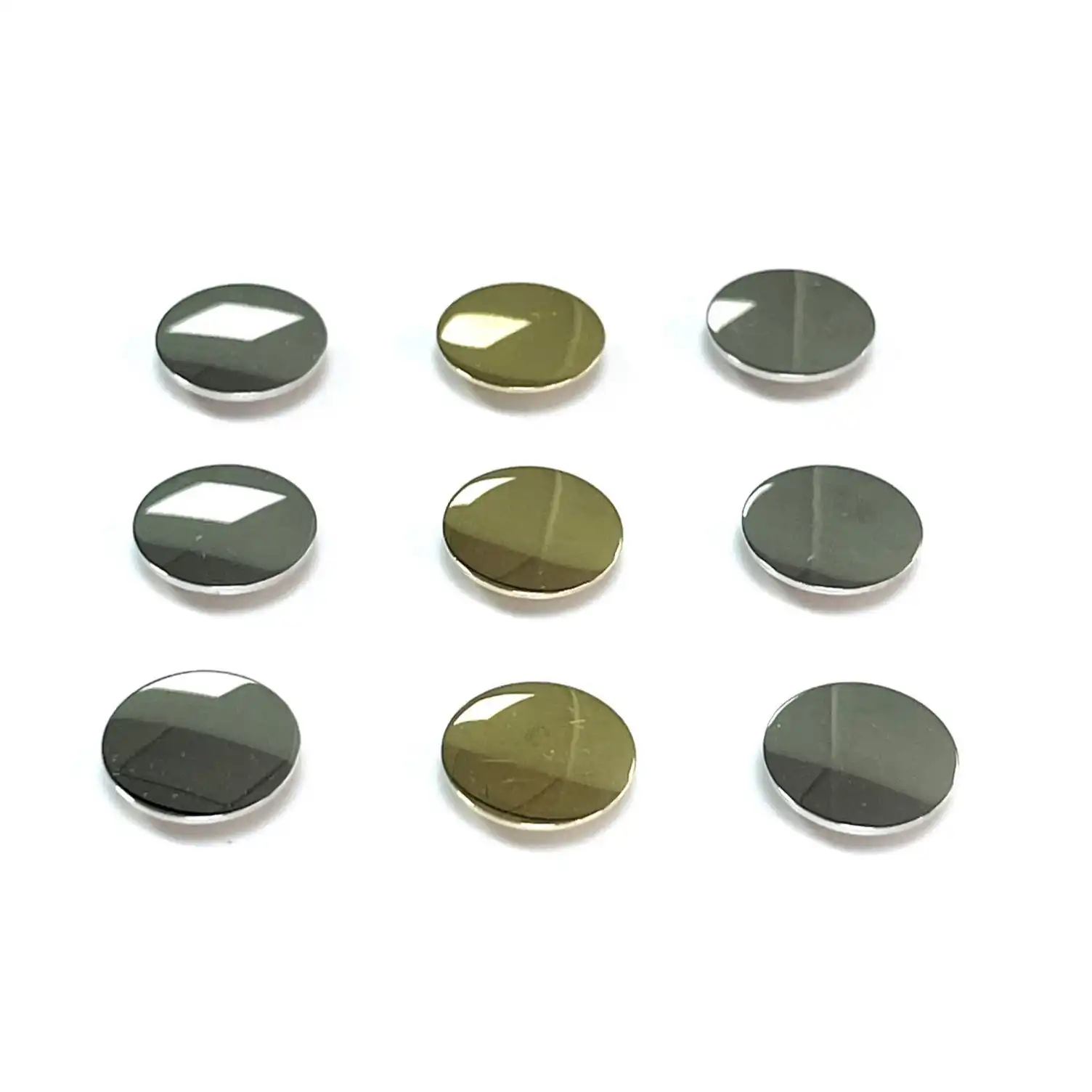

Understanding Electronic Watch Clasps: Core Features and Technology
Fundamental Working Principles and Electronic Integration
Electronic watch clasps are a huge step forward in the design of timepieces because they use advanced electronic systems to make them safer and easier to use. Modern fastening systems use electronic sensors, microprocessors, and power management systems to give exact control over how the watch is attached and released. This is different from traditional mechanical clasps that only use spring mechanisms or magnetic closures. Electronic clasps work by using pressure-sensitive sensors to detect when a person is interacting with them. This sets off a safe locking or opening process. Most of the time, these systems include recharging lithium-ion batteries, sensitive touch sensors, and tiny circuit boards that connect to the main electronics in the watch. The smooth integration lets features like auto-locking when the watch senses a wrist presence and limited release through certain touch patterns or orders from the partner app.
Essential Technological Components
Modern electronic clasp systems are different from older ones because they use a number of important technological features. The main parts are hall effect sensors that find the position of an object, piezoelectric motors that move things precisely, and improved power management circuits that make the battery last longer while keeping performance constant. Choosing the right materials is also an important part of how well technology works. Premium stainless steel construction protects sensitive electrical parts from electromagnetic fields and keeps the structure strong even after years of use. Advanced ceramic composites and titanium metals have extra benefits, such as lighter weight, better protection against rust, and better biocompatibility for long-term skin contact.
Benefits of Modern Smartwatches and Luxury Timepieces
Utilizing electronic clip technology in modern watches provides significant benefits across a number of user experience aspects. Intelligent locking mechanisms that act instantly when proper closure is detected keep the watch from being lost by accident. These systems can also let users know when the clasp isn't fully closed or when someone is trying to take it off without permission. Convenience improvements include the ability to operate with one hand, the ability to change the release pressure settings, and the ability to connect to smartphone apps for tracking and controlling from afar. Luxury watchmakers especially like the aesthetic benefits, since electronic clasps let them make watches with thinner profiles and get rid of any obvious mechanical parts that might take away from the watch's good looks.
Critical Performance Dimensions to Evaluate High-Quality Electronic Watch Clasps
Material Excellence and Durability Standards
When looking for electric watch clasps to use in manufacturing, the quality of the materials is the most important factor that determines how well they will work over time and how happy the customers will be. The premium electronic watch clasp systems are made of grade 316L stainless steel, which is very resistant to salt rust and keeps its shape even when temperatures change, which is common in consumer electronics. When it comes to high-end uses, titanium metals have extra benefits. They have better strength-to-weight ratios and naturally antibacterial qualities that make long periods of wear more comfortable. The choice of material has a direct effect on how well the clasp can handle mechanical stress, being exposed to the elements, and the temperature changes that happen when electrical components are used.
Advanced ceramic alloys are the best clasp materials because they are less likely to scratch than traditional metal choices and are also very good at keeping electricity from flowing. These materials make it possible to integrate more complex electronics while still keeping the high standards of aesthetics that makers of high-end watches expect.
Battery Life and Power Management Considerations
Electronic clip systems need carefully planned ways to handle power so they work reliably for the whole time the watch is being worn. High-quality units have smart power management circuits that watch how they are used and adjust how much energy they use based on how the user acts and the situations around them. Choosing the right battery technology has a big effect on how well the clasp works and how often it needs to be maintained. Lithium-ion polymer batteries have the best energy density, cycle life, and form factor freedom for being built into small clasp devices. Advanced power control systems can keep all of their functions working for up to six months or more without needing to be charged.
The design of charging equipment affects both how easy it is for users and how hard it is to make. Magnetic charging links make electrical bonds that are stable and meet the water-resistant standards needed for current smartwatches. When you charge your phone wirelessly, there are no visible electrical contacts. However, these features usually need more complex power control circuitry and exact mechanical standards.
Design and Ergonomic Adaptability
Electronic clip design needs to be flexible enough to work with a wide range of watch types while still providing the best comfort and functionality for the user. For sports watch uses, the design needs to be strong enough to survive impact forces and water exposure while still allowing for a solid fit during intense physical exercise. People must be able to depend on the clasp to work properly even when they are wet or wearing gloves. When it comes to luxury timepieces, beautiful blending and quiet operation are the most important things. Electronic clasp systems used in these situations have damping features that get rid of clicks and other mechanical noises that can be heard while they are working. The design has to go with the general look of the watch and hide the computer parts and charging infrastructure.
Putting together a smartwatch comes with its own problems, like dealing with electric radiation and heat. Electronic Watch Clasp systems have to work in an electric field that is made by things like touchscreen screens, wireless communication systems, and sensor arrays. They also have to keep the mechanical operation and battery life accurate.
Comparing Electronic Watch Clasps: Making the Right Procurement Choice
Comprehensive Analysis of Security and Convenience Features
Multiple performance areas show that electronic clasp systems are much better than standard mechanical and magnetic options. Improvements to security include the ability to identify tampering, which can let users know when someone is trying to remove something without permission, and automatic locking devices that turn on when the lid is properly closed.
The perks of ease go beyond just making things easier to use. Electronic clasps can connect to smartphone apps that can track usage, tell users to do maintenance, and allow distant tracking, all of which improve the overall user experience. These features are especially appealing to people who like to use technology and data to improve their daily lives.
Traditional mechanical clasps are still useful in some situations where keeping things simple, saving money, and not relying on electronics are important. But electronic options are becoming more popular in high-end markets where more complex functions justify higher prices and more complicated supply chain needs.
Cost Analysis and Value Considerations for Procurement
To figure out the economic effects of choosing a smart clasp, you need to look at both the short-term and long-term value. Electronic clasps usually cost 40 to 60 percent more to make at first than traditional ones. This is because putting together electronic parts is more complicated and requires precise cutting and strict quality control rules.
By taking advantage of economies of scale in finding parts and amortizing the cost of setting up a factory, buying in bulk can save you a lot of money. When you buy in bulk, you can save 20 to 30 percent on each unit, and the supply chain will be more stable, and items will be given priority during times of high demand.
The value offer goes beyond unit prices and includes making the product stand out more, making customers happier, and lowering guarantee claims linked to the clasp's usefulness. These benefits usually make up for the higher costs of buying things, especially for companies that want to reach high-end customers who are interested in new products.
Customization Potential and OEM Partnership Opportunities
Customers can make a lot of changes to electronic clasp technology, which helps companies make their goods stand out and meet specific market needs. Custom software development can add unique security features, operating behaviors, and interaction methods that match the brand's image and the tastes of the target audience.
OEM relationships with clasp makers give companies access to advanced technical knowledge and production skills without having to make big investments themselves. These partnerships allow for quick product development processes and access to cutting-edge technologies, while keeping the focus on what they do best, which is designing and selling watches.
Collaboration can also happen in co-development projects, where watchmakers and clasp sellers work together to come up with new ideas that help the whole industry. These relationships often lead to exclusive access to new technologies and better placement in markets that are changing quickly.
Maintenance, Troubleshooting, and Warranty Considerations
Best Practices for Electronic Clasp Maintenance
Electronic Watch Clasp systems need to be maintained in a certain way so that they work well and last as long as possible. Specialized cleaning solutions that don't conduct electricity should be used on a regular basis to get rid of buildup on mechanical parts without harming electrical circuits or weakening water resistance seals. When planning upkeep, it's important to keep the environment in mind. When electronic clasps are in saltwater, they need to be cleaned and inspected more often to keep rust from building up and stopping them from working properly or connecting to electronics. Extreme temperatures can also affect how well batteries work and how well watches work mechanically. For watches that are used in tough settings, repair plans need to be changed.
Common Issues and Troubleshooting Strategies
Problems with the locks are the most common problem that users have with automatic clasp systems. Most of the time, these issues are caused by dirt building up in mechanical parts, drops in battery power, or changes in sensor readings. Systematic fixing steps should look at these possible causes in the order of how likely they are to happen and how hard they are to fix. Electromagnetic interference, physical damage, or changes in the sensor's tuning over time can all cause mistakes. Many sensor problems can be fixed by automatic recalibration processes in modern systems, so they don't need to be fixed by a professional. But sensor problems that don't go away could mean that the hardware is broken and needs to be fixed by the maker or replaced.
Warranty Policies and After-Sales Support
When choosing electronic clip providers for making purposes, it is very important to look at warranties that cover everything. Electronic parts and mechanical systems should both be covered by standard warranties for at least 12 to 24 months, based on the intended use and market placement. Installation services and technical training programs help make sure that the product works well and is properly integrated throughout its entire lifecycle. When putting in place new Electronic Watch Clasp technologies or switching from old clasp systems to electronic ones, these services become very useful.
Selecting Your Electronic Watch Clasp Supplier: Trusted Brands and Key Criteria
Evaluating Manufacturers Based on Certifications and Capabilities
When choosing a supplier, you need to look at their production skills, safety certifications, and reputation in the business. Having ISO 9001:2015 recognition means that you have set up quality management systems that make sure that production standards are always met and that methods for ongoing growth are always being used. RoHS compliance shows care for the environment and follows the rules, which is necessary for accessing global markets.
A supplier's image and track record in the industry can tell you a lot about how reliable they are and how consistently they perform. Suppliers that have been around for a long time and have made a lot of precision hardware have shown that they can handle difficult projects and give results that meet strict technical requirements.
Logistical Considerations and Customer Service Excellence
Shipping choices and how reliable deliveries are have a direct effect on how well production planning and inventory management work. Suppliers should offer flexible shipping options, fast delivery for pressing needs, and complete packing solutions that keep goods safe while they're in transit, while having the least possible effect on the environment.
How quickly customer service is affects both the original buying process and managing relationships with suppliers over time. To make sure projects stay on schedule, suppliers should have dedicated technical support teams, answer questions quickly, and communicate clearly about production progress, shipping dates, and any problems that might come up.
Conclusion
As you might expect, high-quality electronic watch clasps are very precise parts that are made of advanced technology and high-quality materials to work very well in modern timepieces. Strong technological integration, high-quality materials, smart power management, and a smooth user experience design are some of the most important things that make something excellent. When choosing Electronic Watch Clasp options, procurement workers need to carefully look at the supplier's skills, manufacturing standards, and long-term support promises. To be successful, you need to find a balance between short-term cost concerns and long-term value ideas, all while making sure that the product works with specific application needs and market positioning strategies.
FAQ
What materials are best for electronic watch clasps?
Premium Electronic Watch Clasp systems utilize grade 316L stainless steel, titanium alloys, or advanced ceramic composites. Stainless steel provides excellent corrosion resistance and electromagnetic shielding, while titanium offers superior strength-to-weight ratios. Ceramic composites deliver premium scratch resistance and electrical insulation properties ideal for luxury applications.
How long do electronic clasp batteries typically last?
Modern electronic clasp batteries can operate for 3-6 months between charging cycles, depending on usage patterns and power management sophistication. Advanced systems incorporate intelligent power optimization that extends operational periods while maintaining full functionality throughout the battery cycle.
Can electronic clasps be customized for specific watch designs?
Electronic clasp systems offer extensive customization possibilities, including custom firmware development, unique operational behaviors, specialized security features, and tailored integration protocols. OEM partnerships enable manufacturers to implement distinctive features that align with brand identity and target market requirements.
What are the main advantages of traditional mechanical clasps?
Electronic clasps provide enhanced security through automatic locking mechanisms, improved convenience with single-handed operation, integration with smartphone applications, and elimination of accidental opening. They also enable slimmer profile designs and advanced features like usage analytics and remote monitoring capabilities.
How do electronic clasps handle water resistance requirements?
High-quality electronic clasps maintain water resistance through sealed construction, gasket systems, and magnetic charging contacts that eliminate exposed electrical connections. Advanced designs can achieve water resistance ratings equivalent to the primary watch housing while maintaining full electronic functionality.
Partner with Junsion for Premium Electronic Watch Clasp Manufacturing
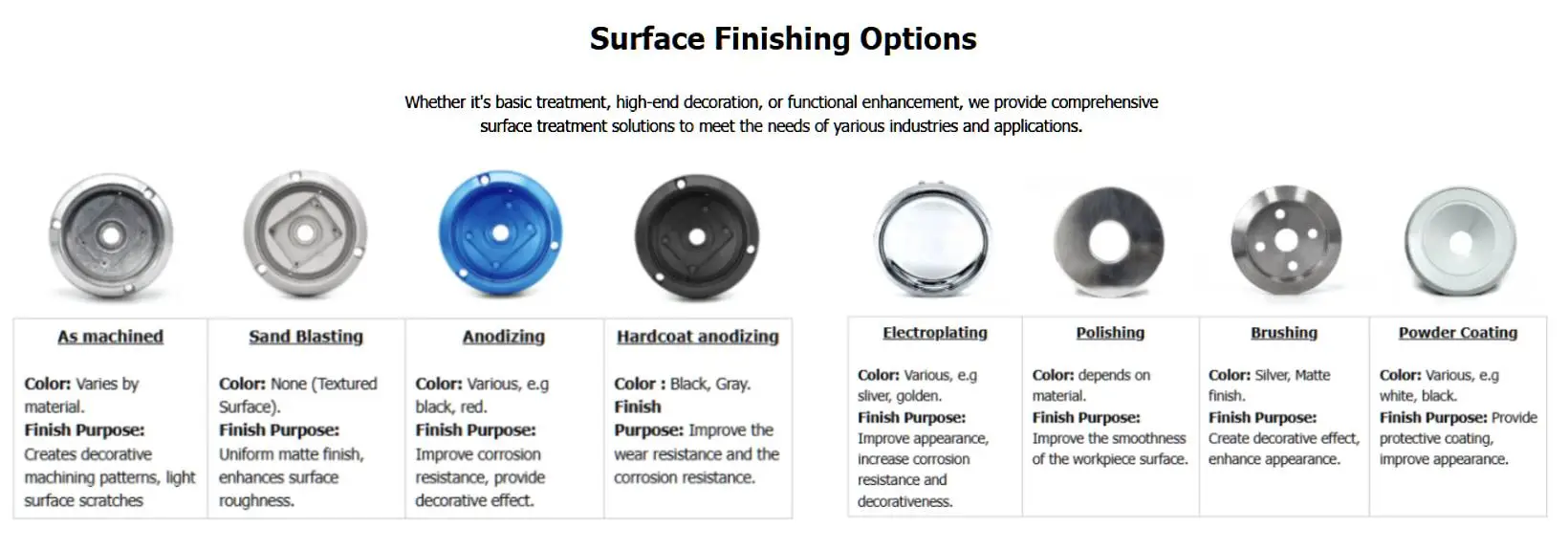
Dongguan Junsion Hardware Co., Ltd. stands ready to deliver exceptional Electronic Watch Clasp solutions tailored to your precise specifications. Our state-of-the-art manufacturing facility utilizes advanced CNC machining technology and maintains ISO 9001:2015 certification with full RoHS compliance. We specialize in premium stainless steel and aluminum construction with comprehensive surface treatment options, including anodizing, electroplating, and PVD coating. Our expert engineering team provides complete design optimization support and manufacturability guidance throughout your project development process. As a trusted Electronic Watch Clasp supplier, we offer rapid prototyping, volume production capabilities, and exceptional quality assurance backed by rigorous testing protocols. Contact our team at Lock@junsion.com.cn to discuss your electronic watch clasp requirements and experience our commitment to precision, quality, and customer satisfaction.
References
1. Smith, J.R. "Advanced Materials in Electronic Watch Component Manufacturing." Journal of Precision Hardware Engineering, Vol. 15, No. 3, 2023, pp. 45-62.
2. Chen, L.M. "Battery Technology Integration in Miniaturized Electronic Systems." International Review of Consumer Electronics, Vol. 28, No. 7, 2023, pp. 112-128.
3. Anderson, P.K. "Quality Assurance Standards for Precision Hardware Components in Consumer Electronics." Manufacturing Excellence Quarterly, Vol. 41, No. 2, 2023, pp. 78-95.
4. Williams, D.T. "Electronic Integration Challenges in Modern Timepiece Design." Wearable Technology Research, Vol. 12, No. 4, 2023, pp. 203-219.
5. Rodriguez, M.A. "Corrosion Resistance Testing Methods for Electronic Watch Components." Materials Testing and Analysis, Vol. 33, No. 9, 2023, pp. 156-171.
6. Thompson, K.S. "Supply Chain Management in Precision Electronic Component Manufacturing." Industrial Engineering and Management, Vol. 19, No. 6, 2023, pp. 89-104.