




If you want to buy CNC car parts from another business, you need to carefully consider the supplier's skills, quality standards, and production methods. Southeast Asia has become the most important place to make auto parts because it has low prices and advanced technology. Purchasing managers have to figure out how to work with complicated supply chains and make sure that international standards are followed. To be a good buyer, you need to know about material requirements, accuracy standards, and quality certifications. Building strong relationships with dependable CNC car parts suppliers is good for automakers in the long run. Making smart buying choices starts with carefully evaluating suppliers and being clear about technical needs. In the automotive industry, parts have to meet strict tolerance levels and performance standards for a wide range of uses.
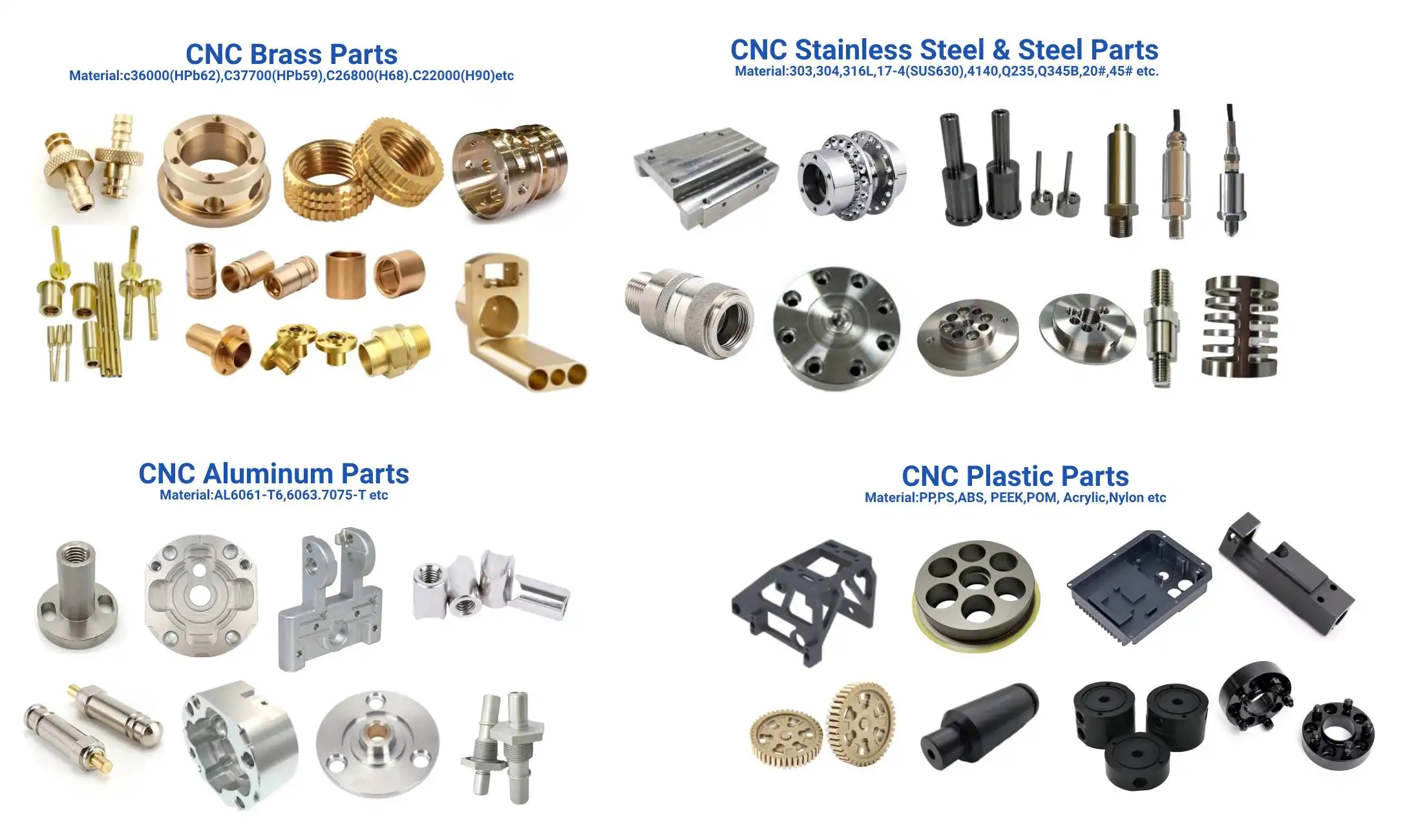
Why Should You Pay Attention to Asian CNC Automotive Parts?
Asian companies have changed the auto parts industry by making it more cost-effective and using better technology. Precision CNC machined parts are mostly made in China, Japan, and South Korea, among other places. These areas have complete manufacturing ecosystems that support complicated supply chains for cars. Modern CNC machining services are used by advanced manufacturing facilities to make high-quality parts.
The competitive advantage goes beyond price and includes the ability to make rapid prototypes and change the amount of product that is produced. A lot of Asian companies keep their ISO 9001:2015 certifications up to date and follow RoHS environmental rules. Asia is a good place for automotive procurement managers to find parts because they can be sure of the quality and the prices are low.
In these areas, manufacturing clusters make it easy to find specialized suppliers of CNC Car parts, CNC aluminum parts, CNC steel parts, and custom CNC components. The closeness of suppliers of raw materials and finishing services makes production workflows more efficient, which is good for automakers around the world who rely on CNC Car parts.
Important Criteria for Picking CNC Manufacturing Partners
Quality certifications are the basis for judging a supplier when buying an automobile. Getting certified in ISO 9001:2015 shows that you are dedicated to quality management systems and constant improvement. RoHS compliance makes sure that safety standards for the environment are met during the whole manufacturing process. More certifications, like TS 16949, are designed to meet the specific needs of the automotive industry.
For CNC automotive parts, the technical skills must match the needs of the project. The evaluation should look at how precise the machine is, how well it can handle tolerances, and how well it can handle materials. Five-axis machining, EDM, and a full range of finishing services, such as anodizing and electroplating, are available at modern facilities.
Response time and how well people can talk to each other directly affect how long projects take and how successful they are. Suppliers should show quick response times for quotes and easy ways for technical people to talk to each other. Understanding different cultures and time zones can make it harder for global procurement teams to work together effectively.
Long-term partnership viability is based on production capacity and scalability. As long as quality standards are met, suppliers have to deal with both small amounts for prototypes and large amounts for full production. Changes in demand patterns that happen a lot in the auto industry can be handled by making production schedules flexible.
The most popular types of CNC engine parts used in cars
Precision Parts for Engines
CNC Car parts engine parts are the most difficult to make in the auto industry because they need to be very precise and last a long time. Extreme conditions like high temperatures, constant vibration, and corrosive environments are what these parts have to work in. To make sure they work well and use little gas, modern engines need very tight tolerances, usually within ±0.01mm.
When CNC turning is used to make valve parts, they must have precise sealing surfaces and consistent sizes. Grades of stainless steel like 304 and 316L are very good at resisting corrosion in exhaust applications. Using advanced surface treatments like QPQ and passivation can make parts last longer and work better.
To get precise bearing surfaces and weight specifications for connecting rod assemblies, CNC milling operations are needed. Depending on the engine's needs, high-strength steel alloys or aluminum are usually chosen as the material. Protocols for dimensional verification and stress testing are part of full quality control.
Multi-axis machining makes it possible to make parts for camshafts with complex geometries in a single setup. This method cuts down on handling mistakes and raises the quality of the finish on important bearing surfaces. In order to get the required hardness, heat treatment processes are often done after machining.
Parts of the Suspension System
CNC suspension parts have to be able to handle dynamic loading conditions and keep their shape over the life of the vehicle. These parts have a direct effect on how the vehicle handles, how smooth the ride is, and how safe it is. The processes used in manufacturing put a lot of emphasis on protecting against fatigue and corrosion.
For piston rods and valve assemblies, shock absorber parts use precise CNC lathe parts. Chrome plating protects against wear and makes the machine run smoothly under different loads. Tight tolerance requirements make sure that the seal works right and that the damping properties stay the same.
To make complexly curved stabilizer bar assemblies, special shaping and milling operations are needed. Specifications for materials usually list high-strength steel with certain spring properties. Surface treatments stop corrosion while keeping the flexibility that is needed.
Control arm brackets and bushings show how flexible CNC fabrication services can be used in the automotive industry. These parts are made up of machined metal parts and precisely molded rubber parts. When putting things together, you need to pay close attention to torque requirements and alignment tolerances.
Precision Parts for the Brake System
CNC brake parts are used in safety-critical situations that need complete dependability and consistent performance. Because of safety concerns, manufacturing standards are higher than normal automotive standards. As part of quality control, materials must be tested thoroughly and can be tracked throughout the production process.
CNC services are used to make sure that the bore sizes and mounting interfaces of brake caliper parts are exact. Aluminum alloys make things lighter while still keeping their shape when they're under a lot of force. Anodizing treatments make things less likely to rust and better at getting rid of heat.
Specialized turning operations are needed to get the surface finishes and measurements just right when making a rotor. To get the right metallurgical structure, cast iron materials go through controlled cooling processes. Balancing operations make sure that things run smoothly at high speeds.
For hydraulic fittings to work, the threading and sealing surface must be prepared with precision using CNC prototype parts development. The construction is made of stainless steel, which resists corrosion in harsh working conditions. Pressure testing makes sure that the system works at its highest level of pressure.
Understanding the rules and characteristics of the Asian market
Regulatory frameworks in Asian manufacturing regions stress meeting standards for worker safety and protecting the environment. Because China has strict rules about the environment, manufacturing standards for CNC Car parts and other products have gone up across the board. Material certificates and quality testing reports are examples of documents that must be exported for CNC Car parts.
Cultural business practices affect how people talk to each other and build relationships. In many Asian business cultures, long-term partnerships are more important than short-term deals. Knowing about local holidays and business practices makes working together more efficient.
Changes in currencies and trade policies affect the stability of prices for international buying. Financial risks can be managed with hedging strategies and flexible pricing agreements. Cost advantages may come from trade agreements for certain pairs of countries.
Different areas have very different logistics infrastructure, which affects delivery times and the cost of transportation. Supply chain planning is affected by when containers are shipped and what ports can do. For prototypes and emergency needs, air freight options offer faster delivery.
Advice on What to Buy and Some Strategic Thoughts
Facility visits should be part of supplier audits to make sure that the manufacturing capabilities and quality systems are being checked. Directly watching the production process shows what the real capabilities are, not just what the marketing says they are. Condition and maintenance programs for equipment show that it could be reliable for a long time.
Transparency in material sourcing protects the integrity of the supply chain and makes costs predictable. Suppliers should make it clear where the raw materials come from and how the prices are set. Having backup suppliers in place keeps production from stopping when there are problems in the supply chain.
Payment terms and checks of the supplier's financial stability protect against the risk of default. Payment plans that are based on project milestones protect both parties. Credit references and financial statements help the process of evaluating suppliers.
In order to protect intellectual property, there must be clear confidentiality and contract terms. Design ownership and manufacturing rights need to be made clear. Understanding the local legal framework helps protect private data and designs.
Industry Trends and Market Summary
The Asian CNC automotive parts market continues evolving toward higher precision requirements and advanced material applications. Electric vehicle adoption drives demand for lightweight CNC aluminum parts and specialized electronic component housings. Automation integration reduces labor dependency while improving consistency across production volumes. Sustainability initiatives emphasize recycling programs and energy-efficient manufacturing processes. Digital manufacturing technologies including Industry 4.0 implementations enhance quality control and production visibility. These trends position Asian manufacturers as technology leaders in global automotive supply chains.
Conclusion
Successful B2B purchasing of CNC Car parts and other CNC automotive parts in Asia requires strategic evaluation of supplier capabilities, quality certifications, and manufacturing processes. The region offers compelling advantages including advanced technology, competitive pricing, and comprehensive manufacturing ecosystems for CNC Car parts. Key success factors include thorough supplier assessment, clear communication of technical requirements, and establishment of long-term partnerships. Understanding local market characteristics and regulatory requirements enhances collaboration effectiveness and project outcomes related to CNC Car parts. Smart procurement decisions balance cost considerations with quality requirements while ensuring supply chain reliability. Asian manufacturers continue advancing technological capabilities and quality standards, positioning themselves as preferred partners for global automotive companies seeking precision CNC Car parts and other machined components.
Frequently Asked Questions
Q: What tolerance levels can be achieved with Asian CNC automotive manufacturers?
A: Leading Asian CNC manufacturers consistently achieve tolerances of ±0.01mm with surface roughness values of Ra0.8μm or better. Advanced facilities equipped with five-axis machining centers can maintain even tighter tolerances for critical automotive applications. Quality control systems using coordinate measuring machines verify dimensional accuracy throughout production runs.
Q: How do material costs compare between different Asian manufacturing regions?
A: Material costs vary based on local supply chains and raw material availability. China offers competitive pricing for standard grades of aluminum and steel alloys. Specialty materials like titanium may be more cost-effective in regions with established aerospace industries. Transportation costs and lead times also influence total material expenses.
Q: What quality certifications should I expect from automotive CNC suppliers?
A: Reputable automotive CNC suppliers maintain ISO 9001:2015 quality management certification at a minimum. TS 16949 certification specifically addresses automotive industry requirements and demonstrates advanced quality systems. RoHS compliance ensures environmental safety standards, while additional certifications may include AS9100 for aerospace applications.
Partner with Junsion for Superior CNC Car Parts Manufacturing
Dongguan Junsion Precision Hardware Co., Ltd. exemplifies excellence in CNC automotive parts manufacturing with advanced capabilities and proven quality systems. Our 1,600 square-meter facility houses 32 state-of-the-art CNC machines capable of producing complex automotive components to exact specifications. We serve procurement managers and product developers seeking reliable CNC car parts suppliers with comprehensive manufacturing capabilities.
Our ISO 9001:2015 certified quality management system ensures consistent performance across all production runs. RoHS compliance demonstrates our commitment to environmental responsibility throughout manufacturing operations. Advanced measurement equipment validates dimensional accuracy while load testing confirms performance requirements.
Material expertise spans aluminum alloys, stainless steel grades, and engineering plastics suitable for diverse automotive applications. Surface finishing capabilities include anodizing, electroplating, and specialized coatings that enhance component durability and appearance. Custom OEM/ODM manufacturing services support unique design requirements from concept through production.
Ready to experience the Junsion advantage in precision CNC automotive manufacturing? Our engineering team stands ready to discuss your specific requirements and provide comprehensive solutions for your next project. Contact us at Lock@junsion.com.cn to begin your partnership with a trusted CNC car parts manufacturer dedicated to exceeding your expectations.
References
1. Kalpakjian, S., & Schmid, S. R. (2014). Manufacturing Processes for Engineering Materials (5th ed.). Pearson Education.
2. Groover, M. P. (2020). Fundamentals of Modern Manufacturing: Materials, Processes, and Systems (7th ed.). Wiley.
3. International Organization for Standardization. (2015). ISO 9001:2015 Quality Management Systems — Requirements. ISO.
4. Automotive Industry Action Group (AIAG). (2016). IATF 16949: Quality Management System Requirements for Automotive Production. AIAG.
5. European Commission. (2011). Restriction of Hazardous Substances (RoHS) Directive 2011/65/EU. Official Journal of the European Union.
6. Deloitte. (2022). Global Automotive Supplier Industry Outlook: Manufacturing, Supply Chain, and Technology Trends. Deloitte Insights.