




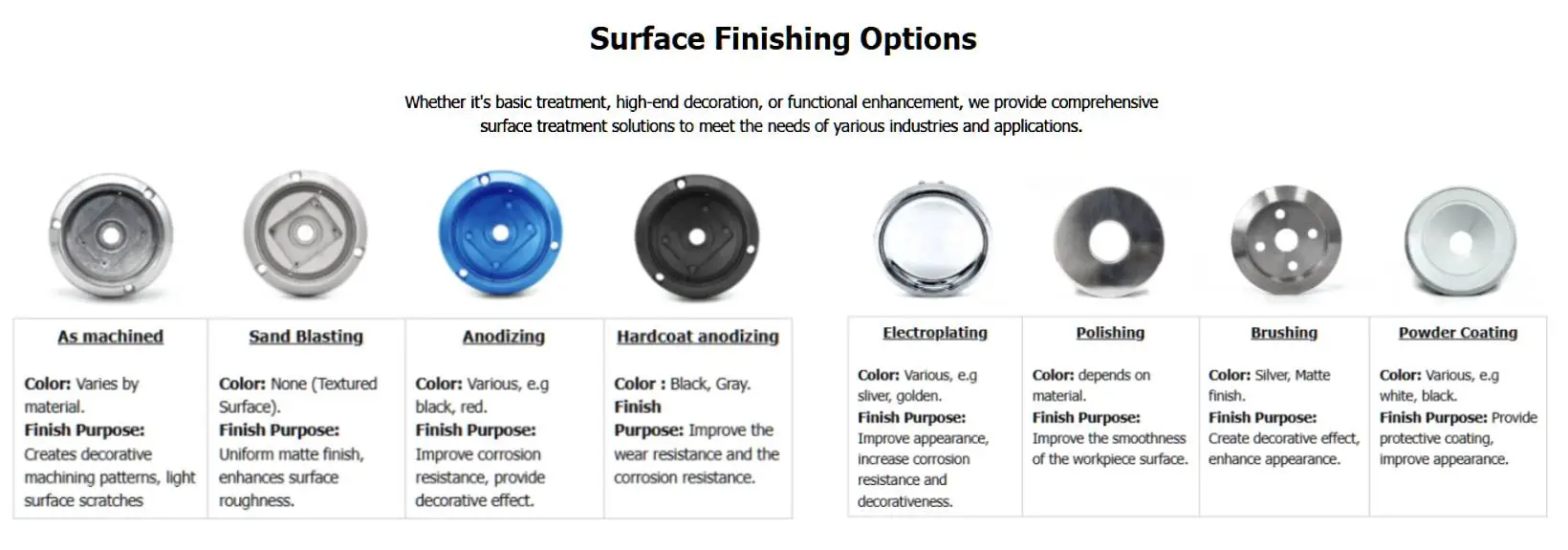
It is getting more and more important to find dependable suppliers for Coffee Machine Spare Parts as the market for coffee equipment grows around the world. The best manufacturers in China can now make precisely engineered parts with errors as small as ±0.01mm. Modern materials like food-grade stainless steel, aluminum alloys, and certain types of plastic are used to make these parts. Along with cutting-edge CNC machining, these suppliers offer a wide range of surface treatments, such as electroplating, anodizing, and coatings that are safe for food. In other words, they can make parts that meet quality standards around the world at prices that are competitive.
China is very good at making machinery parts for coffee shops.
More advanced features for precise machining
Companies in China that make coffee machine parts have spent a lot of money on new tech. In modern factories, machines like five-axis CNC machining centers, EDM gear, and precision grinding machines are used to get surface roughness levels of Ra0.8¼m or better. This new technology lets you make precise portafilters, complicated brew group parts, and tricky valve assemblies that meet high standards of performance.
Your knowledge and the materials you choose
China makes a lot of different products with materials that are specially chosen to be used in coffee products, including Coffee Machine Spare Parts. Parts made of grades 304 and 316L stainless steel won't rust when they come in contact with water. Food-grade plastics make sure that the things that people use are safe. It's easy to machine brass alloys like C36000 into forms that fit together well for Coffee Machine Spare Parts. Because they know about the materials, every replacement part for a coffee machine, especially Coffee Machine Spare Parts, works perfectly for as long as it should.
ways to make things that don't cost a lot
A lot of good things happen for the manufacturing ecosystem in places like Dongguan. Economies of scale, well-established supply chains, and the ability to hire skilled workers are all good for businesses. Also, China is a good place for companies that make coffee machines to find parts they can trust because the prices are low without lowering the quality standards.
Things you should look for in a dependable company that sells coffee parts
Review of Technical Skills
Find out from possible suppliers if they can do machining before you hire them. Find factories that make coffee maker accessories and have modern CNC lathes, milling centers, and other specialized tools. Suppliers need to show that they can handle different types of materials, shapes that are hard to cut, and tight tolerances. Test their technical writing skills and see if they can work with files in STEP, DWG, IGES, and other formats.
Making sure the system works well
Pay close attention to how the supplier handles quality. Manufacturers you can trust check their work carefully as it's being made, use high-tech measuring tools, and keep accurate records of how well they do their job. For important parts like coffee machine pumps and heating elements, they should give you reports on the materials used, their sizes, and the results of performance tests.
Being able to change things and make them work
Find out if the supplier can handle a range of order sizes and delivery times. Good suppliers of parts for coffee grinders keep enough stock on hand and are flexible enough to meet urgent needs. They should show that they can handle more than one line of products at once and boost production as needed.
How to Talk and Answer Questions
When people work together, they need to be able to talk to each other well. Providers should offer dedicated project management help, regular updates on how production is going, and quick answers to technical questions. Shop at places that understand other cultures and know how to talk to people in a good way.
Help with growth and new ideas
Some of the best suppliers offer services that add value, like advice on how to make designs better, how to choose materials, and how to improve processes. They should show that they are ready to work together to create new goods and give each other technical help to make parts work better.
Important rules and standards for getting certified
Systems for quality management based on ISO
If a supplier of Coffee Machine Spare Parts is ISO 9001:2015 certified, it means they promise to always give you good products. You can be sure that this standard will always make things better, manage quality in a planned way, and keep customers happy. They should also think about ISO 22000 when it comes to coffee equipment and Coffee Machine Spare Parts. This is a way to make sure that parts that touch food are safe.
You need to follow the rules for safety and the environment.
RoHS states that coffee machine electronics must be safe. Things that work with electricity can't use as many dangerous materials as they used to. The goal of this directive is to protect the environment and make sure that target markets follow the rules. Suppliers should show all the necessary RoHS paperwork and certificates to prove that the materials are safe.
How to Make Sure Food Contact Is Safe
Parts that touch water or coffee must follow rules about food safety. You need to find suppliers who know the rules set by the FDA, the EU, and any other groups that matter. The only things they should use to clean and treat surfaces are those that are safe for food.
What the area needs for certification
In some places, you need to have certain licenses. In order to sell your goods in Europe, you need a CE mark. Other places may need other approvals. These rules will be known by suppliers you can trust, and they can help you get your product approved in the markets you want to reach.
Some good advice on how to find and choose a platform
A Look at the B2B Site
On big B2B sites, there are many suppliers, but you should be careful when you use them. You need to look at more than the basic lists. It's also a good idea to look at the supplier's credentials, customer reviews, and past deals. It is safer to do business with other countries through websites that offer trade assurance programs and background checks.
Visiting trade shows
It's better for buyers to get to know suppliers by going to trade shows. Coffee equipment shows, manufacturing shows, and precision machining events are all places where you can meet possible suppliers in person. You can tell if someone is a good fit for the company and their technical skills by having these talks.
Using business networks
Professional groups, trade associations, and referral networks can help you find good suppliers a lot of the time. You can often find out things about a supplier's skills, dependability, and performance from these sources that you can't get from any other method.
Directly going to the factory
A supplier's skills can be learned a great deal from on-site checks. You can get a sense of how well a business runs by visiting a factory. You can also look at the quality systems, process controls, and equipment that are used. Some of the most important people at the company will be there, and you can learn more about how it works, too.
Getting OEMs and ODMs to work on big projects together
How to take care of intellectual property
Make it clear who owns the design, how it will be kept secret, and who owns the technology for Coffee Machine Spare Parts. Trustworthy suppliers know how important it is to keep their customers' designs for Coffee Machine Spare Parts safe and do what they need to do to do that. Parts of partnership agreements that protect intellectual property (IP) and promise not to talk about them should be standard when dealing with Coffee Machine Spare Parts.
A plan for how to work on the design together
There needs to be a set way for people to work together on design so that OEM partnerships can work well. They should show that they can listen to what the customer wants and come up with better ways to make the product. They should keep up with systems that let them control changes to designs and keep everyone in the loop while the project is being built.
How to Go About Making a Copy
Set clear rules for how prototypes should be made, tested, and approved. Providers should be able to make rapid prototypes and help make designs better over time. Before they are put into full production, these steps make sure that the last parts meet performance standards.
In charge of moving the production
You should carefully plan and carry out the change from development to production to make sure everything goes well. When suppliers want to make more, they need to show that they can keep quality high. They should also set up the right process controls and write down everything that happened during the whole production process.
Improving the MOQ and negotiating prices in a smart way
Assessment of the Needs for Volume
If you know the minimum order quantities, you can do the best job of managing your costs and stock. Most of the time, when you buy more, you get a better deal from the supplier. On the other hand, they might be able to handle smaller orders for new products or parts. Check out how your customers normally buy things to figure out the best order size for you based on cost and stock investment.
Tips on how to pay and when to pay
Talk about ways to pay that are fair and will meet everyone's needs. Payment plans based on production milestones keep suppliers safe and their cash flow steady. If you want to do business with other countries but keep your money safe, letters of credit or trade financing could help.
Pros of being in a relationship for a long time
Set up ways to keep prices steady and deliveries going for a long time. People who buy from the same company over and over again often get better deals and get to choose the capacity first. It's good for everyone that these deals keep prices stable and demand steady.
Chances to value engineer
You should look for ways to save money with your suppliers that won't mean sacrificing quality. To do this, you might need to use different materials, improve the process, or change the design to make it easier to make. Value engineering that works well can change the total cost of a part by a lot.
Comprehensive Factory Audit and Quality Assurance Protocols
Facility Assessment Criteria
Evaluate manufacturing facilities based on equipment condition, maintenance standards, and operational organization. Modern CNC equipment, proper maintenance schedules, and clean work environments indicate professional operations. Assess the supplier's investment in technology upgrades and continuous improvement initiatives.
Process Control Evaluation
Review quality control procedures, inspection protocols, and measurement capabilities. Suppliers should maintain statistical process control systems, conduct regular equipment calibration, and implement corrective action procedures. Look for evidence of continuous monitoring and process improvement activities.
Supply Chain Management
Assess the supplier's material sourcing practices, inventory management systems, and supplier qualification procedures. Reliable manufacturers maintain approved vendor lists, conduct incoming material inspections, and implement traceability systems for critical components.
Documentation and Record Keeping
Review quality documentation systems, including inspection records, material certificates, and process documentation. Suppliers should maintain comprehensive records that support traceability requirements and demonstrate consistent quality performance over time.
Leading Supplier Characteristics for 2025 Market Demands
Digital Integration Capabilities
Modern suppliers embrace digital technologies, including automated production planning, real-time quality monitoring, and integrated communication systems. These capabilities enable better project visibility, faster response times, and improved quality consistency. Look for suppliers investing in Industry 4.0 technologies and digital transformation initiatives.
Sustainability and Environmental Responsibility
Environmental consciousness becomes increasingly important for global supply chains. Leading suppliers implement sustainable manufacturing practices, waste reduction programs, and energy-efficient operations. They often pursue environmental certifications and demonstrate commitment to responsible manufacturing practices.
Supply Chain Resilience
Recent global events highlight the importance of supply chain stability. Reliable suppliers maintain diversified material sources, adequate inventory buffers, and contingency planning for disruption scenarios. They demonstrate the ability to maintain delivery performance despite external challenges.
Technical Innovation and Development
Forward-thinking suppliers invest in research and development capabilities, emerging technologies, and advanced manufacturing processes. They stay current with industry trends and offer innovative solutions that enhance product performance and reduce the total cost of ownership.
Conclusion
Selecting the right Coffee Machine Spare Parts supplier requires careful evaluation of technical capabilities, quality systems, and partnership potential. China's manufacturing sector offers compelling advantages through advanced technology, a skilled workforce, and competitive cost structures for Coffee Machine Spare Parts. Success depends on thorough supplier assessment, clear communication of requirements, and development of strategic partnerships that support long-term business objectives related to Coffee Machine Spare Parts. Companies that invest time in proper supplier selection and relationship development will benefit from reliable component supply, consistent quality, and competitive market positioning.
FAQ
Q: What are the typical lead times for custom coffee machine components from Chinese suppliers?
A: Standard lead times range from 2-4 weeks for simple components to 6-8 weeks for complex assemblies requiring specialized tooling. Prototype development typically requires 1-2 weeks, while production tooling may add 2-4 weeks to initial orders. Suppliers with adequate capacity and established processes can often accommodate urgent requirements with expedited scheduling.
Q: How can I ensure consistent quality when working with overseas component suppliers?
A: Implement comprehensive quality agreements that specify inspection requirements, acceptance criteria, and documentation standards. Establish incoming inspection procedures for critical dimensions and performance characteristics. Consider third-party inspection services for additional verification. Maintain regular communication and periodic factory audits to monitor quality system effectiveness.
Q: What material options are available for coffee machine components requiring food contact approval?
A: Food-grade stainless steel grades 304 and 316L are common choices for water-contact components. FDA-approved plastics, including polypropylene, PEEK, and specialized compounds, offer lightweight alternatives. Brass components require food-safe plating or coating treatments. Suppliers should provide material certifications confirming compliance with relevant food contact regulations.
Work with Junsion to get the best parts for your coffee machine
Dongguan Junsion Precision Hardware Co., Ltd. is ready to become your go-to company for Coffee Machine Spare Parts. They can give your coffee equipment the accuracy and dependability it needs. Our building is 1,600 square meters and has 32 high-tech CNC machines that can reach surface finishes of Ra0.8μm and tolerances as close as ±0.01mm. Our main job is to make brew group parts, precision portafilters, heating elements, and whole component assemblies out of food-grade materials like stainless steel, aluminum alloys, and certified plastics. Our RoHS compliance and ISO 9001:2015 certification make sure that every part meets the highest quality standards around the world. We offer customized solutions that improve the performance of your coffee equipment because we can respond quickly and are experts in OEM/ODM manufacturing. Are you ready to make your supply chain work better with a dependable Coffee Machine Spare Parts maker? Please email us at Lock@junsion.com.cn to talk about your specific component needs and find out how our precision manufacturing skills can help the success of your coffee equipment.
References
1. International Coffee Organization. "Global Coffee Market Report 2024: Equipment and Component Trends." ICO Publications, 2024.
2. Johnson, Michael R. "Precision Manufacturing in Coffee Equipment: Quality Standards and Best Practices." Journal of Food Equipment Technology, Vol. 45, No. 3, 2024.
3. Chen, Wei-Ming. "Advanced CNC Machining Applications in Coffee Industry Components." Precision Manufacturing Quarterly, 2024.
4. European Food Safety Authority. "Guidelines for Food Contact Materials in Coffee Equipment Manufacturing." EFSA Technical Report, 2024.
5. Anderson, Sarah K. "Supply Chain Management in Global Coffee Equipment Manufacturing." International Business Review, Vol. 28, No. 2, 2024.
6. Manufacturing Technology Institute. "Industry 4.0 Implementation in Precision Component Manufacturing: A Case Study Analysis." MTI Research Publications, 2024.