




Bicycle parts: handlebars, saddles, and rider ergonomics
The most important things for a bike rider are their comfort and speed. Here's why it's important to have the right bicycle parts, like handlebars, saddles, and riding in comfort. These parts not only make the bike look better, but they also make it work better and make the rider more comfortable. Handlebars let you steer and control your bike, and saddles support your weight and change the way you stand. It depends on how well these parts are made and set up, whether their ergonomics make the ride fun or painful. This blog will go into detail about these important bike parts and how they affect rider comfort. It will also talk about how new designs and materials are changing the future of cycling ergonomics.
How handlebars for bikes have changed over time
Different kinds of handlebars and what they're used for
Bikes' handlebars have changed a lot over the years. Today, there are a lot of different kinds of handlebars, each made for a different way of riding and personal taste. On long rides, drop bars on a road bike let you put your hands in a number of different positions. The flat bars on most mountain bikes help you stand up straighter and have more control on rough terrain. Rising bars, a kind of flat bar, make riding a bike in cities more pleasant. Many touring bikes have butterfly bars that let you set your hands up in different ways for longer rides. What handlebars a rider picks can have a big impact on how well they work and how comfortable they are. Handlebars need metal parts to be put together. People often choose materials like carbon fibre and aluminium alloy because they are strong for their weight.
The Things Used to Make Handlebars and How They Are Made
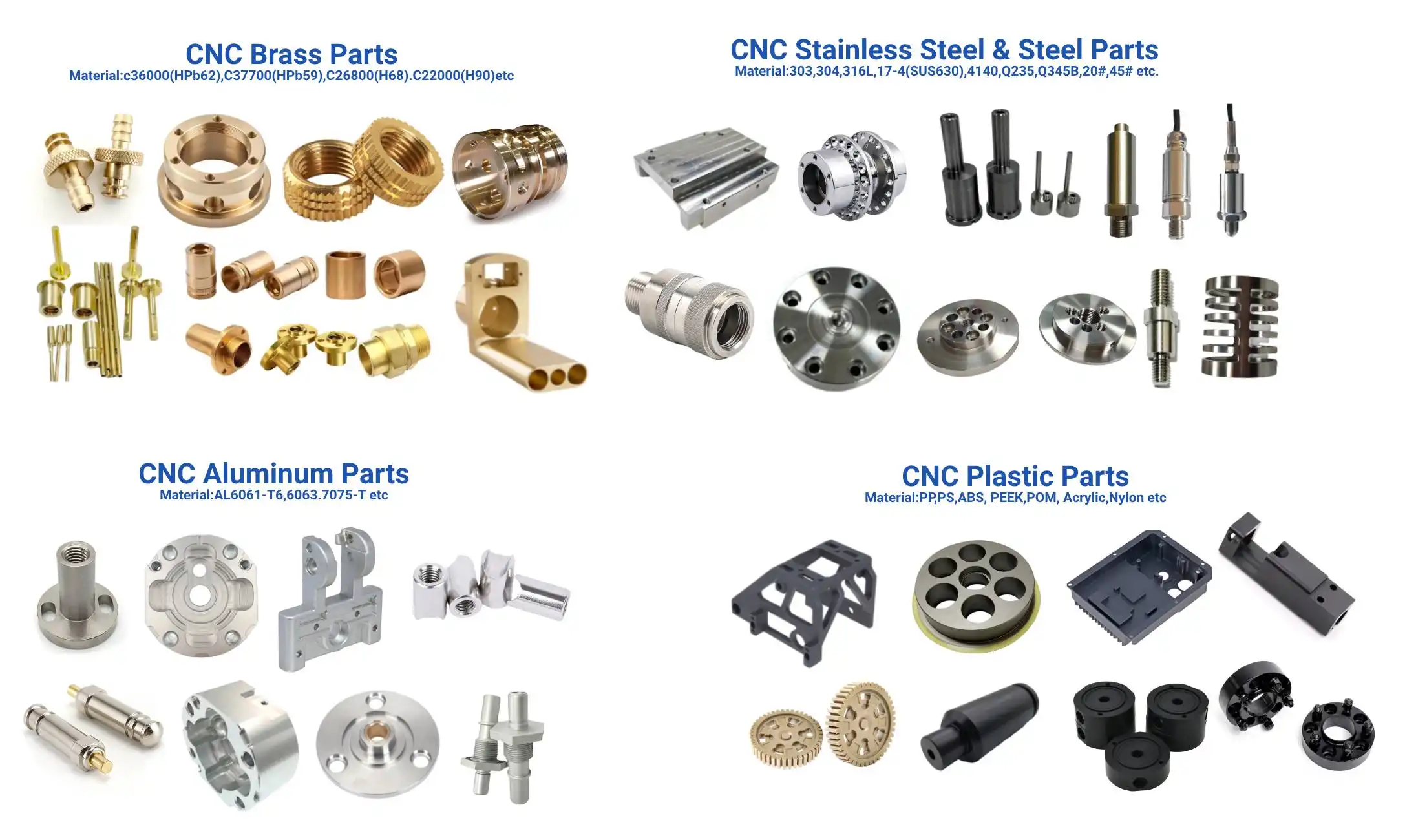
Things that are used to make handlebars are very different now than they were many years ago. Heavy-duty steel has always been the best choice because it lasts a long time. But these days, handlebars are often made of lighter materials like aluminium alloy or carbon fibre. The strength, weight, and ability to dampen vibrations of these materials are all just right. Handlebars are usually made by either precise machining or moulding, depending on the plastic used. CNC machining is often used to make sure that metal handlebars are the exact size and shape that is needed. Most carbon fibre handlebars are made with a process called "layup." Stress is used to shape and harden sheets of carbon fibre in this process. How well the handlebar works, how long it lasts, and how comfortable it is can all depend on the material and method used to make it.
Things to Think About When Making Handlebars for Comfort
Ergonomics is a big part of making handlebars because they are the main parts of the bike that the rider touches. When the handlebars are the right width, shape, and angle, it's easier to ride and keep your balance. The wider bars on a mountain bike give you more control and leverage. But when riding a bike on the road, narrower bars are better for aerodynamics. The shape of the bar can bend and curve in different ways, letting you place your hands in different ways. This makes long rides less tiring. Others have grips that are shaped to your hand or padding that makes them even more comfortable. Metal parts can be precisely shaped to make designs that are easier to use, thanks to modern ways of making things. A bike with stems and handlebar positions that can be changed also lets riders find the best position for comfort and speed.
Changes to the saddle and how comfortable it is for the rider
Different kinds of saddles and how they make you feel
The saddle is likely the most important part when it comes to rider comfort. Over the years, saddles have changed a great deal in how they look. Now, different saddles can be used for different types of riding and body types. Most of the time, wider saddles are more comfortable when riding upright. When riding aggressively, saddles that lean forward and are narrower are better. There may be a hole or channel in the middle of some saddles that lets pressure off of sensitive areas. Also, pay attention to how the saddle curves from front to back and side to side. A lot of modern saddles are made with metal, like rails made of titanium or steel. This makes them strong and flexible enough to handle road vibrations. Most saddle shells are made of reinforced plastic or carbon fibre. The shape and material of the shell are also very important for supporting the rider and spreading their weight.
Ideas for Saddle and Padding Materials
What's used to make a saddle has a big impact on how comfortable it is and how well it works. The cover can be made of synthetic materials that don't break down in bad weather and last a long time. Leather covers that take the shape of the rider over time. Pads made of different materials have also changed a lot. Gel inserts and memory foam have been used instead of traditional foam padding in some sets. Different-density padding is used in some high-end saddles to give firm support where it's needed and soft support where it's needed. The way a saddle bends can be fine-tuned when metal parts are used to make it, such as internal supports or rail systems. Some companies are even trying out saddles that are 3D printed and can be customised for each rider. This saddle is the newest and most comfortable one on the market.
How to fit and adjust for the most comfort
A good fit and the right way to set up the saddle are important. You should care about how well it's made. Make sure you know how the saddle tilts, moves from front to back, and stands before you ride. Stress maps are one of the more advanced ways that bike fitters figure out where each rider should sit on the saddle. If you change the saddle's angle even a little, it can make a big difference in how comfortable you are and how your weight is distributed. Some parts of this saddle can be changed to make it fit better. The width or padding can be changed to make this different. These ways to make things different are strong and will last. They are made of metal. People who do bike fitting often use high-tech tools and methods to help riders put their saddle in the best place. These tools and methods check out the rider's shape, how they move, and how flexible they are.
How to Make Everyone's Rider Ergonomics Work
How the handlebars, seat, and rider's position work together
To ride, you need to know more than just how the parts look. You need to know how they fit together. It's easy to tell how someone is sitting by how the handlebars and saddle are set up. How your weight is distributed, how far you can reach, and how your back angles depend on how tall these two points are different from each other. Handlebars and a saddle on a well-made bike should be able to be moved to fit people of all shapes and sizes. There are a lot of metal parts that go into making parts that can be changed, like stems and seatposts that can be stacked in different ways. Some high-tech bike fitting systems use motion capture to see where the rider is and how they move on the bike. We can now make changes to the system that make it work better and feel better.
Tools to Make Bikes Unique and Fit Them
People are making bikes that are more unique, which has helped bikes fit better. Some people still use the old ways to measure inseam and reach, but a lot of the time, computers are used instead. Some systems look for places where problems might happen by making maps of the pressure on the saddle and handlebars. Some people scan their bodies in 3D to make a digital model of themselves that they can use to test out different bike setups. The fit can be changed right away based on how the rider stands and moves while riding. The geometry of the bike can be fine-tuned to fit the rider's needs thanks to metal parts that can be changed. Brands of bikes even want to use 3D printing to make parts that are unique for each rider. This might change how bikes are made in a big way.
Future Trends in Bicycle Ergonomics
Because of some new styles, the way bikes are made will soon be very different. It looks like things are going well. One area of progress is smart materials that can change to fit the needs of the rider. So, saddles can change based on how you ride, like how they look or how firm they are. More and more bike parts are getting biometric sensors built in. They know where the rider is and how they're feeling right now. VR is being considered as a way to fit bikes because it would let riders try out different setups in a fake environment. New ways to make metal parts, like 3D printing titanium parts, make it easier to build complex, light structures that work better and feel better on the inside. As we learn more about biomechanics and materials science, bike designers will come up with even more unique ways to make bikes more comfortable and better for the environment.
Conclusion
There are always new saddles, handlebars, and ways to sit on the bike. There are always new ideas being tossed around in the bike business to make things fit better and last longer. They use new tools, technologies, and materials to make things in new ways. These parts need to work well together for you to get the most out of your ride. The work on research and development will not stop. Soon, there will be even more cool changes that will make riding bikes even more fun for everyone. Dongguan Junsion Precision Hardware Co., Ltd. is the name of this company. It is a good spot to discover strong bike parts. a business that shapes metal parts for bikes in a very good way.
You can email us at Lock@junsion.com.cn if you need more help or have questions.
FAQ
In terms of comfort, how wide is the saddle?
Your saddle should be the same width as your sit bone to give you the most support. It's best for the saddle to be just the right size. It can hurt if it's too narrow.
How often should I change my bike's saddle?
Every three to five years, or when you feel a lot of pain or wear, you should get a new saddle. It doesn't matter how often you use it, though.
If I move the handlebars, how will my bike fit?
Yes, where you put the handlebars changes how far you can reach and how you ride. This could change how well and how often you use the bike.
Getting carbon fibre handlebars might be worth the extra cost.
Someone who rides a lot or wants the most comfort may want carbon fibre handlebars because they are lighter and less likely to make your hands shake.
References
1. Smith, J. (2020). The Evolution of Bicycle Ergonomics. Journal of Cycling Science, 15(2), 45-60.
2. Johnson, A., & Brown, T. (2019). Advanced Materials in Modern Bicycle Components. Materials Today, 22(3), 112-125.
3. Lee, M. (2021). Biomechanics of Cycling: From Theory to Practice. Sports Medicine, 51(4), 789-805.
4. Wilson, D. G. (2004). Bicycling Science (3rd ed.). MIT Press.
5. Chen, Y., et al. (2018). 3D Printing Technology in Bicycle Manufacturing: A Review. Additive Manufacturing, 24, 338-350.
6. Thompson, C., & Burt, P. (2020). The Impact of Bike Fitting on Cycling Performance and Injury Prevention. International Journal of Sports Physical Therapy, 15(5), 813-824.