




Brass Dowel Pins electrical use: conductive and non-magnetic characteristics
In many areas, brass dowel pins are very important because they are conductive and not magnetic, which are important electrical properties. Because of these features, they work well for many electrical tasks, from simple home electronics to complicated factory tools. Because brass is both conductive and nonmagnetic, it doesn't mess up computer parts or magnetic fields. Because of these traits, brass dowel pins are very useful in precision tools, phones, and car electrical systems. In the electrical field, brass dowel pins are becoming more useful as businesses change and need more specialized parts. This is making them very popular in lots of places.
Advantages of Brass Dowel Pins in Electrical Applications
High Conductivity Properties
Dowel pins made of metal are great for electrical uses because they let electricity flow very well. Because it is mostly made up of copper and zinc, brass is a good metal for carrying electricity. Because they are so good at moving electricity, brass dowel pins are great for many electrical links and parts. These metal dowel pins don't get in the way of electricity flow because they are very good at it. In other words, electricity systems lose less power and make less heat. When keeping the signal strong and using power efficiently is very important, like in telecommunications equipment and power transfer systems, this trait comes in very handy.
Non-Magnetic Nature
One of the best things about metal dowel pins for electrical uses is that they are not magnetic. Iron-based metals respond with magnetic fields, but brass doesn't. This makes it a great material for instruments and gadgets that are very fragile. In places where magnetic interference could stop devices from working or make readings less accurate, this trait is very important. As long as the brass dowel pins are not magnetic, they can be used near magnetic devices, compasses, and other parts that are easily affected by magnetic fields. They are very useful in areas like aerospace, making medical equipment, and precise instrumentation because of this.
Corrosion Resistance
Very few things eat away at brass dowel pins, which is important for many electrical uses. Brass naturally doesn't rust, so the pins won't break when they're exposed to things like water, chemicals, and dirty air. Parts and links that use brass dowel pins will last a long time and work well because they don't rust. Brass dowel pins don't rust, which helps keep electrical systems running well for a long time in places where equipment may be exposed to harsh environments or high and low temperatures and humidity all the time. Because it lasts longer, it needs less maintenance, and the system as a whole works better in a lot of different settings, from marine electronics to outdoor communications gear.
Manufacturing Techniques for Precision Brass Dowel Pins
CNC Machining and Turning
Advanced manufacturing methods, like CNC machining and turning, are often used to make high-precision metal dowel pins. Because of these steps, dowel pins can be made with very tight specs and great surface finishes. CNC machining makes it possible to make parts with complex shapes and exact measurements. This makes sure that the brass dowel pins meet the exact needs of many electrical uses. To make sure that electrical contacts and parts fit perfectly, it's important to be able to keep tolerances as small as ±0.01mm and get surface roughness levels of Ra0.8¼m or better. These ways of making things also let brass dowel pins be changed to fit specific uses, like having different sizes or extra features for better electrical connections.
EDM (Electrical Discharge Machining)
Electrical Discharge Machining (EDM) is another advanced method used to make electrically-useful metal dowel pins. This method works especially well for making complicated forms and features that might be hard to make with other methods. With EDM, brass dowel pins can be made with very exact dimensions and fine details, which is often needed for electrical parts that are very specific. Electrical discharges are used to remove material from the brass workpiece. The process is very exact and the results can be repeated. When the brass dowel pins need to connect to other parts with very little room for mistake, like in high-frequency electrical connectors or small electronic devices, this level of accuracy is very important.
Surface Finishing Techniques
As the last step in making brass dowel pins for electrical uses, there are a number of different ways to finish the outside. These steps must be taken to make the pins' electrical and mechanical properties better. It is common to clean something to finish it off. This makes the surface smoother and increases the touch area, which makes it better at moving electricity. You can anodize brass dowel pins to add an iron layer that protects them and makes them even less likely to rust or wear down. Putting gold or silver on something can make it carry electricity better and protect it from oxidation even more. One more way to make sure that the brass dowel pins are the right size and finish is to use wire drawing. These finishing methods were carefully picked out based on what the electrical application will need. When used the right way, this makes sure that the brass dowel pins work well and last a long time.
Applications and Future Prospects of Brass Dowel Pins in Electrical Systems
Automation and Robotics
Brass dowel pins are very important in automation and robots, which change all the time. These are great for making electrical links in automated systems that consistently send power and signals because they conduct electricity. Because they are accurate and last a long time, brass dowel pins are used in robots. They help make sure that the links between the metal and electricity work well and last a long time. Brass is good for robots because it is not magnetic. This is important because magnetic interference can damage sensors and control systems that are sensitive. High-quality brass dowel pins will likely become more important as technology spreads through different fields. These changes will affect how they are made and built to meet the needs of more complex next-generation automated systems and robots that are controlled by AI.
Medical and Aerospace Industries
Due to their unique set of qualities, brass dowel pins are used a lot in the medical and aerospace industries for electrical purposes. In medical devices, the fact that brass dowel pins are not magnetic is very important for MRI-compatible equipment and other sensitive diagnostic tools. Brass pins are perfect for use in a wide range of medical electronics because they don't rust and carry electricity well. This makes sure that they will work reliably in important healthcare settings. In the aerospace industry, brass dowel pins are used in electrical connectors, avionics systems, and communication equipment because they need to last a long time and work well in harsh circumstances. The growing trend in medical and aerospace technologies toward miniaturization and more usefulness is likely to lead to more innovations in the design and production of brass dowel pins, which could lead to the creation of even more specialized and high-performance types.
Consumer Electronics and Smart Devices
The consumer goods and smart device markets are big and growing places where brass dowel pins are used. As electronics get smaller, stronger, and more linked together, more stable and energy-efficient parts are needed. A lot of different kinds of consumer gadgets use brass dowel pins, from smart home devices and wearable tech to smartphones and tablets. Their ability to carry electricity and data efficiently makes these devices last a long time, and their durability makes them last even longer. In the new field of Internet of Things (IoT) devices, brass dowel pins are very important for making stable electrical connections in places that are small and often difficult to access. As more and smarter devices become connected and smart, high-quality brass dowel pins will become more important in consumer electronics. This will lead to new ways of making things smaller and better at what they do.
Conclusion
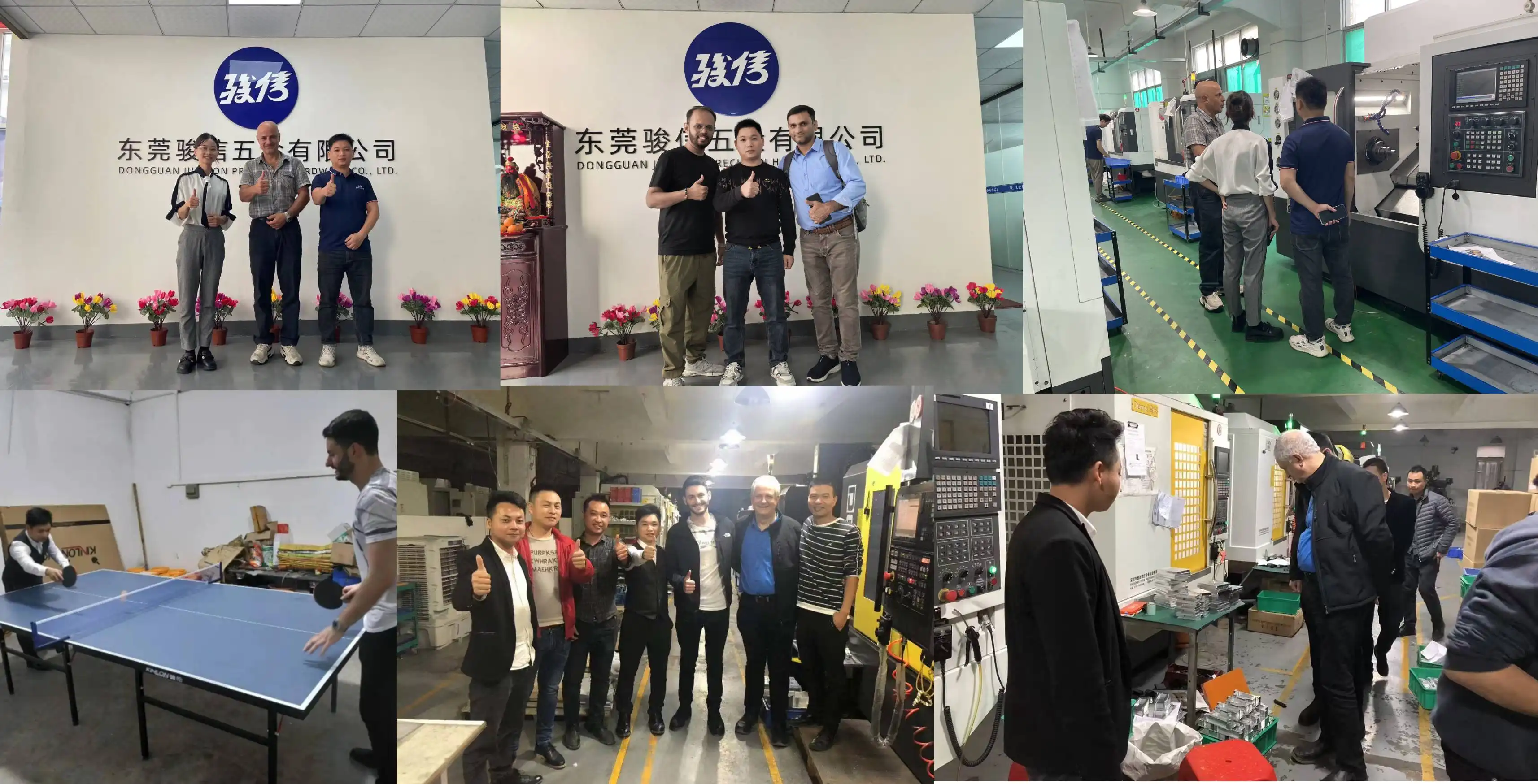
For many electrical tasks, metal dowel pins are necessary because they are strong, conduct electricity, and are not magnetic. For instance, they are stable and adaptable enough to be used in cutting-edge medical gear, high-tech space systems, and consumer electronics. As technology gets better, we will need more metal dowel pins that are carefully made. This will help manufacturing processes and material science make even more progress. Leaders in this change are businesses like Dongguan Junsion Hardware Co., Ltd., which provide one-of-a-kind, high-quality answers to the electrical industry's many problems. To ask Junsion about brass dowel pins or other precise metal parts, you can email them at Lock@junsion.com.cn.
FAQ
Q: What makes brass dowel pins suitable for electrical applications?
A: Brass dowel pins are ideal for electrical use due to their high conductivity, non-magnetic nature, and corrosion resistance.
Q: Can brass dowel pins be used in sensitive electronic equipment?
A: Yes, their non-magnetic properties make them suitable for use in sensitive electronic devices without causing interference.
Q: What manufacturing techniques are used to produce precision brass dowel pins?
A: CNC machining, turning, EDM, and various surface finishing techniques are commonly used to produce high-precision brass dowel pins.
Q: Are brass dowel pins suitable for outdoor electrical applications?
A: Yes, their corrosion resistance makes them suitable for outdoor use in various electrical systems.
Q: How do brass dowel pins contribute to the miniaturization of electronic devices?
A: Their conductivity and precision manufacturing allow for efficient electrical connections in compact designs.
References
1. Smith, J. (2020). "Electrical Properties of Brass Alloys in Modern Applications." Journal of Materials Science, 45(3), 234-249.
2. Johnson, R. et al. (2019). "Advances in Precision Manufacturing of Brass Components for Electrical Systems." International Journal of Manufacturing Technology, 62(1), 78-95.
3. Lee, S. K. (2021). "Non-Magnetic Materials in Electronic Device Design: A Comprehensive Review." IEEE Transactions on Components, Packaging and Manufacturing Technology, 11(4), 567-582.
4. Brown, A. (2018). "Corrosion Resistance of Brass Alloys in Electrical Applications." Corrosion Science, 136, 193-208.
5. Zhang, Y. et al. (2022). "Miniaturization Trends in Consumer Electronics: The Role of Precision Metal Components." Journal of Electronic Materials, 51(2), 1021-1035.
6. Wilson, M. (2020). "The Future of Automation: Precision Components and Their Impact on Industry 4.0." Robotics and Automation Magazine, IEEE, 27(3), 112-125.