




Brass Lathe Screw Design: What Should You Consider?
When manufacturing brass lathe screw components, several critical factors must be considered to ensure optimal performance and reliability. As a precision fastener, the brass lathe screw requires meticulous attention to material selection, dimensional accuracy, thread standards, and surface finish quality. Choosing the appropriate brass alloy—such as C36000 or C26000—directly influences machinability, strength, and corrosion resistance. To ensure reliable operation in demanding environments typical of electronics, telecommunications, and consumer goods manufacturing, careful consideration must be given to thread specifications (metric or imperial), dimensional tolerances, and compatibility with the assembly environment.
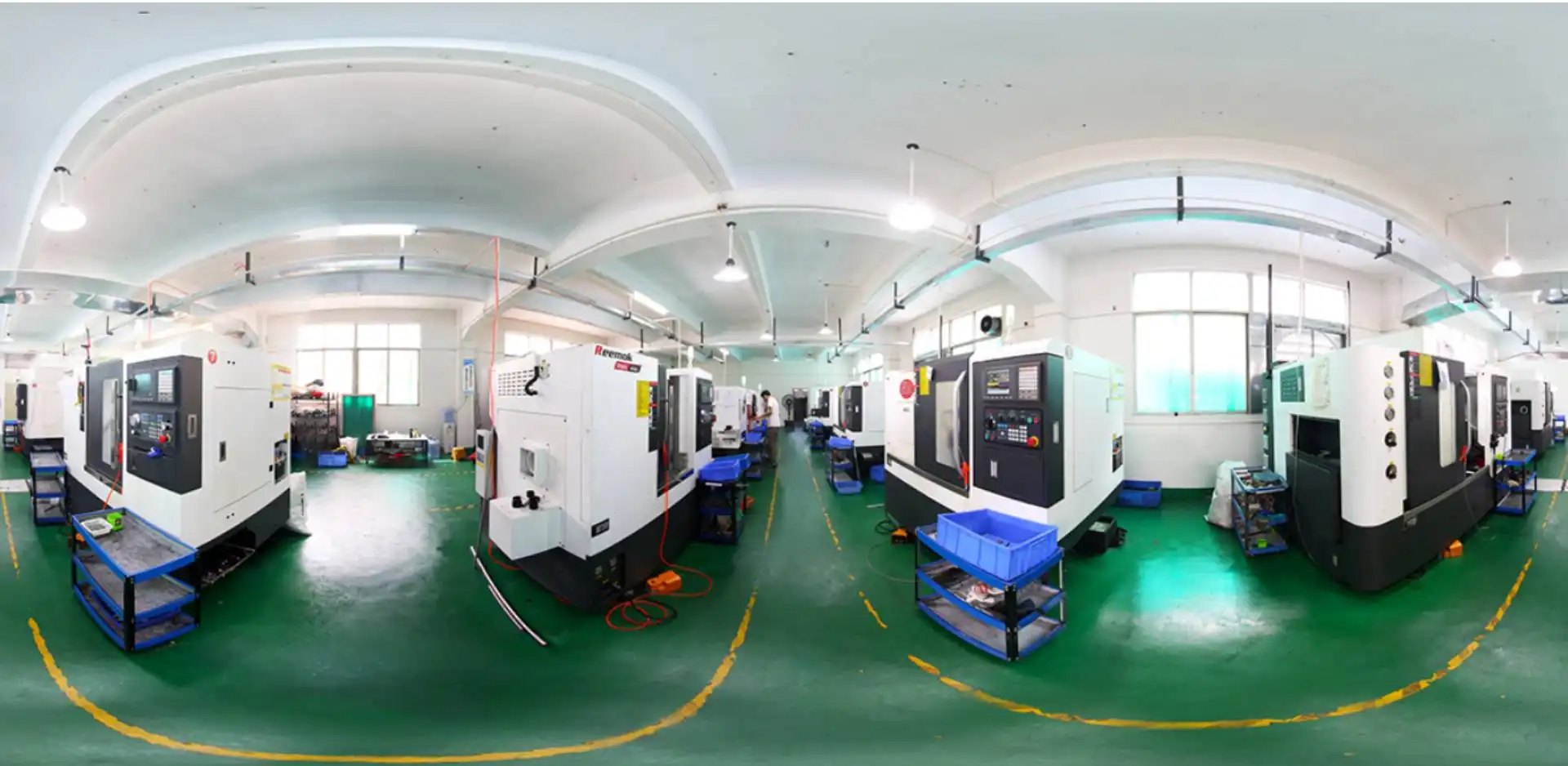
Understanding Brass Lathe Screws: Materials, Types, and Benefits
Core Material Properties and Composition
Specialised bolts called brass lathe screws are made from copper-zinc metals, which make them very easy to machine and naturally resistant to rust. Most of the time, people ask for metals like C36000 (free-cutting brass with about 61.5% copper, 35.5% zinc, and 3% lead) and C26000 (cartridge brass with 70% copper and 30% zinc). These compositions have different benefits. C36000 has better chip formation during turning operations, which allows for faster production speeds and longer tool life. C26000, on the other hand, has better mechanical strength and ductility, making it suitable for uses that need to hold more weight. Because brass is naturally electrically conductive (ranging from 28% to 45% IACS based on the metal makeup), these fasteners are very useful in electrical systems and instruments that need conductive paths.
Common Types and Configuration Options
The brass machine screw group includes a number of different head styles and drive setups that can be used for different types of assemblies. Round head types look nice and let you make small changes to the surface while installing them, which is why they're popular in artistic hardware and uses that will be seen. Flat head designs fit tightly with mounting surfaces, eliminating sticking points and making smooth shapes that are necessary for small systems. Knurled brass screws have rough surfaces or knurled heads that make them easy to fix by hand without tools. These screws are often used in measurement screens and test equipment. Machine threads are used for threaded holes, self-tapping setups are used to make threads in thinner materials, and set screws are used to secure parts by compression rather than entry.
Advantages Over Alternative Fastener Materials
Compared to steel, stainless steel, or aluminium options, brass screws are a much better deal in a number of performance areas. Brass screws naturally form a steady sheen that protects the underlying material from wearing away in damp or slightly acidic environments, while steel screws need protective platings to keep them from rusting. When compared to aluminium bolts, brass has a much higher tensile strength (40,000 to 60,000 psi vs. 20,000 to 35,000 psi for aluminium) and is still easy to shape. Brass's warm look makes it appealing to the eye in consumer-facing settings where looks play a role in buying choices. The non-magnetic qualities are very important for sensitive electrical equipment that could stop working if magnetic fields get in the way. Because of these factors, procurement professionals always choose brass machine screws for uses where both performance and look are important, such as in precision instruments, electrical connections, building hardware, and model-making.
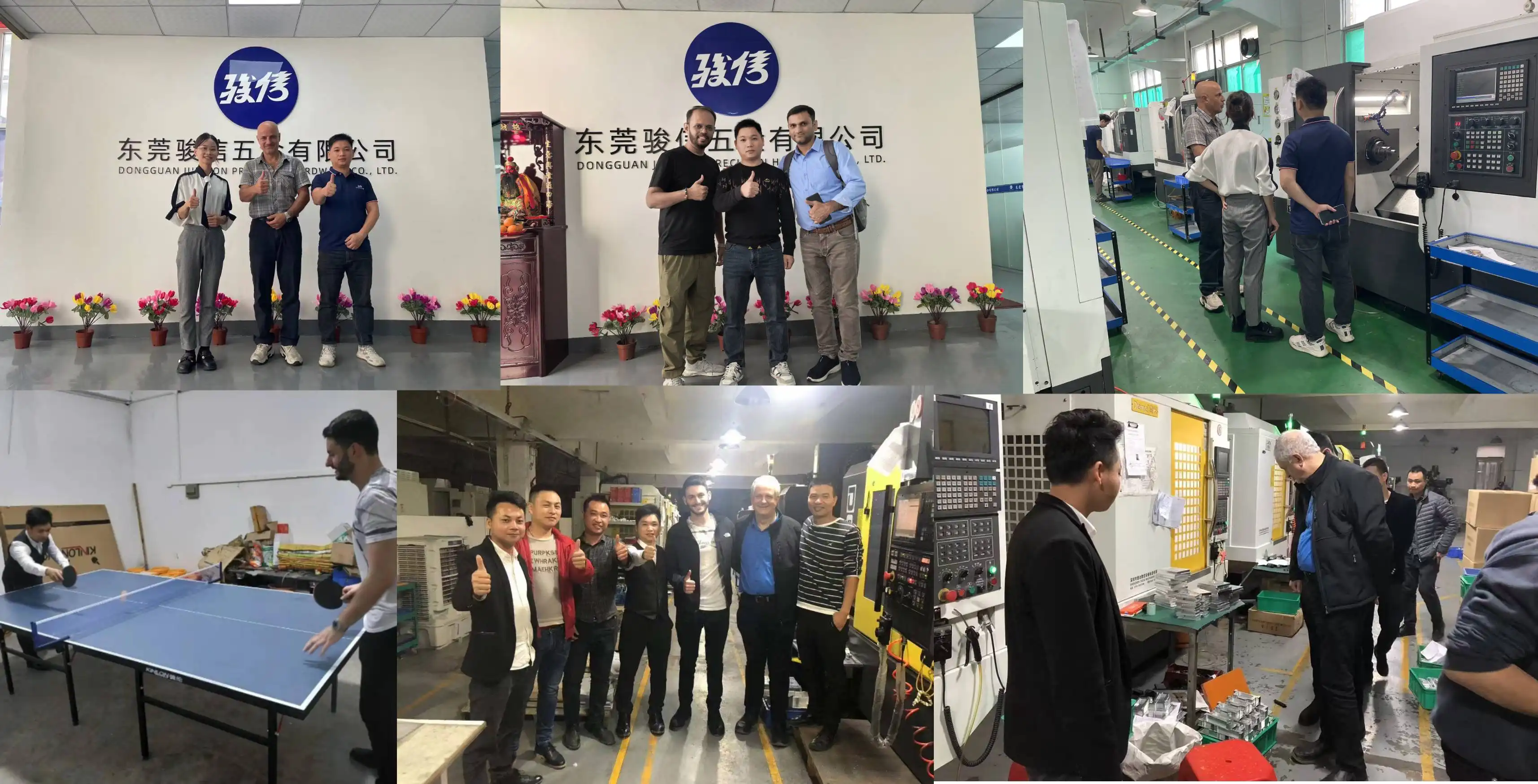
Key Design Considerations for Brass Lathe Screws
Alloy Selection and Material Performance
The selection of the optimal brass alloy is the primary design decision that governs the performance characteristics of brass lathe screw components. Free‑machining brass alloys containing lead perform exceptionally well in high‑volume production environments, where manufacturing cost is directly tied to machining speed. The lead content—typically 2‑3 %—promotes chip fracture, reduces cutting forces, and extends tool life during turning operations. However, lead‑containing alloys face increasing regulatory scrutiny in certain jurisdictions due to RoHS non‑compliance.
Threading Standards and Dimensional Accuracy
Choices about thread specifications have a big effect on how interchangeable parts are, how well they fit together, and how well they hold together over time. In Europe and Asia, most industries use metric threading systems (M1.6, M2, M2.5, M3, etc.), but in North America, most industries still use imperial standards (2-56, 4-40, 6-32, 8-32). Fit traits are based on thread class limits. Class 2A external threads, which are normal for most uses, offer a general-purpose fit and make assembly pretty easy. Class 3A specs, on the other hand, provide the tighter tolerances needed for precision instruments that need very little thread play. We make brass lathe screws at Junsion that have measurement tolerances of ±0.01 mm and surface roughness values of ≤ Ra0.8μm. We do this by using precise CNC turning and secondary grinding processes.
Design Parameters for Precision Equipment
When making brass lathe screws for precise machinery, instruments, or small-scale systems, you need to carefully optimise a number of physical factors. In places with limited room, the head's height and width must provide enough working surface area while minimising projections. Different types of drives, like slotting, Phillips, Pozidriv, Torx, and hex sockets, affect how much power can be used for fitting and how quickly the driver bit wears out. Most of the time, hex socket drives can transmit the most power with the least amount of cam-out risk.
Comparing Brass Lathe Screws with Other Metal Screws: Making the Right Choice
Mechanical Strength and Load-Bearing Capacity
A study of the mechanical performance of brass and other fastener materials shows that each has its own ideal use cases. It is much stronger than most brass bolts to use steel screws, especially ones made from carbon steel types like 1018 or 1045. Their tensile strengths range from 60,000 to 120,000 psi, based on how they were heated. Because they are stronger, steel screws are better for structural uses where high shear or tension loads are present. In terms of strength, stainless steel bolts (304, 316) are about the same as carbon steel, but they are much more resistant to rust and cost a lot more. While aluminium screws are the lightest option, they are also the weakest. Even in heat-treated metals, their tensile strengths are usually less than 45,000 psi. Brass is a good compromise because it's strong enough for most precision assembly tasks (45,000 to 65,000 psi), doesn't rust like stainless steel does (but costs less), doesn't conduct electricity as steel fasteners do, and is easier to machine, so it can be made to tighter tolerances. Because of how well they work, brass machine screws are perfect for use in electrical connections, instrument panels, consumer electronics housings, and ornamental hardware that needs to withstand modest loads and be exposed to the elements or carry electricity.
Corrosion Resistance and Environmental Durability
Environmental longevity plays a big role in choosing fastener materials for situations where they will be exposed to water, chemicals, or installed outside. In damp places, uncoated carbon steel screws rust very quickly, so they need protected finishing like zinc plating, black oxide coating, or paint, which costs more and may pose risks of hydrogen embrittlement. Stainless steel rivets don't rust in most environments, but they can still get pitted by chloride in salt water and crack from stress corrosion in some chemical environments. When aluminium screws come into contact with different metals in a solution, they form protective oxide layers, but they also suffer from galvanic corrosion. Brass naturally doesn't rust because it forms a stable patina layer. It also works well in watery settings and is resistant to many chemical compounds and weak acids. But brass can dezincify in harsh water settings. This is a type of selective rust that removes zinc and leaves copper that is porous.
Cost Efficiency and Customisation Considerations
To find the real economic worth, a material cost study needs to look at both the prices of raw materials and the total costs of making the product. Most of the time, brass rod stock costs 30% to 50% more than the same-sized carbon steel bar, but a lot less than stainless steel types. However, brass is much easier to machine than stainless steel, which cuts cycle times during turning operations and often leads to production speeds that are two to three times faster than with stainless steel. This helps to partly make up for the higher cost of materials by making manufacturing more efficient. Brass machine screws are very useful when you need to make changes to meet specific size, thread, or head requirements. The good cold-forming and chip-breaking properties make it possible to make unique shapes in modest amounts (usually 1,000 to 10,000 pieces) at a low cost, whereas steel or stainless steel would require very expensive equipment. Minimum order numbers depend on the seller and the complexity of the design. For example, basic layouts may need a minimum of 5,000 pieces, while highly customised designs may need 10,000 to 25,000 pieces to cover the cost of setup. Custom brass screw production lead times are usually between 3 and 6 weeks, but this depends on how complicated the design is and how busy the factory is at the moment. This means that involving suppliers early on is important for keeping track of the project timeline.

Maintenance, Common Issues, and Troubleshooting of Brass Lathe Screws
Routine Maintenance and Inspection Protocols
To make sure that brass lathe screw kits last a long time, they need to be maintained in a way that is appropriate for the seriousness of the application and the surroundings. Periodic inspections should be set based on how often the load changes, how much shaking it is exposed to, and the presence of a toxic environment. For example, inspections should be done every three months in tough conditions and once a year in safe indoor settings. If you look closely, you should be able to see surface discolouration, which means chemicals are attacking; greenish layers, which mean moisture is causing rust; or thread damage from overtightening. Using measured tools to check the torque shows that the preload hasn't decreased because of embedment relaxation or vibration tightening. Thread lubricants made for brass, like molybdenum disulfide compounds or light mineral oils, should be used in situations where the part will be adjusted or removed a lot. This will lower the risk of galling and increase the thread's life.
Common Problems and Preventive Strategies
Most of the time, metal screws break because their threads wear down. Often, this is because the screws were tightened too much when they were being put together, or the threads weren't properly engaged in soft materials. It's less possible that brass will break the thread than steel if you use too much force. This is because metal doesn't break as easily. This is very important because you can't always tell if the thread is in correctly. When putting the parts together, use tools that limit torque and make sure the thread contact levels are correct. The right torque levels for steel nuts are generally between 50% and 70% of the torque. Cross-threading breaks threads for good when it first happens. In this case, screws can't be lined up straight because of fine-pitch threads or when putting things together. Make sure the holes line up right, that you start the threads by hand before using a power tool, and that the supports for the assembly keep the threads straight. When iron, zinc, or magnesium parts that are in a solution touch brass screws, they can rust. Galvanic rusting is the name for this.
Repair Strategies and Replacement Decisions
It depends on how bad the damage is, how important the part is, and how much it costs to fix or replace brass machine screws that are broken or worn out. You can fix small scratches or discolourations on the surface with chemical or light mechanical cleaning. This makes the surface look good again without changing its size, which is very important for uses that people will see. When you evaluate thread damage, you need to know if it's just the first few threads (which can usually be fixed by thread chasing) or if it goes deeper into the threaded area and needs to be changed. Reverse engineering services can copy the sizes and specs of sample parts so that new numbers can be made when the original screws are no longer available. If you want to be sure that the new brass lathe screws will fit and work properly, you should measure the thread pitch, look at the head style, and match the length. If the problems were caused by strength gaps, it might be worth switching to metals or other materials with higher strengths. Engineers need to carefully look over these changes, though, to make sure they will work with other parts and the way the car is put together.
Procurement Guidelines: How to Source Quality Brass Lathe Screws
Evaluating Supplier Capabilities and Certifications
Sourcing the correct brass lathe screw begins with a thorough evaluation of the supplier’s manufacturing capabilities, quality management systems, and industry certifications relevant to your application. ISO 9001:2015 certification indicates established quality practices—including design control, process validation, and corrective action procedures—that support consistent product quality across production batches. RoHS compliance documentation is essential when components are destined for European markets or applications requiring restricted substance compliance, as it demonstrates that the supplier maintains material verification and testing protocols. An assessment of production capacity should examine the types of equipment available, the number of CNC turning centres, and the maximum throughput capacity to ensure the supplier can meet your volume requirements.
Negotiating Terms and Managing Bulk Orders
To buy brass screws effectively, you need to know how price, minimum order amounts, and shipping schedules affect the overall cost of purchase and the management of your inventory. Pricing based on volume usually works in tiers, with lower per-piece costs at higher quantities (usually 5,000, 10,000, 25,000, and 50,000 pieces). This makes bulk buying more appealing, even though it costs more to keep supplies on hand. To get accurate quotes, when you ask for quotes, you should include full details like the material grade, measurement plans with limits, thread specs, surface finish needs, and expected annual volume. Negotiating lead times should take into account getting raw materials (which usually takes 1-2 weeks), planning production (which can take 2-4 weeks based on how full the shop is), finishing operations (which take 3-5 days), quality checking (2–3 days) and sending goods internationally (which takes 1-3 weeks for ocean freight). Payment terms depend on the seller and the value of the order, but they usually include a 30% fee and the rest of the payment due when the goods are shipped or when delivery documents are shown.
Leveraging OEM Customisation Services
It's very helpful to work with brass machine screw makers that offer OEM and customisation services. This is because they can make better designs and fit your needs better. Most of the time, special thread forms make installation go faster and make it less likely that threads will come loose. It may not take as many parts or steps to put together different types of heads, such as ones with built-in washers, fixed designs, or different ways of setting up the drive. The metals or materials can be changed if they don't meet legal or natural needs. Adding useful layers, selective plating, or colour coding to the surface of a product makes it more valuable by making it easier to use or work better. Junsion's tech team works with clients from the moment they have an idea for a design until the whole thing is made. In order to do this, they use CNC cutting, turning, grinding, drilling, fitting, finishing, anodising, soldering, and wire drawing, among other things.
Conclusion
If you want the brass machine screw design to work best in tough industrial settings, you need to pay close attention to the material used, how accurate the measurements are, how well it fits, and how well it blends in with its surroundings. When you're looking at different types of fasteners, it can be helpful to know that brass makes some things better than others. It's easy to work with, doesn't rust on its own, conducts electricity well, and looks good. Some of the things that make good buying strategies are the skills of the providers, quality certifications, customisation services, and shared technical support that turn standard parts into the best solutions for each use case. Companies can make screws work better and lower the costs of downtime by replacing them on a regular basis and fixing common problems before they happen.
FAQ
What factors should I prioritise when selecting brass lathe screws?
Material composition, dimensional tolerances, thread specifications, and corrosion resistance requirements represent the primary selection criteria. Brass alloy choice impacts machinability and strength, while tolerance levels determine fit consistency and assembly efficiency.
How do brass screws compare to steel screws in electrical applications?
Brass fasteners provide superior electrical conductivity compared to steel alternatives, making them preferable for grounding connections and current-carrying applications. Steel requires plating for corrosion protection, which can create contact resistance issues.
Can brass lathe screws be customised with metric threads for European markets?
Custom metric threading is readily available through OEM manufacturing services, accommodating standards from M1.6 through M8 with various pitch options. Minimum order quantities typically range from 5,000 to 10,000 pieces, depending on complexity and dimensional requirements for specialised configurations.
Partner With Junsion for Precision Brass Lathe Screw Manufacturing
Junsion delivers precision-engineered brass lathe screws manufactured to exacting standards through advanced CNC turning, grinding, and finishing processes. Our ISO 9001:2015-certified facility produces customised fasteners with dimensional tolerances of ±0.01 mm and surface roughness ≤ Ra0.8μm, utilising brass, stainless steel, aluminium alloy, and engineered plastics across diverse applications in electronics, communications, consumer goods, and logistics industries. As an experienced brass lathe screw supplier, we provide rapid response times, RoHS-compliant materials, and flexible OEM/ODM services supporting prototype development through high-volume production. Contact our technical team at Lock@junsion.com.cn to discuss your specific requirements, request detailed quotations, or explore customisation options that optimise performance and cost-efficiency for your precision hardware applications.
References
1. Oberg, Erik, et al. Machinery's Handbook: Guide to Threads and Threading, 31st Edition. Industrial Press, 2020.
2. Davis, J.R. Copper and Copper Alloys: ASM Speciality Handbook. ASM International, Materials Park, 2001.
3. Bickford, John H. Introduction to the Design and Behaviour of Bolted Joints: Non-Gasketed Joints, 4th Edition. CRC Press, 2007.
4. American Society for Testing and Materials. ASTM B16 Standard Specification for Free-Cutting Brass Rod, Bar, and Shapes for Use in Screw Machines. ASTM International, 2018.
5. Schneider, George. Fastener Design Manual. National Aeronautics and Space Administration Reference Publication, 1990.
6. International Organisation for Standardisation. ISO 4759-1: Tolerances for Fasteners — Part 1: Bolts, Screws, Studs and Nuts. ISO Standards, 2017.