




How to Choose the Right Alloy Bolt and Nut?
To select the correct alloy bolt and nut, you must evaluate material composition, tensile strength ratings, environmental conditions, and industry specification compliance. Procurement managers must identify the appropriate fastener grades to meet specific load‑bearing requirements while balancing cost considerations. The selection process involves analyzing metallurgical properties, understanding certification standards such as ASTM and ISO, and partnering with suppliers that provide quality assurance and customization capabilities. The correct choice directly impacts structural safety, equipment longevity, and operational reliability across a wide range of demanding industrial environments.

Introduction
In the building, automobile, industrial, and heavy industries, where strength and longevity are key to project success, alloy bolts and nuts are essential parts. These special fasteners give structures the mechanical stability they need to stay together even when they are under a lot of stress. Picking the right metal bolt can affect safety, the life of the equipment, and the long-term costs of upkeep.
When looking for these important parts, procurement managers, engineers, and dealers have to make decisions that are getting harder and harder. Differences in materials, performance requirements, and external factors make review difficult and require expert knowledge. This guide was made to make materials, performance standards, and buying methods clearer so that you can make smart choices about what to buy.
Professionals can improve cost structures while keeping dependability and safety standards high if they understand the basics. Choosing the right fasteners can stop mistakes that cost a lot of money, cut down on downtime, and make sure that regulations are followed throughout supply lines. This all-encompassing method covers the whole decision-making process, from studying materials to choosing a seller.
Understanding Alloy Bolts and Nuts: Materials, Properties, and Uses
Different from regular carbon steel and stainless steel fasteners, alloy bolts and nuts have better mechanical qualities that are achieved through special chemical formulas. These precision-engineered parts are made with materials like chrome, molybdenum, and nickel that make them work better.
Material Composition and Grades
Grade 8 bolts are the strongest commercial-grade screws. They are made from medium-carbon alloy steel and have six raised marking lines. The precise cooling and hardening methods give these parts tensile strengths of 150,000 psi. Because it is both very tough and doesn't break down easily, Alloy Steel 4140 is good for high-stress car and machinery uses.
The chemical makeup has a direct effect on how the machine works when it is loaded. The amount of chromium makes it more resistant to rust and easier to harden, and the amount of molybdenum makes it stronger at high temperatures. Adding nickel makes the metal tougher and more resistant to pressure, which is especially useful in low-temperature settings. For uses that require high quality, material certificates make it possible to track and confirm the alloy's makeup.
Mechanical Properties and Performance Characteristics
Tensile strength is the maximum stress that a fastener can withstand before it breaks. Alloy grades usually fall between 120,000 and 180,000 psi. Yield strength tells you the amount of stress at which lasting distortion starts, which sets the safe working load limits. Rockwell scales are used to measure hardness. Wear resistance and thread life under repeated loads are related.
When compared to normal types, alloy bolts can hold more weight, which means they can support heavy equipment and structural needs. The improved qualities of the material mean that fewer fasteners are needed in systems, which saves weight and money. Heat treatment methods improve the structure of the grains even more to get the best strength-to-weight ratios without lowering the flexibility of the material.
Industry Applications and Use Cases
Precision‑machined alloy bolt and nut components are used by aerospace manufacturers to join structural assemblies where weight reduction and high reliability are critical. In automotive assembly, high‑grade nuts are employed in engine blocks, suspension systems, and motor mounts subjected to stress and thermal cycling. Heavy equipment manufacturers utilize alloy nuts on loaders, cranes, and other industrial machinery that experience continuous dynamic loading. Each application demands fastener grades matched to the specific mechanical and environmental requirements of the end‑use environment.
These parts are useful in automation equipment, robot systems, and production line tools used in factories. Precision metal hardware is used in computer racks, telecommunications towers, and testing tools in the electronics and communications industries. When building appliances, safety rules require certain strength ratings, which is why companies that make consumer goods use special screws.
Critical Factors to Consider When Choosing Alloy Bolts and Nuts
To choose the right metal screws, you need to carefully compare the performance needs with the working conditions. It strikes a mix between scientific requirements, the need to follow the rules, and the need to keep costs low.
Tensile Strength and Load Requirements
By figuring out the real working loads, you can set the minimum strength standards for the fasteners you choose. Depending on how important the application is and what the rules say, safety factors are usually between 3:1 and 5:1. To keep things from breaking down too soon under cycle stress patterns, fatigue strength analysis is needed for dynamic loading conditions.
The joint design affects how loads are spread across groups of fasteners, which in turn affects the stress levels in each component. The preload requirements tell you how much holding force you need, and it has to stay within the material's yield limits to keep the joint from coming apart. In threaded links, shear strength and pull-out resistance are directly affected by the length of the thread contact.
Material Grade Standards and Certifications
ASTM standards spell out the chemical makeup, mechanical qualities, and testing procedures for different types of fasteners. ASTM A193 covers alloy steel fastening products for use in high temperatures, and ASTM A320 covers low temperatures. As a result of ISO 898-1, property groups for metric nuts are set, which makes it easier to buy things around the world.
Manufacturers who offer material certificates show that their products meet certain grade requirements and can be traced back through production batches. Verification by a third party during testing adds trustworthiness for important uses where failure would have serious effects. RoHS compliance protects the environment by limiting the use of dangerous materials in production.
Environmental Resistance Factors
The qualities of a material are affected by its operating temperature range. For example, high heat can weaken it, and cold temperatures can make it break easily. To keep stress from building up when temperatures change, the thermal expansion rates of the screws and the combined parts must match. For uses at high temperatures, you might need special metals that stay strong above 800°F.
Corrosive settings need protective coatings or alloys that are naturally resistant. If you don't choose the right materials, salt spray, chemical contact, and wetness can speed up the breakdown process. Galvanic rusting happens when two different metals touch each other in a conductive setting. This means that you need to be careful when pairing materials or insulating them.
Dimensional Precision and Tolerances
Following clear national standards for thread measurements ensures that bolts and nuts from all makers fit together correctly. In precision systems where orientation affects how they work, tolerance standards become very important. Customised measurements make it possible for specialised equipment designs to fit perfectly when standard sizes don't work.
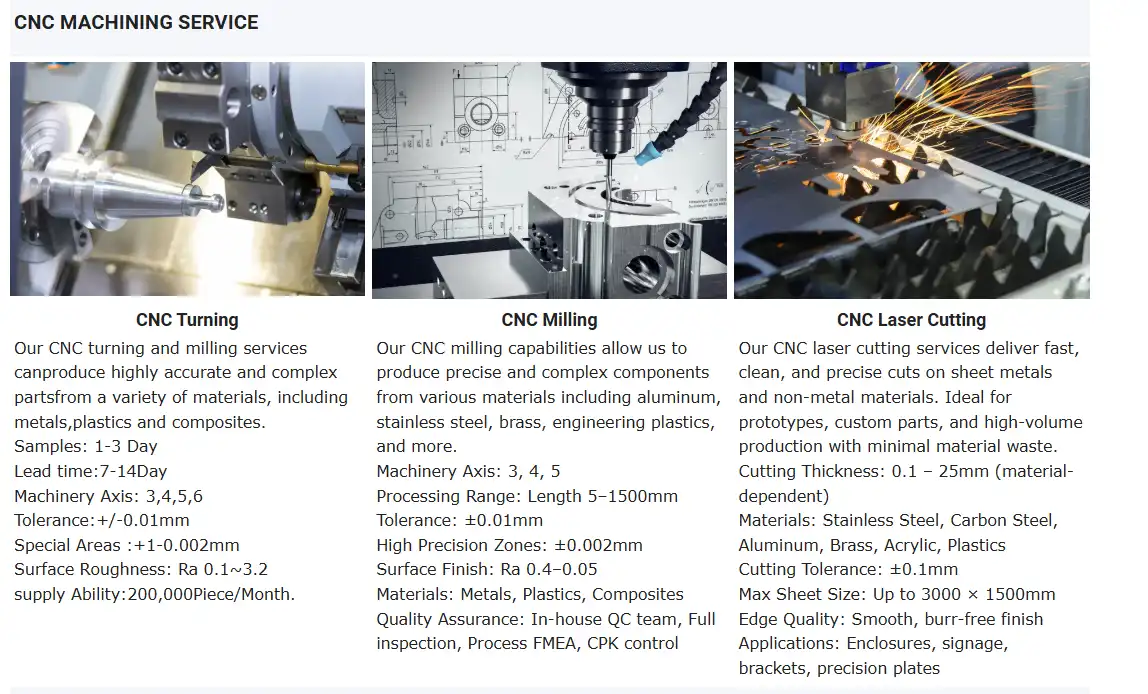
Today’s advanced manufacturers of alloy bolt and nut achieve tolerances of ±0.01 mm using CNC turning, EDM, and five‑axis machining processes. Surface roughness values below 0.8 µm reduce friction and improve sealing in high‑pressure joints. Dimensional consistency across production batches maintains high assembly rates and minimizes rejection rates in downstream operations.

Alloy Bolts and Nuts vs Competing Materials: Making the Right Decision
The choice of material goes beyond mild steel and includes other combinations with different performance ratings. Understanding comparison benefits helps you make the best choices about what to buy, keeping in mind the needs of the job and your budget.
Alloy Steel vs Carbon Steel Fasteners
Bolts made of carbon steel are strong enough for most uses and cost less than bolts made of stainless steel. In high-stress situations where metal grades keep parts from being too big, the difference in strength becomes important. Alloy formulas are better at resisting wear and stress, which means that machines can go longer between repairs.
When you do a cost study, you need to look at more than just the initial buy price. Higher-strength metal bolts make it possible to make structures that are lighter, which lowers the cost of materials in other parts. When you use higher grades, you need to do maintenance less often, which lowers your costs over the life of the equipment.
Stainless Steel Alternatives
The chromium oxide layers on the surface of stainless steel screws allow them to work well in acidic settings. This natural resistance to rust is useful in marine uses, food processing equipment, and chemical plants. However, stainless steel grades usually have lower tensile strengths than alloy bolt and nut made from similar alloy steel grades.
Prices for stainless steel are 30% to 200% higher than prices for alloy steel, based on the grade and the market. Alloy nuts with protection coats can be used as a cost-effective solution in situations that need both high strength and resistance to rust. Surface treatments like zinc etching, anodising, or black oxide coats make alloy steel more resistant to rust while keeping its strength benefits.
Titanium Bolt Considerations
Titanium Grade 7 is the most corrosion-resistant metal that can be found. It is often used with alloy bolts and nuts in oil and gas, the military, and aircraft applications. The great strength-to-weight ratio makes it possible for designs that need to reduce weight by a lot. Biocompatibility makes titanium a good material for medical devices that need to be implanted in the body or used in clean settings.
Titanium is usually only used in a few specific situations where its unique qualities make it worth the extra cost. The cost of materials is ten times or more that of alloy steel, so it can only be used when other options aren't good enough. Problems with machining and specific welding standards make the manufacturing process more difficult and cost more.
Aluminum Alloy Hardware Components
Aluminium metals 6063, 7075, and 6061 are lighter options for uses where resistance to rust and electrical transfer are more important than maximum strength. These materials are good for computer parts, home products, automation equipment, and AI systems that need to cut down on weight. Surface processes like soldering, shining, and anodising make things look better and last longer.
CNC cutting, spinning, and five-axis processes are some of the processing methods that can make complicated shapes with accurate dimensions. When non-magnetic qualities are needed, aluminium parts work well in medical devices, aircraft structures, and vehicles. When choosing a material, functional needs are weighed against weight goals and weather exposure conditions.
How to Procure the Best Alloy Bolts and Nuts for Your Business Needs
To find reliable sources for parts, good buying strategies include evaluating suppliers, planning for customisation, and making plans for transportation. The process includes more than just comparing prices. It also looks at quality systems, professional help, and the possibility of forming a relationship.
Supplier Qualification and Quality Systems
ISO 9001:2015 certification for an alloy bolt and nut manufacturer indicates an established quality management system with documented procedures and continuous improvement frameworks. Manufacturers holding this certification maintain consistent production standards and provide full traceability for individual material lots. RoHS compliance demonstrates environmental responsibility by eliminating restricted substances from manufacturing processes, which is particularly important for components destined for markets with strict hazardous material regulations.
Supplier checks show how production skills, advanced tools, and quality control methods affect the dependability of parts. CNC machines, EDM tools, and coordinate measuring machines are used in advanced facilities to make sure that the dimensions are correct. Bad parts don't get into supply chains because materials are tested and batches are inspected on a regular basis.
Customization and OEM/ODM Capabilities
Standard bolt sizes work for many tasks, but for specialised tools, they often need to be made to order. Manufacturers that offer both OEM and ODM services work together to improve designs, choose materials, and plan production. The ability to make custom dimensions meets specific building needs when off-the-shelf parts don't work.
Precision parts are used in electronics, medical devices, and aircraft systems, and they need to meet the tolerance requirements of ±0.01mm. Polishing, grinding, blackening, and electrophoresis are all surface finish choices that meet both attractive and useful needs. Depending on the purpose, wire drawing methods can be used to make surfaces with different textures that make them easier to grip or less slippery.
Lead Time Management and Logistics
Knowing when things are going to be made helps buying teams make sure that parts are available at the right time for assembly. Standard items usually ship within days, but special designs may need weeks for moulding and production runs. By sharing volume estimates, sellers can keep the right amount of goods on hand, which lowers the cost of emergency orders.
Carrying costs, number savings, and supply security are all things that bulk buying tactics try to balance. Logistics planning includes how to move things, how to clear customs for foreign sources, and how to do reception inspections. When the ability to respond quickly is more important than small differences in cost, closeness to the provider may affect the choice.
Pricing Strategies and Partnership Development
Competitive bidding establishes baseline pricing but may sacrifice relationship benefits and technical support access. Long-term partnerships with key suppliers foster collaboration on cost reduction initiatives and quality improvements. Volume commitments often unlock preferential pricing while ensuring production capacity allocation during demand surges.
Technical expertise from supplier engineering teams adds value beyond component supply, including alloy bolt and nut, through application guidance and problem-solving support. Junsion demonstrates this partnership approach through fast response times, quality assurance systems, and customization capabilities serving electronics, communications, consumer goods, and logistics sectors. Our 32 advanced CNC machines and 1,600 square-meter facility enable precision manufacturing with the flexibility demanded by global procurement managers.
Case Studies and Best Practices in Choosing Alloy Bolts and Nuts
For example, real-life examples show that choosing the right fasteners can improve efficiency and lower costs. Procurement works faster when people learn from both their achievements and their mistakes.
Automotive Assembly Optimization
A big automaker changed the suspension mountings by switching from Grade 5 to Grade 8 metal nuts. This cut the number of fasteners by 30% while keeping safety margins the same. The stronger parts made it possible to make brackets that were lighter, which helped meet goals for reducing car weight. Because of better wear resistance under road shaking conditions, the number of warranty claims dropped by 40%.
Construction Equipment Reliability
Heavy equipment operators experienced premature failures in excavator boom connections using standard carbon steel hardware. Analysis revealed inadequate fatigue strength under cyclic loading combined with corrosion from outdoor exposure. Switching to Grade 8 alloy bolts with zinc-nickel plating extended service intervals from 500 to 2,000 operating hours.
Common Procurement Pitfalls to Avoid
Overlooking environmental factors leads to premature corrosion or material degradation in service. Procurement specifications must account for temperature extremes, chemical exposure, and moisture conditions affecting fastener longevity. Supplier reliability issues disrupt production schedules when delivery delays or quality problems interrupt assembly operations.
Procurement Decision Checklist
Establishing comprehensive evaluation criteria streamlines selection processes and ensures consistent decision quality. Key considerations include identifying load requirements through engineering calculations, specifying environmental operating conditions, and confirming material grade certifications. Evaluating supplier quality systems, customization capabilities, and technical support availability ensures long-term partnership viability.
Conclusion
Selecting appropriate alloy bolt and nut requires balancing technical performance specifications against environmental conditions, compliance requirements, and cost parameters. Material grades ranging from carbon steel through titanium alloys offer distinct advantages for different application scenarios. Procurement success depends on understanding metallurgical properties, evaluating supplier capabilities, and implementing systematic decision frameworks.
The complexity of fastener selection makes partnership with knowledgeable suppliers invaluable for procurement teams. Quality certifications, customization flexibility, and responsive technical support distinguish exceptional manufacturers from commodity providers. Investment in proper component selection delivers returns through improved reliability, reduced maintenance, and enhanced safety across industrial applications.
FAQ
What distinguishes alloy bolts from stainless steel bolts?
Alloy bolts utilize specialized steel formulations incorporating elements like chromium, molybdenum, and nickel to achieve superior tensile strength typically ranging from 120,000 to 180,000 psi. Stainless steel bolts prioritize corrosion resistance through chromium content, creating protective oxide layers. Alloy grades generally provide higher strength for structural applications, while stainless varieties excel in corrosive environments. Cost considerations favor alloy bolts for strength-critical uses, whereas marine and chemical applications often justify stainless steel premiums.
How do I determine the appropriate grade for my application?
Calculate actual working loads, including static forces and dynamic stresses from vibration or thermal cycling. Apply safety factors between 3:1 and 5:1 based on failure consequences and regulatory requirements. Match environmental conditions, including temperature ranges, moisture exposure, and chemical contact, to material resistance properties. Consult ASTM or ISO standards specifying grades for similar applications within your industry. Engage supplier technical support to validate selections against engineering calculations and operational requirements.
Can fasteners be customized to specific dimensions?
Advanced manufacturers offer custom dimensions accommodating specialized equipment designs where standard sizes prove inadequate. CNC machining, five-axis processing, and EDM techniques enable tolerances of ±0.01mm for precision assemblies. Custom thread specifications, head styles, and length variations support unique mounting configurations. OEM and ODM services facilitate collaborative design optimization, balancing functionality with manufacturing efficiency. Lead times for custom components typically extend beyond standard items, requiring planning in procurement schedules.
Partner with Junsion for Premium Alloy Bolt and Nut Solutions
Dongguan Junsion Hardware Co., Ltd. brings specialized expertise in precision hardware manufacturing, serving the electronics, communications, consumer goods, and logistics sectors worldwide. Since 2019, we have established ourselves as a trusted alloy bolt and nut supplier delivering customized solutions with dimensional tolerances of ±0.01mm and surface roughness below Ra0.8μm. Our 32 advanced CNC machines enable processing of 6063, 7075, and 6061 aluminum alloys through CNC, EDM, turning, and five-axis machining techniques.
We offer comprehensive surface finishing options, including anodizing, polishing, plating, blackening, and electrophoresis, to meet your exact specifications. Our ISO 9001:2015 certified quality management system and RoHS compliance ensure consistent reliability across automation equipment, vehicle, medical, aerospace, AI intelligent, home appliance, and robotics applications. With products exported to over 20 countries, we understand the demands of global procurement managers seeking fast response, quality assurance, and OEM/ODM manufacturing capabilities. Contact our specialists at Lock@junsion.com.cn to discuss your specific requirements with an experienced alloy bolt and nut supplier committed to delivering measurable performance improvements and cost efficiencies for your operations.
References
1. American Society for Testing and Materials. (2021). ASTM A193/A193M-20a Standard Specification for Alloy-Steel and Stainless Steel Bolting Materials for High Temperature or High Pressure Service and Other Special Purpose Applications. West Conshohocken, PA: ASTM International.
2. International Organization for Standardization. (2013). ISO 898-1:2013 Mechanical properties of fasteners made of carbon steel and alloy steel — Part 1: Bolts, screws and studs with specified property classes — Coarse thread and fine pitch thread. Geneva, Switzerland: ISO.
3. Bickford, J.H. (2008). Introduction to the Design and Behavior of Bolted Joints: Non-Gasketed Joints, Fourth Edition. Boca Raton, FL: CRC Press.
4. Barrett, R.T. (2015). Fastener Design Manual. NASA Reference Publication 1228. Washington, D.C.: National Aeronautics and Space Administration.
5. Kulak, G.L., Fisher, J.W., and Struik, J.H.A. (2001). Guide to Design Criteria for Bolted and Riveted Joints, Second Edition. Chicago, IL: American Institute of Steel Construction.
6. Machinery's Handbook, 31st Edition. (2020). Industrial Press Inc., New York, NY: Section on Fasteners and Threaded Components.