




Brass vs Steel Dowel Pins: Which Is Better for Your Project?
If you need to choose between steel and brass dowel pins for your mechanical systems, brass usually has better rust resistance and machinability. Due to this, it is ideal for precise uses in technology and market goods. In places that get a lot of use, steel dowel pins are best because they are strong and last a long time. That which you should do will depend on what your product needs, what's nearby, and what you want to achieve. Workers can make decisions that save money and get the job done better when they know these things about the goods they are getting.
Understanding Brass and Steel Dowel Pins: Key Characteristics
A lot of mechanical systems need dowel pins to make sure that parts are lined up right and that links are strong. In general, these cylinder-shaped nuts are made of metal or steel. Each type has its own benefits based on how it is naturally made. If manufacturing and buying teams in B2B companies want their projects to work well, last a long time, and be cost-effective, they need to know about these things.
Material Properties and Composition
Copper-zinc metals, which usually have 60–70% copper and 30–40% zinc, are used to make brass dowel pins. These ingredients give the material great resistance to rust, easy workability, and a nice shiny look. The antibacterial qualities of the material make it very useful in medical and food processing settings. Brass stays the same size even when the temperature changes, and it's not magnetic, which is important for sensitive electrical systems. There are different types of steel dowel pins, such as carbon steel and stainless steel. Carbon steel has a higher tensile strength (up to 150,000 PSI), while stainless steel is both strong and resistant to rust. The crystal structure of the material makes it very resistant to wear and able to hold a lot of weight, so it can be used in high-stress situations in the aircraft and automobile industries.
Manufacturing Standards and Tolerance Capabilities
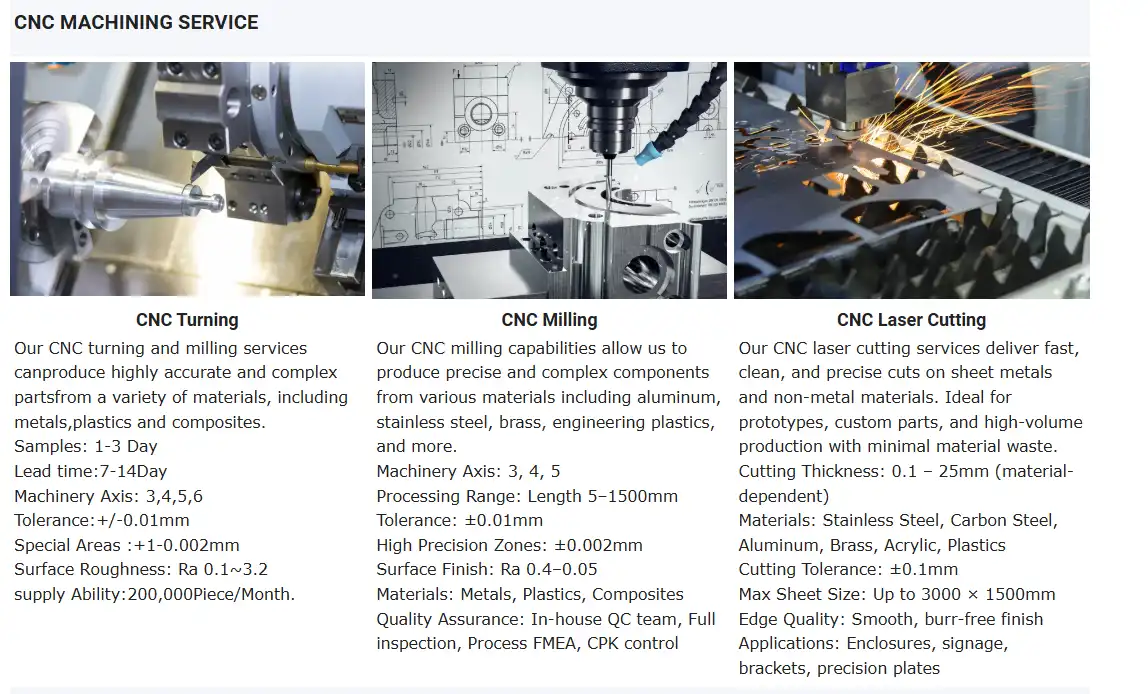
With tolerances of ± 0.01mm and surface roughness ≤ Ra0.8μm, modern, precise production makes it possible to make parts to specific sizes. Advanced processing methods, such as CNC machining, EDM, turning, and five-axis machining, make sure that the quality of each production run is the same. These features allow for complicated shapes and close limits that are needed in industrial equipment, medical devices, and aircraft uses. You can shine, anodize, plate, blacken, and join them to change how they look. After these steps, the metal never rusts again, looks better, and has unique qualities like being able to conduct electricity or keep heat in. It is important to make sure that products that have quality approvals like ISO 9001:2015 and RoHS compliance are safe for the climate and well-made.
Brass vs Steel Dowel Pins: Performance and Application Comparison
The way brass and steel dowel pins work is very different in a number of ways, which directly impacts which ones are best for which tasks. When engineering teams know about these differences, they can pick materials that are useful and will work well in a range of settings.
Mechanical Strength and Load Capacity
Towel pins made of steel are very strong. Different types have tensile strengths between 70,000 and 150,000 PSI. Steel pins are very strong, so they can work in places with a lot of stress, like on big tools and in buildings. Different types of carbon steel are the strongest. Steel that doesn't rust, on the other hand, is strong. Brass is a pretty strong metal because it is about 40,000 to 70,000 PSI thick. It's not as strong as steel yet, but it's good enough for electrical systems, exact tools, and other uses that don't put too much stress on the surface. Because the material is bendable, it can better withstand shocks and is less likely to break when the load changes.
Corrosion Resistance and Environmental Durability
Due to their natural resistance to rust and chemical attack, brass dowel pins work well in places that are acidic. The copper gives it natural antimicrobial qualities, and the zinc makes it more resistant to rusting in the air. Because of these qualities, brass is very useful in naval settings, for processing chemicals, and in outdoor settings where it will be exposed to water often. Because they contain chromium, which makes an oxide layer, stainless steel dowel pins are very resistant to rust. When this dormant film gets broken, it grows back, protecting you for a long time in tough settings. To get the same level of rust protection, carbon steel needs to be protected with coats or treatments. This makes the manufacturing process more complicated and expensive.
Machinability and Installation Considerations
Brass is soft, which makes it easier to machine. This lowers tool wear and lets manufacturers make things with tighter standards. This benefit of being machinable means lower costs for special making and shapes with a lot of angles. Brass pins are easy to change on-site if the sizes need to be changed while they are being put together. To get the surface finish and size accuracy you want with steel, you need stronger tools and careful cutting settings. Modern CNC machines and specialty cutting tools, on the other hand, have made steel much easier to work with, allowing it to be used in more complicated and precise tasks.
Decision-Making Guide: Choosing Between Brass and Steel Dowel Pins
Selecting the appropriate dowel pin material requires careful evaluation of multiple factors that directly impact project success. B2B procurement professionals must balance performance requirements, cost considerations, and operational constraints to optimize their material selection decisions.
Key Selection Criteria for B2B Applications
Here are the main things that affect the choice of material for dowel pin uses:
- Needs for mechanical stress: Steel dowel pins can handle high loads of more than 10,000 pounds of bending force, while brass dowel pins can handle mild loads of less than 5,000 pounds.
- Conditions of contact with the environment: Brass is more resistant to rust in marine and chemical environments, but both materials work well in controlled indoor settings.
- Operating temperature ranges: Brass stays the same size from -40°F to 400°F, while steel works reliably over a wider range of temperature extremes.
- Electrical conduction needs: Brass is a great conductor of electricity for grounding uses, while steel's magnetic features make it useful in some setups.
- Cost and volume: Buying steel pins in bulk usually saves you money per unit, while brass pins are more cost-effective for precise tasks that don't need many extra processes.
These selection factors are a direct response to the problems that purchasing managers in the transportation, communications, technology, and consumer goods industries face. Knowing about these trade-offs helps you make smart choices that fit the needs of the job and your budget.
Industry-Specific Application Examples
Brass dowel pins are often used to align parts on circuit boards, in connector systems, and in precision instruments for electronics and telecommunications equipment. The non-magnetic qualities of the material keep sensitive electrical parts from being affected, and it also provides accurate placement. Manufacturers of consumer gadgets like brass because it looks good in obvious places and can be used with automatic assembly methods.
In the aircraft and automotive industries, steel dowel pins are most often used for engine systems, transmission parts, and structural links that need to be strong and reliable. Because it can handle high heat and dynamic stress, the material is necessary for uses that need to be safe. Manufacturers of medical devices often choose brass for surgery instruments and testing tools because it is biocompatible and kills germs.
How to Source and Purchase Brass and Steel Dowel Pins for Your Project
Effective sourcing strategies enable procurement teams to obtain high-quality dowel pins while meeting project timelines and budget requirements. Understanding supplier capabilities, quality standards, and market dynamics ensures successful procurement outcomes for global manufacturing operations.
Supplier Evaluation and Quality Assurance
Reliable providers show that their quality is always the same by following well-known testing and licensing procedures. RoHS compliance makes sure that safety standards for the environment are met, and ISO 9001:2015 approval shows that quality management systems are organized. Advanced measuring tools and checks for physical correctness make sure that all production batches of goods meet the limits of ± 0.01mm. Traceability and quality guarantee are important for key uses, and material tests and group checks provide them. The best providers keep a lot of paperwork, like certificates for materials, reports on sizes, and proofs of surface finishes. Load capacity testing makes sure that safety and dependability standards meet or go beyond what is needed for the application.
Procurement Best Practices and Cost Optimization
It's easier to make sure that buying activities are in line with project plans when you know the minimum order amounts and delivery times. Standard setups ship within days, while custom production usually takes two to four weeks. Volume price systems give discounts for bigger orders, which makes buying in bulk appealing for needs that span multiple projects. Price changes rely on the type of material used, the amount of personalization, and the markets for commodities around the world. The price of brass dowel pins is based on the market values of copper and zinc, while the price of steel is based on the cost of iron rock and alloying elements. Long-term deals to supply goods can keep prices stable and make sure that supplies get to the right people first when demand is high. When you work with well-known sources, you can get technical help and have unique solutions made. Technical talks help make sure that the design specs and materials chosen are the best ones for the job. Good relationships lower the risk of buying things and allow for new ideas to be used in product creation.
Conclusion
Ultimately, the choice between brass and steel dowel pins relies on the needs of the product, the surroundings, and the performance goals. Because they don't rust, are easy to machine, and look good, brass dowel pins are perfect for high-precision electronics, naval uses, and moderate-stress systems. Steel dowel pins are very strong, last a long time, and are a good value for heavy-duty industrial uses that need to hold a lot of weight and not wear down easily. Both materials can be used for advanced manufacturing, with tolerances of ± 0.01mm and surface roughness ≤ Ra0.8μm. This means they will work reliably in automation equipment, medical devices, military parts, and consumer electronics. To choose the right materials for a job and get the best return on investment, you need to carefully think about the technical needs, environmental factors, and purchasing issues.
FAQ
What are the main advantages of brass dowel pins over steel alternatives?
Brass Dowel Pins provide exceptional corrosion resistance, superior machinability, and natural antimicrobial properties that steel cannot match. The material's non-magnetic characteristics prevent interference with sensitive electronic components, while its attractive golden appearance enhances aesthetic appeal in visible applications. Brass maintains dimensional stability across temperature variations and offers excellent electrical conductivity for grounding applications.
Can brass dowel pins handle high-stress applications effectively?
Brass dowel pins suit moderate-stress applications with tensile strength ranging from 40,000 to 70,000 PSI. While adequate for precision instruments and electronic assemblies, high-stress applications exceeding 10,000 pounds of shear force require steel alternatives. The material's ductility provides better shock absorption than brittle materials, reducing failure risk under dynamic loading conditions.
How do delivery timelines differ between brass and steel suppliers?
Standard brass and steel dowel pins typically ship within 3-5 business days from established suppliers. Custom manufacturing requires a 2-4 week lead time regardless of material choice. Brass processing may offer slight advantages due to superior machinability, potentially reducing custom manufacturing timelines by 10-15%. Volume orders and complex geometries can extend delivery schedules for both materials.
Partner with Junsion for Premium Brass Dowel Pin Manufacturing Solutions
Junsion delivers precision-engineered dowel pins tailored to your exact specifications using advanced CNC machining, EDM, and five-axis processing capabilities. Our ISO 9001:2015 certified facility produces Brass Dowel Pins with tolerances of ± 0.01mm and surface roughness ≤ Ra0.8μm, meeting stringent quality standards for automation equipment, medical devices, and aerospace applications. Contact our engineering team at Lock@junsion.com.cn to discuss your brass dowel pin supplier requirements and receive customized solutions backed by our commitment to quality, excellence, and rapid response times.
References
1. American Society of Mechanical Engineers. "Mechanical Properties of Brass and Steel Fasteners in Industrial Applications." ASME Engineering Standards Publication, 2023.
2. International Organization for Standardization. "Precision Dowel Pins: Material Specifications and Tolerance Requirements." ISO Technical Committee Report, 2022.
3. Materials Science Institute. "Corrosion Resistance Comparison of Brass versus Steel Components in Marine Environments." Journal of Materials Engineering, 2023.
4. National Institute of Standards and Technology. "Machinability and Manufacturing Characteristics of Copper Alloys and Steel." NIST Technical Publication, 2022.
5. Society of Manufacturing Engineers. "Cost Analysis of Brass and Steel Dowel Pin Production in Global Supply Chains." SME Manufacturing Review, 2023.
6. American Institute of Steel Construction. "Load Capacity and Structural Performance of Steel Dowel Pins in Heavy Machinery Applications." AISC Engineering Journal, 2022.