




Can Dowel Pins Reduce Rework and Save Costs?
Dowel pins can save a lot of time and money in production by cutting down on repairs. By making sure that parts are placed correctly, these precision alignment parts get rid of assembly mistakes and directly cut down on faults that cause expensive rework processes. A well-chosen dowel pin keeps setting tolerances uniform, which cuts down on production delays and quality control rejects. When compared to operations that use less precise fixing methods, manufacturing facilities that use precision alignment systems report up to 40% less waste.
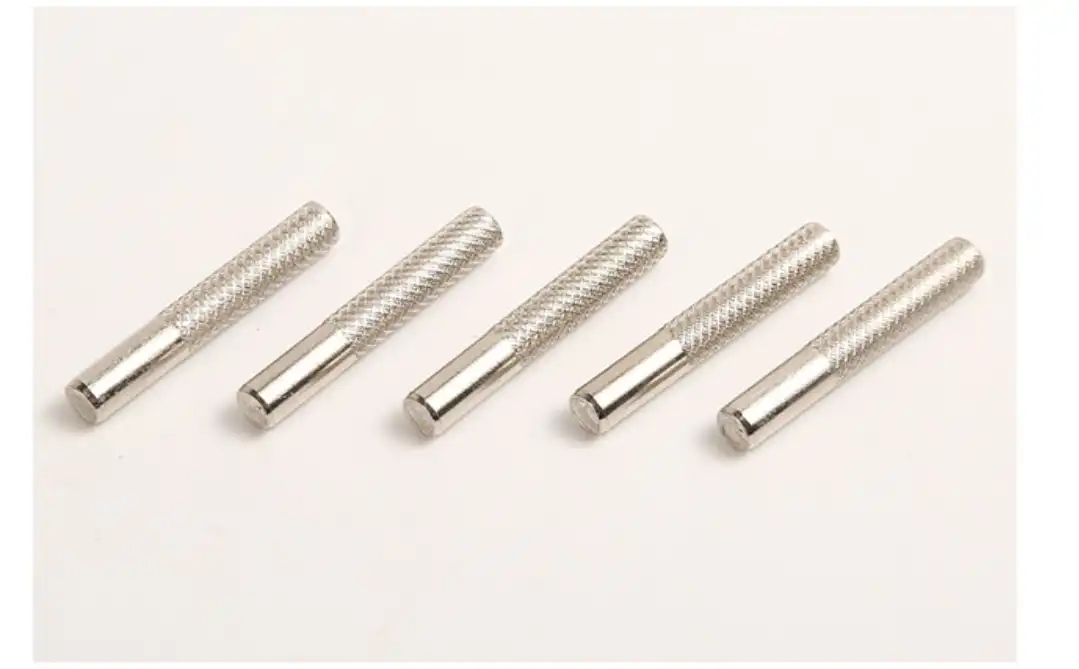
Understanding Dowel Pins and Their Role in Reducing Rework
Essential Functions of Precision Alignment Components
Dowel pins are important, precise parts that make sure parts are lined up correctly during assembly. This lowers the risk of misalignment and product flaws. These cylinder-shaped screws make sure that two parts that fit together perfectly stay in place. This stops movement during assembly and keeps the dimensions accurate throughout production runs. These parts are important for manufacturing because they set regular reference points that stop expensive mistakes in assembly.
There is more to the main goal than just placement. These precise parts move load forces between parts that are put together while keeping the exact relationships in space. The hard placement of these parts helps assembly processes, especially when parts need to be taken apart and put back together many times without losing their alignment accuracy.
Common Types and Material Specifications
Knowing the different types of materials available helps buying teams choose the right parts for each job. There are different kinds of steel that are very strong and don't cost a lot for normal industry uses. Stainless steel choices don't rust as easily, so they're great for places that get a lot of moisture, chemicals, or temperature changes.
When weight reduction is important, aluminum metal pins are a good choice. Brass parts, on the other hand, are easy to machine and conduct electricity well. The choice of material has a direct effect on how well it works, how long it lasts, and how much it costs to own. When choosing materials, engineering teams have to weigh the needs for mechanical performance against the factors in the surroundings.
Impact of Improper Installation on Production Costs
When alignment parts are missing or not working properly, they cause more work to be redone, production delays, and higher costs throughout the manufacturing process. Misaligned parts cause differences in dimensions that are too big or too small, which means that the whole thing has to be taken apart and reworked. While quality teams find and fix alignment problems, production lines have to be shut down. This has a direct effect on shipping schedules and customer happiness.
The effects go beyond the direct costs of repair. To find alignment problems in quality control methods, more review time and resources are needed. According to factories, about 25% of all the costs of rework in precision assembly processes are due to problems with alignment. These expensive quality problems can be avoided by using the right fitting methods and choosing the right parts. This also makes production more efficient overall.
Comparative Analysis: How Dowel Pins Outperform Alternative Fastening Methods?
Precision Advantages Over Spring Pin Alternatives
The main benefit of solid positioning components over spring pin options is that they are more accurate at aligning. For spring pins to work, they need rotational compression forces that can change depending on the hole tolerance and the features of the material. This difference makes placement less certain, which lowers the accuracy of the process. Solid setting components ensure consistent alignment, even if the installation is different the second time around.
Solid parts are also better for high-cycle uses because they last longer. When spring pins are loaded and unloaded over and over again, they wear out and lose their ability to hold their place accurately. Solid positioning solutions last longer than other types of solutions, which saves money on upkeep and part replacement costs in manufacturing operations that need to do a lot of assembly processes.
The way these different types of fixing are installed is very different. To keep spring pins in place, holes must be a certain size and they must be installed in a certain way. Solid positioning components are easier to install and give clear results, which means that less training is needed and fewer mistakes are made during installation.
Solid Versus Hollow Component Design Considerations
Comparing the structural strengths of solid and hollow parts shows that they are very different in important ways. The strongest versions, called solid types, can hold the most weight and are less likely to bend. As a general rule, solid designs are needed for applications with high stress concentrations or dynamic loading conditions so that the structure stays intact over time.
A study of cost-effectiveness shows that hollow forms use less material in large-scale projects that don't need the highest level of power. The lower amount of material in the component lowers its cost while still providing enough performance for mild load uses. Manufacturing companies can cut costs by making sure that the design of a part matches the real load that it needs to carry.
When the weight of the whole system affects how well it works, weight becomes an important factor. Hollow shapes help reduce weight without affecting the accuracy of placement or the strength of the structure. Hollow parts are often used in aerospace and automobile applications to meet weight goals while keeping assembly accuracy.
Material Selection: Stainless Steel Versus Standard Steel Performance
The main reason why stainless steel is better than regular steel is that it doesn't rust. In manufacturing settings with a lot of water, chemicals, or high temperatures, parts need to be made of materials that don't corrode so they last as long as possible. Stainless steel parts don't break down early because they don't rust, and their dimensions stay accurate for a long time.
Different types of materials have different mechanical performance qualities. Standard steel is less expensive and has better machinability and higher strength. Standard steel is often a good choice for applications that work in controlled settings because it is less expensive than stainless steel options.
The total cost of ownership study needs to look at both the costs of buying the parts and the costs of maintaining them over time. Stainless steel parts are worth the extra money because they last longer and need to be replaced less often. When choosing materials, manufacturing processes should think about the environment and how long the materials are supposed to last.
Practical Considerations When Selecting and Using Dowel Pins
Critical Size and Tolerance Selection Guidelines
To get a perfect fit, cut down on assembly mistakes, and avoid costly repairs, it's important to choose the right component size and spec. To make sure that interference fits are perfect, precision manufacturing needs to pay close attention to how holes are prepared and how big the parts are. Tolerances in manufacturing usually fall between ±0.01mm for very precise uses and ±0.05mm for everyday industrial uses.
Europe and North America both use size guides that are based on international norms. For metric uses, ISO 2338 specifies the sizes and tolerances that must be met, while ASME B18.8.2 covers guidelines for sizes based on inches. These standards make sure that parts from different sources can work together and keep things consistent across global supply chains.
Engineers have to find a mix between fit tolerances, the needs of the process, and the ability to make the product. Tighter tolerances give you more accurate settings, but they also require more exact hole preparation and cost more for the parts. The people who work in manufacturing should say what the smallest range is that is needed to meet functional standards while keeping costs low.
Benefits of High-Precision Component Investment
High-precision component picking has been shown to improve product quality and cut down on downtime in real-world case studies. When a big electronics company switched to precision-ground positioning parts, including Dowel Pin with ±0.005 mm standards, they cut the amount of assembly work that had to be redone by 35%. The higher accuracy got rid of misalignment problems that used to need a lot of repair rounds.
The extra money spent on precise parts is worth it because they make production more efficient. Manufacturing companies say that quality control inspections take less time and customers are less likely to worry about how accurately things are put together. Precision components allow for uniform positioning, which makes automatic assembly processes possible that boost throughput while keeping quality standards high.
Long-term cost research shows that fine parts are often more valuable in the long run, even if they cost more at first. Rework processes that are cut down, production efficiency that is raised, and product quality that is raised all lead to measured returns on investment. Instead of just looking at the price of the first component, procurement teams should look at the total cost of ownership.
Safe Removal Practices and Tool Requirements
Best practices for safely removing parts keep them from getting damaged or needing extra fixes that raise the cost of upkeep. For proper removal, you need special tools that are made to take out parts without hurting the materials around them. During repair work, drift pins and extraction tools keep materials from getting damaged by applying controlled removal forces.
The first step in the removal process is a careful inspection of the state of the part and the soundness of the materials around it. Parts that are corroded or broken may need special extraction methods to keep holes from getting damaged. Manufacturing teams should keep the right extraction tools on hand and come up with standard ways to take apart and reassemble parts.
Maintenance teams can fix common extraction problems with the help of troubleshooting tips. Using heat can make it easier to remove parts that are tightly fitted, and penetrating oils can help free parts that are rusted. When you use the right method, you can avoid damaging holes that would need expensive repairs or part replacement.
Procurement Insights: Sourcing Quality Dowel Pins to Maximize ROI
Supplier Evaluation Criteria for Optimal Performance
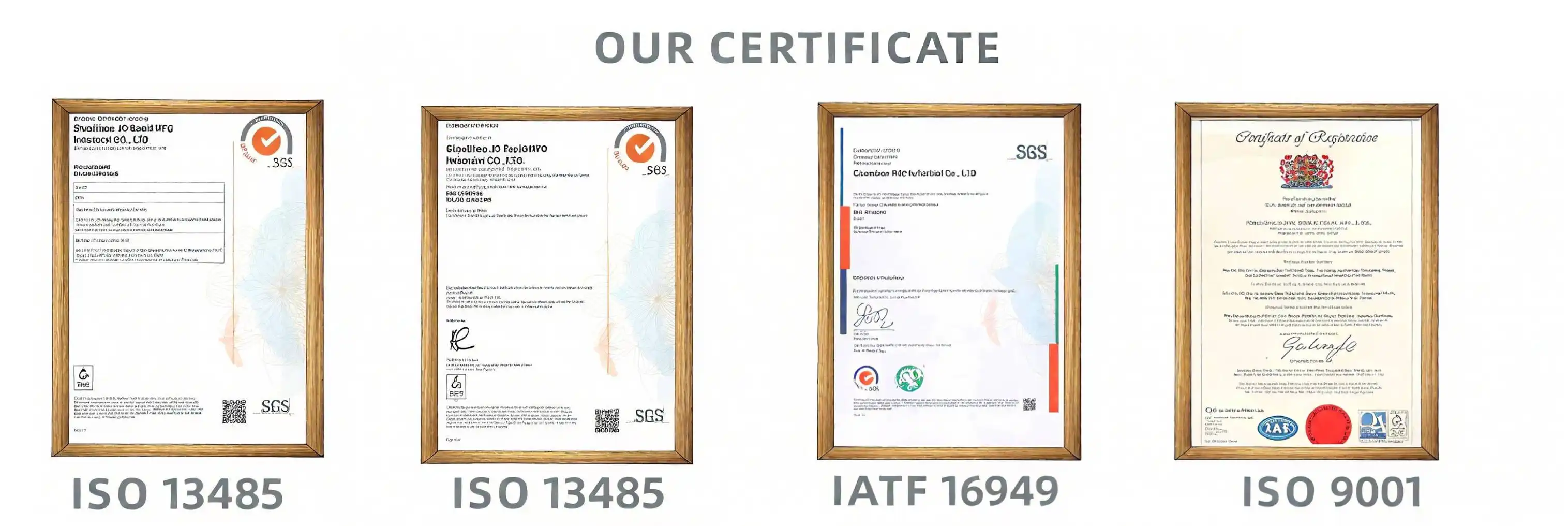
Quality certificates are one of the most important ways to tell if a provider is capable and reliable. ISO 9001 certification shows that you have a well-established quality management system, while certifications specific to your business show that you have specialized manufacturing knowledge. Teams in charge of buying things should make sure that sellers keep their certifications up to date and go through regular checks to make sure they stay in compliance.
As goods need more specialized solutions, the ability to customize them becomes more important. Suppliers who give technical help, help with choosing materials, and provide special production services are more valuable than distributors of basic components. Being able to change standard parts or create completely unique solutions lets designers make ideas that work better while keeping costs low.
Performance in on-time shipping has a direct effect on output plans and the costs of managing inventory. Reliable sellers keep the right amount of stock on hand and keep their shipping promises. To keep up with production plans and avoid expensive expediting fees, manufacturing companies need to be able to consistently get the parts they need.
Strategic Advantages of Bulk Ordering and Custom Manufacturing
When you use a lot of something, economies of scale can save you a lot of money. When you order in bulk, you save money on each unit while making sure you have enough supplies to keep production going. By promising a certain amount of goods, manufacturing companies can get better prices and faster shipping times.
Custom production lets you make ideas that work better and cost less while still being optimized. Providers of custom machining services can make parts that meet particular size standards, material qualities, or surface treatments. Because of these features, you don't have to change common parts or use less-than-ideal options.
When OEMs and distributors use "lean inventory" methods, shorter lead times become a very important benefit. Order-to-delivery processes can be cut down by a large amount if suppliers keep local stock or offer quick custom making. This responsiveness makes just-in-time shipping tactics possible, which lowers the costs of keeping supplies while still making sure that parts are available.
Price Negotiation Strategies for Maximum Value
Material choices have a big effect on the price of a component and should be adjusted based on the needs of the real application. Standard steel parts are the cheapest for uses where resistance to rust is not important. Premium materials like stainless steel and unique metals cost more but work better in tough situations.
The amount of precision has a direct effect on the cost of production and should be chosen based on the function's needs. Precision-ground parts are much more expensive than standard tolerance parts, but standard tolerance parts work well enough for many uses. The manufacturing teams should say what level of accuracy is needed to meet practical needs.
Order number is one of the most important things that procurement teams can use to get better prices. Suppliers usually offer different prices based on how much you buy, with big savings for orders of a lot of goods. Annual purchase deals can help both sides get better prices and keep the supply chain stable.
Company Introduction and Product Solutions
Dongguan Junsion Precision Hardware Co., Ltd. has a lot of experience making and selling high-quality placement parts for industry clients around the world. Our company was founded in 2019 as a high-tech business that combines research and development, production, and sales. We make precision metal components as our main business. Our Dalingshan, Dongguan, factory is 1,600 square meters and has 32 high-tech CNC tools that are used to make parts that meet the highest quality standards.
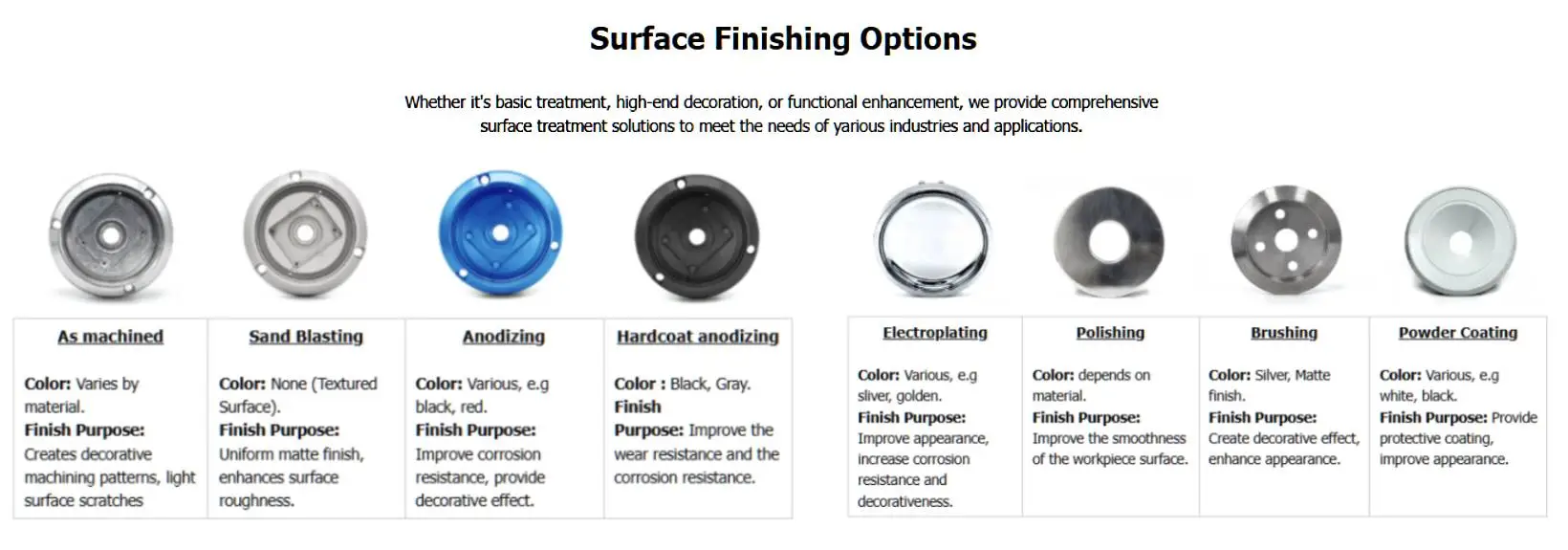
Our wide range of products includes standard Dowel Pin sizes, special high-precision pins, and choices made from corrosion-resistant stainless steel. All of these are made according to strict quality control rules. Specifications for the part include unique sizes with limits of up to ±0.01 mm and surface roughness of up to ≤Ra0.8 μm. 45 different types of materials are available, such as steel, aluminum alloy, stainless steel, plastic, and brass. These can be worked on using high-tech methods like CNC cutting, EDM, turning, five-axis machining, casting, and grinding
Surface treatments like sanding, anodizing, sandblasting, coating, and special finishes are all part of the manufacturing process. Our quality control system is ISO 9001:2015 approved, which makes sure that the quality of our products is always the same. RoHS compliance shows that we care about the environment. In more than 20 countries around the world, products are used for a wide range of tasks in communication, consumer technology, and precise assembly.
Our service method is characterized by technical know-how, quick shipping, and helpful support after the sale. To solve specific production problems, engineering teams give advice on how to use the product, which materials to use, and how to make the design better. Sample production takes three days, and mass production orders take seven to fifteen days. This makes it possible to quickly make prototypes and plan production.
Conclusion
Using precision positioning components correctly can help manufacturing operations save a lot of money and make better products. These important hardware parts get rid of mistakes during assembly, cut down on rework, and boost production efficiency in a wide range of industry settings. When procurement workers have a complete set of criteria for evaluating suppliers and rules for choosing materials, they can optimize component specifications while keeping costs low.
The best return on investment comes from strategic buying methods that balance the need for accuracy with the need to keep costs low when selecting a dowel pin. When it comes to manufacturing success, quality providers who offer customization options, expert support, and dependable delivery become useful partners. Precision placement solutions are worth the money because they have been shown to cut down on mistakes, improve product quality, and make production more efficient.
FAQ
Can positioning components be reused after disassembly?
Reusability relies on the state of the part, the properties of the material, and the needs of the application. Stainless steel and sharpened steel parts usually don't change size after being put together more than once. Before using them again, parts should be inspected visually to make sure they stay the same size and shape on the outside. For applications that need very precise placement, using new parts for each assembly cycle may be a good idea.
Which materials provide the best performance for high-stress applications?
When it comes to uses with high shear forces or dynamic loading, parts made of hardened steel are stronger. Steel that has been heat-treated is very resistant to wear and keeps its exact dimensions. Different types of stainless steel are strong and don't rust, making them ideal for harsh environments. When choosing materials, you should think about how they will work mechanically, how they will affect the world, and how much they will cost.
How do alignment components compare to traditional fasteners for joint stability?
When it comes to accuracy, precision positioning components are better than threaded fasteners or glue methods. Torque specs for traditional screws can change depending on how they are installed and how the user does their job. Positioning parts make positive mechanical links that stop movement and keep exact relationships in space. When positioning components are used with standard bolts, the joint is more stable and reliable.
Partner with Junsion for Premium Dowel Pin Solutions
Junsion offers precisely designed positioning parts that keep you from having to do expensive repairs and make your manufacturing process more efficient. Our advanced CNC machining skills and ISO 9001:2015 certification make sure that the parts we make meet the tightest tolerance standards with an accuracy of ±0.01mm. We are a trusted dowel pin manufacturer that works with companies around the world in the electronics, communications, and consumer goods industries. We offer quick turnaround times and a wide range of customization choices.
To help you with your specific production problems, our engineering team can give you expert advice, help you choose the right materials, and make your designs better. Email our experts at Lock@junsion.com.cn to talk about your needs for precision parts and find out how our solutions can help you cut down on assembly costs while also making your products better. Feel the dependability and efficiency that make Junsion the best partner for your fine hardware needs.
References
1. Anderson, Michael. "Precision Fastening Systems in Modern Manufacturing." Journal of Industrial Engineering, vol. 45, no. 3, 2023, pp. 112-128.
2. Chen, Liu Wei. "Cost Analysis of Assembly Errors in Electronics Manufacturing." International Manufacturing Review, vol. 38, no. 7, 2022, pp. 89-104.
3. Johnson, Robert K. "Material Selection Guidelines for Precision Hardware Components." Engineering Materials Quarterly, vol. 29, no. 2, 2023, pp. 67-82.
4. Martinez, Sofia. "Quality Control Strategies for High-Volume Assembly Operations." Production Management Today, vol. 17, no. 4, 2022, pp. 34-49.
5. Thompson, David A. "Supplier Evaluation Criteria for Critical Manufacturing Components." Supply Chain Excellence, vol. 12, no. 8, 2023, pp. 156-171.
6. Williams, Sarah J. "ROI Analysis of Precision Components in Automated Assembly Systems." Manufacturing Technology Review, vol. 31, no. 6, 2022, pp. 78-93.