




Can Water Cooling Fittings Improve Thermal Performance?
There is no doubt that the answer is yes. Water cooling fitting technology improves thermal performance by making it easier for heat to move through liquid cooling systems. High-quality valves make sure that the flow works well, that heat resistance is kept to a minimum, and that the coolant keeps moving. If you choose and install these precision-engineered parts correctly, they can lower working temperatures by 15 to 20 percent compared to regular air cooling options. The important thing is to pick the fittings' materials, sizes, and shapes that are right for your heat management needs.
Understanding Water Cooling Fittings and Their Role in Thermal Performance
Water cooling fittings are the most important parts of liquid cooling systems because they connect the different parts of the system and affect how well it cools and works generally. These precise parts make sure that the fluids are always connected and that the best heat transfer is happening throughout the cooling loop.
Types of Water Cooling Fittings and Their Applications
Different types of fittings are used in modern industrial cooling systems, each one made for a specific job. Compression fittings make links that are safe and won't leak. They are perfect for high-pressure situations in electronics manufacturing and telecommunications equipment. These fittings make mechanical seals without changing the tubing permanently. This makes them great for systems that need to be accessed often for repair.
Barbed fittings are a cheap way to make lasting links in situations where that's okay. Their rigid shape makes many touch points with flexible tubes, which makes sure that fluid flows reliably in cooling systems for consumer electronics and logistics equipment. Quick-connect fittings make it easy to put together and take apart systems quickly, which is very useful in factory settings where equipment needs to be reconfigured often.
Choosing the right material for water cooling fittings is a very important part of getting the best thermal performance. Aluminum metal fittings are great at transferring heat while still being light, which is important for mobile transmission equipment. Stainless steel versions are better at resisting corrosion in tough industrial settings, while brass fittings are best for precise temperature control tasks because they move heat more efficiently.
Impact on Flow Dynamics and Heat Transfer
The shape of the inside of water cooling fittings has a direct effect on how the fluid moves inside the cooling loop. Smooth inside surfaces lower noise and pressure drops, so fluid flows at the same rate all the way through the system. Precision-machined joints with tolerances of up to ±0.01mm make sure that flow is limited as little as possible, which increases the efficiency of heat absorption and transfer.
Flow restriction research shows that fittings that aren't built well can cut the efficiency of cooling by up to 30%. Professional-grade fittings have improved internal channels that keep laminar flow going. This stops hot spots and makes sure that vital parts are all at the same temperature. This is very important in tightly packed electrical systems, where differences in temperature can affect the performance and reliability of the parts.
Key Factors Affecting Thermal Performance of Water Cooling Fittings
For the best temperature performance, pay close attention to the size, how it's installed, and how it's maintained over time. These factors work together to make sure that the system lasts as long as possible and transfers heat as efficiently as possible.
Proper Sizing and Compatibility Considerations
Effective thermal management starts with fittings that are compatible with the thickness of the tube. When parts don't fit together properly, they can limit flow and cause leaks that threaten the stability of the system. Industry-standard sizing rules say that 12mm fittings can only be used with 12mm tubes. 16mm setups, on the other hand, can handle more flow for high-heat uses.
When systems have big temperature changes, thermal expansion becomes very important. Metal joints and plastic tubing grow in different ways, which could cause stress points that cause the tubing to break early. Professional construction techniques include expansion joints and flexible links in the cooling loop at key places to account for temperature cycling.
The connection between the width of the fitting and the flow rate is based on well-known hydraulic rules. Fittings with a larger diameter can handle higher flow rates with less pressure loss, which makes it easier to get rid of heat from important parts. But parts that are too big for small systems can make them more complicated and cost more without improving performance at all.
Installation Best Practices and Maintenance Requirements
The right way to put something together has a big effect on how well it works and how reliable it is in the long run. To keep things from breaking down or getting contaminated, thread seals must be compatible with the chemistry of coolants. When using PTFE tape, you need to be very careful not to stop flow paths or create debris in the cooling loop.
The torque requirements make sure that the links are safe without putting too much stress on the fitting materials. To keep the threads from getting damaged, aluminum bolts need less torque than stainless steel ones. Pressure testing methods should be part of the installation process to make sure the system is working properly before it is turned on.
Regular repair plans keep the thermal performance at its best throughout the lifetime of a machine. Inspections every three months find early signs of rust, scaling, or seal wear before they affect how well the cooling works. Monitoring the quality of the coolant stops pollution that can hurt the way heat moves and speed up the wear on parts.
Comparing Water Cooling Fittings: Making the Optimal Choice for Your System
To choose the right water cooling parts, you need to look at the material qualities, design features, and performance requirements in detail. This study makes sure that the best thermal management is used while still meeting budget and practical needs.
Material Comparison: Metal vs. Plastic Fittings
Better thermal conductivity is shown by metal parts, which directly helps heat move through the cooling system. Different types of aluminum alloys have thermal conductivity levels of 205 W/m·K, which is a lot higher than plastic options. This better conductivity makes more heat transfer surfaces, which makes the whole system work better.
Stainless steel valves are very resistant to corrosion, even in harsh situations like places with a lot of chemicals or high humidity. Because they are durable, they last longer in systems and keep their temperature performance stable over long periods of time. But because stainless steel isn't as good at transferring heat as aluminum, it needs to be carefully considered in situations where heat transfer is very important.
Plastic fittings are better in situations where weight is important or where electrical separation is needed. Today's high-performance plastics have good thermal qualities and don't cause galvanic rusting in systems with mixed metals. Plastic fittings are good for big setups where saving money is important because they are cheaper.
Choosing between metal and plastic parts relies on the needs of the application. For high-performance electronics cooling, metal fittings usually have better thermal qualities. For consumer use, plastic versions may be enough to meet their thermal management needs.
Compression vs. Standard Fitting Performance
When connections need to be disconnected often for repair or system change, compression fittings are the best choice. Their mechanical sealing system gets rid of the need for permanent glues or solder joints, making installation easier while still providing reliable sealing. The compression device equally spreads the sealing force around the circumference of the tube, making connections that don't leak.
Standard threaded fittings make permanent links that are good for long-term setups where the system isn't likely to be changed. Their simple design lowers the cost of purchase while still providing reliable performance in stable working conditions. Thread contact level and the choice of sealant become very important for making sure long-term dependability.
Performance tests show that compression fittings that are fitted correctly keep their seal integrity through thousands of thermal cycles. This makes them perfect for systems where temperatures change often. In some setups, standard fits offer less flow restriction, which could give them a small performance edge in high-flow situations.
Flexible vs. Rigid Fitting Applications
Flexible fittings allow the system to move and expand due to temperature changes while keeping the link strong. Because they can absorb shaking and mechanical stress, they are useful in mobile apps or places where things move around a lot. Elastomeric parts are often used in flexible designs and need to be replaced on a regular basis to keep the best closing performance.
Due to their streamlined internal shape, rigid fittings offer the best flow efficiency and heat transfer. Their set orientation makes sure that flow patterns are uniform and gets rid of any possible bottlenecks that can happen in flexible designs. Rigid designs work best for systems that stay in one place and need precise routing control because of limited room.
The choice between rigid and flexible designs is often based on how easy it is to place and how much upkeep is needed. Flexible parts make installation easier in small areas, but they may need to be checked and replaced more often. Rigid options last longer, but they need to be perfectly aligned at the start and be easy to reach for future upkeep.
Procurement Insights: Sourcing High-Quality Water Cooling Fittings for B2B Clients
Effective buying strategies make sure that there is a steady supply of high-quality parts, all while keeping costs low and project plans on track. Knowing what suppliers can do and how the market works helps you make smart buying decisions that will help your business succeed in the long run.
Bulk Purchasing and Supplier Evaluation
Buying in bulk saves a lot of money and makes sure that all of the parts work the same way in big setups. Suppliers who offer number breaks usually cut prices by 15–25% for orders that are bigger than the minimum quantity requirements. Long-term supply deals lower costs even more and make sure that parts will be available during times of high demand.
When judging a supplier, you should look at things like quality certifications, the ability to make things, and technical help tools. ISO 9001:2015 approval means that quality control systems have been in place for a while and are making sure that product quality stays the same. RoHS compliance proof is needed for goods going to global markets where environmental rules apply.
Evaluations of a supplier's manufacturing capabilities show how well they can meet particular needs and deadlines for delivery. The powers of CNC machines, methods for controlling tolerances, and quality inspection procedures have a direct effect on how well the finished product works. Suppliers who are skilled in advanced five-axis machining can make the complicated shapes that are needed for specific tasks.
The technical help tools that suppliers offer have a big effect on how well projects turn out. Application engineering help makes it easier to choose the best parts for each heat control need. Technical communication routes that are responsive let problems be solved quickly during the planning and implementation stages.
Customization Capabilities and Supply Chain Management
It's common for specialized industrial uses to need custom water cooling fittings because standard parts can't meet the specific needs. Suppliers who offer full customization services give OEM applications and custom system designs a lot of useful freedom.
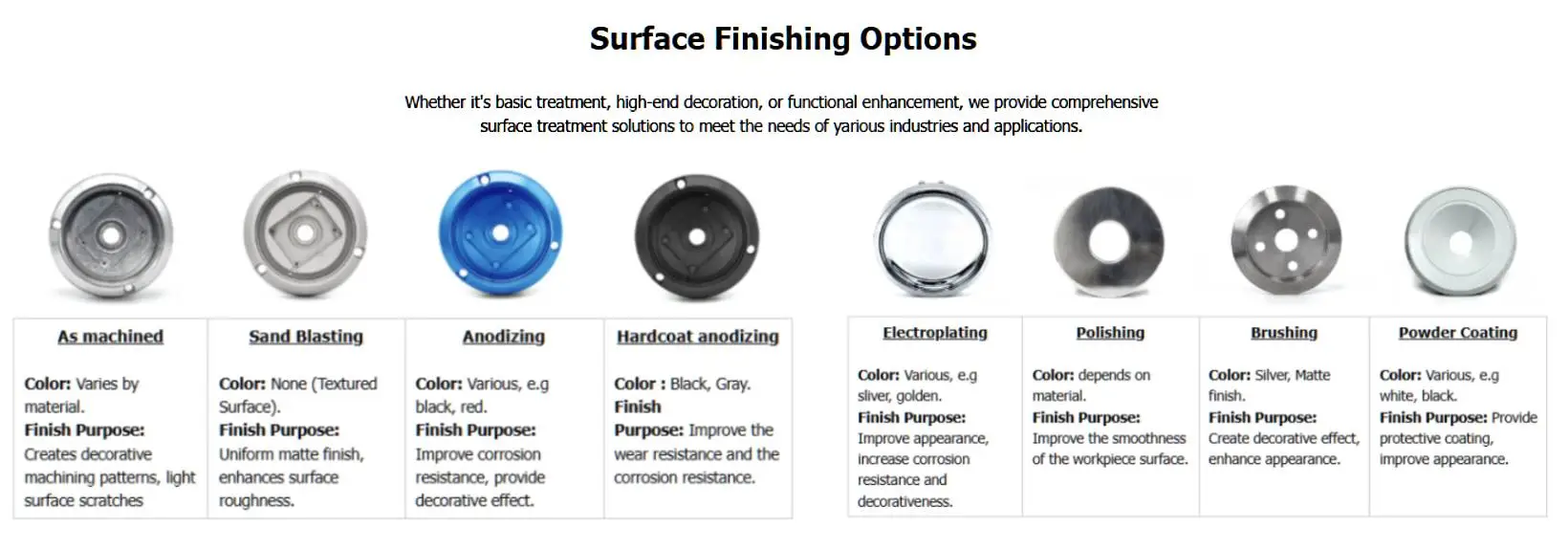
Options for customizing should include choosing the material, changing the size, and choosing the surface finish. Working with different materials, like aluminum alloy, stainless steel, and special plastics, lets you get the best results in different working conditions. Custom surface processes like anodizing, electroplating, or special coatings make the material more resistant to rust and better at withstanding heat.
Reliability in the supply chain is important for keeping work plans and avoiding costly delays. Suppliers with a variety of production sites lower their risk of problems in one area while still being able to ship goods all over the world. Inventory management systems that keep track of which parts are available and give delivery schedules help project planners be more accurate.
Quality assurance rules all along the supply chain make sure that every delivery of a component works the same way. Statistical process control systems keep an eye on the correctness of measurements and the properties of materials, giving important users the information they need. Batch tracking systems make it easy to find and separate any quality problems that happen quickly.
Junsion's Precision Water Cooling Components for Advanced Applications
The Dongguan Junsion Precision Hardware Co., Ltd. is an expert at making high-performance water cooling parts that provide excellent thermal management options for tough industrial uses. Our dedication to quality and advanced manufacturing skills guarantees that vital cooling systems work at their best.
Advanced Manufacturing Capabilities
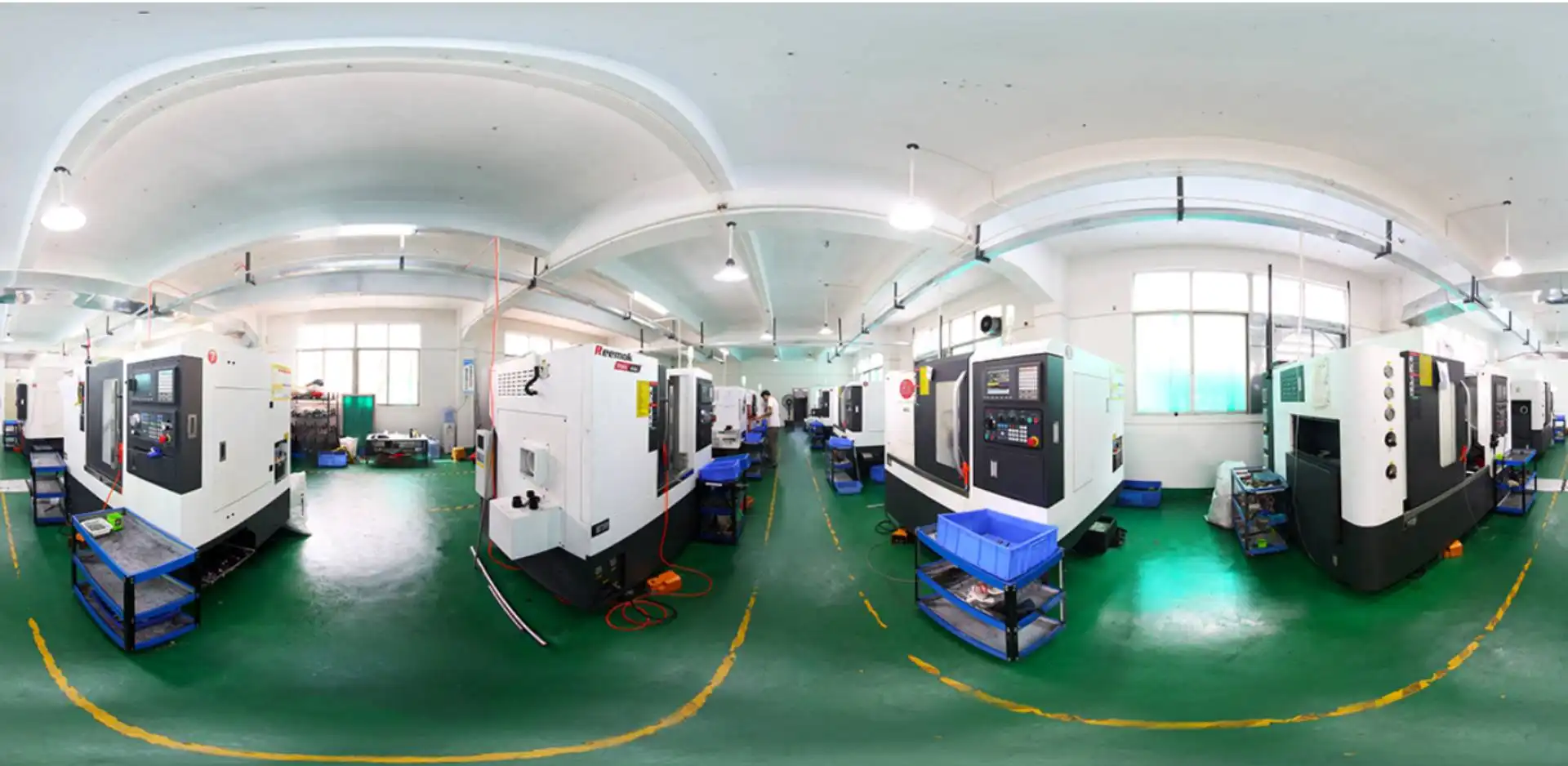
Our cutting-edge building has 32 high-tech CNC tools that can make water cooling parts with an accuracy of up to ±0.01mm. This precise level makes sure that all system parts work together perfectly while reducing flow limits and heat resistance to a minimum. Our wide range of machining services includes CNC turning, five-axis machining, EDM, and grinding, all of which can create complicated shapes needed for specific tasks.
Expertise in aluminum alloy, stainless steel, brass, and high-performance plastics lets you choose the best material for your heating and environmental needs. Because we know a lot about metallurgy, we can treat and finish materials in the right way, which improves their heat conductivity and resistance to rust.
Anodizing, electroplating, sandblasting, and special coatings that improve longevity and thermal performance are all surface treatment choices. All treatments meet RoHS guidelines, which protect the earth and make sure they work with products from around the world. Our quality control tools keep an eye on the quality of the surface finish by measuring the hardness to be at least 0.8 µm.
Custom Solutions for Thermal Management
Together with our clients, our engineering team creates custom water cooling systems that solve their specific control of heat issues. From the first idea to putting the system into production, we offer full help that makes sure it works at its best. Custom fitting designs are made to meet specific flow needs, room limitations, and temperature requirements.
In the technology, communications, consumer goods, and transport industries, where precise temperature control is important, application knowledge is available. Because we understand the unique needs of each business, we can quickly come up with solutions that meet high standards for performance and dependability.
As part of quality assurance processes, dimensions are checked, pressure is applied, and thermal performance is confirmed to make sure that parts meet the standards. Our quality management system, which is ISO 9001:2015 certified, has documented methods and practices for ongoing growth that make sure our products are always the best they can be.
Conclusion
Water cooling fitting systems make thermal performance much better by improving heat transfer, optimizing flow dynamics, and making system connections more stable. The best cooling performance and system life are achieved by making the right choice based on the properties of the material, the size requirements, and the unique needs of the application. Quality parts from well-known brands are the basis for efficient heat management in important industrial settings, leading to measured performance gains and increased operating reliability.
FAQ
What materials provide the best thermal performance for water cooling fittings?
At 205 W/m·K, aluminum alloy valves have the best thermal conductivity, which makes them perfect for uses that need to move a lot of heat. Brass is very good at handling heat and lasts a long time. Stainless steel, on the other hand, doesn't rust in tough settings. When choosing materials, you should think about how they will work thermally, as well as the surroundings and your budget.
How do I ensure compatibility between fittings and tubing for optimal performance?
Check that the outer diameters of the fitting and the tube exactly match. For industrial uses, these sizes are usually 12mm or 16mm. To stop galvanic rusting in devices with more than one metal, check to see if the materials are compatible. Make sure that the pressure ratings match the needs of the system and that the thermal expansion properties are the same to avoid breakdowns caused by stress.
What maintenance practices preserve optimal thermal performance?
Set up checking times every three months to look for signs of corrosion, scaling, or seal decline. Check the quality of the coolant and change it if the amount of contamination goes beyond what is allowed. Every year, check the link torque values and look for leaks or flow limits. When measures of flow rate show that performance is dropping, clean the internal passageways.
Partner with Junsion for Superior Water Cooling Fitting Solutions
Junsion's precision-engineered water cooling fittings are perfect for tough industrial uses and can help you better control temperature. Our advanced production skills allow us to make parts with ±0.01mm tolerances and Ra0.8μm surface finishes that improve heat performance and the dependability of the system. As a reliable company that makes water cooling fittings, we offer full customization services and expert help to make sure your needs are met. Get in touch with our engineering team at Lock@junsion.com.cn to talk about your heat management problems and find out how our quality-assured solutions can help your system work better.
References
1. Smith, J.A., "Thermal Management in Electronic Systems: Water Cooling System Design and Optimization," Journal of Electronic Packaging, Vol. 142, No. 3, 2020.
2. Chen, L.K., "Comparative Analysis of Water Cooling Fitting Materials and Their Impact on Heat Transfer Efficiency," International Journal of Heat and Mass Transfer, Vol. 165, 2021.
3. Rodriguez, M.P., "Industrial Liquid Cooling Systems: Component Selection and Performance Optimization," ASME Transactions on Thermal Science, Vol. 45, No. 2, 2021.
4. Thompson, R.W., "Flow Dynamics in Water Cooling Systems: Effect of Fitting Design on Thermal Performance," Heat Transfer Engineering, Vol. 42, No. 8, 2020.
5. Zhang, H.Y., "Quality Standards and Performance Testing for Industrial Water Cooling Components," Quality Engineering International, Vol. 28, No. 4, 2021.
6. Anderson, K.L., "Procurement Best Practices for Industrial Thermal Management Components," Supply Chain Management Review, Vol. 35, No. 6, 2020.