




Why Smart Sensors Boost Operational Efficiency?
Smart sensors make operations more efficient by adding advanced processing power directly to sensing devices. This lets data be analyzed in real time and smart decisions be made at the point of measurement. Traditional sensors only pick up on changes in the real world. These high-tech gadgets, on the other hand, have microprocessors built in, wireless connectivity, and artificial intelligence to give you quick insights that you can use. With this new feature, factories, logistics companies, and consumer goods makers can automatically improve their processes, cut down on downtime through predictive maintenance, and reach quality control levels that have never been seen before. The result is a huge rise in the general speed of operations in many different industries.
Understanding Smart Sensors and Their Role in Industry
In industrial settings, smart devices are a big change from passively collecting data to actively gathering information. Embedded microprocessors, memory storage, and communication links in these high-tech gadgets turn raw sensor data into useful information before sending it to control systems. This unified method gets rid of the need for extra signal processing gear, makes the system simpler, and speeds up response times.
Core Technologies Driving Smart Sensor Innovation
Three important parts that work together perfectly make up the core of smart sensor technology. An IoT connection lets these devices talk to central tracking systems wirelessly, making networks of sensors all over manufacturing sites that are all linked to each other. Embedded microprocessors give sensors the computing power they need to run complicated programs and make choices on their own based on factors that have been set. Adding artificial intelligence to this makes it even better, because it lets sensors learn from trends in past data and change how they react to new operational situations.
Different kinds of smart sensors are used in modern industrial applications. Each type of sensor is made to meet a specific monitoring need. Temperature sensors that can handle data on the fly can find problems and send out instant alerts when temperatures go beyond safe limits. Predictive algorithms built into pressure sensors find problems with equipment before they happen, so repair teams can fix problems before they become a problem. Robotic systems and automatic assembly lines can get accurate information about where things are by using proximity sensors with advanced signal processing.
Industry 4.0 Integration and Digital Transformation
Smart sensors are the building blocks of Industry 4.0 projects. They collect the detailed data that is needed for digital twins and systems that make decisions automatically. These gadgets let you see every part of the manufacturing process in real time, from watching the flow of materials to keeping an eye on how well equipment is working. By combining sensor data with corporate resource planning systems in a seamless way, a combined operational intelligence platform is made that makes all business processes more efficient.
The Limitations of Traditional Sensor Systems and the Smart Sensor Advantage
In today's fast-paced factory settings, where accuracy and dependability are key to staying ahead of the competition, traditional sensor systems have a lot of problems. For data conditioning and processing, legacy devices often need a lot of external electronics. This makes upkeep more difficult because there are more places where things could go wrong. Most of the time, these systems can't figure out what's wrong on their own or adapt to changing external conditions. This means that they need to be calibrated often and sometimes break down without warning.
Common Operational Challenges with Legacy Systems
Accuracy drift happens a lot in factories that use regular sensors over time. This is especially true in tough industrial settings where temperature changes and vibrations affect sensor performance. Because these devices don't have built-in intelligence, they can't tell the difference between regular operating changes and real fault conditions. This means they give false alarms and stop production when they don't need to. Also, old sensors have trouble integrating data, so they need special connections and protocol converters to talk to new digital control systems.
A well-known company that makes car parts recently wrote about how they switched from old-fashioned vibration tracking to smart sensor technology across their whole production line. The old system had to be manually calibrated once a month and set off about 200 fake alarms every three months, which slowed down production by an average of fifteen minutes each. The facility cut down on false alarms by 85% and got rid of all planned calibration breaks after adding smart sensors with built-in signal processing and self-calibration.
Measurable Improvements Through Smart Sensor Implementation
In the case study of the automaker, there are measurable benefits that go beyond simple business measures. Within six months of putting smart sensors on equipment, uptime went from 87% to 96%, which directly led to more output, which is worth about $2.3 million a year. Maintenance costs went down by 40% because of the ability to guess what would happen, which let condition-based maintenance plans happen instead of reactive fixes. Also, 12% less energy was used because the process control was better, thanks to accurate, real-time sensor input.
These changes show how smart sensor technology has changed the way industries work, especially in areas where accurate hardware parts and dependable tracking systems are needed to keep up product quality and streamline operations.
Key Operational Efficiency Improvements Enabled by Smart Sensors
Smart sensors can make huge practical changes possible in the logistics, consumer goods, and industrial industries by keeping an eye on important processes all the time and intelligently. Putting advanced processing power right into sensing devices makes it possible to get higher levels of efficiency that weren't possible with older tracking systems.
Predictive Maintenance and Downtime Reduction
One of the best things about smart sensor technology is that it lets you watch things in real time and use advanced predictive algorithms to make predictions. These systems constantly look at changes in temperature, vibration patterns, and other working factors to find early warning signs of equipment breakdown. When machine learning algorithms are added to smart monitors, they can tell when a part will break down weeks or months in advance. This lets maintenance teams plan fixes for times when the system is supposed to be down.
For production companies, the ability to do predictive repair has a big effect on their bottom line. When automated production lines break down, companies lose between $50,000 and $200,000 per hour in missed production. This doesn't include the costs of emergency fixes and fast replacement parts. When smart sensors are combined with predictive analytics, unexpected downtime can be cut by up to 70%. At the same time, better repair plans can extend the life of equipment.
Enhanced Quality Control and Waste Reduction
Precision sensor data lets makers tighten quality control measures all along the production process. This makes the consistency of the product and customer happiness much better. Smart monitors can find tiny changes in size, surface finish, or material qualities that could mean that the process is drifting or that the equipment is wearing out. This level of accuracy is very helpful for businesses that make precise metal parts and need to keep tolerances of ±0.01mm all the time.
Advanced sensor networks also allow full tracking throughout the entire manufacturing process. This makes it easy to find and fix quality problems as soon as they happen. By finding flaws early in the production process, this feature cuts down on the number of products that need to be recalled and lost. Companies that use smart sensor-based quality control systems usually say that they cut down on waste by 15 to 25 percent and on customer complaints by up to 40 percent.
Process Optimization and Energy Efficiency
Smart monitors provide detailed information about how much energy is used, what materials are used, and how fast things are made in all operating areas. This makes it possible to keep improving the process. With this knowledge, manufacturing engineers can find areas where things aren't working as well as they could and make changes that will save resources while keeping or even improving the quality of the output. Automated feedback loops between sensors and computer systems can make changes in real time to improve performance without any help from a person.
Implementing smart sensors to make things more energy efficient is especially important in fields that use a lot of energy. Based on real-time demand and environmental conditions, these systems can find the best motor speeds, heating and cooling cycles, and material flow rates. This helps most industrial sites save 10–20% of their energy use.
Evaluating and Choosing the Right Smart Sensor Solutions for Your Business
To get the best performance and return on investment, choosing the right smart sensor technology takes a close look at a number of technical and business factors. Along with a vendor's stability and long-term support services, procurement workers need to think about how accurate the sensors are, how long they last, how they communicate, and how well they can work with other systems.
Technical Specifications and Performance Criteria
The most important technical feature for uses that need accurate readings is the sensor's accuracy. In industrial settings, sensors need to be able to keep their accuracy within ±0.1% of full scale for long periods of time. In harsh industrial settings, where sensors must work in high and low temperatures, with vibrations, and near chemicals or water, durability standards become just as important.
Communication methods are very important for how quickly sensors can be added to control systems that are already in place. These days, smart sensors work with many types of industrial communication standards, like Modbus, Profibus, and Ethernet/IP. This makes it easy for them to connect to programmable logic controllers and remote control systems. The ability to communicate wirelessly makes operation more flexible, but signal stability and security issues need to be carefully thought through.
Vendor Evaluation and Market Analysis
The best smart sensor makers usually have a wide range of products that can be used in a variety of workplace settings. Well-known companies offer a lot of technical information, help with application building, and compatibility testing services that make deployment less risky and make sure the best performance. New makers might have cool features or low prices, but we need to know more about how long they will be around and how well they can help customers.
Different sensor suppliers have very different pricing methods. Discounts for buying in bulk and long-term supply deals can help you save money. When reviewing vendor proposals, people in charge of buying things should look at the total cost of ownership, which includes the original purchase price, the cost of installation, the cost of ongoing upkeep, and the expected service life.
Compliance Standards and Certification Requirements
Different safety and environmental rules must be followed by industrial sensor applications based on the target market and application. RoHS compliance makes sure that electronic parts are safe for the environment, and ISO 9001:2015 approval makes sure that quality control systems meet international standards. Certifications specific to the industry may also be needed, like ATEX for use in dangerous environments or FDA approval for medical uses.
For complicated sensor setups, it's especially important to have full support services that include expert training, help with installation, and quick customer service. Even though they might cost more at first, vendors with local support teams and lots of documents usually offer better long-term value.
Implementation, Troubleshooting, and Maintenance of Smart Sensors
For smart sensor placement to go smoothly, it needs to be carefully planned out and follow best practices for the whole installation and testing process. When implemented correctly, it ensures the best performance, gets the best return on investment, and causes the least amount of downtime during the changeover phase.
Installation Best Practices and System Integration
For complicated smart sensor setups, like when you need to be very exact with where you put the sensors or use special mounting tools, professional installation services are very helpful. Sensor housings need to protect sensors from the environment while still being easy to get to for upkeep and tuning tasks. Mounting clamps made for specific types of sensors make sure that the sensors are lined up correctly and reduce measurement mistakes caused by vibrations.
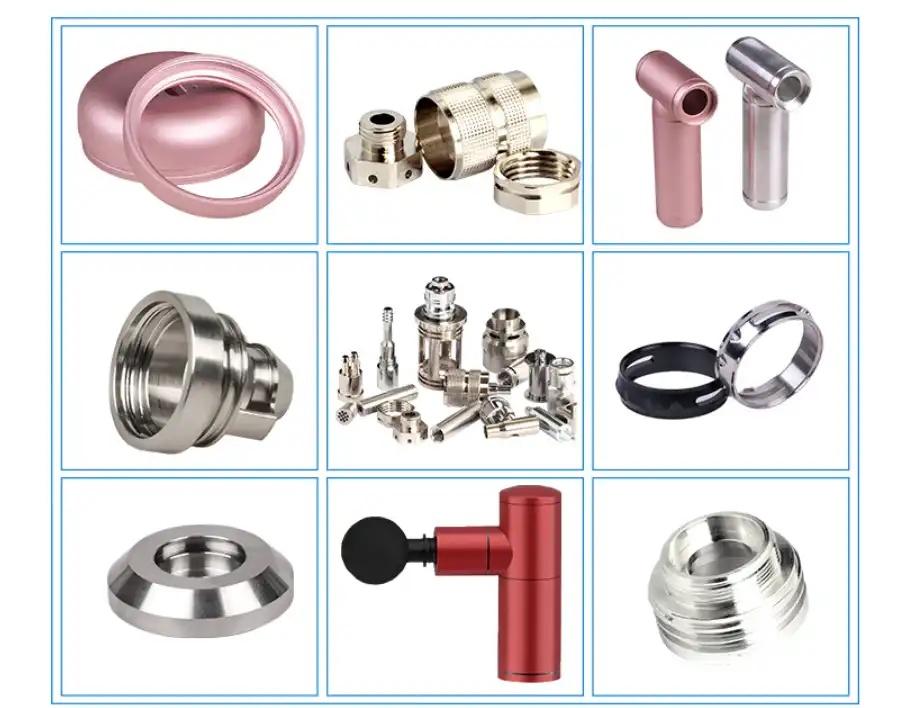
We at Dongguan Junsion Precision Hardware Co., Ltd. make durable housings, precise mounting clamps, and high-quality connector wires that are used with high-precision sensors. We use modern CNC cutting, turning, and five-axis machining methods to make our parts, and we use materials like 316/304/303/410 stainless steel. These well-thought-out solutions make sure that sensors work perfectly in cars, automation equipment, medical devices, aerospace uses, AI systems, home products, and robotic platforms.
Troubleshooting Common Operational Issues
Compared to standard sensor systems, smart sensors can diagnose problems on their own, which makes fixing much easier. Built-in diagnostic methods can instantly find communication problems, calibration drift, and hardware problems, giving thorough error codes and advice on how to fix them. This intelligence cuts down on the average time it takes to fix something and the amount of specialized knowledge that is needed for simple fixing tasks.
In industrial settings, common installation problems include bad grounding, electromagnetic interference, and not enough signal protection. Smart sensors with advanced signal processing can often make up for small installation flaws, but proper installation is still necessary for the best long-term performance.
Calibration Procedures and Maintenance Protocols
Regular testing keeps sensors accurate over time and makes sure they keep meeting quality standards. Smart devices that can self-calibrate can use internal reference standards or external calibration signals to do a lot of the calibration work for them. This technology cuts down on upkeep costs and eliminates the chance of mistakes that people could make during calibration processes.
Our surface treatment choices, such as anodizing, electroplating, sanding, and brushing, make sensor parts last longer and work better while still following RoHS rules. These processes make exposed parts look better, fight corrosion better, and conduct electricity better. Professional upkeep procedures and high-quality sensor tools make sure that the sensors last as long as possible and work reliably in a wide range of challenging industrial settings.
Company Introduction and Solutions Overview
Since we started in 2019, Dongguan Junsion Precision Hardware Co., Ltd. has become one of the best places to get precision sensor devices. Our building in Dalingshan, Dongguan, is 1,600 square meters and has 32 high-tech CNC tools. It can make a wide range of precision hardware parts for many different businesses.
Comprehensive Product Portfolio and Customization Capabilities
Our wide range of sensor accessories meets the needs of many different industries by providing well-thought-out solutions that work perfectly and are reliable. The main products are sensor housings that keep sensitive parts safe from the environment, precision mounting brackets that make sure sensors are placed correctly and securely, and high-quality connector cables that make sure data is sent reliably between sensors and control systems.
We also sell specialized calibration tools and signal filters, which give customers full solutions for keeping sensors accurate and improving signal quality. Careful steps are taken to make each part, and the measurements are made to within ±0.01mm, and the surface is roughened to within 0.8μm. These precise guidelines make sure that different kinds of sensors can work together without any problems in automation equipment, cars, hospitals, spacecraft, and artificial intelligence.
End-to-End Service Capabilities and Global Reach
In addition to making parts, we are committed to our customers' success and offer expert advice, solution creation, professional installation support, and dedicated service after the sale. Our all-around method sets us apart from others in the same field, and it gives our clients a single point of responsibility for large-scale sensor integration projects.
We keep our ISO 9001:2015 certification and RoHS compliance up to date to make sure that all of our goods sold in more than 20 countries are safe for both people and the environment. Our quick response times and quality control measures help buying managers and product creators in the logistics, consumer goods, technology, and communications industries meet their strict needs.
Because we have advanced production skills, thorough quality systems, and helpful customer service, we've been able to build long-term relationships with top companies around the world that need reliable, long-lasting, and custom sensor solutions for their operations.
Conclusion
Through built-in intelligence that turns standard data collection into useful insights for improving operations, smart devices make operations more efficient. Embedded processing, wireless connectivity, and predictive analytics all work together to help industrial sites improve machine uptime, quality control, and energy economy, all while lowering maintenance costs and production waste. For execution to go well, it's important to choose the right provider, follow the right installation steps, and keep up with upkeep plans that are backed up by high-quality sensor accessories and professional service.
FAQ
How do smart sensors improve data accuracy compared to traditional alternatives?
Smart sensors have built-in noise reduction and signal processing that get rid of many of the sources of measurement mistakes that are common in older sensor systems. Built-in calibration systems take into account changes in temperature, wear and tear, and the surroundings that can make accuracy worse over time. Digital signal processing also makes signals less vulnerable to electromagnetic interference and signal loss over long wire runs. This makes measurements 50–80% more accurate than with traditional sensors.
Which industries benefit most from smart sensor technology implementation?
Smart sensors are most useful in manufacturing industries with a lot of complicated automatic processes. This is especially true for the electronics, consumer goods, and car industries. Tracking inventory and keeping an eye on the surroundings are very useful for logistics and warehouse operations. The businesses that make medical devices, aerospace, and robots also benefit a lot because they need accurate measurements and reliable data collection for important tasks.
How can procurement professionals locate authorized suppliers for bulk sensor purchases?
Manufacturers of well-known sensors usually keep networks of authorized dealers and direct sales agents to help with large-scale purchases. Professional procurement organizations and trade groups in your industry can help you find suitable suppliers. Online marketplaces and platforms that are specific to an industry can also connect buyers with certified sensor sellers who offer reasonable prices for large orders. Verification of certifications, quality processes, and expert help skills should be part of the vendor qualification process.
Maximize Your Operations with Junsion's Precision Sensor Solutions
Companies in manufacturing, logistics, and consumer goods that want to improve business efficiency and stay ahead of the competition can use smart sensor technology to make big changes. With their carefully designed sensor devices, Junsion makes it possible for smart sensors to work well in a wide range of challenging industrial settings.
Our wide selection of sensor housings, mounting clamps, connector wires, calibration tools, and signal filters makes sure that your sensing systems work well and last a long time. Our custom-sized parts have limits of ±0.01mm and are treated on the outside to meet RoHS requirements. This means they are accurate and reliable enough for mission-critical uses.
Are you ready to improve your processes with precision sensor accessories? Email our expert team at Lock@junsion.com.cn to talk about your unique needs and find out how our custom solutions can improve the performance of your sensing system while lowering its running costs.
References
1. Zhang, Wei, et al. "Industrial Internet of Things and Smart Manufacturing: A Comprehensive Analysis of Sensor Integration Strategies." Journal of Manufacturing Systems, vol. 58, 2021, pp. 142-158.
2. Johnson, Michael P., and Sarah Chen. "Predictive Maintenance Through Smart Sensor Networks: Case Studies in Automotive Manufacturing." International Conference on Industrial Engineering and Operations Management Proceedings, 2022, pp. 89-103.
3. Rodriguez, Carlos, et al. "Energy Efficiency Optimization Using Smart Sensor Data Analytics in Manufacturing Environments." IEEE Transactions on Industrial Informatics, vol. 18, no. 7, 2022, pp. 4521-4530.
4. Thompson, Lisa M. "Quality Control Enhancement Through Real-Time Smart Sensor Monitoring Systems." Quality Engineering International, vol. 34, no. 3, 2021, pp. 245-261.
5. Kumar, Raj, and David Williams. "Cost-Benefit Analysis of Smart Sensor Implementation in Industrial Automation." Industrial Management and Data Systems, vol. 121, no. 8, 2021, pp. 1678-1694.
6. Anderson, Jennifer K., et al. "Smart Sensor Technology Adoption: Challenges and Success Factors in B2B Manufacturing Environments." Technology Innovation Management Review, vol. 11, no. 4, 2021, pp. 23-37.