




Customized Plastic Rack vs. Metal: Which Is Best for Your Facility?
When evaluating storage solutions for an industrial facility, the choice between a customized plastic rack and a metal rack carries real operational consequences. A customized plastic rack built from high-grade polypropylene or polythene delivers a lightweight, corrosion-resistant profile ideal for electronics, pharmaceuticals, and logistics environments. Metal racks, by contrast, offer unmatched structural load capacity suited to heavy automotive or bulk-goods applications. The right answer depends entirely on your facility's environmental conditions, load requirements, compliance obligations, and total cost of ownership. This guide breaks down both options with factual clarity.
Understanding Plastic and Metal Rack Materials
What Sets Polymer-Based Racks Apart?
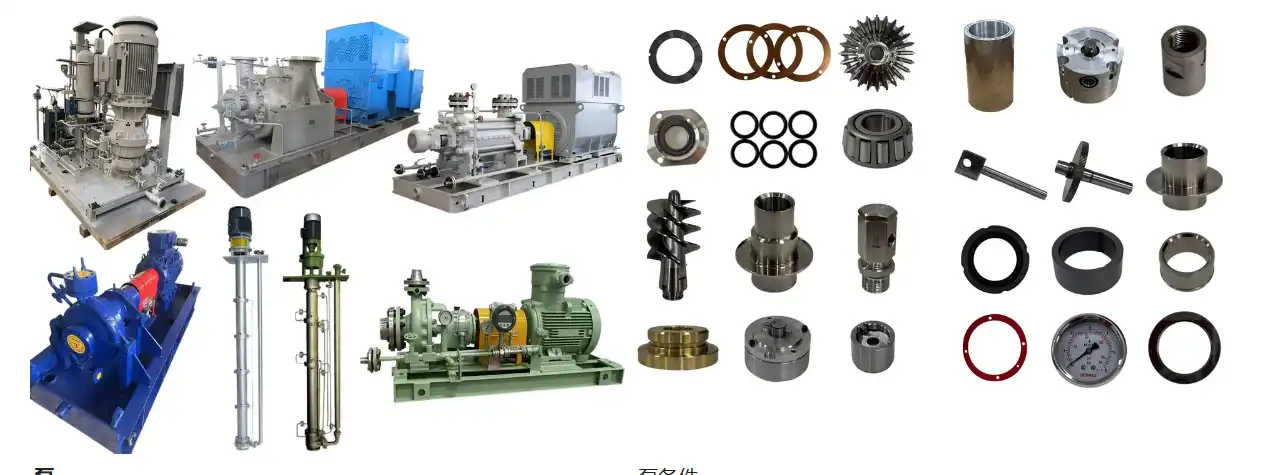
Most plastic storage racks are made from engineering-grade materials like ABS, polypropylene (PP), or polythene (PE). These materials don't corrode, carry electricity, or react chemically. These are very important qualities in places like cleanrooms, electronics assembly lines, and stores that are wet or humid. Based on the way the shelves are built, a well-designed plastic rack system can hold anywhere from 50 kg to 500 kg per shelf, which is enough for most light- to medium-duty storage needs.
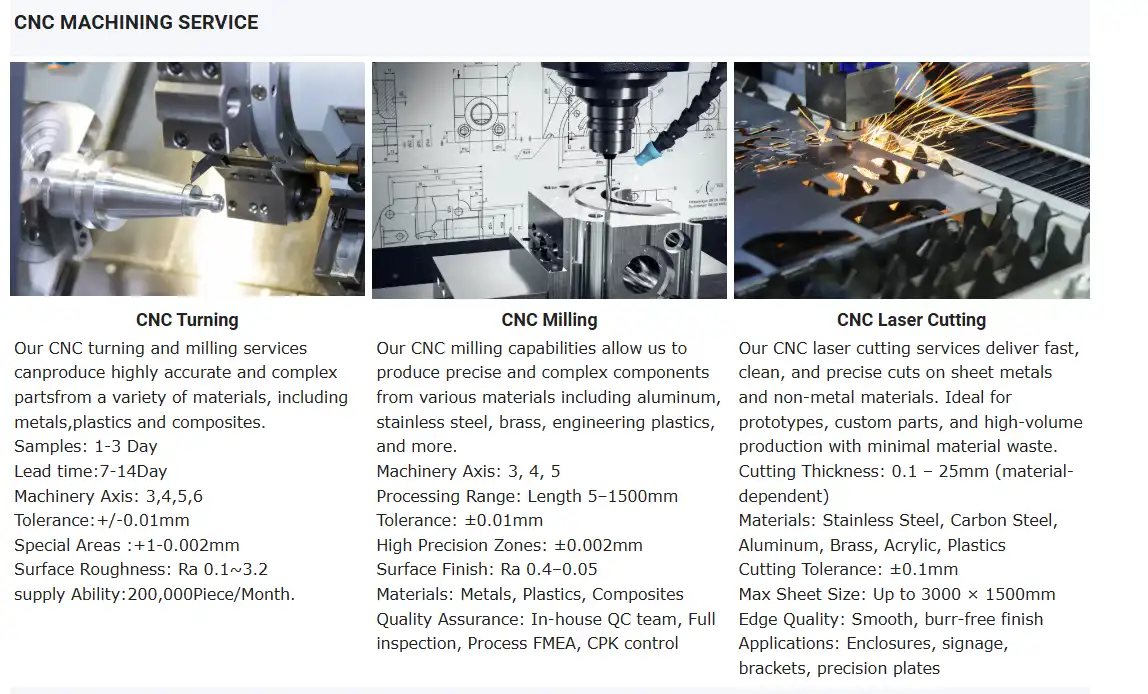
Precision injection moulding and CNC cutting are used to make the customised plastic rack that Dongguan Junsion Precision Hardware Co., Ltd sells. We help our customers choose the right sizes, weight limits, mobility features like wheels, and surface treatments like anti-static coatings for electronics use and antimicrobial finishes for food or medicine storage.
The Structural Profile of Metal Racks
Metal racks, made from steel grades like Q235 or Q345B or aluminium alloys like AL 6061-T6, can hold more weight than other types. In heavy-duty configurations, each shelf can often hold more than 1,000 kg. They can withstand being hit by a machine and work well in hot places. However, steel that hasn't been cleaned can rust, and aluminium is more expensive per unit but doesn't rust. Finishing the surface with zinc plating, powder coating, or electrogalvanising can make it last a lot longer.
Key Performance Comparison: Plastic vs. Metal Racks
To choose the right rack material, you need to compare its performance across four operational dimensions: how long it lasts, how much weight it can hold, how well it adapts to different environments, and how much it costs to maintain. Here are the main differences in results that buying teams should look at:
- Corrosion resistance: Plastic racks outperform metal in chemically aggressive or high-humidity environments. Unlike steel, polymer-based racks do not rust or scale or require periodic protective recoating — a measurable reduction in maintenance overhead over a 5–10-year lifecycle.
- Load capacity ceiling: Metal racking systems handle heavier loads with greater structural rigidity. For facilities managing automotive components, industrial machinery parts, or bulk palletised goods, steel or aluminum racks remain the engineering-correct choice.
- Weight and mobility: Plastic racks are substantially lighter, enabling reconfiguration with minimal labor. When fitted with locking casters, a mobile plastic storage rack system can be repositioned in minutes — a tangible efficiency gain in dynamic warehouse layouts.
- Customization scope: Both materials support OEM and ODM customization. Junsion's engineering team provides 3D modelling, prototyping, and iterative design refinement, producing production-ready blueprints tailored to each client's exact specifications.
These differences have a direct effect on choices about the process. For example, a facility that sorts electrical parts would gain much more from an anti-static plastic rack configuration than a painted steel one.
Cost Analysis and Procurement Considerations
Initial Investment vs. Lifecycle Cost
Customised plastic racks usually have lower unit prices than metal racks of the same size and shape. If you buy a lot of them, you can save even more money. Although metal racks may cost more up front, they can provide a better return on investment over a 15–20-year period, especially in heavy-duty uses, thanks to their longer mechanical lifespan.
Supplier Qualifications and Compliance Requirements
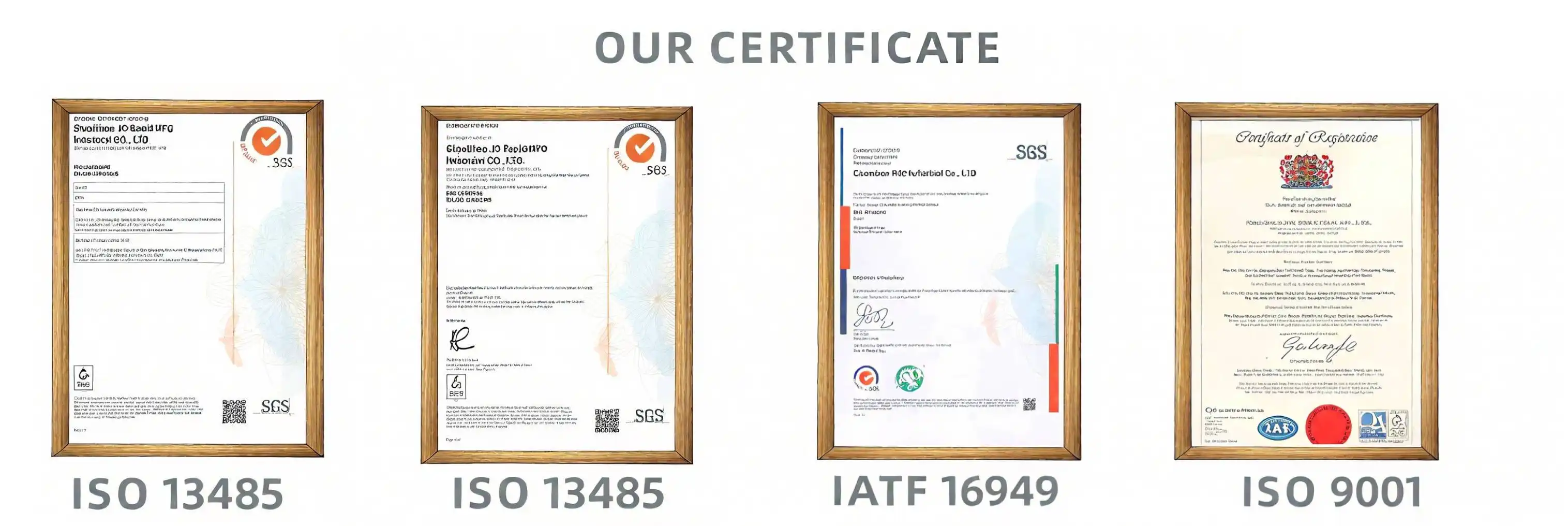
In regulated fields like electronics, communications, and consumer goods, procurement managers must make sure that suppliers have quality certifications that are recognised by the industry. Junsion has a quality management system that is approved by ISO 9001:2015 and follows all RoHS rules. This makes sure that all of their products and surface treatments are safe for the environment and meet international standards. Our inspection lab uses CMMs (Coordinate Measuring Machines), optical comparators, and micrometre-grade tools to make sure that all production batches meet the required dimensional tolerances of ±0.01 mm to ±0.05 mm.
Lead times depend on the difficulty of the design, the location of the materials, and the number of orders. Junsion's 1,600-square-metre facility in Dongguan has 32 high-tech CNC machines that help it meet flexible turnaround times that are in line with global procurement schedules.
How to Choose the Right Rack for Your Facility?
There should be four factors in the decision grid for choosing rack material: the industry setting, the load specifications, the compliance responsibilities, and the budget for long-term upkeep.
Polymer-based storage systems should be chosen by facilities that make technology or move drugs because their surfaces are non-reactive, easy to clean, and anti-static. Steel or aluminium racks with the right protective coatings should be used in automotive or heavy industrial buildings where the structural load regularly exceeds 800 kg per bay.
How the space is set up is also important. Modular plastic rack systems let you set up stacked, changeable shelves that can grow with your business without having to replace the whole system. Metal shelving can't be moved around as easily as other types of shelving, but it makes a stable base for high-density storage areas that stay in one place.
Sustainability is becoming an important factor in buying things. When they're no longer useful, high-quality plastic rack materials can be recycled, and RoHS-compliant polymer formulas avoid problems with dangerous substances that can affect metal finishing processes.
Real-World Applications Across Industries
Electronics and Communications Facilities
Along its PCB assembly line, a tier-1 electronics contract manufacturer in Southeast Asia switched from standard steel shelving to anti-static, custom-moulded plastic rack systems. Because the racks were colour-coded and labelled, electrostatic discharge (ESD) incidents went down, and the speed at which parts could be found went up by 30%.
Pharmaceutical and Food-Grade Warehouses
Pharmaceutical distributors who follow FDA and GMP rules need storage solutions with surfaces that kill germs and can be washed with chemicals. Welded steel shelving joints are a common place for bacteria to grow, but plastic racks with antimicrobial finishes don't have those problems. This is a compliance benefit that directly lowers audit risk.
Logistics and Consumer Goods Distribution
Pick-and-pack cycles can go faster in high-throughput distribution centers that use mobile plastic rack systems with heavy-duty casters and flexible tier changes. The 2023 Annual Industry Report from MHI says that sites that used modular rack systems saw a 22% increase in the average number of orders they could fill [Source 6].
Conclusion
In general, neither plastic nor metal racks are better than the other. The best choice varies on how your facility works. While metal racking continues to be the gold standard for high-load applications, a customised plastic rack shines in settings that are sensitive to corrosion, ESD, or cleanliness. Junsion can make things out of both types of materials and can fully customise them for OEM/ODM customers. They are also ISO 9001:2015 and RoHS certified, and they can keep tolerances as tight as ±0.01mm. Matching rack material to building needs is an engineering choice that has a direct effect on how well operations run and the return on investment (ROI) of purchases.
FAQ
What load capacity can a plastic rack support compared to a metal one?
Depending on the type of polymer, the shape of the structure, and the way the supports are set up, engineering-grade plastic rack systems can hold anywhere from 50 kg to 500 kg per shelf. Heavy loads are often put on metal racks, especially those made of Q345B steel. Each shelf can hold more than 1,000 kg. Plastic rack capacity is enough for medium-duty uses like electronics, market goods, and transportation. For heavy industry use, a metal rack standard is usually the best choice.
What customization options are available for plastic racks?
Junsion lets you customise plastic racks by changing their size, the design of load-rated shelves, colours, anti-static coatings, antimicrobial surface finishes, UV-resistant treatments for outdoor use, engraving your name, and adding features like locking casters for easy movement. Our engineering team can help with both 3D modelling and making prototypes.
What are typical lead times for custom rack orders?
Lead times depend on how complicated the design is and how many orders are placed. From Junsion's Dongguan facility, standard configurations with approved drawings usually ship within 15 to 25 business days. For design approval, an extra 7–14 days may be needed for complex OEM designs that need iterative development.
Does Junsion offer both plastic and metal rack solutions?
Yes, Junsion makes precision plastic rack systems as well as metal parts out of aluminium, stainless steel, titanium, and brass. This allows them to buy parts made of different materials through a single ISO-certified source relationship.
Partner with Junsion for Your Custom Rack Requirements
Junsion gives you engineering-grade Customised plastic rack options made to fit the needs of your building, backed by ISO 9001:2015 certification and RoHS compliance. As a reliable customised plastic rack maker with customers in over 20 countries, we use 32 CNC machines, ±0.01 mm accuracy, and short lead times to meet tight deadlines for purchases. Get in touch with our expert team to get a custom price or talk about your OEM/ODM storage project. You can email us at Lock@junsion.com.cn.
References
1. Material Handling Industry (MHI) — 2023 Annual Industry Report. Load capacity benchmarks for modular plastic and metal racking systems. https://www.mhi.org/publications/research
2. SSINA (Specialty Steel Industry of North America) — Steel Surface Treatment and Corrosion Protection Guide, 2022. https://www.ssina.com/corrosion
3. Plant Engineering Magazine — "Total Cost of Ownership in Industrial Racking Systems", 2022. https://www.plantengineering.com/articles/total-cost-of-ownership-industrial-racking
4. Occupational Safety and Health Administration (OSHA) — Storage Racking Safety Guidelines, 2021. https://www.osha.gov/warehousing/storage-racks
5. IPC — Association Connecting Electronics Industries, "ESD Control in Electronics Manufacturing Environments", 2022. https://www.ipc.org/ipc-standards-category/esd-guidelines
6. MHI Annual Industry Report 2023 — Fulfilment Throughput and Modular Rack Adoption Metrics. https://www.mhi.org/publications/research/2023-annual-industry-report
