




Dowel Pin Buying Guide: Materials & Applications
For procurement managers and experts working in the electronics, communications, and consumer goods industries, Dowel Pin selection is a crucial choice. These precisely aligned parts have a direct effect on the accuracy of the assembly, the dependability of the product, and the speed of production. Knowing the features of the material, what it needs to be used for, and the quality standards helps make sure that it works well and that expensive mistakes don't happen during assembly. This complete guide gives B2B workers the tools they need to make smart buying choices that meet strict safety standards and meet the needs of custom manufacturing.
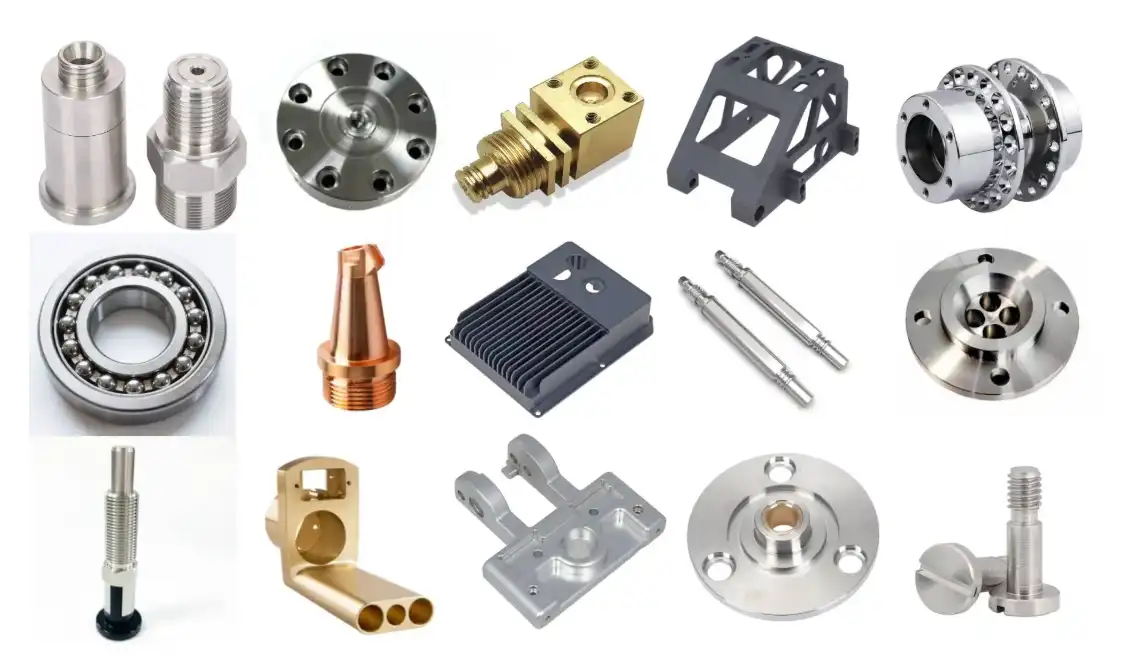
Understanding Dowel Pins: Types, Materials & Standards
Dowel pins are precision locating tools that make sure that industrial parts are properly positioned and lined up. These cylinder-shaped screws make consistent reference points between parts, which gets rid of placement mistakes that hurt the quality of the product and slow down the assembly process.
Essential Dowel Pin Types and Their Applications
Manufacturers come across a number of different dowel pin designs, each designed to meet specific performance needs. Solid dowel pins are perfect for big machinery and building systems because they are very strong and accurate when used with heavy loads. Spring pins allow for controlled compression and faster fitting. They can adapt to small differences in size without affecting the accuracy of the alignment. The split design of roll pins lets them expand and contract with temperature changes, which is especially useful in uses that need to be sensitive to temperature changes.
The makeup of a material has a big effect on its performance and how well it works in a certain situation. For precision fixing tasks, these are the main types of materials that can be used:
- Dowel pins made of stainless steel don't rust and stay the same size even in tough conditions, making them perfect for use in food processing, medical devices, and naval settings.
- Carbon steel types offer better strength-to-cost ratios and hardness ratings of up to 60 HRC, making them perfect for heavy industry and car uses.
- Aluminum metal options: offer lightweight solutions with great machinability, which is often needed in electronics and aircraft manufacturing
- Compositions made of brass: These are good for electrical parts and artistic hardware because they resist corrosion and carry electricity well.
- Engineered plastics: allow non-magnetic and chemical-resistant uses while lowering the weight of parts
These choices of materials meet a range of operating needs while still keeping the tight tolerances needed for modern manufacturing processes. Each choice has its own benefits that depend on the needs of the business and the surrounding situations.
International Standards and Precision Requirements
To make sure that dowel pins work the same way everywhere, ISO and ANSI standards set the sizes, limits, and materials that can be used. ISO 8734 sets the standards for metric sizes, and ANSI B18.8.2 sets the standards for imperial sizes that are widely used in the North American industry. When procurement workers know about these standards, they can choose parts that fit in perfectly with current assemblies and meet foreign quality standards.
There are different types of tolerances, from normal commercial grades to precision ground choices that can have tolerances as small as ±0.001 inches. Surface roughness needs are usually between Ra 0.4μm and Ra 0.8μm, but can be different based on the application and the requirements of the mating component.
How to Select the Right Dowel Pin for Your Application?
To choose the right dowel pins, you need to carefully look at the technical needs, the surroundings, and the limitations of the assembly. This methodical approach makes sure that each part works at its best and that problems with assembly don't happen before they should.
Performance Criteria and Material Properties
The choice of material and the heat treatment methods have a big impact on mechanical performance. Dowel pins made of hardened steel can withstand tensile forces of more than 150,000 PSI and still stay the same size under high stress. When there are lateral loads, shear strength estimates are very important because the pin diameter and material qualities directly affect the load capacity.
Environmental factors have a big effect on choices about what materials to use. Temperature shifting changes the security of dimensions, especially in situations where temperatures are changing a lot. Corrosive settings need stainless steel or materials that have been carefully coated to keep them from breaking down and keep their long-term performance. Chemical compatibility tests make sure that materials can handle certain poisons that are used in real-world situations.
Installation Considerations and Design Guidelines
Hole preparation that is done right ensures that the component will fit and work well for its entire life. Reamed holes have a better surface finish and are more accurate in terms of size and shape than drilled holes, which is especially important for precision uses. Most interference fits are between 0.0002 and 0.0008 inches, which ensures a solid fit without requiring too much fitting force.
Installation forces must match up with the skills of the production team and the requirements of the parts. Press-fit installs need to be done with controlled force so that the parts don't get damaged and the holding strength is kept at a good level. Chamfered hole openings make installation easier and keep edges from getting damaged while the parts are being put together.
Comparison of Dowels: Making Informed Procurement Decisions
When purchasing, workers know the differences between the different types of dowel pins, and they can better match the part's specs with the needs of the application. Within this comparison, we look at how well different types of dowel pins work, how much they cost, and how they need to be installed.
Material Performance Comparisons
Stainless steel dowel pins last longer, even though they cost more at first. They work best in corrosive settings and food-grade uses. It is very hard for rust to happen to austenitic stainless steel grades, but they are still strong enough for most uses. Other materials besides carbon steel are very strong and don't cost as much, so they can be used in large quantities where rust protection is not important.
When used in electrical applications, brass dowel pins are very useful because they are good at conducting electricity and don't rust in normal conditions. They can be machined into complicated shapes and with very tight tolerances, but their strength limits their use in high-stress situations.
Cost-Performance Analysis
Material choices are affected by cost, especially in places where a lot of things are made. Dowel pins made of carbon steel usually cost 30–50% less than similar parts made of stainless steel. This makes them a good choice for situations where cost is important. Lifecycle costs, on the other hand, must include possible replacement costs and upkeep needs when figuring out the total value.
Custom dowel pin solutions may be worth the extra cost if they improve performance, cut down on assembly time, or make the product more reliable. Precision grinding and special surface processes are useful in situations where precision is very important or where the product needs to last a long time.
Where and How to Buy Dowel Pins: Procurement Tips for B2B Clients?
A good buying strategy strikes a mix between quality standards and cost goals, all while making sure that the supply chain works reliably. This method needs careful review of suppliers and strategic buying methods that match the needs of operations.
Supplier Evaluation and Quality Assurance
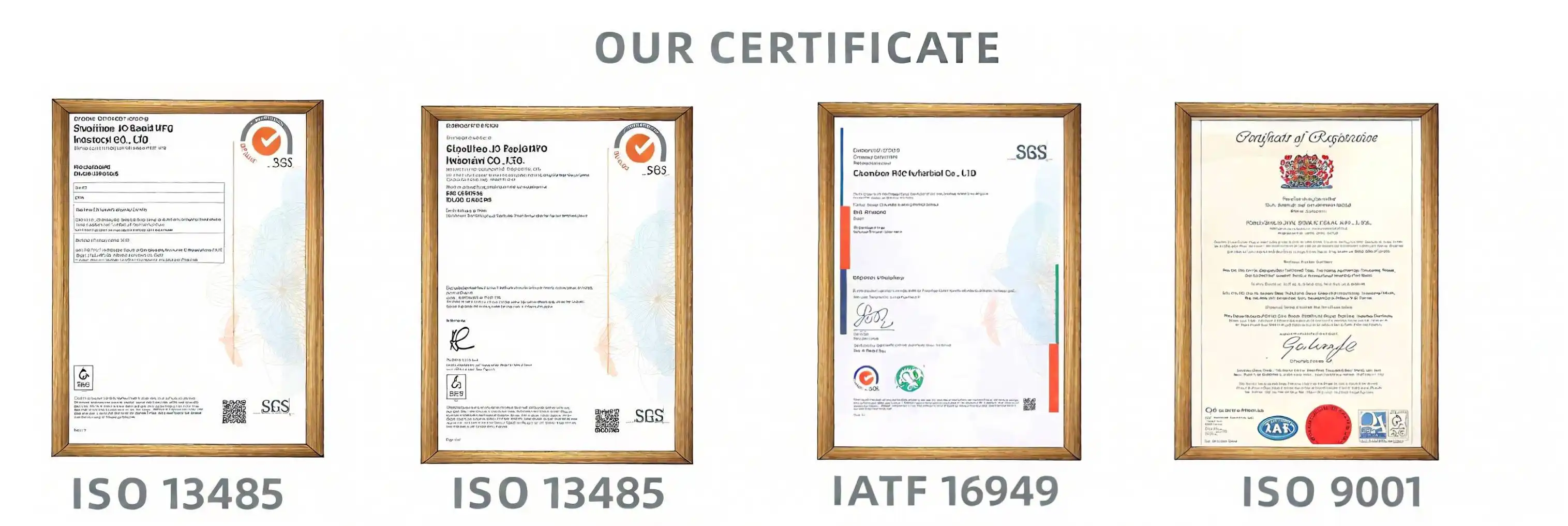
Reputable producers keep their ISO 9001:2015 approval and use statistical process control to show that their quality performance is always the same. Material approvals, dimensional inspection reports, and traceability records that support compliance standards should all be part of quality paperwork. RoHS compliance is needed for many electrical uses, and suppliers have to show that their materials are safe for the climate and that they follow the rules.
In addition to basic manufacturing, suppliers can also offer engineering help, custom solutions, and technical advice services. Advanced CNC cutting lets you make parts with tight specs and complicated shapes, and EDM processing is useful for specific tasks that need special shapes.
Procurement Strategies and Volume Considerations
When you buy in bulk, you usually save a lot of money and make sure you have enough goods for your business needs. Volume discounts usually run from 10-30% based on order numbers and supplier relationships. To get the best total cost of ownership, you need to balance the costs of keeping goods with the savings from buying things.
Custom manufacturing lets you make products that are exactly what you need for a given purpose. Junsion Precision Hardware Co., Ltd. makes precise hardware parts with tolerances of up to ±0.01mm. They work with many industries, such as electronics, communications, and consumer goods. Because we use cutting-edge CNC machines and are dedicated to quality control, procurement workers who need reliable, high-performance dowel pin solutions know they can count on us.
Conclusion
This detailed guide tells buying workers everything they need to know to choose the right dowel pins based on the properties of the material and the needs of the application. When you know the differences between solid, spring, and roll pin types and how to choose the right material, you can make smart buying choices that improve performance and save money. Strategic buying practices and good relationships with suppliers make sure that there is a steady supply of parts while upholding the high standards of accuracy needed for modern production.
FAQ
What material should I choose for my dowel pin application?
The choice of material is based on the surroundings, the needs of the machine, and the cost. When used in harsh settings, stainless steel is better at resisting rust than carbon steel. For everyday uses, carbon steel is stronger. Brass is good for electrical uses that need it to carry electricity, and aluminum alloy is good for aerospace uses that need lightweight options.
How do I determine the correct dowel pin tolerance for my application?
Tolerance needs rely on how precise the assembly needs to be and the specs of the parts that go with it. Most industrial tolerances are between ±0.002 and ±0.005 inches. Precision-ground dowel pins, on the other hand, can have tolerances as low as ±0.001 inches. When setting precision levels, you should think about how the total tolerance stacks up and what the functional needs are.
Can dowel pins be reused after disassembly?
Reusability relies on how the item was installed, its properties, and its state. When press-fit dowel pins are taken out, the surface may get damaged, which can change how accurate the measurements are. Before using, check the parts for damage to the surface, wear, or warping. Most of the time, spring pins can handle more setups than solid dowel pins.
Junsion: Your Trusted Dowel Pin Manufacturer and Custom Solutions Provider
If you need precision dowel pins or unique hardware options, Dongguan Junsion Precision Hardware Co., Ltd. is the company to talk to. With our advanced CNC cutting, we can make parts with surface roughness ≤ 0.8μm and margins of up to ±0.01mm. These parts meet the high standards needed by the electronics, communications, and consumer goods industries. We make dowel pins from 45 steel, stainless steel, aluminum alloy, brass, and customized plastics, among other materials. The surfaces are treated in a variety of ways, such as by anodizing, electroplating, and applying special finishes. Our building is ISO 9001:2015 approved, which means that it always meets RoHS standards for global markets. Get in touch with our dowel pin supply team at Lock@junsion.com.cn to talk about your specific needs and get reasonable prices for precision hardware parts that are made to fit your needs.
References
1. Smith, J. Manufacturing Fasteners: A Complete Guide to Industrial Hardware Selection. Industrial Press, 2022.
2. Anderson, M. Precision Assembly Techniques in Modern Manufacturing. McGraw-Hill Professional, 2021.
3. Johnson, R. Materials Engineering for Mechanical Fasteners. ASM International, 2023.
4. Williams, D. Quality Standards and Tolerances in Precision Manufacturing. ASME Press, 2022.
5. Brown, K. Corrosion Resistance in Industrial Hardware Applications. NACE International, 2021.
6. Davis, L. Cost-Effective Procurement Strategies for Manufacturing Components. Supply Chain Management Review, 2023.