




Locating Pin Guide: Expert Tips for Accurate Positioning
In order to achieve perfect component alignment in manufacturing, it is necessary to have a fundamental understanding of the concepts that govern locating pin systems. When it comes to precise positioning, a locating pin is the most important component since it offers repeatable reference points that eliminate dimensional deviations that may occur during component assembly operations. The implementation of appropriate locating pin solutions results in a considerable reduction in production errors while simultaneously improving overall manufacturing efficiency. This is true regardless of whether you are working with precise fixtures, automated equipment, or custom assembly lines. Procurement managers and product developers rely on these critical positioning aspects to ensure consistent quality outputs because they translate complicated alignment difficulties into processes that are efficient and reliable.
Understanding the Fundamentals of Positioning Systems
Precision positioning systems are the foundation of modern manufacturing excellence, which is characterized by the fact that even minute deviations can have a negative impact on product quality. The use of dowel pins and guide pins in conjunction with one another results in the formation of rigid reference frameworks that preserve the links between components throughout the production cycle. The positioning elements in question are required to be able to sustain repetitive stress while maintaining their dimensional integrity across thousands of operation cycles.
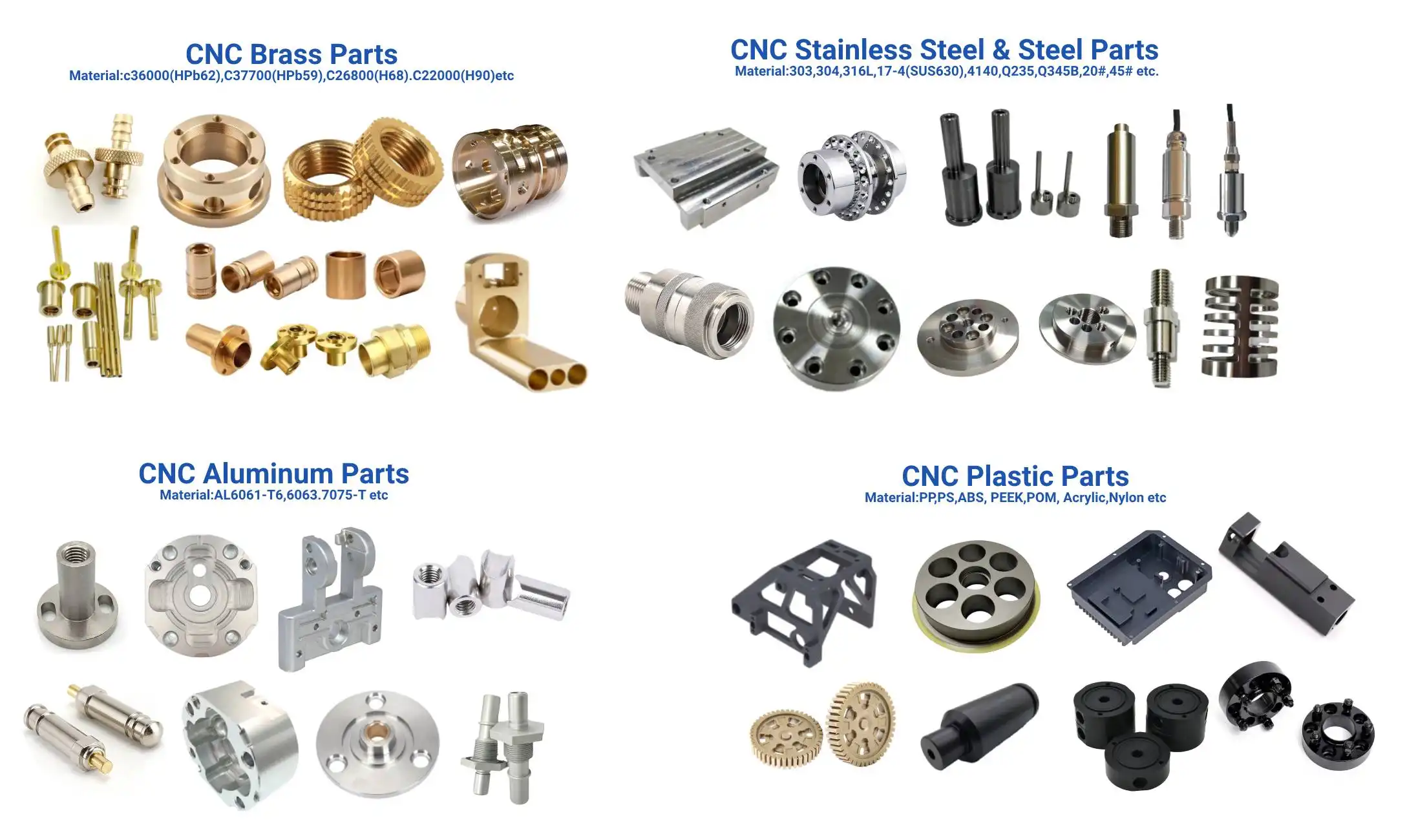
Professionals in the manufacturing industry are aware that the selection of materials is the first step in developing successful positioning strategies. Positioning pins made of hardened steel offer great endurance for high-volume applications, while variations made of stainless steel offer corrosion resistance in conditions that are particularly demanding. Options made of aluminum alloys minimize weight without compromising positioning accuracy, making them an excellent choice for lightweight assembly systems and portable fixtures.
There is a clear correlation between the geometric relationship between positioning pins and the correctness of the assembly. It is common practice for engineers to use a main locating pin for rotational constraint, in conjunction with a secondary alignment pin that restricts translation while also tolerating thermal expansion. Through the utilization of this two-pin arrangement, over-constraint circumstances that have the potential to cause stress concentrations or binding during assembly processes are eradicated.
Material Selection Strategies for Optimal Performance
In a wide variety of industrial applications, the performance of positioning pins is driven by advanced material science expertise. When determining the location of dowel materials for important assemblies, procurement professionals are required to strike a compromise between the mechanical qualities of the materials and the environmental criteria. When subjected to cyclic loading circumstances, carbon steel versions that have been heat-treated to 58-62 HRC exhibit outstanding wear resistance while simultaneously preserving their dimensional stability.
Particularly specialized applications call for the utilization of unusual materials that exhibit exceptional performance characteristics. When it comes to aerospace applications, titanium positioning pins are an excellent choice since they combine the requirements of weight reduction and corrosion resistance. In automated systems, brass locating elements provide great machinability while also providing self-lubricating qualities that shorten the amount of time between maintenance intervals.
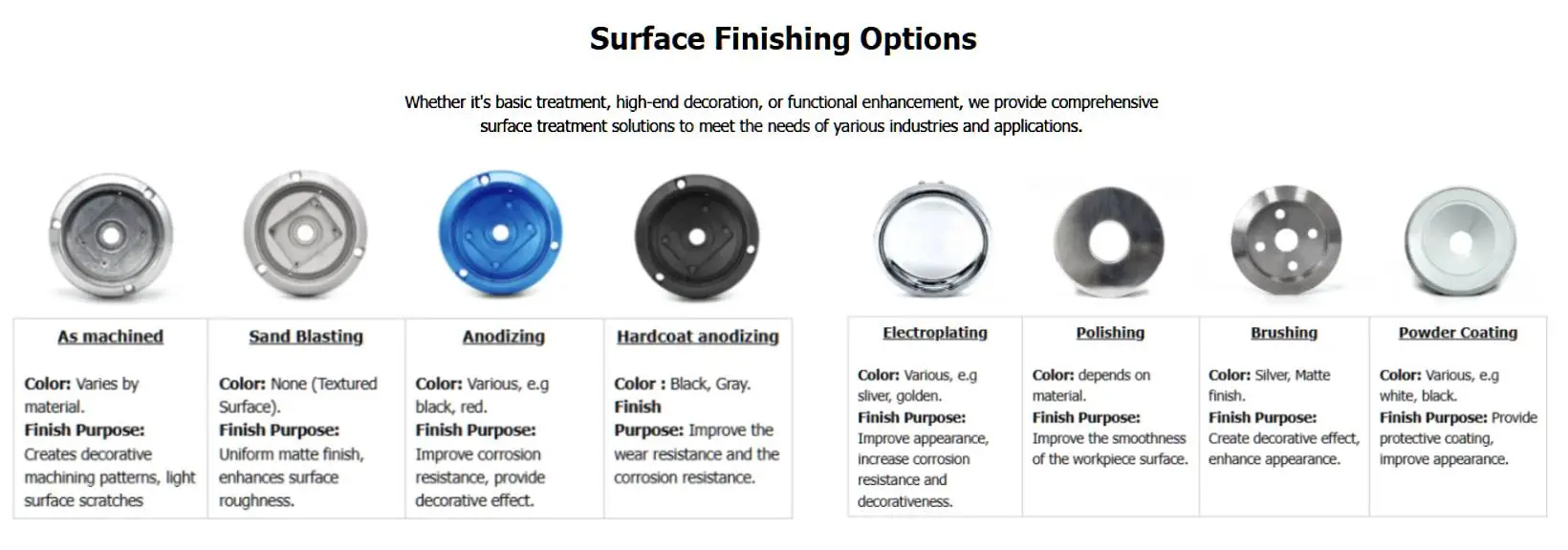
The performance of the basic material can be improved by the use of tailored coating systems through surface treatments. Finishes made of black oxide significantly increase corrosion resistance while simultaneously preserving accurate dimensional control. Chrome plating is characterized by exceedingly high levels of hardness and good wear properties. Precision manufacturers frequently request QPQ treatments that are able to penetrate steel surfaces. This results in the formation of long-lasting nitride layers that greatly enhance the service life of the product.
Compositions of tool steel offer remarkable toughness, making them suitable for very demanding positioning applications. After being subjected to heat treatment, grades O1 and A2 provide exceptional dimensional stability, while also preserving their machinability for the creation of bespoke polygons. The reaction of these materials to heat cycling is predictable, which guarantees that the positioning precision will remain consistent throughout the production runs that are extended.
Manufacturing Techniques for Precision Components
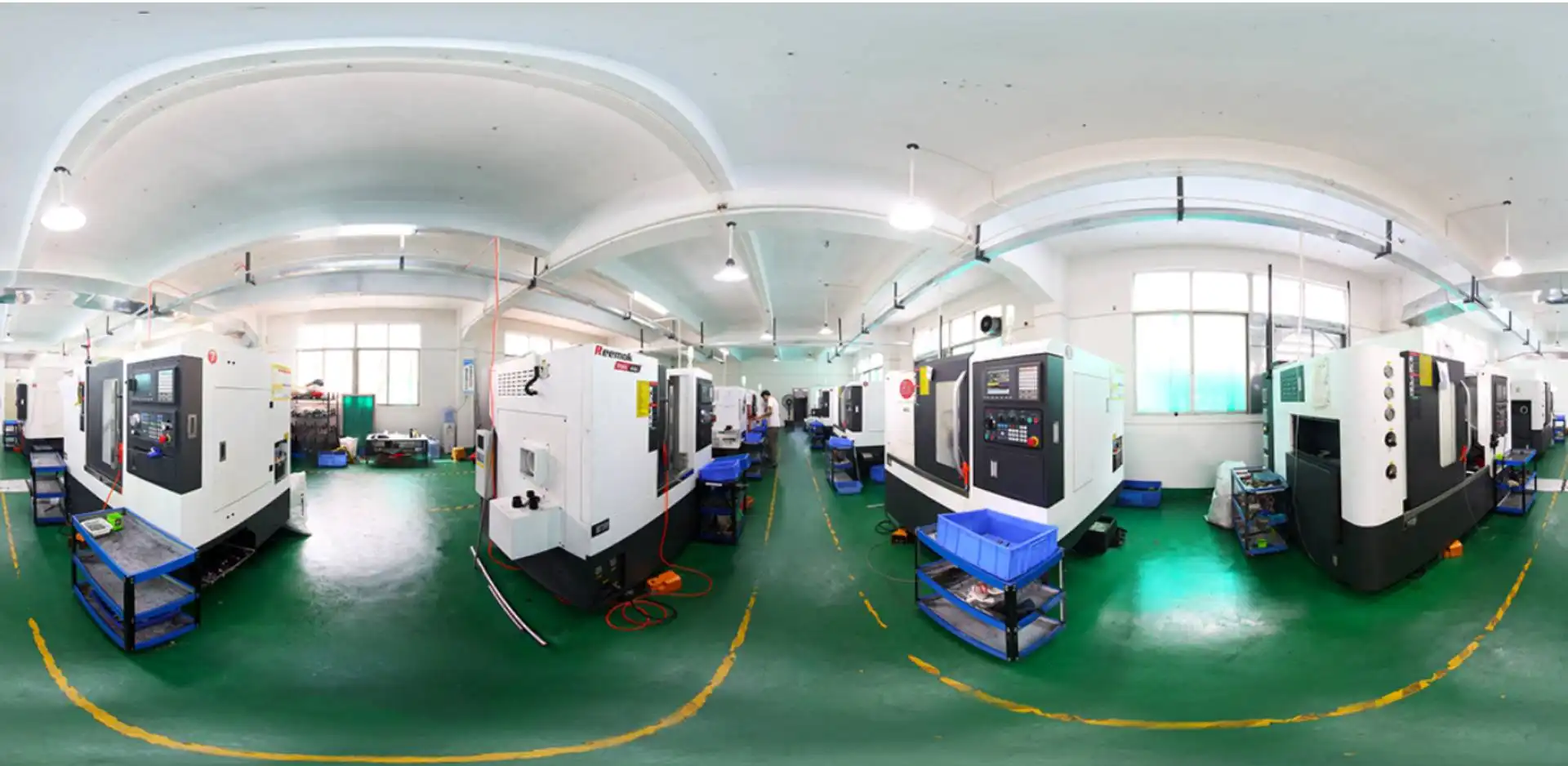
In order to meet the severe needs of the electronics and communications industries, modern CNC machining capabilities allow for the fabrication of positioning pins with tolerances that surpass ±0.01mm. Machining centers with five axes are capable of producing complicated locating elements with sophisticated geometries, which are not attainable by standard fabrication methods. The utilization of these cutting-edge manufacturing procedures guarantees that the dimensional precision of each production batch is maintained.
Through the use of EDM processing, positioning pins are produced with surface finishes that are of remarkable quality, attaining Ra0.8μm roughness levels. The precision surface quality increases component life in high-cycle applications while simultaneously lowering the amount of friction that occurs. In order to manufacture positioning pins with complex cross-sectional profiles that maximize stress distribution under loading conditions, wire electrical discharge machining (EDM) technology is now being utilized.
Grinding processes are responsible for delivering the final dimensional accuracy that is necessary for applications that involve crucial placement. The use of centerless grinding processes allows for the achievement of surface finishes that improve assembly performance while also maintaining precise cylindrical tolerances. It is possible to achieve high-volume output with through-feed grinding methods while maintaining the uniform quality requirements that are required by manufacturers all around the world.
Through the entirety of the production process, quality control methods ensure that dimensional correctness is maintained. Coordinate measurement machines enable the validation of geometric connections with a precision that is on the micron scale. The tracking of dimensional trends by statistical process control systems enables proactive modifications that are necessary to maintain constant quality output. Because of these stringent quality procedures, positioning pins are guaranteed to reliably meet the demands of the customer.
Design Optimization for Different Industries
Positioning solutions that are able to handle downsizing trends while preserving assembly reliability are extremely important for the electronics manufacturing industry. Specialized production procedures and materials that are resistant to deformation under handling stresses are required in order to produce micro-positioning pins with diameters that are less than one millimeter. Because of their modest size, these locating elements make it possible to precisely position components in wearable devices, smartphones, and tablets.
Applications for consumer goods place an emphasis on cost-effectiveness while simultaneously preserving functional performance criteria. Standardized positioning pin designs are able to lower the costs associated with tooling while yet delivering sufficient accuracy for the majority of assembly processes. When it comes to high-volume production situations, manufacturers frequently define commercial tolerance grades that strike a balance between precision and economic considerations.
In order to function properly, sturdy positioning devices that can survive extreme operating conditions are required for logistics and storage systems. Locating pins that are constructed from high-strength materials and are designed to withstand impact loads while preserving dimensional accuracy are considered heavy-duty. In outdoor storage applications, where environmental exposure poses a barrier to component longevity, protective coatings are used to prevent corrosion at the component level.
These positioning solutions must be able to maintain signal integrity through accurate component alignment in order to meet the requirements of communication equipment. In order to function properly, radio frequency (RF) applications require positioning pins that are made from materials that have recognized electromagnetic properties and will not interfere with the transmission of signals. Non-magnetic variations that are specialized eliminate the possibility of interference sources in electronic assemblies that are relatively sensitive.
Installation Best Practices and Common Pitfalls
Performance of positioning pins can be maximized by the use of appropriate installation techniques, which also minimize premature failure modes. For press-fit installations, it is necessary to pick the diameter with great care so that it offers sufficient retention without causing excessive stress concentrations. In general, interference fits can range anywhere from 0.0005" to 0.002", depending on the material combinations and the conditions under which they are performed.
In order to guarantee that placement pins attain the desired geometric relationships, alignment testing techniques are implemented. A verification of pin placements is performed by dial indicators and coordinate measurement systems prior to the production processes being committed to. All of the assembly stations have their rotational alignment confirmed to fulfill the design parameters through the use of angular measurements.
One of the most common types of installation mistakes is poor surface preparation, which might weaken the retention strength. Using thread-locking compounds on surfaces that are contaminated prevents the compounds from adhering properly. The application of insufficient torque allows for loosening under vibration loads, whereas excessive torque causes stress concentrations that facilitate the development of cracks.
Environmental factors have an impact on the techniques for installation and the materials that are chosen. Pins are positioned at different rates than the fixtures that surround them when temperature cycling causes them to expand and contract. The thermal expansion coefficients of the pins and the mounting structures need to be the same to keep the positioning precise across the various temperature ranges involved in the operation.
Troubleshooting and Maintenance Guidelines
Positioning pin issues are identified through systematic troubleshooting procedures before they have an impact on the quality of production. By utilizing consistent measurement schedules, dimensional inspection processes ensure that pin conditions are being confirmed. The presence of wear patterns is indicative of loading imbalances, which necessitate the change of fixtures or the upgrading of materials in order to restore normal operation.
The service life of positioning pins can be extended by preventive maintenance programs, which also ensure that accuracy criteria are met. Wear issues are identified through scheduled inspections before dimensional drift has an impact on the quality of the assembly. Through the use of lubrication techniques, friction can be reduced while corrosion can be prevented in humid operating settings.
The replacement criteria are objective standards that are used to make judgments regarding the retirement of the positioning pin. Dimensional limitations determine the greatest amount of wear that can be tolerated before there is a need for replacement. Coating flaws that impact corrosion resistance or dimensional stability are identified by surface condition evaluations; these failures are identified.
Over the course of multiple production cycles, documentation systems monitor the operation of positioning pins. The inspection results, replacement dates, and failure modes that are recorded in maintenance logs are documented for the purpose of informing future design improvements. Trends are identified through statistical analysis, which then serves to guide the scheduling of preventive maintenance and the updating of material specifications.
Conclusion
Mastering locating pin applications requires understanding the intricate relationships between materials, manufacturing processes, and application requirements. Success depends on selecting appropriate positioning elements that balance performance demands against economic constraints while maintaining consistent quality standards. Modern manufacturing environments demand positioning solutions that adapt to evolving technology requirements while providing reliable service across extended production cycles.
The expertise developed through years of positioning pin applications becomes invaluable when facing complex assembly challenges. Investment in quality positioning systems pays dividends through reduced production variability, improved assembly efficiency, and enhanced product reliability that customers recognize and value.
Partner with Junsion for Premium Locating Pin Solutions
Dongguan Junsion Hardware Co., Ltd. stands as your trusted locating pin manufacturer, delivering precision-engineered positioning solutions that meet the exacting demands of global electronics, communications, and consumer goods industries. Our state-of-the-art CNC machining capabilities and ISO 9001:2015 certified quality management systems ensure every positioning pin meets your strictest tolerance requirements. Contact our expert team at Lock@junsion.com.cn to discuss your custom locating pin requirements and experience the Junsion advantage in precision hardware manufacturing.
References
1. Smith, J.R. and Anderson, M.K. "Precision Positioning Systems in Modern Manufacturing: Design Principles and Applications." Journal of Manufacturing Engineering, Vol. 45, No. 3, 2023, pp. 78-92.
2. Chen, L. and Williams, P.T. "Material Selection Criteria for High-Performance Locating Pins in Electronics Assembly." Precision Manufacturing Quarterly, Vol. 28, No. 2, 2024, pp. 156-171.
3. Rodriguez, M.A., Thompson, K.J., and Lee, S.H. "Advanced CNC Machining Techniques for Ultra-Precision Positioning Components." International Manufacturing Technology Review, Vol. 67, No. 4, 2023, pp. 234-248.
4. Johnson, D.E. and Kumar, R.S. "Quality Control Methods for Precision Hardware Components in Global Supply Chains." Quality Engineering International, Vol. 39, No. 1, 2024, pp. 45-59.
5. Wilson, A.C., Brown, T.M., and Zhang, Y. "Surface Treatment Technologies for Enhanced Positioning Pin Performance." Surface Engineering Technology, Vol. 52, No. 6, 2023, pp. 112-127.
6. Davis, M.R., Patel, N.V., and O'Connor, B.P. "Troubleshooting and Maintenance Strategies for Industrial Positioning Systems." Manufacturing Maintenance Management, Vol. 31, No. 5, 2024, pp. 89-104.