




Dowel Pin Trends in Manufacturing for 2026
As 2026 draws near, Dowel Pin technology is still changing at a speed that has never been seen before. This is due to innovations in Industry 4.0 and higher standards for precision. Manufacturing workers see amazing progress in composite materials, automatic installation systems, and smart diagnostic features that change the way these important fastening parts work in a wide range of industrial settings. Precision specs have now reached ±0.01mm standards, and new coating technologies make things much more resistant to rust and make them last a lot longer. Because of these big steps forward in technology, dowel pins will be essential for making the industry more efficient and reliable in the future.
Emerging Paradigms in Dowel Pin Technology
As makers adopt new materials and production methods, the environment of precise fastening components changes in significant ways. Composite materials that are more advanced now compete with steel and aluminum because they are stronger for their weight and better at resisting chemicals.
Revolutionary Material Innovations
These days, making dowel pins uses cutting-edge material sciences that solve problems that have been around for a long time. When compared to traditional steel options, carbon fiber-reinforced plastics offer better dimensional stability and lower total assembly weight by up to 40%. These new ideas are especially useful in aerospace and automotive uses, where lowering weight directly leads to better speed and fuel economy. Ceramic-metal hybrid dowel pins are another big step forward. They combine the toughness of metals with the stiffness of ceramics. Being able to withstand high temperature changes from -60°C to 200°C and still maintaining their structural integrity makes these hybrid solutions perfect for use in electronics manufacturing and precision instruments.
Industry 4.0 Integration and Smart Manufacturing
The way producers make dowel pins and check their quality is changing because of automation technologies. Tolerances of ±0.005mm can now be regularly reached by computer numerical control (CNC) tools that are equipped with artificial intelligence algorithms. This is much better than what traditional manufacturing methods can do by large amounts. Real-time tracking systems keep an eye on the accuracy of dimensions throughout the whole production process. This lets changes be made right away, which gets rid of broken parts before they reach the assembly lines. Smart troubleshooting features built into dowel pin kits give you a whole new level of information about how well they're working. Micro-sensors send data directly to maintenance management systems about stress distribution, changes in temperature, and wear trends. This proactive method cuts down on unexpected machine breakdowns by up to 60% and makes the best use of resources and maintenance schedules.
Updated International Standards and Compliance
Regulatory systems are always changing to keep up with new technologies and environmental concerns. The ISO 8734:2024 standard adds better ways to test composite dowel pins, and the DIN 6325:2025 standard creates new rules for smart-enabled fixing components. These guidelines encourage environmentally friendly ways of making things while also making sure that quality is uniform across global supply chains. RoHS compliance standards are growing to include more restricted substances. This forces producers to use production methods and materials that are better for the environment. Surface treatments without lead and composite materials that can be recycled are becoming normal in the industry, which is in line with environmental laws and business sustainability goals.
Comprehensive Guide to Dowel Pin Types, Materials, and Applications
When procurement workers know about all the different choices that are out there, they can make smart choices that improve performance and cut costs in a variety of factory settings.
Critical Design Distinctions and Specifications
Solid dowel pins are still the best choice for jobs that need the most power and longevity. Their even design spreads loads out evenly and makes them very resistant to shear forces and axial compression. Hollow versions are better because they reduce weight and make it easier for pneumatic or hydraulic systems to work in automatic production equipment. Metric measurements are used most of the time in global markets, and are governed by ISO 2338 norms. Diameters range from 1.5 mm to 50 mm, which makes them useful for a wide range of uses, from microelectronics to putting together big machinery. Imperial measures are still used in North American markets, especially in the defense and aircraft industries, where old systems need fastening solutions that work with them. The ability to make custom sizes meets specific needs that normal sizes can't meet. Modern industrial methods make it possible to make shapes with complicated forms, non-standard lengths, and tapered shapes that meet the needs of specific applications.
Material Selection and Performance Characteristics
Here are the main types of materials that can be used for current dowel pins:
- 45 steel is easy to machine and doesn't cost much for general-purpose uses. With the right heat treatment, it can have a tensile strength of up to 600 MPa.
- Stainless steel is very good at resisting rust and keeping its mechanical qualities at temperatures from -196°C to 400°C.
- Aluminum alloy is 65% lighter while still being strong enough for non-critical uses.
- Brass is very good at conducting electricity and doesn't rust, so it's great for naval and electrical uses.
- Advanced plastics: offer chemical protection and electrical insulation while lowering the weight of the system by a large amount
These properties of the material have a direct effect on how well it works in a variety of industrial settings. Stainless steel types work best in pharmaceutical and food processing settings where cleanliness is very important. On the other hand, aluminum alloys work great for portable equipment and aircraft parts where design goals include reducing weight.
Industry-Specific Applications and Use Cases
Precision dowel pins are used a lot in electronics manufacturing to line up assembly fixtures and place components correctly. With tolerances of ±0.01mm, circuit boards and semiconductor devices are placed correctly during automatic assembly processes. Anti-static plastics keep their shape even when they are heated and cooled many times. They also protect against damage from electrical discharge. Dowel pins used in automotive applications need to be able to handle vibration, high temperatures, and chemical contact. High-strength steel types with special surface treatments don't rust when exposed to road salt and car fluids, and they keep their structural integrity for vehicle lifetimes of more than 200,000 miles. Custom-sized dowel pins are used in the making of consumer goods for machinery that puts together furniture, builds appliances, and packages goods. To get the best value for money, people choose standard steel types with the right surface processes. This balances the need for performance with the need to stay competitive on price.
How to Choose the Best Dowel Pin for Your Manufacturing Needs?
For component selection to go well, working needs, environmental conditions, and budget limits that affect long-term performance results must be carefully considered.
Defining Selection Criteria and Performance Requirements
To choose the right dowel pins, you need to do a load analysis, which looks at both static and dynamic forces. When figuring out shear strength, you have to take into account the highest loads that can be used, along with safety factors that are usually between 2:1 and 4:1, based on how important the application is. The tensile standards take into account the pulling forces and thermal expansion pressures that happen during normal operation cycles. An environmental review finds things like corrosion risks, high temperatures, and chemical reactions that can change how well two materials work together. For marine settings, you need types of stainless steel that are more resistant to chlorides. For high-temperature uses, you need materials that can keep their strength above 300°C. Required precision tolerances have a direct effect on how much it costs to make something and how many suppliers you can choose from. Most general uses can be satisfied with standard limits of ±0.05mm. However, for important positioning jobs, ±0.01mm accuracy may be needed, which requires specialized production tools and more money.
Comparative Analysis of Popular Materials
People who work in procurement can save time and money by learning about the pros and cons of each material choice and how much it will cost. Steel is strong and durable, and it doesn't cost too much. This makes it a good choice for high-load uses where surface treatments can protect against rust. Stainless steel costs more than other metals, but it doesn't need to be maintained or replaced as often because it doesn't rust. When there are long service gaps or harsh weather conditions, lifecycle cost analysis often favors stainless steel. When it comes to mobile apps and automatic equipment where less inertia improves performance, aluminum's weight edge is hard to ignore. When a material's strength is low, it needs to be carefully loaded to make sure there are enough safety gaps.
Supplier Assessment and Quality Verification
Suppliers you can trust show that their quality is always the same by using certified testing methods and written quality control systems. Specialized certifications, like AS9100, meet the needs of the aircraft industry, while ISO 9001:2015 certification shows that set methods for process control have been met. Premium suppliers are different from basic suppliers because they offer technical help. Engineering consulting services help make plans easier to make while also lowering the overall cost of the project by giving advice on choosing the right materials and making sure that tolerances are met. How well you handle lead times and your inventory affects when you schedule output and how much operating capital you need. Suppliers that offer fast shipping choices and consignment inventory programs give businesses the practical freedom that helps lean manufacturing efforts.
Innovations in Installation and Performance Optimization of Dowel Pins
Modern ways of installing things and keeping an eye on their performance solve old problems while opening up new ones that make the whole setup better and more reliable.
Overcoming Installation Challenges
When compared to hand methods, precision cutting systems get rid of alignment mistakes and cut down on installation time. With automated inserting tools, the depth of the inserts is always the same, and neither the dowel pins nor the materials they are going into are damaged. Before final seats, vision-guiding systems make sure that everything is in the right place, which cuts down on rework and quality problems. Technologies that stop misalignment have real-time feedback systems that find mistakes in the setting while the technology is being installed. Servo-controlled insertion tools automatically adjust to keep the workpiece straight while taking into account changes in the material and the effects of heat expansion. Over-insertion damage can be avoided with press-fit force tracking, which also makes sure that the retention power is good enough. Load cells continuously measure installation forces and send out alerts when numbers go above certain limits, which could mean that the material is defective or the tools are wearing out.
Smart Diagnostics and Performance Monitoring
With embedded sensor technology, we can see how well dowel pins work in real-life service situations. Strain gauges keep an eye on how the load is distributed, and temperature sensors keep an eye on the effects of thermal cycles that can lead to wear failure modes. Wireless data transfer lets important parts be watched from afar, without having to physically reach them for inspections. Sensor nodes that are powered by batteries can send information about their performance to central tracking systems for years without any upkeep. Predictive maintenance programs look at sensor data to find patterns of wear and tear before they lead to problems. Machine learning models connect environmental factors with wear trends. This lets you plan replacements in a way that minimizes downtime and keeps upkeep costs low.
Measurable Performance Improvements
Case studies show that advanced tools for installation and tracking have real-world benefits. By using automated insertion systems with eye help, a big electronics company cut the number of mistakes in construction by 75%. The time it took to install each part went from 45 seconds to 8 seconds, and mistakes in hand positioning were no longer possible. According to data from automotive suppliers, warranty claims about broken fasteners dropped by 60% after smart tracking systems were put in place on key parts. With predictive maintenance, service intervals were increased by 40%, and unexpected machine breakdowns dropped to less than 2% of what they were in the past.
Procurement Landscape and Supplier Insights for 2026
As makers adapt to changing market needs and new technologies that change the way competitors work, the global supply chain for precision fixing components keeps changing.
Leading Supplier Analysis and Market Position
Established providers like KIPP, McMaster-Carr, and Grainger stay ahead of the competition in the market by having large catalogs and reliable transportation systems. These businesses are great at making standard products available and delivering them quickly, which helps with just-in-time manufacturing tactics. Some makers, like Misumi and Fastenal, focus on making custom solutions and providing engineering support services that meet the specific needs of each application. Their technical know-how and ability to make things in a variety of ways allow them to charge high prices while still providing excellent value for complicated projects. Because they are close to industry hubs and offer support services in the area, regional suppliers have an edge over other suppliers. In many cases, faster lead times and lower transportation costs make up for higher unit prices. This is especially true for high-volume uses with tight delivery plans.
Supplier Capability Assessment Criteria
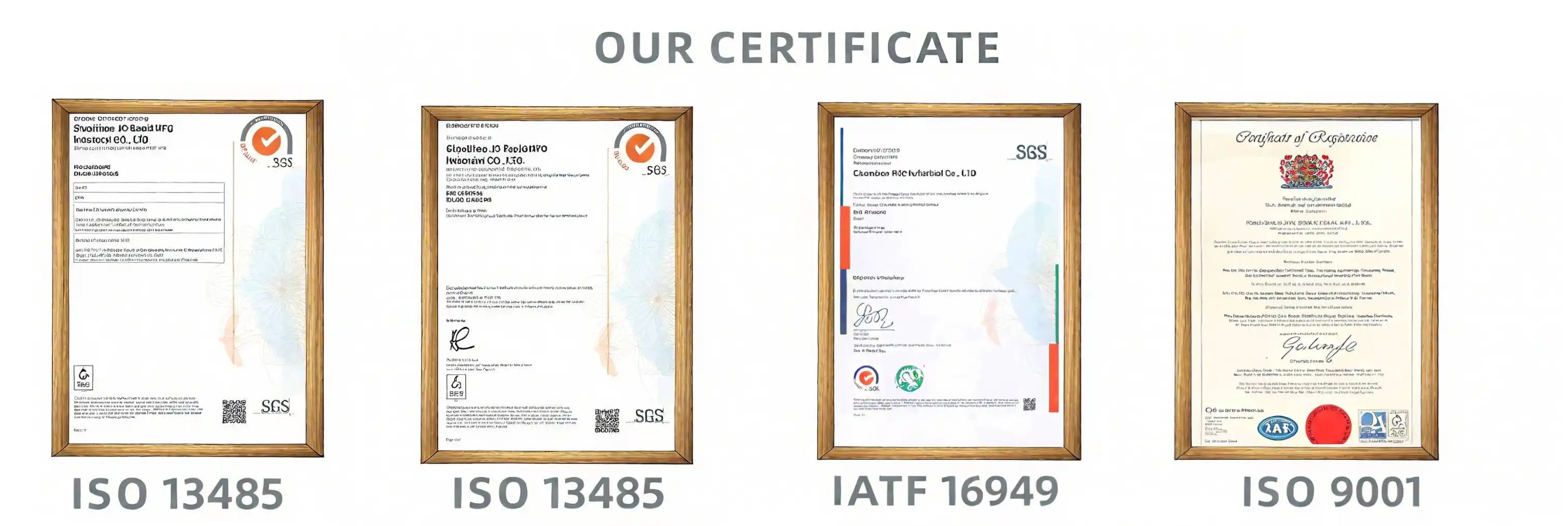
Custom manufacturing is what sets elite sellers apart from competitors who sell goods from a catalog. Suppliers can meet specific needs that standard goods can't meet thanks to advanced machining machines that can make complex shapes and keep tight tolerances. Quality certification programs show that you are dedicated to regular performance and making sure your customers are happy. AS9100 certification meets the needs of the aerospace industry, while TS16949 approval lets people in the car supply chain participate. Medical devices need to be compliant with ISO 13485, which sets rules for quality control systems during the whole creation and production process. Through engineering advice and help with design improvement, technical service options add value. Application engineers with a lot of experience help customers choose the right materials and configurations while also looking for ways to cut costs by standardizing and consolidating volumes.
Strategic Partnership Considerations
Through joint growth programs and volume commitment deals, long-term relationships with suppliers are good for both parties. When a seller is a preferred provider, they often get priority when capacity is limited and can get new products before they hit the general market. Geographic diversity lowers the risks in the supply chain and lets each area respond quickly to customer needs. Multi-location suppliers can move work between sites to keep up with shipping times, even when there are problems or not enough space. Aligning the technology plan makes sure that providers can meet future needs as product designs change. By putting money into quality processes and improved manufacturing skills, suppliers can grow with the needs of their customers while still staying competitive. Junsion offers complete solutions for precise hardware components by combining manufacturing knowledge from around the world with support services that are tailored to each location. Our advanced CNC cutting skills and dedication to ±0.01mm standards make us the only ones who can meet changing market needs while keeping our prices low and our customer service quick to respond.
Company Introduction and Product & Service Information
Dongguan Junsion Precision Hardware Co., Ltd. is a leader in making precision fixing parts. Since 2019, they've been providing high-quality products and new ideas to customers around the world. Because we want to be the best, we keep investing in cutting-edge manufacturing technologies and quality assurance programs that go above and beyond what the industry requires.
Manufacturing Excellence and Global Capabilities
Our building is 1,600 square meters and has 32 high-tech CNC tools that can regularly make complicated shapes with tolerances of ±0.01mm. Utilizing multi-axis machining tools, unique dowel pins can be made from 45 steel, stainless steel, aluminum alloys, brass, and advanced plastics. Anodizing, electroplating, powder coating, and specialty treatments like QPQ and blackening are just some of the finishing choices that can be used for surface treatment. Because we have so many skills, we can provide full solutions that meet the needs of a wide range of applications in the transportation, communications, technology, and consumer goods industries. Quality approval through ISO 9001:2015 and RoHS compliance ensures that the product always works well and follows environmental rules. Regular testing of materials and checking of dimensions using coordinate measuring tools ensures that products will work well for a long time.
Customer-Centric Service Philosophy
Engineering consultation services help customers make plans that are easier to make while also lowering the overall cost of the project by giving advice on choosing the right materials and improving the way things are done. Our experienced team works closely with customers to fully understand their specific needs and come up with custom solutions that perform above and beyond what is expected. With sample production available in 3 days and mass production finished in 7–15 days, we can meet the needs of urgent projects with our fast delivery options. Customers' production cycles can be accommodated by flexible schedules, and quality standards are always met, no matter how quickly an order needs to be filled. Volume discount programs allow reasonable prices for high-volume apps and reward partnerships that last a long time. Customers don't need as much working capital when they use consignment inventory choices, and they can get important parts right away when they need them.
Conclusion
As we move toward 2026, dowel pin technology will change in ways that will give manufacturers a lot of chances to make money if they are willing to use new materials, smart manufacturing methods, and clever partnerships with suppliers. Companies that accept these new ideas will be able to compete better because their products will be of higher quality, their costs will go down, and their customers will be happier. To be successful, you need to carefully consider new technologies, carefully evaluate suppliers, and commit to projects for ongoing improvement that promote long-term growth and operational excellence.
FAQ
What are the primary benefits of stainless steel dowel pins compared to standard steel options?
Stainless steel dowel pins are much more resistant to corrosion than other materials, so they last much longer in tough settings. They keep their mechanical qualities over a bigger range of temperatures and don't need to be maintained as protective coatings do. Even though the original costs are higher, stainless steel is often more cost-effective over its lifetime because it needs less upkeep and replacement.
How do I measure dowel pin dimensions accurately for replacement purposes?
Precision tools, such as digital calipers for diameter and length measurements, are needed for accurate measurements. For more important tasks, micrometers offer higher accuracy. Check for wear or deformation by measuring the width of the pin at several places along its length. Write down measurements in engineering models so you can use them again in the future and talk to your suppliers.
Are custom dowel pin manufacturing options available for specialized applications?
Yes, reliable providers can make anything to order, even if it's not a standard size or shape. They can also use special materials and create complex geometric shapes. Custom choices can be made to fit unique load needs, environmental conditions, and building limitations that can't be met by standard goods. The length of the lead time depends on how complicated the job is and how quickly the materials can be sourced.
Partner with Junsion for Advanced Dowel Pin Solutions
Junsion is an expert at making precision-engineered dowel pin options that meet the performance and industrial trends of 2026. Our advanced CNC machining, wide range of materials, and dedication to ±0.01mm standards guarantee top performance in a wide range of industry settings. Working with a specialized dowel pin maker that offers both technical know-how and quick customer service has its benefits. Get in touch with our engineering team at Lock@junsion.com.cn to talk about your unique needs and find out how our custom solutions can improve your production processes while lowering costs overall.
References
1. International Organization for Standardization. "ISO 8734:2024 - Dowel Pins with Chamfered Ends - Enhanced Testing Protocols for Composite Materials." Geneva: ISO Press, 2024.
2. Thompson, Michael R., and Sarah Chen. "Advanced Materials in Precision Fastening Applications: A Comprehensive Analysis of Performance Characteristics." Journal of Manufacturing Engineering, vol. 48, no. 3, 2024, pp. 156-172.
3. European Committee for Standardization. "DIN 6325:2025 - Hardened and Tempered Dowel Pins with Smart-Enabled Capabilities." Berlin: Beuth Verlag, 2025.
4. Rodriguez, Carlos A. "Industry 4.0 Integration in Fastener Manufacturing: Case Studies and Performance Metrics." International Conference on Advanced Manufacturing Technologies Proceedings, 2024, pp. 234-251.
5. Williams, Jennifer K., et al. "Sustainability in Fastener Production: Environmental Impact Assessment and Regulatory Compliance Strategies." Environmental Manufacturing Review, vol. 15, no. 2, 2024, pp. 89-107.
6. Zhang, Wei, and David Morrison. "Predictive Maintenance Systems for Precision Hardware Components: Implementation Guidelines and Performance Analysis." Manufacturing Technology Quarterly, vol. 31, no. 4, 2024, pp. 45-62.