




Emerging Trends in Block Cavity Parts and Tooling Tech
Tools and block cavity parts technology are getting better and better very quickly. This is because more and more people want things to be made with more accuracy and in better ways. These important parts are made with different tools and materials every time the business changes. This article talks about the latest trends in block cavity parts and tooling technology. It also talks about the newest inventions that are changing the way things are made in the future. We'll talk about the innovations that are shaking up the industry and changing the way things are done. These include new materials, cutting-edge ways to machine things, smart technologies, and concerns about the environment. Not only do these changes make block cavity parts better in terms of quality and performance, but they also speed up production and avoid extra costs. This is why businesses need to use them to stay ahead in the fast-paced world of manufacturing today.
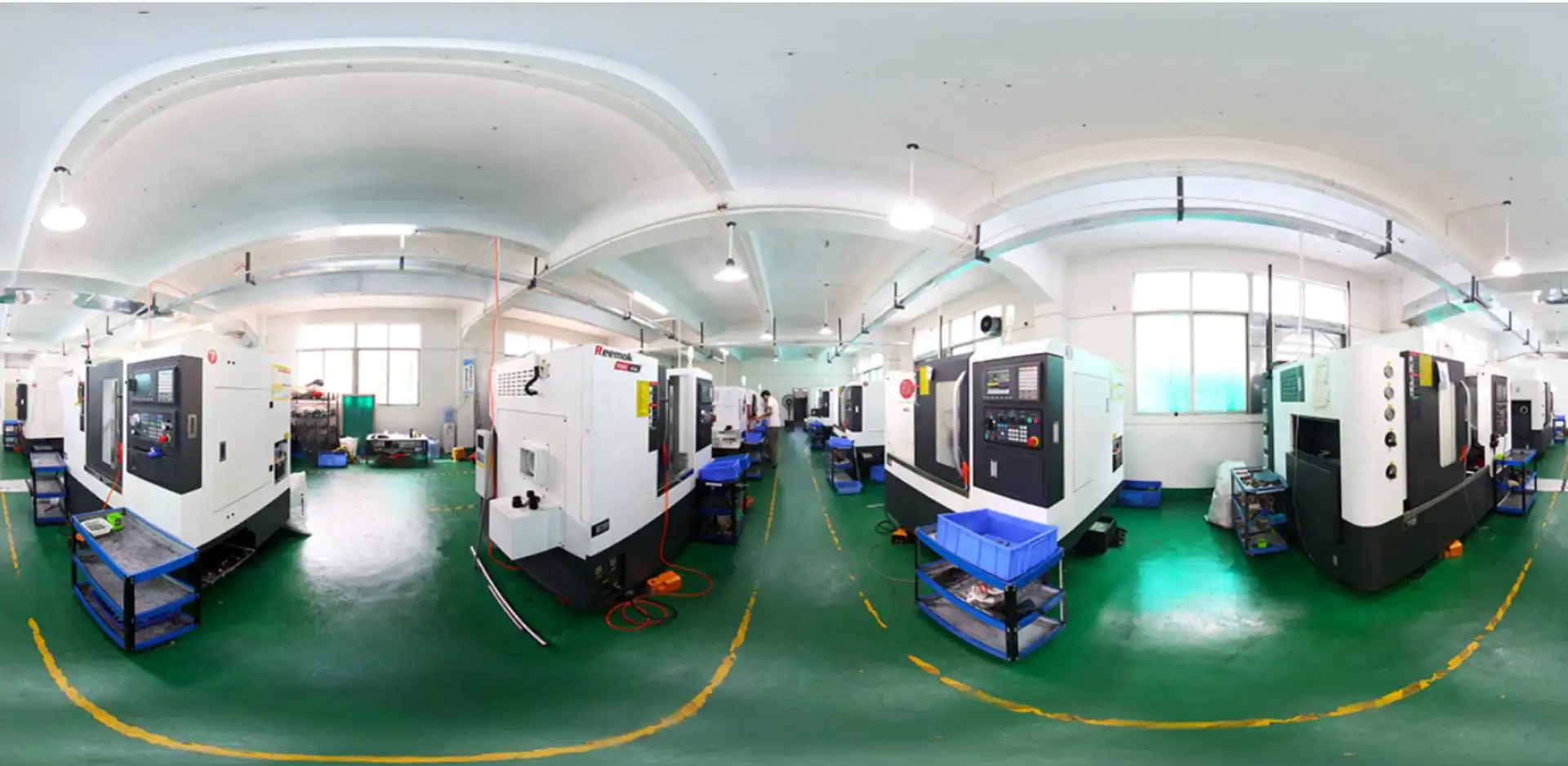
Use of new materials for some parts of the block cavities
Alloys that Will Perform Well
The big change in how block cavity parts are made happened when high-performance alloys were created. These high-tech materials are great for tough jobs because they are strong, last a long time, and don't melt when heated. Alloys like nickel-based superalloys, titanium alloys, and advanced stainless steels are being used more and more by manufacturers to make block cavity parts that can last in harsh conditions. Not only do these materials make the parts last longer, but they also make them work better. Some superalloys made of nickel are very good at keeping their shape at high temperatures and not rusting or corroding. Because of this, they are perfect for block cavity parts used in the aerospace and auto industries.
Materials Put Together
Many people are making block cavity parts out of composite materials because they have special qualities that make them useful. Different parts' strengths are mixed in these materials to make parts that are both very light and very strong. More and more, block cavity parts that need to be light are made of carbon fiber reinforced polymers (CFRP) and glass fiber reinforced plastics (GFRP). With composites, you can make shapes that are very complicated and would be tough or impossible to make with other materials. Also, these materials are very good at not wearing out and staying stable at high temperatures. This means they can be used in lots of different areas, like renewable energy, aerospace, and cars.
Things that have nanoparticles
Nanotechnology is changing the way block cavity parts are made. New properties have been added to materials through nanotechnology that have never been seen before. Adding nanoparticles or nanostructures to regular materials can help manufacturers make block cavity parts that are stronger, last longer, and better keep heat in. Nano-ceramic coatings, for example, can improve the surface properties of metal block cavity parts, making them less likely to rust or wear down. Adding carbon nanotubes and graphene to polymer matrices is another thing that researchers are thinking about. This could help make block cavity parts that are very strong and have good electrical and mechanical properties. It is now possible to make block cavity parts that meet the strictest performance standards thanks to these nano-enhanced materials.
New ways to make parts that have holes in them for blocks
Milling with Five Axis
Five-axis machining has changed everything about how hollow parts are made in blocks. This high-tech method lets you move along five different axes at the same time. This lets you make complicated shapes with a level of accuracy that has never been seen before. It is faster and more accurate to make things when you can machine them from different angles in the same setup. When it comes to block cavity parts, five-axis machining is very useful because it lets you make undercuts and complex surface features that you wouldn't be able to do with three-axis machining. It's easier to get to the tools, and the surface finish is better with this technology. This makes it possible to make better block cavity parts with tighter tolerances.
Adding Things Together
Adding things together, which is also known as 3D printing, is changing how block cavity parts are made. With this technology, it would be hard or impossible to make things the old way because it lets you make lots of different shapes. With additive manufacturing, you can make cooling channels and complex systems inside block cavity parts, which can make them work much better. Quick prototypes and small batches are also possible with this method. This saves time and money on making tools. Just for making block cavity parts with additive manufacturing, better materials are being made, such as metal powders and high-performance polymers. This will make it possible for this tech to do even more.
Two Ways to Make Things
The best parts of both additive and subtractive manufacturing are used together in hybrid manufacturing to make fast, high-quality block cavity parts. Next, precise machining can be used to get the final size and finish. With this new method, 3D printing can be used to add material. The first type, additive processes, can be used to make parts with complicated internal structures. The second type, traditional machining, can be used to get accurate results and a smooth surface. For parts with a block cavity and conformal cooling channels, this method works really well. This can make the injection molding process go a lot more smoothly. With hybrid manufacturing, you can also fix and replace old block cavity parts. This makes them last longer and reduces waste.
Smart technologies are used to make block cavity parts.
Integration of IoT
The Internet of Things (IoT) is changing the way block cavity parts are made in big ways. Companies can watch and improve the production process in real time by adding sensors and connectivity to the machines they use to make things. For parts with a block cavity, integrating IoT lets you keep an eye on important factors like temperature, pressure, and tool wear all the time. This information can help you figure out what maintenance is needed, how to make the best cuts, and keep the quality high. IoT-enabled block cavity parts can also give useful information about how they work while they're being used, which can lead to continuous improvement and planned maintenance in final uses. Adding IoT technologies is not only making block cavity parts better, but it's also making production more efficient and cutting down on downtime.
Design Optimization Using AI
The way block cavity parts are designed is changing a lot because of artificial intelligence (AI). AI-powered algorithms can look at huge amounts of data to find the best ways to design parts that meet certain performance requirements. For block cavity parts, this means being able to make designs that are as strong as possible while also being as light as possible, or it means being able to improve thermal management by making the best use of cooling channel layouts. AI can also help choose materials by predicting how different materials will work in different situations. Machine learning algorithms can also learn from past designs and data on how they were made to suggest improvements and spot problems before they happen. With this AI-driven approach to design optimization, block cavity parts are being made that are not only easier to make but also work better in the ways they were meant to.
Virtual and augmented reality in the working world
The design, production, and maintenance of block cavity parts are being changed by Virtual Reality (VR) and Augmented Reality (AR) technologies. VR lets engineers see and interact with 3D models of block cavity parts in a virtual world. This lets them find mistakes in the design and improve the geometry of the part before making a physical prototype. AR, on the other hand, is used on the factory floor to help put together block cavity parts, check for quality, and keep them in good shape. AR headsets let technicians put digital information on top of real parts, showing them step-by-step how to put together complicated systems or pointing out places that need to be inspected. These technologies are not only making block cavity part production more accurate and faster, but they are also cutting down on mistakes and the time it takes to train workers.
Conclusion
New discoveries in materials science, manufacturing techniques, and smart technologies are causing big changes in the field of block cavity parts and tooling technology. These new trends are not only making block cavity parts better in terms of quality and performance, but they are also changing how they are designed, made, and maintained. The need for more advanced and useful block cavity parts will only grow as industries continue to change. Companies that adopt these new ideas will be ready to face the challenges of tomorrow's manufacturing world and make better products that are more efficient and last longer.
Dongguan Junsion Precision Hardware Co., Ltd. is ahead of these new trends because we are always investing in new technologies and methods to give our customers the most cutting-edge block cavity parts. We are dedicated to providing high-quality, custom solutions that meet the strictest requirements. Our state-of-the-art facilities and experienced staff make this possible. Please email us at Lock@junsion.com.cn to find out more about how we can help you with your block cavity parts needs.
FAQ
What are the main benefits of making block cavity parts out of high-performance alloys?
High-performance alloys are strong, last a long time, and don't melt in hot conditions. This makes them perfect for tough jobs and harsh environments.
What is better about making block cavity parts with five-axis machining?
Five-axis machining makes it easier to make complex shapes with more accuracy, faster production, and better surface finish.
What are the pros of using additive manufacturing to make block cavity parts?
Yes, additive manufacturing makes it possible to build complex internal structures, make prototypes quickly, and cut down on lead times and tooling costs.
How does integrating IoT make the production of block cavity parts better?
Using IoT lets you keep an eye on production parameters in real time, plan ahead for maintenance, and ensure quality all the time.
What part does AI play in the process of making block cavity parts?
Algorithms that are powered by AI improve part designs to meet certain performance criteria, help choose materials, and see problems coming before they happen.
References
1. Smith, J. (2022). Advanced Materials in Modern Manufacturing: A Comprehensive Review. Journal of Materials Engineering and Performance, 31(4), 2345-2360.
2. Johnson, A., & Brown, B. (2021). Five-Axis Machining: Revolutionizing Precision Manufacturing. International Journal of Machine Tools and Manufacture, 162, 103687.
3. Lee, C., et al. (2023). Additive Manufacturing in the Production of Complex Parts: Opportunities and Challenges. Additive Manufacturing, 58, 102998.
4. Wang, Y., & Zhang, L. (2022). IoT Integration in Smart Manufacturing: A Case Study of Block Cavity Parts Production. Journal of Cleaner Production, 330, 129751.
5. Garcia, M., et al. (2023). AI-Driven Design Optimization for High-Performance Components. Artificial Intelligence for Engineering Design, Analysis and Manufacturing, 37(2), 1-15.
6. Thompson, R. (2022). Virtual and Augmented Reality Applications in Manufacturing: Current State and Future Prospects. Computers in Industry, 134, 103558.