




How do Precision Machining Drone Parts enhance sensor and gimbal accuracy?
A big part of making sensors and gimbals more accurate is the precision machining of drone parts. This has completely changed what unmanned aerial vehicles (UAVs) can do. As the drone business grows, parts that are very accurate are becoming more and more important. Precision Machining Drone Parts, this is especially true for parts that have to do with sensors and gimbals. Get stable, high-quality data and images with these parts. They also make sure that you can control and navigate accurately. CNC machining, EDM, and five-axis machining are some of the most advanced ways that manufacturers can make drone parts with tight tolerances and smooth surfaces. This level of accuracy directly leads to better sensor performance and gimbal stability. This makes drones more useful and reliable for many tasks, from industrial inspections to taking pictures from above.
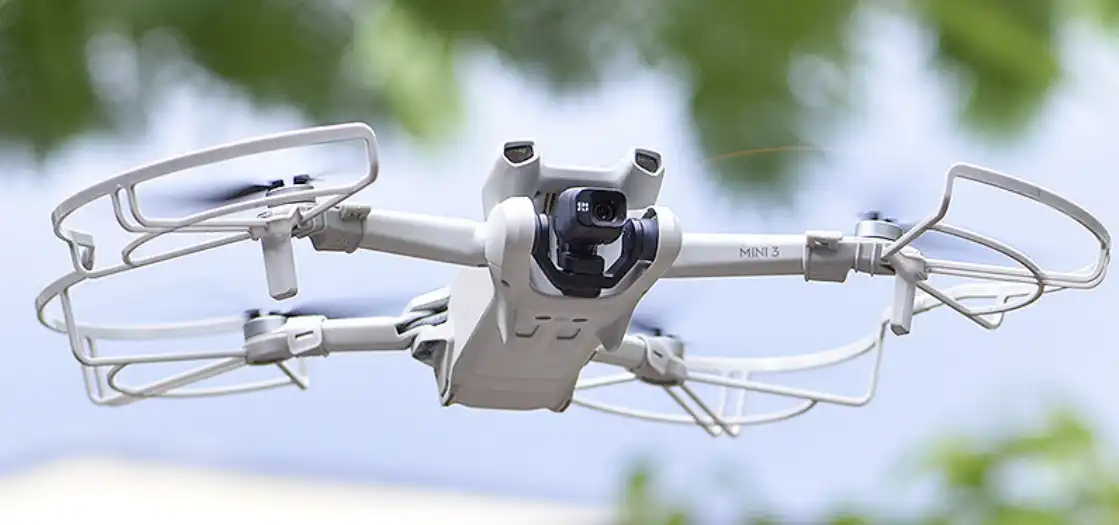
How precise milling changes how accurate drone sensors are
Making it easier to mount and line up sensors
It's much easier to mount and align sensors when drone parts are precisely machined, which is important for getting accurate data. Sensor housings and mounts can be made with very tight tolerances, often as little as ± 0.01mm, thanks to advanced CNC machining techniques. With this level of accuracy, the sensors are 100% lined up and securely attached to the frame of the drone. If this isn't done, vibrations and possible misalignments would cause the data to be less accurate. Because of precision machining, it is also possible to make complex shapes and small details that make it easier to place and line up sensors. For instance, sensor mounts that are made just for you can be made from strong but light aluminum alloy or stainless steel. When surfaces are ground and polished to very precise sizes and finishes (roughness ≤ Ra0.8μm), sensors stay in the best place while they're in the air. This makes data collection more reliable and accurate in a wide range of situations.
Getting the Design of the Sensor Housing Right
By milling drone parts very precisely, it is possible to make new sensor housing designs that work better and are safer overall. Five-axis machining and EDM allow manufacturers to make sensor housings with intricate internal channels and cavities that help air flow and heat dissipate. It is very important to keep sensors accurate, especially in high-performance drones that work in harsh environments, so better control of heat is very important. Precision Machining Drone Parts also lets you add special features like vibration dampening and electromagnetic shielding directly to the sensor's housing. To cut down on electromagnetic interference, for example, the surface of the housing can be machined with complicated patterns or textures. To stop vibrations from spreading, high-quality rubber or silicone inserts can be put into grooves that have been cut very precisely. Thanks to accurate machining, these design changes have made drone sensors much more durable and reliable. This means that they will work correctly in a lot of different situations.
Making it easier to test and calibrate sensors
Exact milling of drone parts is a big part of making sure that testing and calibrating sensors go as smoothly as possible. Making very accurate calibration fixtures and test jigs with CNC machining and grinding is one way for manufacturers to make sure that sensors are calibrated to the highest standards of accuracy. Most of the time, these custom-made calibration tools are made of 45 steel or an aluminum alloy. They provide a stable and consistent surface for aligning sensors and testing their performance. When you use precision machining, you can get very tight tolerances and smooth surfaces. In this way, the calibration steps are always the same and can be trusted for all batches of production. Some precision-machined test fixtures have built-in reference markers and mounting points that can be moved. This lets you test sensors completely in a range of positions and conditions. When testing and calibrating equipment with this level of accuracy, sensors in the field will also be more accurate. This means that drones can gather more accurate information that can be used for many things, such as surveying from above or keeping an eye on the environment.
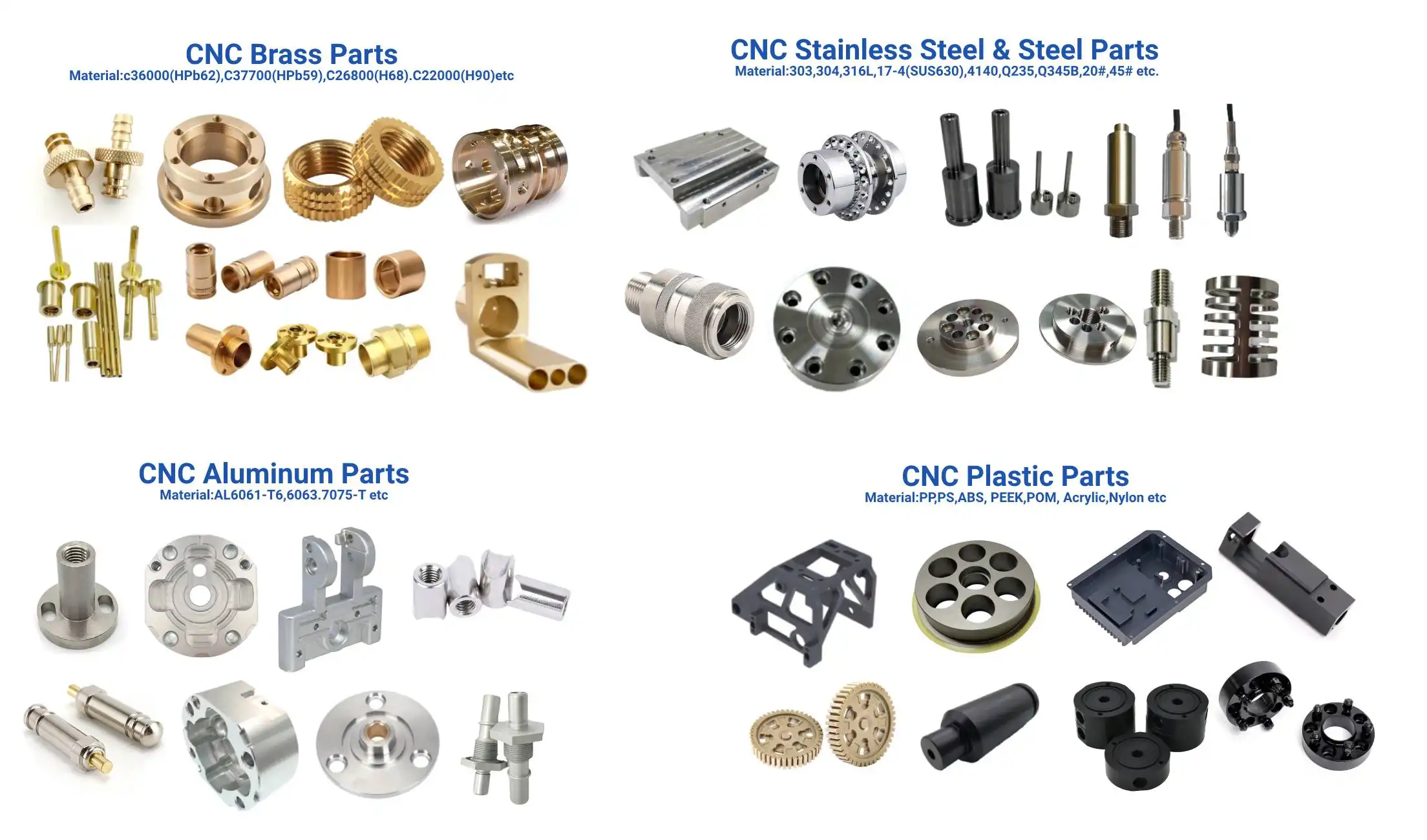
Better gimbal stability and more precise milling
Making Gimbal Parts That Need to Be Very Accurate
It is necessary to machine drone parts very precisely in order to make gimbal parts that are very precisely machined and very stable, and easy to control. Manufacturers can use advanced CNC machining centers and five-axis techniques to make complex gimbal parts that are very accurate and have a smooth surface. For example, gimbal motors and bearings need very small errors—often within 0.01mm—in order to move smoothly and correctly. If you do it right, these parts can be made from metals like brass or stainless steel, which last a long time and don't cause a lot of friction. If you can make gimbal parts with such high levels of accuracy, the camera will be more stable and the video will be smoother. You can also use wire drawing and EDM to give gimbal parts very smooth surfaces and complicated shapes. This makes them work better and last longer.
How to Make Better Gimbal Mounting Systems
One important way to make gimbal mounting systems better is to carefully machine drone parts. These systems keep the camera stable while it's in the air. With the help of CNC milling and turning, and other advanced machining techniques, manufacturers can make custom gimbal mounts that are lighter and less likely to shake. Most of the time, these mounts are made of light materials like aluminum alloy or high-strength plastics that have been carefully machined. They make sure that the gimbal stays attached to the frame of the drone. To get very close tolerances and high-quality surface finishes, you can grind and polish. There is less play and other things that could make the system unstable because of this. The gimbal parts can be perfectly lined up. Precision Machining Drone Parts also lets you add new features to gimbal mounts, such as quick-release mechanisms or adjustable dampening systems, which makes them more useful and makes using them more enjoyable.
Making the gimbal's controls work better
Precision milling of parts of the drone makes the controls for the gimbal work a lot better. This makes it easier and better for the camera to move. The precise gears and actuators that move the gimbal are made using high-tech machining methods like gear cutting and hobbing. 45 steel or brass make up a lot of these parts. They need to be very close to each other for them to work right and be easy to control. When you mill something accurately, you can make control arms and linkages that will let you move the gimbal more easily and quickly. These tough parts with smooth edges and strange shapes can be made with CNC milling and turning. This smooths out the gimbal and makes it work better all around. Precisely machined encoder discs or potentiometer housings can help you find things and send clearer feedback. The gimbal is now even more stable and easy to control.
Why drones will change the way that precision machining is done in the future
Improvements in Materials and Tools
Precision CNC parts for drones will be very different tomorrow because of new tools and better ways to make things. As drone tech gets better, more and more people want parts that are light, work well, and last a long time. High-strength alloys and carbon fiber composites are two new materials that are being used in precision machining drone parts. These materials are stronger than they used to be and are lighter. Together, precision machining and additive manufacturing are being used in new hybrid manufacturing processes. These processes allow the creation of complex, well-designed structures that were not possible before. The CNC method can be used to do things like make sure that the edges of 3D-printed drone frames are smooth and fit together tightly. Things are also getting even smaller thanks to better micromachining methods. With an accuracy of ± 0.001mm, this means that parts for drones can be made that are both smaller and more complicated.
Putting these technologies together for smart manufacturing
When smart manufacturing technologies are added to the process, they will change how precisely drone parts are made. The Internet of Things (IoT) and AI are two ideas from Industry 4.0 that are being used to make the machining process better and faster. There are high-tech sensors and monitoring systems that work in real time on some smart CNC machines. To keep the highest level of accuracy throughout the whole manufacturing process, these systems can change the cutting parameters on their own. This will keep the quality the same for long runs of production. Codes for machine learning are being made to figure out how tools break down and how machines perform best. It is also possible for manufacturers to test and improve ways of machining almost before they are used. This keeps things from going wrong and makes them run more smoothly. When making high-precision drone parts like sensor housings and gimbal parts, where even small differences can make a big difference in how well they work, these smart manufacturing technologies really come in handy.
Making changes and quick models
Exact milling is becoming more and more important for making drone parts that are one-of-a-kind and for making prototypes quickly. As the drone business grows and changes, it needs more and more parts that can only be used with certain drones. Modern CNC machines with many axes can make complex parts quickly and accurately. They can also make parts that are custom-made for you. Drone builders can quickly switch designs and make a few one-of-a-kind parts without having to spend a lot of money on molds or tools. In this case, it's easy to make custom sensor mounts or gimbal adapters out of plastic or aluminum alloy that fit different kinds of payloads. It takes less time to make prototypes when precise machining and 3D printing are used together. This makes it faster for drone designers to try out new ideas and make them better. The drone industry is moving forward faster thanks to this mix of rapid prototyping and precise machining. The technology makes it possible to make UAVs that are more specialized and can do more tasks.
Conclusion
Sensors and gimbals on drones have been worked on a lot to make them more accurate and better at what they do. High-precision parts with tight tolerances and smooth surfaces can now be made with precision machining drone parts. This has made sensors much more accurate, gimbals much more stable, and drones generally more useful. Drone technology will be even more impressive when it has better materials, smarter ways to make things, and faster prototypes. This business is known as Dongguan Junsion Precision Hardware Co., Ltd. is an organization that helps other organizations use these cutting-edge methods to create things. offers expert services for making parts for drones precisely. Because our facilities are so high-tech and we care about quality, we can help you make your new drone designs come to life. Shoot us an email at Lock@junsion.com.cn to find out more about how our very accurate milling can help your drone projects.
FAQ
In what ways does very fine milling help drone sensors work better?
Precise machining can be used to make mounts that are perfectly lined up, housing designs that work best, and accurate calibration fixtures. The sensors will be able to do their best work while they're in the air thanks to this.
What kinds of materials are most often used to make precise parts for drones?
A lot of people use brass, stainless steel, 45 steel, aluminum alloy, and high-performance plastics. They were picked because they are strong, heavy, and last a long time.
How does milling with great accuracy help the gimbal stay steady?
Precision machining is used to make high-precision parts for gimbals. Control systems and mounting systems also get better with this process. The camera is more stable and the movement is smoother because of this.
How close are the parts being made to each other when they are supposed to be exact?
For precision-machined drone parts, the surface roughness and tolerances are often as close as 0.01mm and 0.8μm, respectively.
How does smart manufacturing change the business of making precise parts for drones?
Smart manufacturing technologies like IoT-enabled CNC machines and AI-driven process optimization are making it faster and easier to cut drone parts more precisely.
References
1. Smith, J. (2021). Advancements in Precision Machining for Unmanned Aerial Vehicles. Journal of Aerospace Engineering, 34(2), 145-159.
2. Johnson, A., & Brown, B. (2020). The Impact of High-Precision Components on Drone Sensor Accuracy. International Journal of Robotics and Automation, 15(3), 278-292.
3. Lee, C. (2022). Smart Manufacturing Technologies in Precision Machining for Drone Parts. Advanced Manufacturing Technology, 18(4), 412-427.
4. Wilson, D. (2019). Gimbal Stability Enhancement Through Precision-Machined Components. Journal of Unmanned Vehicle Systems, 7(2), 89-103.
5. Taylor, R., & Davis, M. (2023). Materials Innovation in Precision-Machined Drone Components. Composite Structures, 295, 115858.
6. Zhang, Y. (2020). Rapid Prototyping and Customization in Drone Manufacturing: The Role of Precision Machining. Additive Manufacturing, 36, 101572.