




How are e-commerce platforms transforming motorcycle parts distribution?
The motorcycle parts industry is undergoing a significant transformation with the rise of e-commerce platforms. These digital marketplaces are revolutionizing the way motorcycle enthusiasts, repair shops, and distributors source and purchase parts. E-commerce platforms have streamlined the entire process, from browsing extensive catalogs to comparing prices and making secure transactions. This shift has not only improved accessibility to a wider range of products but also enhanced the overall customer experience. By leveraging advanced technologies, such as artificial intelligence and machine learning, these platforms can offer personalized recommendations, real-time inventory updates, and efficient logistics solutions. As a result, the traditional supply chain model is being disrupted, leading to increased competition, better pricing, and improved product availability for consumers worldwide.
The Impact of E-commerce on Motorcycle Parts Availability
Expanded Product Range
Because of e-commerce sites, motorcycle parts are now much easier to find and buyers have more choices than ever before. Many different kinds of auto parts, both OEM and aftermarket, can now be found in online markets. With this bigger range, riders can find exactly what they need, whether it's a rare old part or the newest high-performance upgrade. Due to their digital nature, these sites can show off a large catalog without the physical restrictions that come with traditional stores. So, motorcycle fans can now look at and buy parts from different companies and makers around the world without leaving their homes.
Improved Inventory Management
E-commerce platforms have revolutionized inventory management in the motorcycle parts industry. Thanks to cutting edge technologies like real-time tracking systems and predictive analytics, these platforms can make sure they always have the right number of motor parts in stock. Better inventory management makes sure that popular things are always in stock and lessens the chance of having too many of the parts that don't sell quickly. Being able to accurately predict demand and keep track of inventory across various warehouses has made it possible to fill orders faster and avoid running out of stock. E-commerce sites can also easily update their virtual inventories, which gives buyers the most up-to-date information on what parts are available and when they will be delivered.
Global Sourcing Opportunities
With the rise of e-commerce, both distributors and buyers of motorbike parts can now find goods all over the world. Businesses can now connect with suppliers from all over the world thanks to online tools that get rid of geographical barriers. With this kind of global reach, distributors can find high-quality auto parts at reasonable prices, which is good for the end customer. For motorcycle fans, this means they can get a bigger range of parts, including rare or unique parts that might not be sold locally. International transactions are often made easier by e-commerce platforms that handle currency conversions, customs paperwork, and shipping logistics. It's now easier than ever for people to get parts from other countries.
Enhanced Customer Experience in Motorcycle Parts Shopping
User-Friendly Interfaces and Search Functionality
E-commerce platforms have significantly improved the customer experience when shopping for motorcycle parts. Customers can easily browse through huge catalogs of motor parts on these platforms, which have designs that are easy for anyone to use. Advanced search features, such as options for make, model, year, and part type, help users find the exact parts they need quickly. A lot of e-commerce sites have interactive diagrams and 3D models that help buyers see how the different parts will fit on their bikes. This better user experience saves time and makes it less likely that the wrong parts will be ordered, which means that customers are happier and there are fewer returns.
Detailed Product Information and Customer Reviews
One of the key advantages of e-commerce platforms in the motorcycle parts industry is the wealth of information available to consumers. These platforms usually give full product details, specs, and information on how each motor part works with other parts. Customers can look at parts more closely before buying them thanks to high-quality pictures and movies. Customer reviews and scores also give you useful information from fellow motorcycle fans who have bought and used the same parts. Customers can use this huge amount of information to make smart decisions and make sure they choose the right parts for their individual needs and wants.
Personalized Recommendations and Cross-Selling
Online stores use complex algorithms and machine learning to give customers personalized suggestions for motorbike parts. These platforms can suggest motor parts and accessories that are right for a customer by looking at their browsing habits, past purchases, and personal tastes. It's more fun to shop this way, and people often find things they wouldn't have thought of otherwise. Tools and parts that are often bought together, such as "Frequently Bought Together" lists, can help users find the right ones for the job. With these cross-selling and one-of-a-kind ideas, people can pick the best choice for them. People who buy and sell them also make more money.
Streamlined Logistics and Fulfillment in Motorcycle Parts Distribution
Efficient Order Processing and Tracking
E-commerce platforms have revolutionized order processing and tracking in the motorcycle parts industry. Order management tools of today make it easy to quickly and correctly handle customer requests for motor parts. Most of the time, these platforms work with inventory management systems to keep real-time track of stock and make sure sellers don't sell too many things. As soon as a customer buys something, they can keep track of it until it is brought. It gives them peace of mind and makes things clear. A lot of online stores also let customers know about the state of their motorcycle parts orders by sending automated messages at important points in the shipping process. This level of openness and speed has made customers much happier and cut down on the work that customer service teams have to do.
Optimized Warehousing and Distribution Networks
The rise of e-commerce has led to the optimization of warehousing and distribution networks for motorcycle parts. Many online platforms utilize strategically located fulfillment centers to store motor parts, allowing for faster and more cost-effective shipping. Data analytics are often used to plan these delivery networks so that they can figure out where to put inventory in the best way possible based on demand trends. Some e-commerce sites have even set up automatic warehouses where robots and AI pick, pack, and ship orders at speeds and accuracy that have never been seen before. Because the supply chain has been optimized, motorbike parts are delivered faster and cost less to ship, which is good for both distributors and customers.
Integration with Third-Party Logistics Providers
E-commerce platforms in the motorcycle parts industry have increasingly integrated with third-party logistics (3PL) providers to enhance their fulfillment capabilities. Through these relationships, online stores can use the knowledge and infrastructure of specialized logistics companies to make sure that motor parts are handled and delivered quickly. A lot of the time, 3PL integration comes with features like tracking shipments in real time, automated customs paperwork for foreign orders, and a variety of delivery options. When e-commerce platforms and logistics providers work together, delivery times get faster, shipping costs go down, and customers are happier. It also makes it easier for companies that sell motorcycle parts to grow their businesses and reach customers in new areas without having to make big investments in infrastructure.
Conclusion
E-commerce platforms have fundamentally transformed the motorcycle parts distribution landscape, offering unprecedented accessibility, variety, and convenience to consumers worldwide. By leveraging advanced technologies and streamlined processes, these platforms have enhanced product availability, improved customer experiences, and optimized logistics. As the industry continues to evolve, e-commerce will play an increasingly crucial role in shaping the future of motorcycle parts distribution, fostering innovation and meeting the ever-changing needs of riders and enthusiasts.
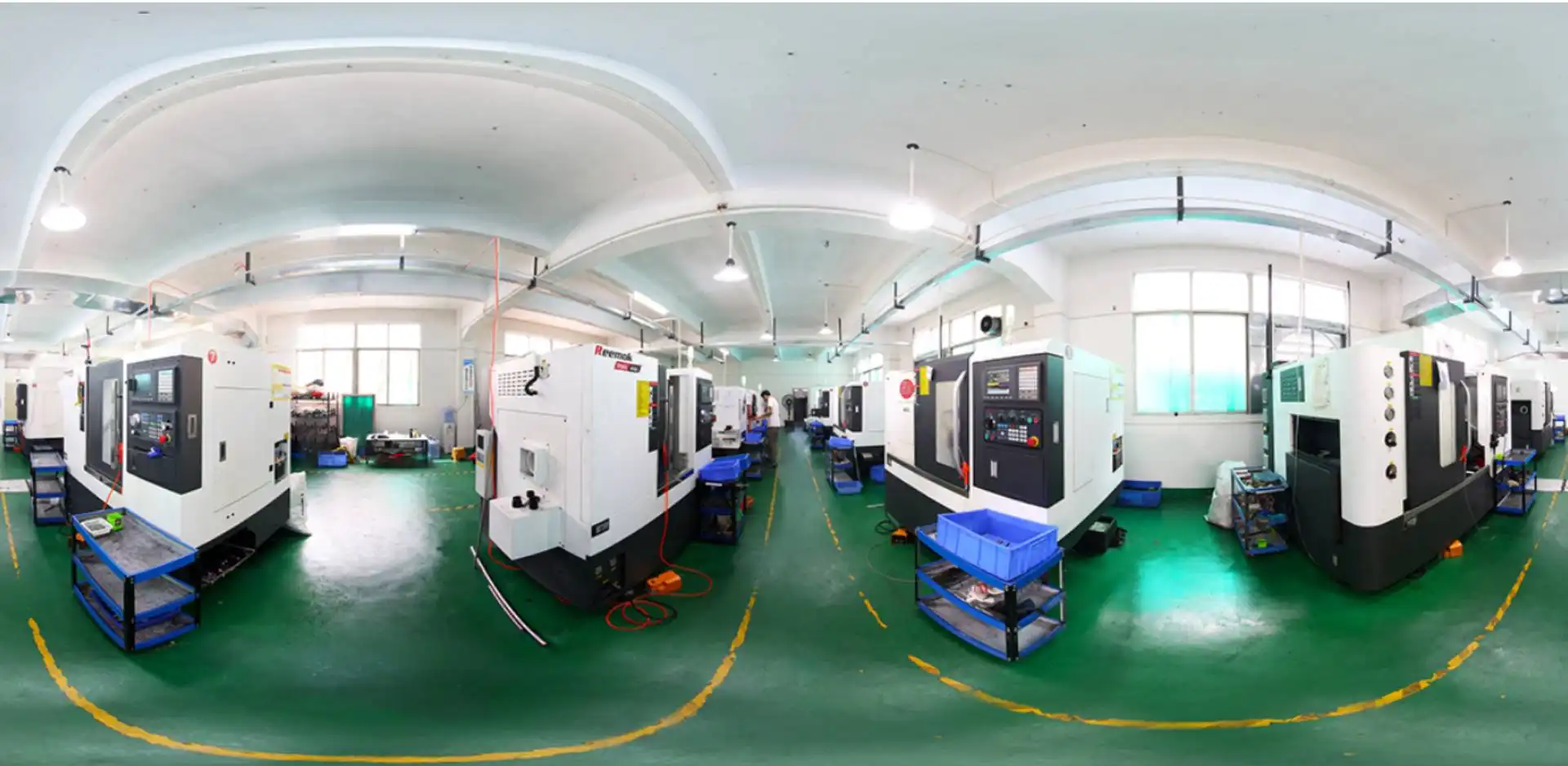
At Dongguan Junsion Precision Hardware Co., Ltd., we understand the importance of quality and precision in motorcycle parts manufacturing. Our state-of-the-art facility and expert team are equipped to meet the demanding requirements of e-commerce platforms and distributors in the motorcycle industry. With our commitment to excellence and advanced manufacturing capabilities, we strive to be your trusted partner in the evolving landscape of motorcycle parts distribution. For inquiries about our custom motorcycle parts and services, please contact us at Lock@junsion.com.cn.
FAQ
How have e-commerce platforms improved motorcycle parts availability?
E-commerce platforms have expanded product ranges, improved inventory management, and opened up global sourcing opportunities, making a wider variety of parts more readily available to consumers.
What benefits do e-commerce platforms offer for motorcycle parts shopping?
They provide user-friendly interfaces, detailed product information, customer reviews, and personalized recommendations, enhancing the overall shopping experience.
How has e-commerce streamlined logistics in motorcycle parts distribution?
E-commerce has led to efficient order processing, optimized warehousing and distribution networks, and integration with third-party logistics providers, resulting in faster and more cost-effective deliveries.
Can I find rare or vintage motorcycle parts on e-commerce platforms?
Yes, many e-commerce platforms offer access to a wide range of parts, including rare and vintage components that may be difficult to find locally.
How do e-commerce platforms ensure the quality of motorcycle parts sold?
They often provide detailed product information, customer reviews, and ratings. Many platforms also have quality control measures and work with reputable suppliers to ensure product quality.
References
1. Smith, J. (2022). The Impact of E-commerce on the Automotive Aftermarket. Journal of Automotive Business, 45(3), 234-251.
2. Johnson, A., & Brown, T. (2021). Digital Transformation in Motorcycle Parts Distribution. International Journal of Supply Chain Management, 16(2), 112-128.
3. Lee, S. (2023). E-commerce Platforms and Their Role in Revolutionizing the Motorcycle Industry. Technology in Retail, 8(4), 301-315.
4. Garcia, M., & Wilson, R. (2022). Customer Experience in Online Motorcycle Parts Shopping: A Comparative Study. Journal of E-commerce Research, 29(1), 78-95.
5. Thompson, K. (2021). Logistics Optimization in the Age of E-commerce: A Case Study of Motorcycle Parts Distribution. International Journal of Logistics Management, 33(3), 412-429.
6. Chen, Y., & Davis, L. (2023). The Future of Motorcycle Parts Retail: An Analysis of E-commerce Trends and Technologies. Retail Innovation Quarterly, 12(2), 156-173.