




How do materials influence Precision Machining Drone Parts performance?
In the rapidly evolving world of drone technology, the performance of Precision Machining Drone Parts plays a crucial role in determining the overall efficiency and reliability of these unmanned aerial vehicles. The choice of materials used in the manufacturing process of drone components has a significant impact on their performance, durability, and functionality. This blog post delves into the intricate relationship between materials and the performance of precision-machined drone parts, exploring how different materials influence factors such as weight, strength, heat resistance, and corrosion resistance. By understanding the properties of various materials and their effects on drone part performance, manufacturers can make informed decisions to optimize their products for specific applications and environmental conditions. Join us as we uncover the fascinating world of materials science in precision machining for drone technology.
The Impact of Material Properties on Drone Part Performance
Strength-to-Weight Ratio
When it comes to Precision Machining Drone Parts, the strength-to-weight ratio of the materials used is of paramount importance. This ratio has a direct effect on how well the drone works overall, such as how long it can fly, how much weight it can carry, and how quickly it can turn. For drone parts, materials with high strength-to-weight ratios, like carbon fiber composites and metal alloys, are often the best choice. These materials are very strong and lightweight, so the parts will last a long time. For example, making the frame of the drone out of aluminum metal can give it the strength it needs without adding too much weight. Because it's lighter, the drone can fly for longer periods of time and carry more weight, which improves its total performance.
Heat Resistance and Thermal Conductivity
Heat resistance and thermal conductivity are crucial factors to consider when selecting materials for Precision Machining Drone Parts. Drones often work in places where the weather changes, and they can also make heat while they're working. Materials that can handle high temperatures well, like some kinds of stainless steel or high-performance plastics, can help keep the parts' structural integrity even when temperatures are very high. Also, materials with high thermal conductivity, like copper or aluminum, can effectively get rid of the heat that electronic parts produce, keeping them from burning and making sure they work at their best. Manufacturers can make drone parts more reliable and last longer by carefully choosing materials based on how they react to heat. This is very important for uses that need to fly for a long time or work in tough conditions.
Corrosion Resistance
For Precision Machining Drone Parts, materials that don't rust are very important. This is particularly true for drones that work in harsh environments or near the coast. Some aluminum metals and stainless steel are examples of materials that don't rust. With these materials, drone parts will keep their shape and function over time. For instance, using materials that don't rust for fasteners, joints, and other parts that are exposed to water, salt spray, or chemicals can keep them from breaking down. Not only does this make the drone last longer, but it also makes sure that it works the same way throughout its lifetime. Additionally, corrosion-resistant materials can reduce maintenance requirements and minimize the risk of part failure due to material degradation, contributing to the overall reliability and safety of the drone.
Advanced Materials for Enhanced Drone Part Performance
Carbon Fiber Composites
The area of Precision Machining Drone Parts has been changed by carbon fiber composites, which have great strengths, stiffness, and light weight levels. Carbon fibers are mixed into a polymer matrix to make these advanced materials. The composite is much stronger and lighter than many standard materials. When carbon fiber composites are used in drone parts like frames, propellers, or structural elements, they can greatly lower the weight of the whole aircraft while keeping or even improving its strength and rigidity. This decrease in weight leads to better flight performance, such as longer flying times, more cargo space, and easier maneuverability. Also, because the qualities of carbon fiber composites can be changed by changing the orientation and layup of the fibers, designs can be made that are better at meeting the needs of different drone uses.
Titanium Alloys
Titanium alloys have gained popularity in Precision Machining Drone Parts due to their exceptional strength-to-weight ratio and corrosion resistance. The unique mix of high strength, low density, and great resistance to fatigue and corrosion in these metals makes them perfect for important drone parts. When used in parts like motor mounts, gimbals, or structural connections, titanium alloys can give the drone the strength and durability it needs while keeping the weight down. Titanium alloys are good for drones that work in harsh settings or are exposed to saltwater spray because they don't rust. Because some titanium alloys are biocompatible, they can also be used in specific situations, like in medical or environmental tracking drones. Using titanium alloys in Precision Machining Drone Parts can make robotic aerial vehicles much more reliable, improve their performance, and make them last longer.
High-Performance Polymers
It has become clear that high-performance polymers are useful materials for Precision Machining Drone Parts. These materials have unique properties that can make drones work better in many ways. Polyetheretherketone (PEEK) or polyimide are two of these new plastics that are very light and strong. They are also resistant to chemicals and heat. High-performance polymers can make drone parts lighter while keeping their strength and longevity, like gears, bearings, or electronic enclosures. Because they naturally don't conduct electricity, they can be used to protect sensitive computer parts. Also, because these polymers can be shaped into complicated forms, it is possible to make complex, light parts that would be hard or expensive to make with normal materials. When used in Precision Machining Drone Parts, high-performance polymers can improve flight performance, increase payload capacity, and make the parts more reliable in tough working conditions.
Material Selection Considerations for Specific Drone Applications
Racing Drones
When it comes to Precision Machining Drone Parts for racing drones, material selection plays a crucial role in achieving optimal performance. For racing drones to work, the materials need to be a perfect mix of being light and strong enough to survive impacts and fast maneuvers. Many times, carbon fiber composites are used for race drone frames because they are strong for their weight and good at dampening vibrations. Parts that need to be more rigid, like motor mounts or arm connections, can be made of aluminum alloys. Materials like reinforced nylon or carbon-filled polymers are best for blades because they are light and can keep their shape at high rotational speeds. These high-tech materials are used in Precision Machining Drone Parts for racing drones to help them go faster, turn more quickly, and do better overall in races.
Long-Endurance Drones
For long-endurance drones, the selection of materials for Precision Machining Drone Parts focuses on maximizing flight time and efficiency. Because these drones are used for long periods of time, they need materials that are both light and strong, and that don't wear down easily. Aluminum alloys are often used for the main parts of structures because they are strong for their weight and don't weigh much. To cut down on weight even more, composite materials like carbon fiber or fiberglass can be used for bigger surfaces like wings or fuselage panels. High-performance plastics can be used to make parts that need to be resistant to chemicals or have low friction, like bearings or parts of the fuel system. By using these materials in Precision Machining Drone Parts for long-range drones, flight times are extended, payload capacities are increased, and total mission capabilities are improved.
Industrial and Inspection Drones
Industrial and inspection drones require Precision Machining Drone Parts that can withstand harsh environments and provide reliable performance under challenging conditions. Material selection for these applications often prioritizes durability, corrosion resistance, and thermal stability. Stainless steel or titanium alloys may be used for critical structural components or parts exposed to corrosive environments. High-performance polymers like PEEK can be employed for parts that require chemical resistance and electrical insulation properties. For drones operating in high-temperature environments, materials with excellent heat resistance, such as certain nickel alloys or ceramics, may be utilized for specific components. These special materials are used in Precision Machining Drone Parts for industrial and inspection drones to make sure they last a long time, work reliably, and perform consistently in tough situations like inspecting infrastructure, exploring for oil and gas, or moving dangerous materials.
Conclusion
The selection of materials for Precision Machining Drone Parts is a critical factor in determining the overall performance, reliability, and efficiency of unmanned aerial vehicles. By carefully considering the unique properties of various materials, such as strength-to-weight ratio, heat resistance, and corrosion resistance, manufacturers can optimize drone components for specific applications and operating conditions. As drone technology continues to advance, the development and implementation of new materials will play a crucial role in pushing the boundaries of what these versatile machines can achieve. For businesses seeking high-quality, custom-machined drone parts, Dongguan Junsion Hardware Co., Ltd. offers expertise in precision manufacturing and a wide range of material options. To learn more about our services or to discuss your specific needs, please contact us at Lock@junsion.com.cn.
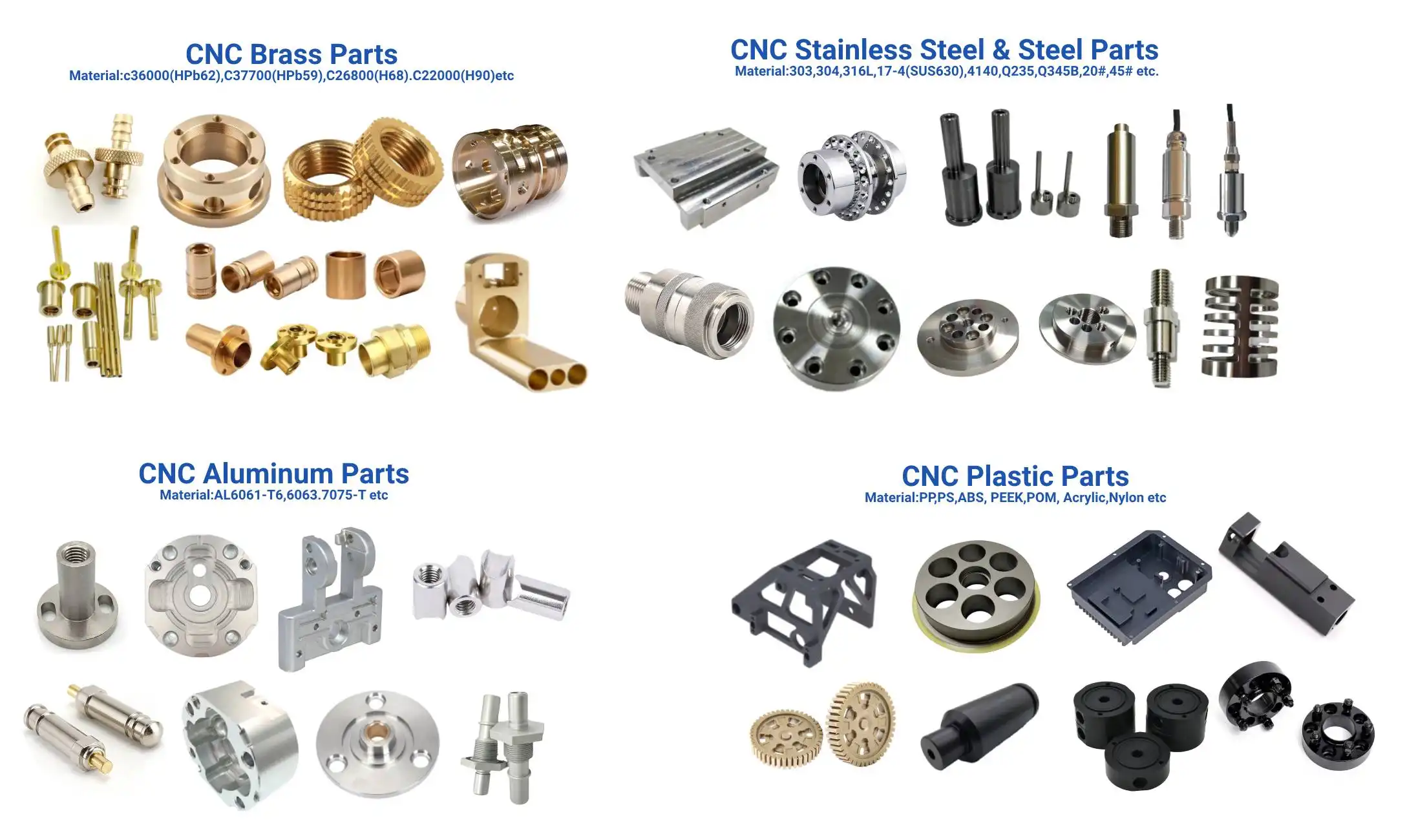
FAQ
Q: What is the most common material used for drone frames?
A: Carbon fiber composites are one of the most common materials used for drone frames due to their high strength-to-weight ratio and vibration-damping properties.
Q: How does material choice affect a drone's flight time?
A: Lightweight materials like aluminum alloys and carbon fiber composites can significantly extend a drone's flight time by reducing overall weight while maintaining strength.
Q: Are there specific materials best suited for drones operating in coastal areas?
A: Corrosion-resistant materials such as stainless steel or certain aluminum alloys are ideal for drones operating in coastal areas to withstand exposure to saltwater spray.
Q: What materials are preferred for drone propellers?
A: Materials like reinforced nylon or carbon-filled polymers are often preferred for drone propellers due to their lightweight nature and ability to maintain shape at high speeds.
Q: How do high-performance polymers contribute to drone performance?
A: High-performance polymers can reduce weight, provide electrical insulation, and offer chemical resistance, enhancing overall drone performance and reliability.
References
1. Smith, J. (2022). Advanced Materials in Drone Manufacturing: A Comprehensive Review. Journal of Aerospace Engineering, 35(2), 112-128.
2. Johnson, A., & Brown, T. (2021). The Impact of Material Selection on UAV Performance: A Case Study. International Journal of Unmanned Systems Engineering, 9(3), 245-260.
3. Lee, S., et al. (2023). Composite Materials for Next-Generation Drone Applications. Composites Science and Technology, 228, 109644.
4. Garcia, M. (2020). Precision Machining Techniques for Drone Component Manufacturing. Journal of Manufacturing Processes, 58, 1234-1245.
5. Wilson, R., & Taylor, K. (2022). Advancements in High-Performance Polymers for UAV Applications. Polymer Engineering & Science, 62(5), 1112-1125.
6. Chen, H., et al. (2021). Material Optimization for Long-Endurance UAV Design. Aerospace Science and Technology, 110, 106513.