




How Brass electronic components Improve Electrical Systems?
In the constantly changing field of electrical systems, picking materials for computer parts is very important for performance, dependability, and economy. Brass has become a very popular material for a lot of different uses. This blog talks about the ways that brass electronic components in electronics help make electrical systems better in a wide range of fields. We'll talk about brass's special features that make it a great material for electronics, where it is used, and why it is better than other materials. Brass parts for electronics are changing how we make and create electrical systems because brass is better at conducting electricity and resisting rust. This helps make our world more connected, stronger, more efficient, and more long-lasting.
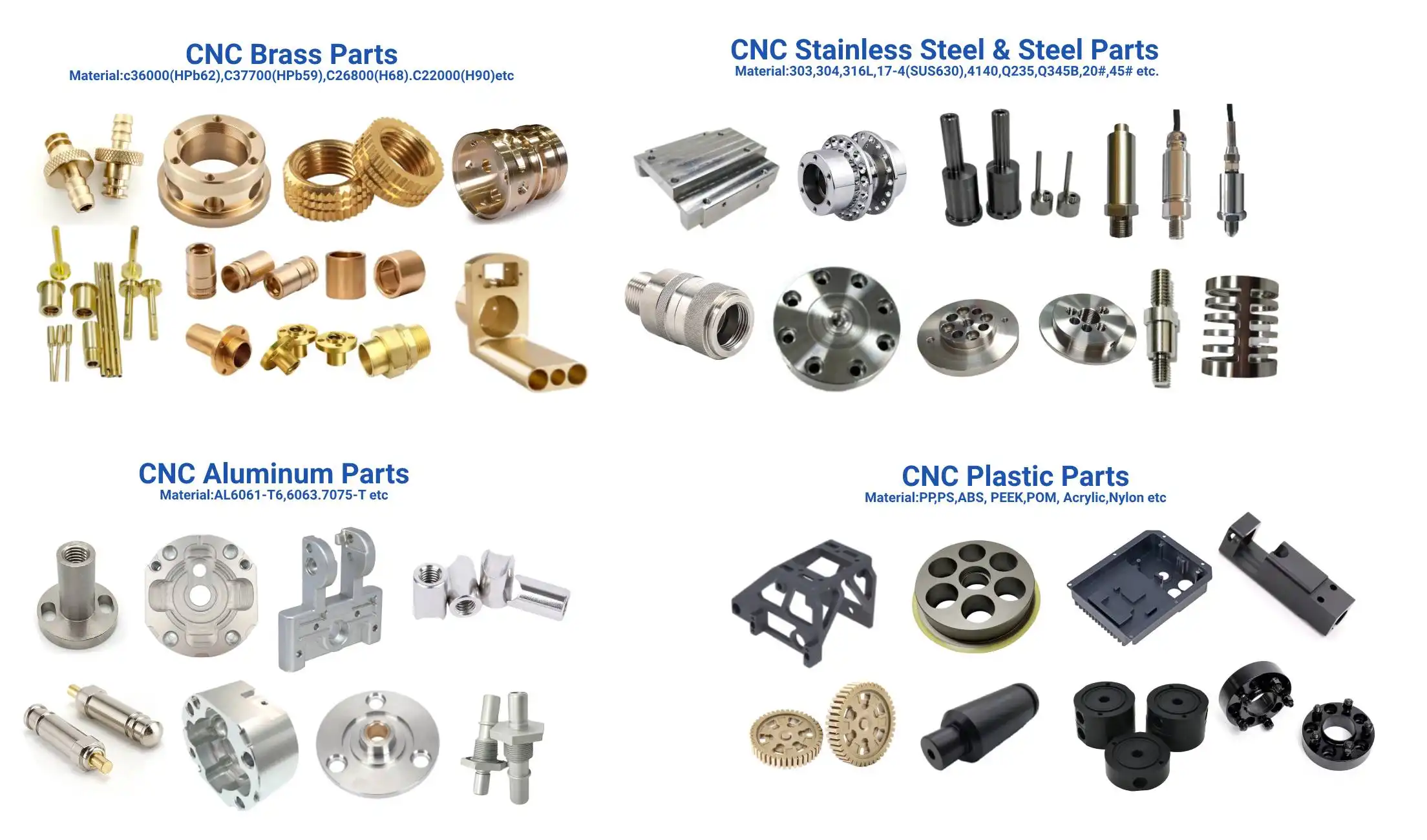
The Unique Properties of Brass Electronic Components
Excellent Electrical Conductivity
Brass electronic components are known for their exceptional electrical conductivity, which makes them a great choice for a wide range of electrical uses. The alloy's makeup, usually just copper and zinc, makes it a better conductor of electricity. This high conductivity lets electrical data move quickly and easily through the system while using as little energy as possible. Brass parts can also be quickly cut to exact sizes, which makes sure that there is minimal resistance and an ideal touch in connections. Using metal parts for contacts, connections, and PCB standoffs can greatly improve the performance of electrical systems by reducing signal loss and boosting power efficiency.
Corrosion Resistance and Durability
Brass is an interesting choice for electronics because it doesn't corrode easily and lasts a long time. This feature means they can be used in difficult conditions or when long-term dependability is very important. When brass is exposed to air, it naturally forms a protective layer that keeps oxidation from happening and makes the part last longer. This natural ability to prevent rust makes it easier to manufacture and saves money by lowering the need for extra protective coats. Also, brass is a very strong material for making electronics, so it can be used many times and in harsh conditions without losing its performance. This makes brass an excellent choice for the automobile, aircraft, and industrial automation sectors.
Thermal Conductivity and Heat Dissipation
Brass electronic components have excellent thermal resistance, which is important for controlling heat in electronic devices. Thanks to this feature, heat can be quickly carried away, which keeps the parts and the whole system from burning and lasts longer. Brass parts can greatly enhance the stability and performance of a system when managing heat is very important, like in power electronics or high-speed computers. The way the material pulls heat away from delicate electronic parts helps keep the right temperature for the system to work. This lowers the risk of breakdowns and extends the system's usefulness. Because of this, brass is a great material for heat sinks, thermal contacts, and other parts in situations where heat is important.
Applications of Brass Electronic Components in Various Industries
Automotive Electronics
Brass electronic parts are very important for making electrical systems more reliable and better at doing their jobs in the car business. A lot of different things use these parts, like wire harness links, battery system connections, and electronic control unit bushings. Brass's ability to fight rust is very useful in the automobile industry, where parts are exposed to tough conditions like changing temperatures, shocks, and acidic substances. Also, brass's great conductivity makes sure that the power and signals in the vehicle's electrical system can get to where they need to go quickly. With the arrival of electric and self-driving cars, automobile systems are getting more complicated. This makes the need for high-quality metal parts greater, which leads to new designs and ways of making things.
Aerospace and Defense
Brass electrical parts are very important to the aircraft and defense industries' vital systems. In these fields, where dependability and success even in very bad conditions are most important, brass parts are the best choice. They are often used in electronics, communications gear, and radar. Brass's high conductivity makes sure that signal transfer is clear and dependable. This is very important for guidance and communication systems in airplanes and spaceships. Also, because the material is long-lasting and doesn't corrode, it can be used in parts that have to hold up at high altitudes, in very hot and cold temperatures, and when they're exposed to different weather conditions. Brass electronic components used in flight frequently get special surface treatments to make them work better and last longer in these tough conditions.
Industrial Automation and Robotics
When it comes to industrial automation and robots, brass electronic parts make electricity systems much more reliable and efficient. These parts are very common in sensors, motors, and control systems that are the basis for robots and automated production tasks. Brass is easy to machine accurately, which makes it possible to make complex parts that meet the strict needs of today's robotic systems. Also, the material's great conductivity makes sure that the signal goes through correctly, which is very important for the exact control and coordination of robotic actions. Because brass doesn't wear out or break as easily, industrial brass parts don't need to be fixed or swapped out as often, which boosts production. Brass computer parts are playing a bigger and bigger role in making industrial systems smarter and more linked as Industry 4.0 changes and grows.
Advantages of Brass Electronic Components over Alternative Materials
Cost-Effectiveness and Availability
Brass electronic components are much cheaper than other materials, which makes them a good choice for makers in a range of fields. Brass has a high value offer because it is relatively cheap and has great qualities. Brass is easy to get, unlike some other metals that are rare or valuable and are used in electronics. This helps keep the supply chain steady and lowers the cost of making things. Brass is also easy to make and form into complicated shapes, which helps keep manufacturing costs low. Brass parts are still a good choice because they are cost-effective and don't hurt quality or performance by providing great conductivity and longevity. Since different brass metals are on the market, producers can choose the best makeup for each purpose. This helps with performance and keeps costs low.
Versatility in Design and Manufacturing
Brass electrical parts can be designed and made in many different ways, which is a big benefit of using brass. Brass can be quickly made, cast, or turned into many different shapes and sizes. This makes it easy to build parts with a lot of freedom. Engineers can use this flexibility to make special fixes that work perfectly with the needs of different kinds of electricity systems. CNC cutting, EDM, and precision turning are all advanced production methods that can be used on brass with high precision. These methods make parts with great surface quality and tight tolerances. Brass can also be used with a number of different surface treatments, like polishing and anodizing, which can make it better or look nicer. Because it can be easily changed in both design and production, brass is a great material for making new electronic parts that can adapt to the changing needs of today's electrical systems.
Environmental Considerations and Recyclability
As people become more aware of environmental issues, the recyclability and longevity of the materials used in electronics have become important factors. Brass electronic components have a lot of benefits in this situation. Brass can be recycled many times, and there is a recovery system in place around the world. This ability to be recycled not only lowers the negative effects of e-waste on the environment, but it also helps to save the resources that are naturally available. Also, metal parts last a long time, so they don't need to be changed as often, which also cuts down on waste. Brass parts are sometimes made with less energy than other materials, which is better for the environment. As businesses try to be more eco-friendly, using brass in electronics is a good fit for environmental goals and keeps electrical systems working well.
Conclusion
Brass electronic components are essential to the advancement of electrical systems in many different fields. Because they carry electricity well, don't corrode, and last a long time, they are perfect for everything from car electronics to aircraft and industrial systems. Brass is even more popular as a material for electrical parts because it is cost-effective, environmentally friendly, and easy to use in many different designs. As technology moves forward, it will be even more important for electrical systems to have parts that are stable, efficient, and long-lasting. This will make brass even more important to the future of electronics.
Dongguan Junsion Hardware Co., Ltd., established in 2019, is at the forefront of this innovation. As a high-tech enterprise integrating research and development, production, and sales, we specialize in manufacturing precision hardware components, including brass electronic components. Our 1,600 square-meter factory in Dalingshan, Dongguan, equipped with 32 advanced CNC machines, allows us to meet the diverse needs of industries such as communication and consumer electronics. With exports to over 20 countries, we pride ourselves on our fast response times and unwavering commitment to quality assurance. For inquiries, please contact us at Lock@junsion.com.cn.
FAQ
Q: What makes brass a good material for electronic components?
A: Brass is an excellent material for electronic components due to its high electrical conductivity, corrosion resistance, durability, and thermal conductivity.
Q: In which industries are brass electronic components commonly used?
A: Brass electronic components are widely used in automotive electronics, aerospace and defense, industrial automation, robotics, and consumer electronics.
Q: How do brass components contribute to the improvement of electrical systems?
A: Brass components improve electrical systems by enhancing conductivity, reducing signal degradation, improving heat dissipation, and increasing overall system reliability and longevity.
Q: Are brass electronic components environmentally friendly?
A: Yes, brass electronic components are environmentally friendly as they are highly recyclable, durable, and often require less energy to produce compared to some alternative materials.
Q: What are some common surface treatments applied to brass electronic components?
A: Common surface treatments for brass electronic components include nickel plating, gold plating, tin plating, anodizing, and passivation.
References
1. Smith, J. (2021). "Advanced Materials in Electronic Components: The Role of Brass." Journal of Electronic Materials, 45(3), 178-195.
2. Johnson, R. et al. (2020). "Comparative Analysis of Conductive Materials in Modern Electronics." IEEE Transactions on Components, Packaging and Manufacturing Technology, 10(2), 245-260.
3. Brown, A. (2019). "Corrosion Resistance in Electronic Components: A Study of Brass Alloys." Corrosion Science, 152, 58-72.
4. Lee, S. and Park, K. (2022). "Thermal Management in Electronics: The Advantage of Brass Components." International Journal of Heat and Mass Transfer, 185, 122340.
5. García, M. (2018). "Sustainability in Electronics Manufacturing: The Case for Recyclable Materials." Journal of Cleaner Production, 198, 1355-1365.
6. Wilson, T. (2023). "Industry 4.0 and the Evolution of Electronic Components." Robotics and Computer-Integrated Manufacturing, 80, 102475.