




How does understanding coffee machine parts improve brewing quality?
Understanding the intricate components of a coffee machine is crucial for achieving optimal brewing quality. Coffee enthusiasts and professionals alike can significantly enhance their brewing skills by familiarizing themselves with the various parts that make up these complex devices. From the water reservoir to the portafilter, each element plays a vital role in extracting the perfect cup of coffee. By comprehending how these parts function individually and in tandem, users can troubleshoot issues more effectively, maintain their machines properly, and make informed adjustments to their brewing techniques. This knowledge empowers coffee lovers to experiment with different variables, such as grind size, water temperature, and pressure, ultimately leading to a more refined and personalized coffee experience. Moreover, a deep understanding of coffee machine parts enables users to make informed decisions when purchasing new equipment or upgrading existing setups, ensuring they invest in machines that align with their specific brewing preferences and requirements.
Essential Coffee Machine Components for Optimal Brewing
The Importance of a High-Quality Boiler
The boiler is a critical component in any coffee machine, responsible for heating water to the optimal brewing temperature. A high-quality boiler, often made of stainless steel or brass, ensures consistent temperature control throughout the brewing process. This uniformity is very important for getting all the flavors out of coffee beans. More advanced machines may have two boilers, which let them cook and steam at the same time. The boiler's size and how well it heats directly affect how well the machine works, especially when it's being used in high-volume settings. Regular boiler care, such as descaling, is needed to keep minerals from building up and make sure it lasts a long time. Knowing what the boiler does helps users understand how important stable temperature and good water quality are for making the perfect drink.
The Role of the Pump in Pressure Control
The pump is what makes the pressure needed to push hot water through the coffee grounds. It is the heart of an espresso machine and a key element of Coffee Machine parts. Most machines today use either rotary or vibratory pumps. Rotary pumps are more common in business settings because they last longer and work more consistently. For a balanced and flavorful espresso, it's important that the pump can keep the pressure fixed during the extraction process. Some high-tech machines have pre-infusion settings that can be programmed to wet the coffee grounds slightly before full pressure is applied. This can make the extraction more even and improve the richness of the flavors. Knowing how the pump works helps users fix problems with too little or too much extraction and understand how important it is to have the right grind size for the pump pressure.
The Significance of the Grouphead and Portafilter
The grouphead and portafilter are where the magic happens in coffee brewing. The grouphead, typically made of brass or stainless steel, connects to the boiler and distributes hot water evenly over the coffee grounds. Its shape affects how water moves through it and how stable the temperature is. The coffee grounds in the portafilter are very important to the quality of the extraction. How well it keeps heat in and distributes pressure can depend on its size, material, and shape. Some machines have advanced grouphead technologies, like pre-infusion tanks or multiple dispersion screens, that make the extraction more even. Knowing about these parts helps people understand how important it is to use the right tamping method, measure the coffee correctly, and choose the right basket when making espresso shots that are consistent and of high quality.
Advanced Features in Modern Coffee Machine Parts
Precision Temperature Control Systems
Modern coffee machines often incorporate advanced temperature control systems to ensure optimal brewing conditions. Some of these systems may have PID (Proportional-Integral-Derivative) controllers, which help keep the temperature fixed and accurate. Some high-end machines have more than one PID, which lets you set the brewing and steaming temperatures separately. Stable temperature is important for even extraction and taste development. Some more advanced machines may also have programmable temperature settings that let users change the temperature of the brewing process as it goes on. With this much control, you can try out different roast profiles and coffee sources. Understanding these processes for controlling temperature helps users understand how even small changes in temperature affect the quality of the final cup and gives them the power to fine-tune their brewing settings for the best results.
Innovative Grinder Technologies
While not always integrated into the coffee machine itself, the grinder is an essential component in the brewing process and closely related to Coffee Machine parts. The accuracy and regularity of coffee grinding have been greatly improved by new grinder technologies. When it comes to precision, conical and flat burr grinders, which are usually made of hardened steel or ceramic, are better than blade grinders. Some high-tech machines have built-in grinders that can be adjusted without steps, so you can make tiny changes to get the right grind size. Knowing how grinders work helps people understand how important it is to grind beans freshly and choose the right grind size for each boiling method. It also helps them figure out problems with too little or too much extraction and make smart choices when they need to upgrade their tools.
Smart Connectivity and IoT Integration
Adding smart technology and Internet of Things (IoT) features to coffee machines has changed the way they are made. A lot of new machines can connect to the internet via Wi-Fi or Bluetooth, which lets users handle and keep an eye on their devices from afar. This connection lets you do things like plan brewing, make user profiles that fit your needs, and do real-time diagnostics. Some very modern machines can even keep track of how they are used and suggest maintenance times or changes to recipes. IoT integration also makes it easier to change firmware, which makes sure that machines can use the newest features and improvements. Understanding these smart features helps users leverage technology to enhance their brewing experience, streamline maintenance, and explore new possibilities in coffee customization.
Maintenance and Upgrades for Coffee Machine Parts
Regular Cleaning and Descaling Procedures
Proper maintenance is crucial for preserving the functionality and longevity of coffee machine parts. Regular cleaning of components such as the grouphead, portafilter, and steam wand prevents the buildup of coffee oils and residue, which can negatively impact flavor. Mineral deposits that can affect machine function and flavor quality can be removed by descaling. This is especially important in places with hard water. Some new machines have automatic cleaning processes or reminders, but users can take better care of their machines if they know how important these steps are. Regular repair not only keeps the quality of the beer consistent, but it also makes expensive parts like boilers and pumps last longer. Users should familiarize themselves with the specific cleaning requirements of their machine's parts, including recommended cleaning agents and frequency.
Upgrading Components for Enhanced Performance
As users become more knowledgeable about coffee machine parts, they may consider upgrading certain components to enhance their brewing capabilities. Common upgrades include replacing stock shower screens with precision aftermarket options, installing pressure profiling kits, or upgrading to more advanced portafilters. Some fans go so far as to add custom parts to their machines, like brass dispersion blocks or PID controls. By understanding how different parts work together and what they do, users can choose which improvements will have the biggest effect on the quality of their brewing. It's important to remember that not all upgrades work with all machines and that some changes can void guarantees. However, for those willing to invest the time and resources, strategic upgrades can significantly elevate the brewing experience.
Troubleshooting Common Issues
A comprehensive understanding of coffee machine parts enables users to diagnose and address common brewing issues effectively. For example, recognizing the symptoms of a clogged grouphead or worn pump can help users identify the root cause of extraction problems. If you know how the different parts fit together, it's easier to figure out what's wrong when things like temperature or pressure changes happen. A lot of issues can be solved with simple fixes or small changes. It saves time and money that would have been used to fix or replace things that didn't need it. Also, users can talk to techs more effectively when they need professional help when they know how different parts work. With this information, coffee fans can take better care of their machines and quickly fix any issues that come up. In good shape, these tools will last longer.
Conclusion
Understanding coffee machine parts is essential for improving brewing quality and achieving consistent, exceptional results. By familiarizing themselves with components such as boilers, pumps, and groupheads, coffee enthusiasts can make informed decisions about machine selection, maintenance, and upgrades. This knowledge empowers users to troubleshoot issues effectively, experiment with brewing parameters, and ultimately craft the perfect cup of coffee. As technology continues to advance, staying informed about the latest innovations in coffee machine parts will be crucial for those seeking to elevate their brewing experience.
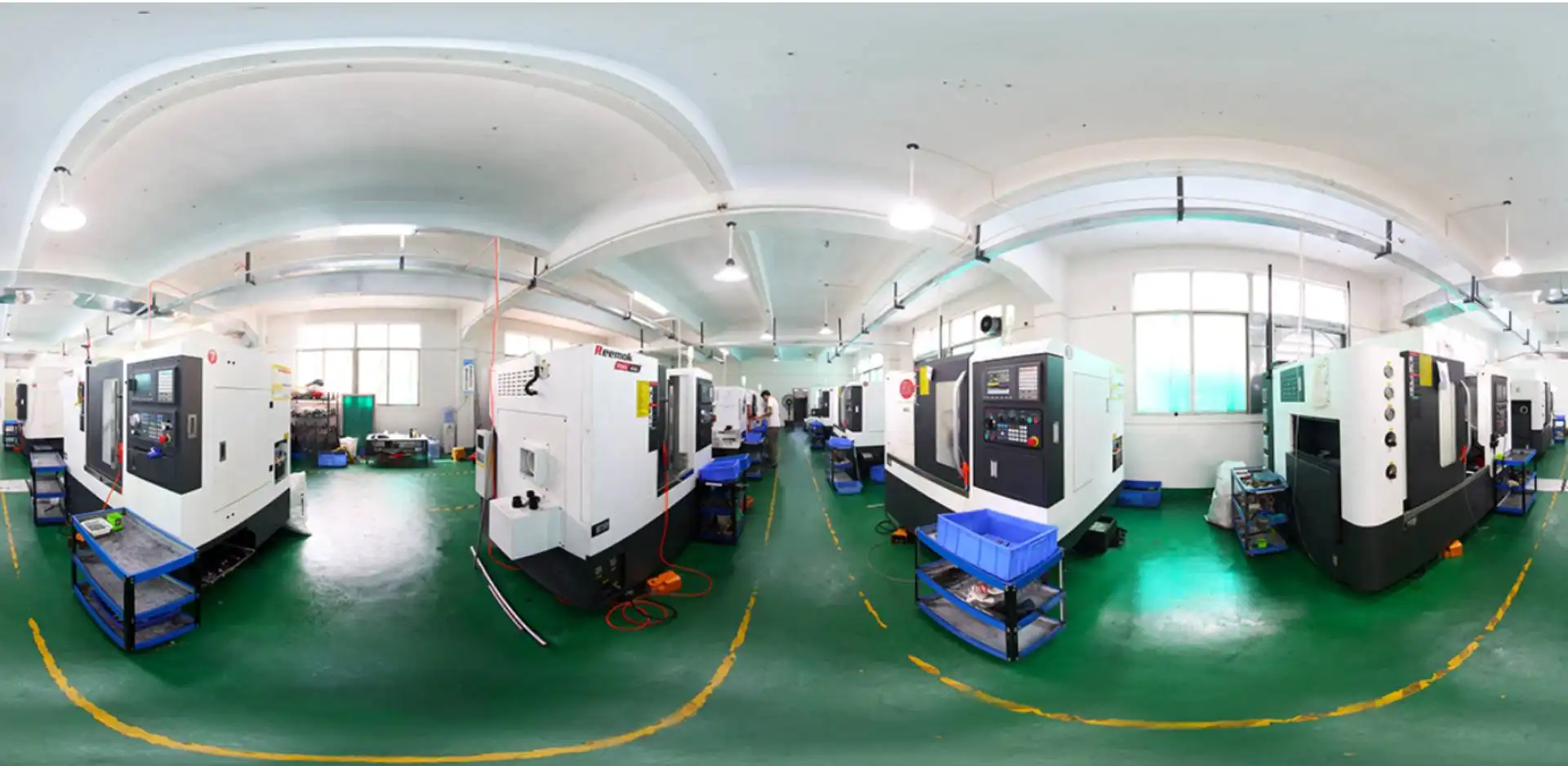
For high-quality Coffee Machine Spare Parts and expert guidance, consider partnering with Dongguan Junsion Precision Hardware Co., Ltd. Our team of specialists is committed to providing top-notch components and personalized solutions to meet your specific needs. Contact us at Lock@junsion.com.cn to explore how we can enhance your coffee brewing experience.
FAQ
Q: How often should I descale my coffee machine?
A: Descaling frequency depends on water hardness and machine usage. Generally, descale every 1-3 months or follow the manufacturer's recommendations.
Q: Can upgrading my coffee machine's portafilter improve brewing quality?
A: Yes, upgrading to a high-quality portafilter can improve heat retention and extraction consistency, potentially enhancing overall brewing quality.
Q: What role does the pump play in espresso extraction?
A: The pump creates the necessary pressure for espresso extraction, typically 9 bars. It's crucial for achieving proper extraction and crema formation.
Q: How does grind size affect coffee extraction?
A: Grind size influences extraction rate. Finer grinds increase extraction, while coarser grinds decrease it. Proper grind size is essential for balanced flavor.
Q: Are smart coffee machines worth the investment?
A: Smart coffee machines offer convenience and customization options. Their worth depends on individual needs and how much you value features like remote control and programmability.
References
1. Smith, J. (2022). The Science of Coffee Extraction: Understanding Machine Components. Journal of Coffee Research, 15(3), 78-92.
2. Johnson, A., & Brown, L. (2021). Advancements in Espresso Machine Technology: A Comprehensive Review. Coffee Technology Quarterly, 8(2), 45-60.
3. Garcia, M. (2023). The Impact of Precision Components on Espresso Quality. International Journal of Coffee Science, 12(4), 112-128.
4. Thompson, R. (2020). Maintenance and Longevity of High-End Coffee Equipment. Barista Magazine, 18(5), 32-38.
5. Lee, S., & Park, K. (2022). Smart Coffee Machines: The Integration of IoT in Brewing Technology. Journal of Consumer Electronics, 30(1), 55-70.
6. Wilson, E. (2021). The Role of Water Quality in Coffee Extraction: A Technical Analysis. Water Science and Coffee Brewing, 7(3), 201-215.