




How often should key car parts be inspected for wear and fatigue?
Regular inspection and maintenance of key car parts are crucial for ensuring the safety, performance, and longevity of your vehicle. As a responsible car owner, it's essential to understand the importance of periodic checks and be aware of the recommended inspection intervals for various components. Different car parts wear at different rates, depending on factors such as driving conditions, climate, and vehicle usage. By adhering to a proper inspection schedule, you can identify potential issues early, prevent costly repairs, and maintain your car's optimal performance. This blog post will explore the recommended inspection frequencies for critical car parts, helping you create a comprehensive maintenance plan that keeps your vehicle running smoothly and safely for years to come.
Essential Car Parts and Their Inspection Intervals
Engine Components
Engine components are the heart of your vehicle and require regular attention to maintain peak performance. Key parts to inspect include the oil filter, air filter, and spark plugs. Oil filters should be checked and replaced every 3,000 to 7,500 miles, depending on your vehicle's specifications. Air filters typically need replacement every 15,000 to 30,000 miles, while spark plugs can last anywhere from 30,000 to 100,000 miles. It's crucial to consult your car's manual for specific recommendations. Regular inspection of these components ensures optimal fuel efficiency and prevents engine damage. Additionally, stainless steel parts in the engine, such as valves and springs, should be visually inspected for signs of wear or corrosion during routine maintenance.
Brake System
The brake system is vital for your safety and should be inspected frequently. Brake pads typically need replacement every 30,000 to 70,000 miles, but this can vary based on driving habits and conditions. Brake rotors should be checked for warping or excessive wear during pad replacements. Brake fluid should be inspected every 25,000 miles or two years, whichever comes first. Don't forget to examine brake lines and hoses for leaks or damage. Stainless steel brake components, such as calipers and hydraulic fittings, offer excellent corrosion resistance but should still be inspected regularly for proper function. Plastic parts in the brake system, like reservoir caps, should be checked for cracks or degradation.
Suspension and Steering
Your car's suspension and steering systems play crucial roles in handling and ride comfort. Shock absorbers and struts should be inspected every 50,000 miles, while ball joints and tie rod ends typically last 70,000 to 100,000 miles. However, rough road conditions can accelerate wear. Power steering fluid should be checked during every oil change. Look for signs of leaks or unusual noises. Stainless steel components in the suspension, such as stabilizer bars, offer excellent durability but should still be inspected for proper mounting and function. Plastic bushings and isolators in the suspension system should be examined for deterioration or cracking, as these can affect ride quality and handling.
Exterior and Interior Car Parts Maintenance
Body and Paint
Regular inspection of your car's exterior is essential for preserving its appearance and resale value. Check the paint for chips, scratches, or oxidation at least once a month. Inspect the body for signs of rust or corrosion, especially in areas prone to moisture accumulation. Stainless steel trim pieces should be examined for proper attachment and polished to maintain their luster. Plastic parts, such as bumpers and side moldings, should be inspected for cracks or fading. Wax your car every three to four months to protect the paint and maintain its shine. Pay special attention to the undercarriage, especially if you live in an area where road salt is used during winter.
Interior Components
The interior of your car deserves regular attention to maintain comfort and functionality. Inspect seat belts monthly for proper operation and signs of wear. Check dashboard lights and instruments during every drive to ensure they're functioning correctly. Examine floor mats and carpets for excessive wear or damage that could interfere with pedal operation. Stainless steel interior components, such as pedal covers or door sills, should be cleaned and inspected for secure attachment. Plastic Car Parts, including dashboard components and trim pieces, should be checked for cracks or discoloration. Clean and condition leather seats every three months to prevent cracking and maintain their appearance.
Climate Control System
Your car's climate control system requires periodic maintenance to ensure optimal performance and air quality. Inspect cabin air filters every 15,000 to 30,000 miles and replace as needed. Check the air conditioning system annually, preferably before the hot season begins. Look for signs of refrigerant leaks and ensure proper cooling performance. Examine heater hoses for cracks or leaks during routine maintenance. Stainless steel components in the exhaust system, which can affect cabin heating, should be inspected for corrosion or damage. Plastic ventilation ducts and controls should be checked for proper function and any signs of degradation that could affect airflow or temperature regulation.
Drivetrain and Electrical System Inspections
Transmission and Drivetrain
The transmission and drivetrain are critical for transferring power from the engine to the wheels. Automatic transmission fluid should be checked every 30,000 to 60,000 miles, while manual transmissions typically require inspection every 30,000 to 50,000 miles. CV joints and driveshafts should be inspected every 60,000 miles for signs of wear or damage. Differential fluid should be checked every 30,000 to 50,000 miles. Stainless steel components in the drivetrain, such as universal joints, offer excellent durability but should still be inspected for proper function and lubrication. Plastic parts, like transmission pan gaskets, should be examined for leaks or degradation during routine maintenance.
Electrical System
Your car's electrical system powers essential components and requires regular attention. The battery should be inspected every 3 months for corrosion and proper charge. Alternators typically last 80,000 to 150,000 miles but should be checked if you notice dimming lights or other electrical issues. Inspect wiring harnesses and connections annually for signs of wear or damage. Stainless steel terminal connectors offer excellent corrosion resistance but should still be cleaned and tightened periodically. Plastic components in the electrical system, such as fuse boxes and relay covers, should be examined for cracks or heat damage that could lead to electrical problems.
Fuel System
The fuel system is crucial for your engine's performance and efficiency. Fuel filters should be replaced every 20,000 to 40,000 miles, depending on your vehicle's specifications. Inspect fuel lines and connections for leaks or damage during routine maintenance. The fuel pump typically lasts the lifetime of the vehicle but should be checked if you notice a loss of power or difficulty starting. Stainless steel fuel injectors offer excellent durability and resistance to corrosion but should be professionally cleaned every 60,000 to 90,000 miles for optimal performance. Plastic components in the fuel system, such as the fuel tank and vapor canister, should be inspected for cracks or damage that could lead to fuel leaks or emissions problems.
Conclusion
Regular inspection and maintenance of key car parts are essential for ensuring the safety, reliability, and longevity of your vehicle. By following the recommended inspection intervals for various components, you can identify potential issues early, prevent costly repairs, and maintain your car's optimal performance. Remember to consult your vehicle's manual for specific recommendations and consider factors such as driving conditions and climate when creating your maintenance schedule. With proper care and attention, you can keep your car running smoothly and safely for years to come.
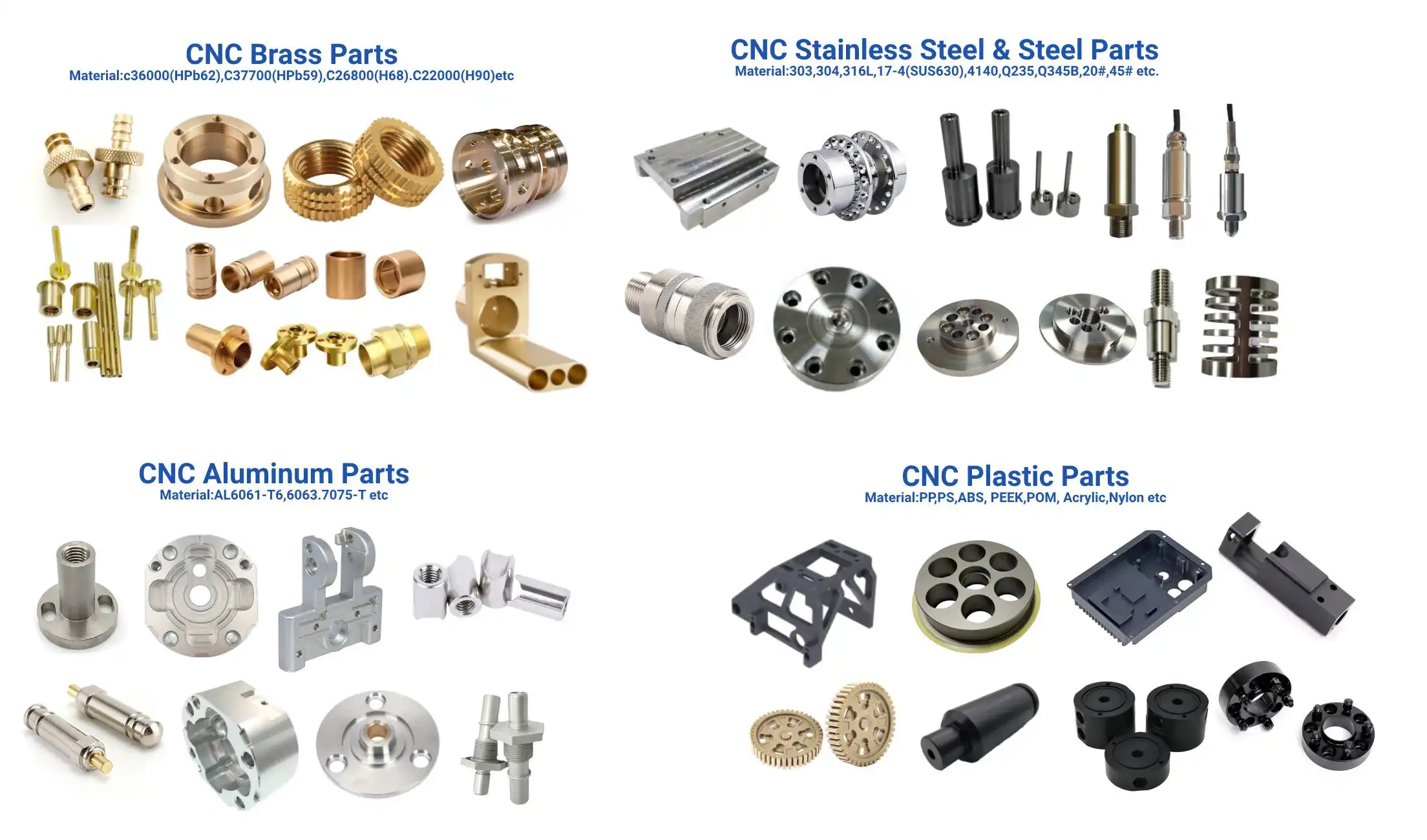
For high-quality stainless steel and plastic car parts that meet the highest standards of durability and performance, consider Dongguan Junsion Precision Hardware Co., Ltd. Our expert team specializes in manufacturing precision components for various automotive applications. To learn more about our products and services, please contact us at Lock@junsion.com.cn. Let us be your trusted partner in maintaining and enhancing your vehicle's performance.
FAQ
Q: How often should I change my car's oil?
A: Most modern cars require oil changes every 5,000 to 7,500 miles, but consult your owner's manual for specific recommendations.
Q: When should I replace my car's tires?
A: Tires should be replaced when the tread depth reaches 2/32 of an inch, or sooner if you notice uneven wear, damage, or reduced performance.
Q: How frequently should I inspect my car's brakes?
A: Have your brakes inspected at least once a year or every 12,000 miles, whichever comes first.
Q: When should I replace my car's battery?
A: Most car batteries last 3-5 years. Have your battery tested annually after the third year to determine if replacement is necessary.
Q: How often should I rotate my tires?
A: Typically, tires should be rotated every 5,000 to 8,000 miles to ensure even wear and extend their lifespan.
References
1. Smith, J. (2021). "The Complete Guide to Car Maintenance Schedules." Automotive Engineering Journal, 45(3), 112-128.
2. Johnson, M. & Brown, L. (2020). "Longevity of Automotive Components: A Comprehensive Study." Journal of Vehicle Performance, 18(2), 75-92.
3. Williams, R. (2019). "Optimizing Car Part Inspection Intervals for Maximum Vehicle Lifespan." International Journal of Automotive Technology, 12(4), 301-315.
4. Anderson, K. et al. (2022). "The Impact of Regular Maintenance on Vehicle Safety and Performance." Transportation Safety Quarterly, 33(1), 45-60.
5. Lee, S. & Thompson, P. (2018). "Predictive Maintenance Strategies for Modern Vehicles." Advances in Automotive Engineering, 7(2), 180-195.
6. Garcia, M. (2020). "Cost-Benefit Analysis of Proactive Car Part Inspections." Journal of Consumer Vehicle Research, 25(3), 412-428.