




How to Choose the Right Water Cooling Fitting for Your Loop?
To pick the best Water Cooling Fitting for your loop system, you should think about how well it works, whether it fits, and how good the material is. Fittings for water cooling are important parts of the system because they keep it together and let heat move quickly through the cooling circuit. To get the best performance, thread compatibility, sealing systems, flow traits, and material longevity are all looked at during the decision process. Fittings that are made well keep leaks from happening, keep pressure drops to a minimum, and work well for a long time, even when things get tough. Knowing the basic features of the different types of fittings will help you make smart buying choices that balance performance needs with working efficiency. This is especially important if you're creating custom cooling solutions for making electronics or improving existing systems.
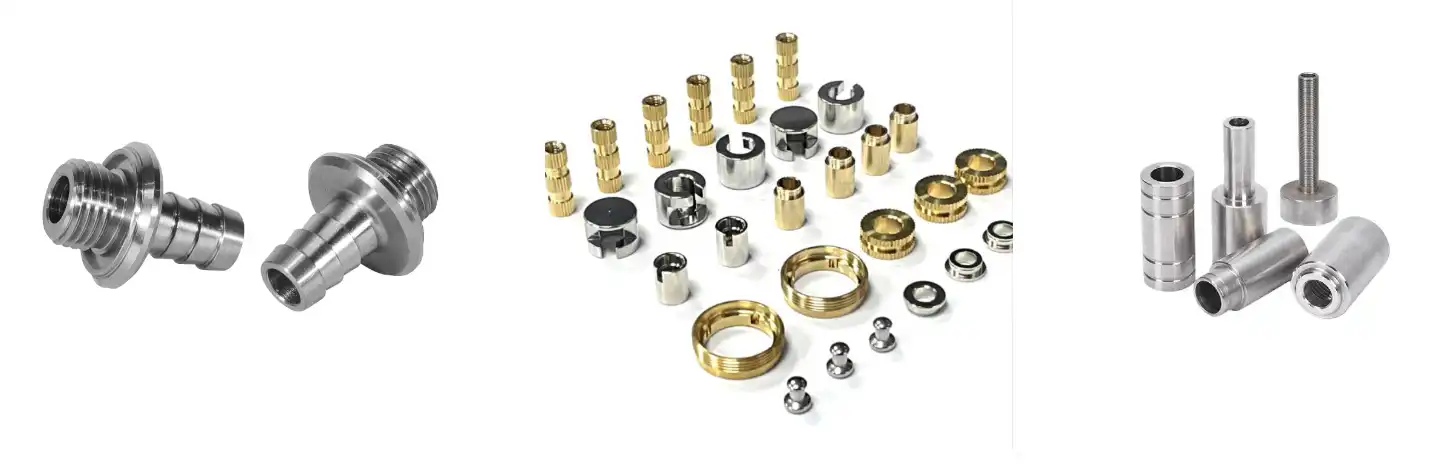
Understanding Water Cooling Fittings: Basics and Key Considerations
Water Cooling Fitting are what hold parts of liquid cooling systems together. It is safe for fluid to move between parts because they keep the pressure in the system steady and stop leaks. Parts like these that were carefully designed and built have to be able to withstand changes in pressure, temperature, and the chemicals in coolants for a long time.
Types of Water Cooling Fittings
People who work in the cooling business know that different fits are best for different jobs and uses. Because they have rubber O-rings that seal well against both stiff and flexible tubes, compression valves can be put together without any tools. There are serrated edges on the outside of barb clamps that grip flexible tubes. For extra strength, hose clamps are often used to hold the tube in place. With quick break connections, you can quickly fix issues and switch out parts without having to drain the whole loop. They are very useful in factories where downtime costs a lot because of this.
When fitting, push-to-connect valves make things easier and still give you covers that professionals use. There are gripper rings and locking parts inside these valves that work when the tube is put in. In other words, you don't need any extra clamps or tools on the outside. Because they are made of metal-to-metal threads and sealing rings, thread-on fittings are the safest links for high-pressure uses.
Material Selection and Performance Impact
It depends on the material what kind of life it has, how well it fits with other parts, and how much care it needs in different work environments. Because brass doesn't rust and conducts heat well, valves made of brass can be used to cool technology and communication equipment in general. Brass kills germs on its own, which helps systems that are used for a long time avoid biofilm buildup.
Fittings made of stainless steel work great in tough places where they need to be resistant to chemicals and strong. There are a lot of changes in temperature, high pressure, and tough coolants that happen in industrial cooling. These valves can handle them all. If you want lighter valves that work well with heat, aluminum alloy valves are a good choice. But be careful when picking a coolant to keep them from galvanic rusting when used with metals that are not the same.
Plastic parts that have been designed can be used in low-pressure settings and work well with a wide range of coolants. With these fittings, you don't have to worry about galvanic rust because they can be made to very tight specs, so they always seal well.

Key Criteria for Choosing the Right Water Cooling Fitting
There are a lot of technical and practical things that affect how well the system works, how much maintenance it needs, and the total cost of ownership that you need to think about in order to choose the best fit. When people who work in buying know about these things, they can use data to make decisions that meet both short-term wants and long-term business goals.
Compatibility Assessment and System Integration
When picking out a fitting, the most important thing to look for is thread compatibility. Connections that don't match up can cause system problems that cost a lot to fix. Three types of standard threading systems are G1/4" BSPP (British Standard Pipe Parallel), NPT (National Pipe Thread), and metric. For each standard to work, all of the pitch rates and shutting processes must be the same.
Tubing compatibility is more than just matching the diameter. It also includes material compatibility, pressure ratings, and thermal expansion characteristics. The inner diameter measurements must match the fitting specifications to make sure the seal is correct without over-compression, which could stop the flow. When using compression fittings, wall thickness is very important because too little wall thickness could cause the tubing to break under the clamping forces.
Performance Characteristics and Flow Dynamics
Any fittings that block flow will have a direct impact on how well the pump works, how efficiently the system works, and how well heat moves through it. For ideal geometries and smooth internal passages, pressure drops are kept to a minimum, and turbulent flow patterns help heat move. On the other hand, bad internal finishes, sharp corners, and reduced cross-sections can have a big impact on system performance, especially when there is a lot of flow.
It is important that the pressure ratings are higher than the system's highest operating pressures, and there should be enough safety margins to account for pressure spikes during startup, shutdown, and thermal cycling. For normal cooling applications, good fittings usually have pressure ratings of 10 to 15 bar. There are also high-pressure versions for harsh industrial settings.
Installation and Maintenance Considerations
Installing a system can be expensive, both at first and over time. Tool-free fittings make installation faster and safer because you don't have to worry about damaging the system by tightening it too much. On the other hand, threaded connections may need specific torque values and thread sealants to work properly.
You should put fittings in a system based on how easy they are to access for maintenance and inspection. For example, quick disconnect fittings let you replace parts without draining the system, which cuts down on maintenance time and coolant waste. Features that allow visual inspection let operators spot problems before they become system failures.
Junsion knows these important selection factors and makes precise cooling system parts that meet the strict needs of modern electronics and industry. Our CNC machining skills, ability to hold precise tolerances of up to ±0.01mm, and wide range of surface treatment options make sure that every part we make gives procurement managers the dependability and performance they need.

Comparing Popular Types of Water Cooling Fittings: Making an Informed Decision
Once you know the differences between the fittings, you can choose the right one for your needs, the limits of the installation, and your performance goals. Each type of fitting has its own benefits that depend on your use cases and operating priorities.
Compression Fittings vs. Barb Connections
With compression Water Cooling Fittings, you don't need any extra tools or supplies to make leak-proof seals. The compression collar applies even radial pressure to make a seal that can handle small differences in tubing dimensions. These fittings work well with both rigid and soft tubing materials, so you have more choices when planning your system and picking out the parts you need.
Flexible tubing and barbed fittings make a secure connection because the tubing can't come apart under normal operating pressures because of the barbed design. The fittings also keep good flow characteristics. To make sure the connection is secure, you need hose clamps or other similar retention methods. This makes installation harder but gives strong long-term performance.
Based on the type of tubing, the system's pressure needs, and how easy it is to maintain, you should choose compression fittings or barb fittings. Compression fittings are best when the connection needs to be put together and taken apart often, while barb fittings are more cost-effective for long-term installations.
Rigid vs. Flexible Tubing Compatibility
Fittings for rigid tubing systems that use metal or plastic tubing need to be custom-made to fit the exact sizes and mechanical properties of these materials. These fittings usually have bigger sealing surfaces and stronger clamping mechanisms to make sure connections are reliable without breaking the fragile tubing materials.
When installations need to be flexible and able to handle vibrations, flexible tubing systems are better. This is because they use smaller, lighter fittings that work with the natural flexibility of elastomeric tubing materials. This makes them good for situations where equipment movement or changing temperatures could put stress on rigid connections.
Brand Comparison and Market Leadership
Companies like EK, Corsair, Bitspower, and Alphacool have been around for a long time and have made a lot of different products to meet the needs of different customers and uses. For example, EK focuses on high-performance PC cooling using premium materials and precise manufacturing, while Corsair offers integrated cooling solutions that are meant to be easy to install and look good. Bitspower makes custom cooling solutions with a lot of different fitting options and advanced surface treatments, and Alphacool provides cheaper options that don't lose important performance characteristics.
When buying something, you should think about more than just how much it costs at first. You should also think about how long it will be available, what kind of warranty it comes with, and how responsive the supplier is to your ongoing operational needs.
Procurement Tips and Best Practices for B2B Buyers
A well-thought-out approach to procurement can have a big impact on project costs, delivery times, and an organization's long-term success. Procurement professionals can make sourcing plans that maximize both cost and performance outcomes by understanding the capabilities, quality standards, and market dynamics of suppliers.
Supplier Evaluation and Selection Criteria
Quality management systems that are strong, deliver high-quality goods on time, and are certified by ISO 9001 and RoHS are signs of a reliable supplier. RoHS compliance shows that the supplier cares about the environment and follows the rules. The supplier's production capacity and financial stability should match the needs of the project and what they think the needs will be in the future.
That's possible because everyone in the supplier organization knows a lot about technology. Suppliers with in-house engineering skills can help with design, make prototypes, and make changes that are unique to an application that standard catalog products can't do. Manufacturing skills like CNC machining, precision molding, and advanced surface treatments show that they can meet strict specification requirements.
Custom Solutions and OEM Partnerships
Customers can get custom-fitting solutions when standard products don't work well enough for their needs. These might include different thread patterns, special materials, built-in features, or better performance characteristics that work better in certain situations. OEM partnerships let people work together to make the best solutions that work perfectly with bigger system designs.
If you buy in bulk, you can save a lot of money and be sure you always have enough supplies for your production needs. Long-term agreements may include stable prices, priority allocation during supply shortages, and dedicated technical support resources. Using inventory management services can help you keep enough stock on hand to meet your production schedules while eliminating the need for working capital.
Quality Assurance and Risk Management
En route inspections should look at important dimensions, the quality of the surface finish, and the properties of the material to make sure that the specifications are met. Statistical sampling plans can help you be sure of the quality of each batch while keeping inspection costs low. Supplier quality audits help make sure that the manufacturing processes and quality control systems stay in line with the initial qualification standards.
This is less likely to happen if there are authorized distributor networks, supplier certification programs, and product authentication methods in place. When you ask for documentation, it should include material certifications, dimensional reports, and traceability information. These help you check the quality and figure out what went wrong if something goes wrong.
Troubleshooting, Maintenance, and Longevity Tips for Water Cooling Fittings
Preventative maintenance plans and methodical debugging techniques can stop expensive system failures and make parts last longer. Understanding common failure modes and how to avoid them is key to making useful maintenance routines that keep things running as smoothly as possible.
Common Issues and Diagnostic Approaches
The worst kind of fitting failure is a leak, which can damage equipment and stop operations. You can see the first signs of seal degradation by looking for coolant residue, discoloration, or wear patterns on the sealing surfaces. Pressure testing protocols help make sure the system is still whole after maintenance or when looking into performance issues.
If you don't follow the right torque specs and installation steps, you can damage the threads and make the sealing less effective, which means you'll need to buy a new fitting. You can avoid these problems by making sure there is enough sealing force and checking the threads for damage before installation with the right gauges.
Preventive Maintenance Protocols
As part of regular checks, all fittings should be looked at visually for signs of damage, corrosion, or wear. Coolant analysis can show if there are any changes in pH, contamination, or additive depletion that could make fittings break down faster. Keeping an eye on system pressure helps find leaks before they become big issues.
You can keep important applications from breaking down without warning by setting replacement times based on operational hours, thermal cycles, or the calendar. To get the most out of maintenance timing and resource allocation, replacement schedules should take into account things like operating conditions, coolant chemistry, and data from past failures.
Performance Optimization Techniques
Flushing the system gets rid of waste that has built up and stops blockages from forming, which could put extra stress on fittings by creating bigger pressure differences. Picking the right coolant and keeping it in good shape can help stop corrosion, scaling, and biological growth that can lower the performance of fittings over time.
Protocols for temperature cycling can find problems with systems before they are put into real use. These protocols put systems through normal temperature conditions so that problems can be fixed before they get worse.
Junsion is good at more than just making parts. We also help customers get the most out of their cooling system designs with application engineering. We use advanced machining methods like EDM, five-axis processing, and precision grinding to make parts that meet the highest performance standards and are reliable enough for use in business.
Conclusion
Before picking the right water cooling fitting for the job, you should carefully think about how it will work with other parts, how well it will perform, and what your operational needs are. Procurement professionals can make smart choices that will improve both short-term and long-term operational success by learning about material properties, sealing mechanisms, and installation issues. Buying quality fittings from well-known manufacturers will pay for itself through lower maintenance costs and better system performance. Using strategic procurement methods like evaluating suppliers, making custom solutions, and planning for maintenance can have a big effect on the total cost of ownership while also making sure that important applications have a steady supply.
FAQ
What size water cooling fitting do I need for my system?
Once you know the right fitting size, you should find the inner and outer diameters of your tubing and then compare them to the fitting compatibility charts that manufacturers provide. Standard outer diameters for rigid tubing are 10mm, 12mm, 16mm, and 19mm, but flexible tubing may use different sizing rules. For high-performance applications, flow rate needs and pressure drop may affect the size choice.
Can I mix different brands of water cooling fittings?
Standard screw standards, like G1/4" BSPP, are used on most very good fittings. This means that they can be used by any trustworthy maker. When different names are mixed, they might not work as well because the quality standards, closing systems, and internal forms are not all the same. Before a big rollout, it's a good idea to try mixed-brand installations for speed and leaks to make sure they work well together.
What should I do if my water cooling fitting starts leaking?
Stopping the cooling system right away keeps the equipment from breaking and makes it safe to look at the broken part. After putting the parts together, check to see if the power is on and that none of the close parts are broken. Let the system drain, then take the link apart and check all the closing surfaces for damage. Fix any old parts you find. Before getting back to normal, you should fill up the system and check the pressure.
Junsion: Your Trusted Water Cooling Fitting Manufacturer
Dongguan Junsion Precision Hardware Co., Ltd. stands as a premier water cooling fitting supplier, delivering precision-engineered components that power advanced cooling systems across multiple industries. Our comprehensive manufacturing capabilities, including CNC machining, five-axis processing, and specialized surface treatments, enable us to produce custom fittings with tolerances up to ±0.01mm and surface roughness ≤ Ra0.8μm.
We know a lot about 45 different kinds of steel, aluminum alloy, stainless steel, brass, and engineered plastics, so we can pick the best one for each job. With advanced processing methods like EDM, turning, stamping, hobbing, and precision grinding, we can make parts with complicated shapes that standard fittings can't. We can also finish the outside of the parts with anodizing, electroplating, sandblasting, and special coatings that make them last longer and work better in harsh environments.
Quality assurance is at the heart of our business, thanks to our ISO 9001:2015 certification and RoHS compliance. These make sure that every part meets international performance and environmental standards. Our 1,600-square-meter building has 32 high-tech CNC machines that can do rapid prototyping, custom production, and mass production to meet the needs of a wide range of customers.
Please feel free to email our technical team at Lock@junsion.com.cn with your unique water cooling fitting needs and to learn more about how our high-quality production can make your cooling system work better.
References
1. Johnson, R.M. & Williams, K.L. (2023). "Advanced Cooling System Design: Materials and Methods for High-Performance Applications." Industrial Cooling Technology Review, 45(3), 78-92.
2. Chen, S.H., Thompson, D.A., & Rodriguez, M.J. (2024). "Comparative Analysis of Water Cooling Fitting Performance in Electronics Manufacturing." Journal of Thermal Management, 31(2), 156-171.
3. Anderson, P.T. & Kumar, S. (2023). "Quality Standards and Testing Protocols for Liquid Cooling Components." International Standards in Manufacturing, 28(4), 234-248.
4. Roberts, J.S., Lee, H.K., & Martinez, C.R. (2024). "Cost-Effective Procurement Strategies for Industrial Cooling Systems." Supply Chain Management Quarterly, 19(1), 45-60.
5. Wang, L.F. & Brown, A.M. (2023). "Material Selection Guide for Water Cooling Applications: Performance and Durability Considerations." Materials Science in Practice, 52(6), 298-315.
6. Taylor, G.R., Singh, P.K., & Wilson, J.D. (2024). "Maintenance Best Practices for Industrial Liquid Cooling Systems." Plant Engineering and Maintenance, 37(2), 112-127.