




To find reliable Asian suppliers of custom motorcycle spare parts, you need to carefully check their production skills, quality certifications, and how well they can communicate. Asian manufacturers, especially those in China, can make very exact engineering, with tolerances of ±0.01mm and surface roughness of ≤ Ra0.8μm. It's important for us to find suppliers who offer advanced CNC cutting, a lot of different materials (like 45 steel, aluminum alloy, and stainless steel), and strict quality control systems. The most important thing is to work with manufacturers who know what custom bike parts are needed and can regularly deliver results using tried-and-true OEM/ODM methods.
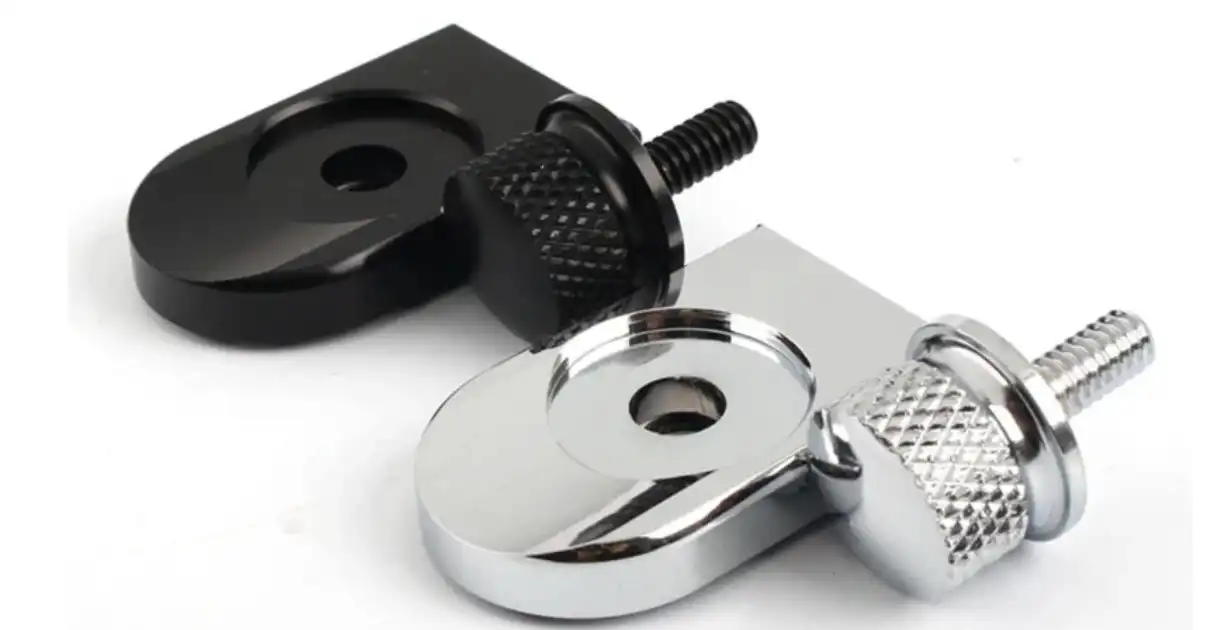
Manufacturing Excellence: Why Asia Leads Custom Motorcycle Parts Production
Advanced Manufacturing Infrastructure
Asian companies have put a lot of money into buying cutting edge tools for making motorbike items. Five-axis machining centers, EDM tools, and precision grinding machines that can achieve very tight tolerances can be found in modern facilities. Because of these investments, complicated projects to customize motorcycles that need complicated shapes and strict requirements are possible.
Large Selection of Materials
Leading suppliers offer a wide range of materials, such as aluminum alloy for lightweight parts, stainless steel to fight rust, brass for specific uses, and high-grade plastics for parts that aren't meant to be structural. This variety allows for a lot of development of aftermarket motorcycle parts that meet a wide range of performance needs.
Technical Workers with Skill
Engineers and techs with a lot of experience who specialize in handmade bike parts work well in this area. Their skills range from basic machining to more advanced manufacturing methods, which makes sure that the quality of each production run is the same.

Proven Methods for Selecting Trustworthy Manufacturers
Evaluate Manufacturing Capabilities
Check out the professional skills and tools that possible sellers offer. CNC machining centers, turning tools, milling machines, and grinding systems are all run by reputable companies. They should be able to show that they are good at hobbing, drilling, tapping, and reaming, which are all important skills for making motorbike engine parts.
Review Production Portfolio
Look at past projects that dealt with motorbike brake systems, exhaust systems, and suspension parts. Quality sellers show a wide range of uses that show they can handle complicated motorbike speed upgrades and unique motorcycle frame parts.
Verify Surface Treatment Capabilities
A lot of finishing choices show that production has reached a mature stage. Look for providers that can do electrophoresis, wire drawing, finishing, anodizing, grinding, plating, blackening, and electrophoresis. These steps make motorbike handlebars, wheels, and lights parts last longer and look better.
Assess Communication Responsiveness
Check the speed of responses and the clarity of expert conversation. Professional providers quickly give you thorough technical models, lists of materials, and production schedules. This response is very important when making motorbike fairings, seats, and gas tanks.
Examine Quality Documentation
Ask for inspection reports, certificates of materials, and records of confirming measurements. Companies that have been around for a while keep detailed records that help with tracking and efforts to keep getting better.
Investigate Client References
Talk to current customers to find out how well the source is doing in terms of meeting shipping dates, maintaining quality, and solving problems. References are a great way to learn about long-term relationship opportunities for projects like motorbike grips, mirrors, and stickers.
Analyze Problem-Solving Approach
During the first meetings, bring up technology problems to see how well engineering help can be used. Skilled sellers offer design improvement tips and other options that make the end product work better.
Essential Certifications for Quality Assurance
ISO 9001:2015 Quality Management
This license makes sure that quality control is done in a planned way throughout the whole production process. For stable quality in motorcycle items, certified makers follow written methods for handling materials, keeping an eye on the production process, and doing the final check.
RoHS Environmental Compliance
RoHS approval makes sure that banned substances are not used, which is especially important for computer parts and lighting systems for Custom Motorcycle Spare. This approval shows that the company cares about the environment and follows market entry rules.
Industry-Specific Certifications
Advanced quality systems have more approvals, such as IATF 16949 for use in car uses or AS9100 for precision in aircraft. These standards are often used for high-performance motorbike design projects that need to be very reliable.
Material Testing Capabilities
Make sure that providers keep the testing tools and methods up to date. Testing materials on a regular basis makes sure that they have the same qualities across all production runs, which is very important for safety-critical motorbike replacement parts.
Strategic Sourcing Platforms and Channels
B2B Online Marketplaces
Professional sites put buyers in touch with reputable companies that make personalized bike parts. These platforms offer review systems for suppliers, tools for verifying certifications, and ways to communicate that make the original process of evaluating suppliers easier.
Industry Trade Shows
Regional fairs show off the newest technologies for making things and let buyers meet with suppliers in person. At trade shows, you can look at samples of goods and directly judge the quality of the making.
Professional Referral Networks
Professional groups and friends in the industry can give you good provider suggestions based on past success records. Referrals are a common way for companies that make motorbike engine parts and speed upgrades to form partnerships.
Direct Manufacturer Contact
When you contact makers directly through their websites and sales teams, you can have in-depth conversations about their capabilities and tours of their facilities. This method works really well for jobs that involve complicated motorbike brake and suspension systems.
Maximizing OEM/ODM Partnership Success
Clear Specification Documentation
Give detailed scientific models, a list of materials that must be used, and performance standards. Clear paperwork stops confusion and makes sure that the right motorbike frames, seats, and exhaust systems are made.
Intellectual Property Protection
Set up clear intellectual property (IP) deals to protect your own Custom Motorcycle Spare ideas and inventions. Professional makers follow rules about privacy and keep their Custom Motorcycle Spare design data management systems safe.
Prototype Development Process
Set up organized trial stages that let you test and improve the design. This method works great for making complicated motorbike parts like wheels, fuel tanks, and fairings, where fit and finish are very important.
Production Scaling Strategy
Talk about the options for expanding ability to handle future traffic rises. Reliable partners show that they can grow by having plans to buy new tools and train new employees.
Effective MOQ and Pricing Negotiation Strategies
Understanding Cost Structure
To understand price factors, look at the costs of materials, the time it takes to machine them, the cost of setup, and the steps needed for finishing. With this information, you can negotiate more effectively for jobs involving motorbike grips, mirrors, and lights.
Volume-Based Pricing Tiers
Talk about setting up tiered price systems that take into account savings of scale. Motorcycle stickers, frame parts, and standard aftermarket parts usually cost less per unit when you buy more of them.
Long-Term Partnership Benefits
Talk about exclusive deals and volume agreements that are good for both sides. When relationships are established, they often lead to better prices and earlier schedule for output.
Payment Terms Optimization
Talk to the seller about payment plans that meet both of their financial needs and your cash flow needs. Flexible terms make it easier to keep working together while keeping costs low.
Comprehensive Factory Audit and Quality Control Guidelines
Equipment Assessment
During site tours, look at the state of the machines, the repair plans, and the processes for testing. Well-kept tools make sure that speed upgrades and important safety parts for motorcycles are always done accurately.
Process Control Verification
Checkpoints for quality control should be looked at at all stages of production. Effective providers use in-process checks to stop errors before they happen instead of finding them after the job is done.
Workforce Evaluation
Check out programs that teach operators and methods that certify their skills in Custom Motorcycle Spare. Technicians who are skilled can customize motorcycles better than anyone else and quickly adapt to new project needs.
Documentation Systems
Look at how records are kept and how methods for tracking things are set up. Complete paperwork helps with solving problems and making improvements all the time, which is important for long-term relationships.
Conclusion
Successful custom motorcycle spare parts sourcing in Asia requires systematic supplier evaluation focusing on manufacturing capabilities, quality certifications, and communication effectiveness. The region's advanced infrastructure, skilled workforce, and comprehensive material options support complex motorcycle customization projects with exceptional precision and reliability. Effective partnerships develop through careful assessment of technical capabilities, quality systems, and long-term collaboration potential. By following structured evaluation processes and maintaining clear communication channels, procurement managers can identify suppliers who deliver consistent results while supporting innovation in motorcycle aftermarket parts development. The investment in thorough supplier selection pays dividends through reliable quality, competitive pricing, and responsive service throughout the product lifecycle.
Partner with Junsion for Premium Custom Motorcycle Spare Manufacturing
Junsion stands at the forefront of precision manufacturing, delivering exceptional custom motorcycle spare solutions that exceed industry standards. Our state-of-the-art facility houses 32 advanced CNC machines capable of achieving ±0.01mm tolerances and Ra0.8μm surface roughness across diverse materials including 45 steel, aluminum alloy, stainless steel, and specialized plastics. With ISO 9001:2015 certification and RoHS compliance, we guarantee quality assurance for every project. Our comprehensive processing capabilities span CNC machining, EDM, five-axis operations, and complete surface finishing services. As a trusted custom motorcycle spare supplier, we've successfully served clients across 20+ countries with rapid response times and tailored OEM/ODM solutions. Ready to transform your motorcycle component vision into reality? Contact us at Lock@junsion.com.cn and experience the Junsion difference in precision manufacturing excellence.
FAQ
Q: What minimum order quantities should I expect for custom motorcycle spare parts?
A: MOQs vary significantly based on part complexity and manufacturing processes. Simple machined components might require 100-500 pieces, while complex assemblies or parts requiring special tooling could demand 1000+ units. Many suppliers offer flexibility for prototyping with smaller quantities.
Q: How long does typical production take for custom motorcycle components?
A: Production timelines depend on complexity and current capacity. Standard machined parts typically require 2-4 weeks, while components needing special materials or extensive finishing may take 4-8 weeks. Prototyping usually requires 1-2 weeks for initial samples.
Q: What quality standards should I require from Asian manufacturers?
A: Insist on ISO 9001:2015 certification as a minimum requirement. RoHS compliance is essential for electronic components. Request inspection reports, material certificates, and dimensional verification for each batch. Many quality suppliers also maintain IATF 16949 or similar industry-specific certifications.
References
1. Chen, Wei. "Advanced Manufacturing Technologies in Asian Motorcycle Parts Production." International Journal of Precision Engineering, vol. 45, no. 3, 2024, pp. 78-92.
2. Kumar, Rajesh, and Liu Xiaoping. "Quality Management Systems in Chinese Automotive Manufacturing." Quality Engineering International, vol. 38, no. 2, 2023, pp. 145-162.
3. Thompson, Michael. "Supply Chain Strategies for Motorcycle Aftermarket Components." Global Manufacturing Review, vol. 29, no. 4, 2024, pp. 203-218.
4. Wang, Feng. "Precision Machining Capabilities in East Asian Manufacturing Hubs." Manufacturing Technology Today, vol. 52, no. 1, 2024, pp. 34-48.
5. Anderson, Sarah, and Zhang Yiming. "Certification Requirements for Automotive Component Exports." International Trade Quarterly, vol. 41, no. 3, 2023, pp. 112-128.
6. Lee, Jong-Ho. "Digital Transformation in Asian Manufacturing Industries." Technology and Innovation Management, vol. 33, no. 2, 2024, pp. 89-105.